Tiny houses ask a lot of every square foot, and plants are no exception. Styled well, three or four plants can make a 200-square-foot home feel warm, lived-in and green, softening all that timber and turning a compact box into a place that feels like home. Styled badly, they become clutter that blocks a walkway and crowds the kitchen counter. The trick is to treat plants like furniture: choose them for the space, give each one a proper home, and keep the display simple enough to live with every day.
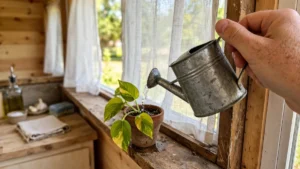
This guide is about the look of it — where plants sit, how they are grouped, and which shapes suit a tiny house — rather than the watering and heating routine. For that side of things, our guide to how to care for a plant in a tiny house covers the loft heat, the wood stove and moving day.

Start With the Light You Actually Have
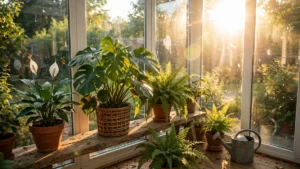
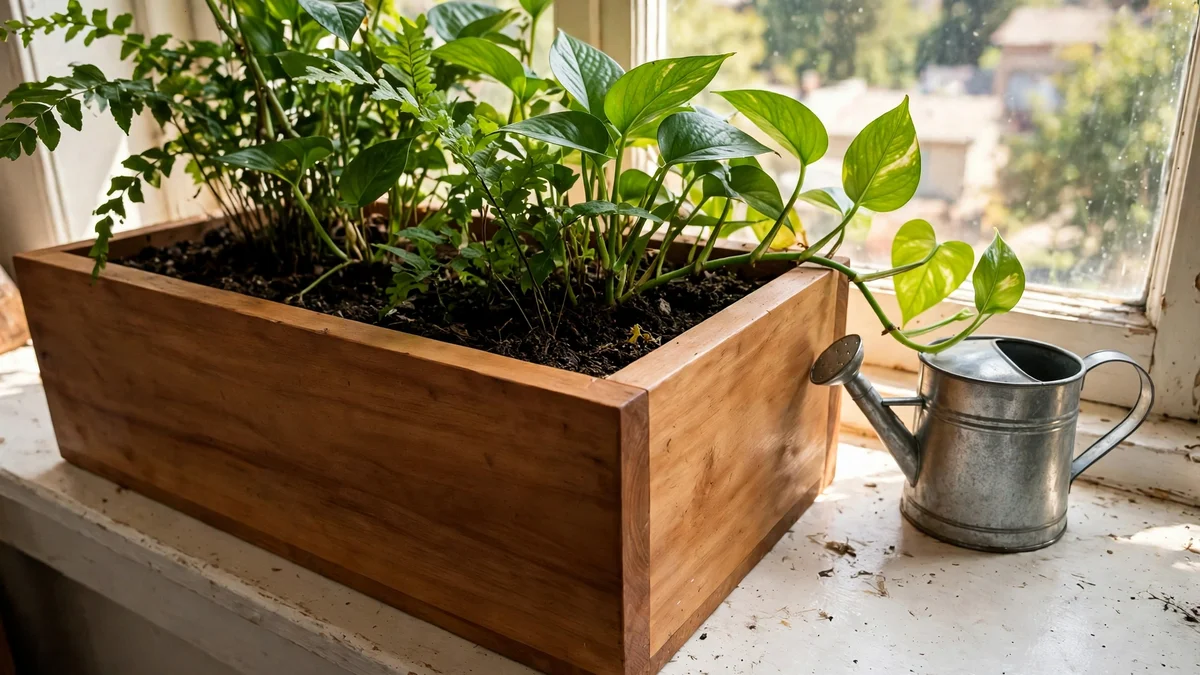
A tiny house usually has fewer windows than a flat, and the ones it does have are often small or set high under the roof. Before you buy anything, spend a few days noticing where the light actually falls. The brightest spot is often the main window over the kitchen counter or the one beside the sofa, and that is where your display belongs. A plant in a dark corner will look sad within weeks, and no amount of styling will save it.
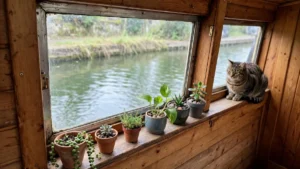
Style around one bright zone instead of scattering plants through the whole house. A single well-lit windowsill with two or three pots looks deliberate and green; the same three plants spread across dim corners look like leftovers. A sheer curtain softens harsh midday sun and makes the display look softer too. Keep the loft out of it: the sleeping platform sits in the hottest air in the house, and a plant put up there to get it out of the way will cook slowly, so keep your displays at living level.
Pick One Focal Point, Not Five
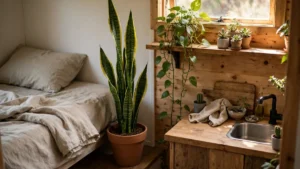
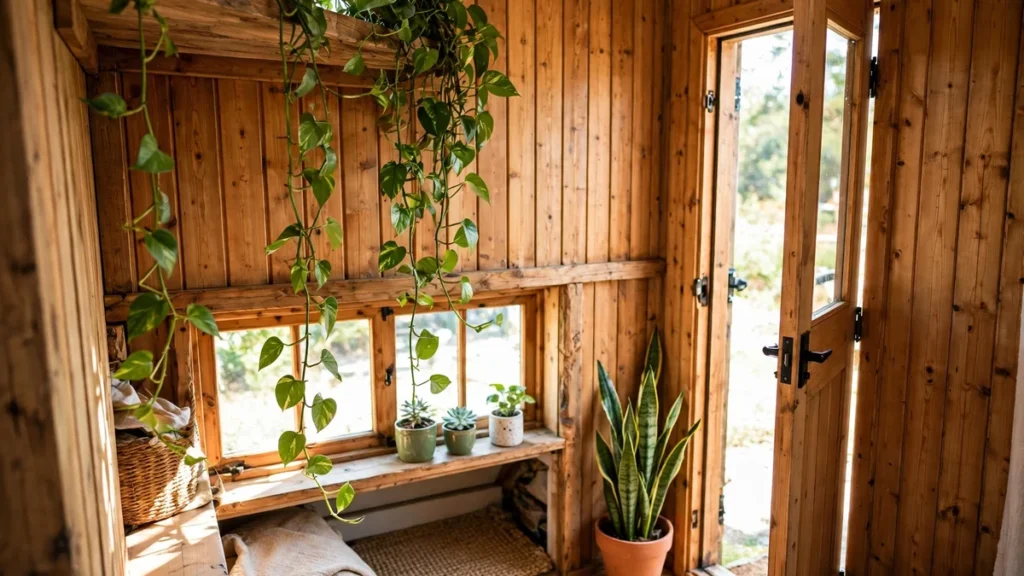
Every good display has one hero. In a tiny house, that is usually one medium plant on the windowsill or one trailing plant spilling from a high shelf above the sofa. Everything else plays a supporting role. A tall snake plant in a plain pot by the door, a full pothos trailing from a shelf, or a small fern on the kitchen counter can each carry the room on their own. If you are still choosing plants, our guide to the best plants for a tiny house picks varieties that stay small and thrive in tight spaces.
Resist the urge to fill every surface. Two pots on a sill with a gap between them look styled; four crammed edge to edge look like a garden centre shelf, and the first time someone opens the fold-down table one of them will be in the way.
Go Up, Not Out
Floor space in a tiny house is the scarcest thing you own, so the best styling trick is to use the walls and the ceiling. Trailing plants are made for this. A pothos or a string of hearts in a hanging planter above the sofa adds greenery at eye level without taking a single centimetre of worktop. The vines soften the hard lines of cupboards, ladders and windows, and they look better the longer they grow.

Hang planters where nobody will walk into them — above the sofa, in the corner by the window, or at the end of a kitchen cupboard. Keep the drop short so the vines frame the room instead of brushing your head, and use a hook screwed into a stud or ceiling joist, not a sticky pad that will give way one night.
Wall-mounted shelves are the other half of this trick. One narrow shelf, about as deep as a paperback, can hold three small pots above the bed nook or the seating area, keeping plants off the worktops and at eye level. A second shelf higher up gives trailing plants somewhere to start their spill. The same idea works in other small timber homes, and our guide to styling plants in a cabin shows how a compact wooden interior uses height in a similar way.
Secure Every Pot
A tiny house on wheels can move, and even a fixed tiny house gets shaken by everyday life: the ladder to the loft, the fold-down table, the door swinging open in a draught. A pot that only sits on a surface will slide, and a tall narrow pot will tip. Choose heavy, low, wide pots that look settled and are much harder to knock over than tall narrow ones.
Add grip where it counts. A non-slip mat or a ring of museum putty under each pot stops the slow slide across a wooden shelf, and a small lip or rail on a shelf edge catches a pot before it walks off. Keep plants off surfaces that move, fold or open: the fold-down table is the classic trap, looking like the perfect plant spot until dinner time, when the plant has to go somewhere and ends up on the floor. Give each plant a fixed spot that nothing else needs.
Keep the Pots Part of the Look
In a room this small, a pot is not just a container — it is part of the furniture, and you will see it all day. Three pots in the same material look far better than three different finishes: terracotta, cream ceramic, or woven baskets, repeated across the display, give the room a calm, pulled-together feel. The plants provide all the colour you need.
Match the pots to the house, not just to each other. Warm terracotta suits honey-coloured timber, matte cream lifts a white-painted interior, and woven baskets soften a room full of straight lines. Small and repeated beats big and random every time in a tiny house.

Small-Space Tricks That Actually Work
Use the odd corners a tiny house gives you. The stair or ladder wall is usually dead space, and a narrow shelf running up beside it turns it into a green spine for the whole house. The end of the kitchen counter, the ledge above the door, and the wall beside the bathroom door all take one small pot without stealing usable space.
Let one plant do two jobs. A trailing pothos above the kitchen counter softens the cupboards and fills the blank wall in one move. A small herb pot on the windowsill is decoration and dinner at once.
Finally, edit ruthlessly. A tiny house rewards restraint more than any other home. When a display starts to feel busy, remove one plant, not add one. Two plants styled with space around them will always look better than six squeezed in, and the ones that stay will have the light, the air and the attention they need to thrive.

Start with the brightest window, pick one hero plant, send the rest up the walls, and keep the pots matching and secure. Do that, and your tiny house will feel bigger, calmer and greener — proof that a small home does not need small ideas.