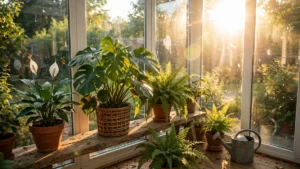
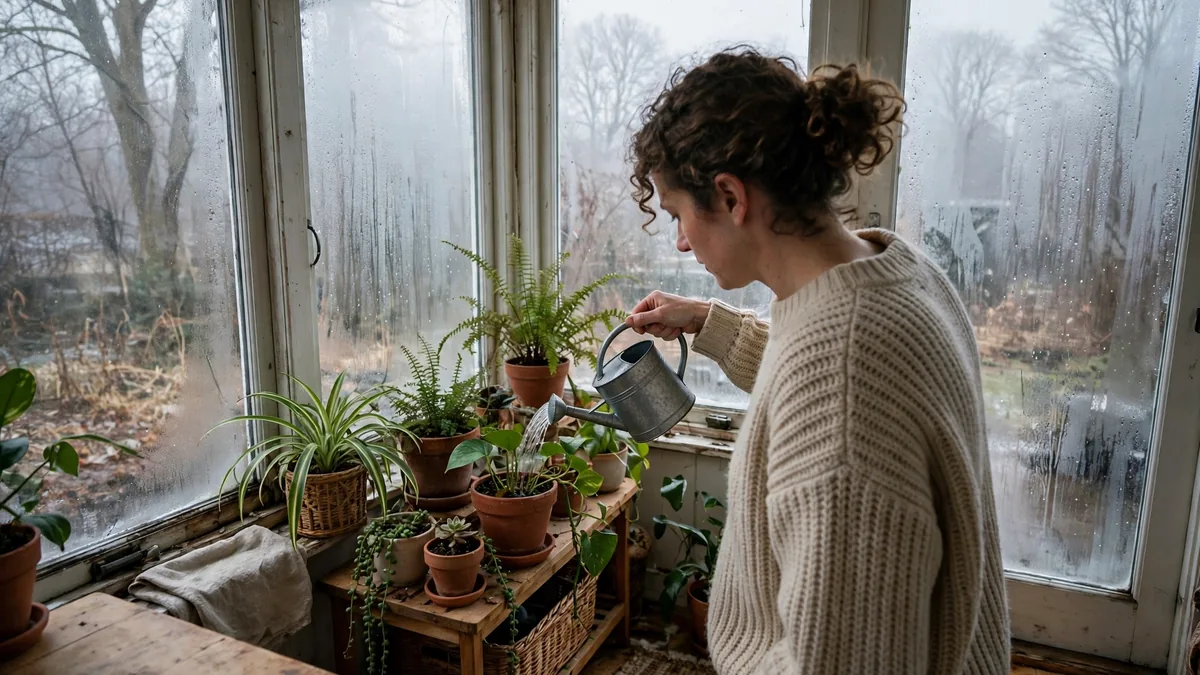
A sunroom is the one room in the house where the usual houseplant advice stops working. Most indoor plant guides are written for dim corners and north-facing windows, where the challenge is finding enough light. A sunroom has the opposite problem. It is bright, warm, and wrapped in glass, and in summer it can feel more like a greenhouse than a living room. That is wonderful news for the right plants and a quick death sentence for the wrong ones.
The trick is to stop shopping for “indoor plants” in general and start shopping for sun plants. A sunroom rewards plants that come from hot, bright places: deserts, dry scrubland, and tropical spots where the sun beats down for most of the day. Give those plants the brightest seat in the house and they will grow faster, flower more, and look better than they ever would in an ordinary room.
What Makes a Sunroom Different
Before picking plants, it helps to understand what a sunroom actually does to a plant. The glass lets in far more light than a normal window, and it traps heat. On a sunny afternoon the temperature near the glass can climb well above the rest of the house, and pots dry out much faster than they would indoors. In winter the same room can swing the other way, cooling down sharply at night.
That combination — strong direct sun, heat, fast-drying soil, and temperature swings — is the filter every plant has to pass. A plant that loves steady, mild, indirect light will scorch, wilt, or drop leaves in a sunroom no matter how carefully you water it. A plant built for sun will take the heat in its stride and ask for more. So the first rule of sunroom planting is simple: match the plant to the room, not the room to the plant.
The Sun-Lovers That Thrive in a Sunroom
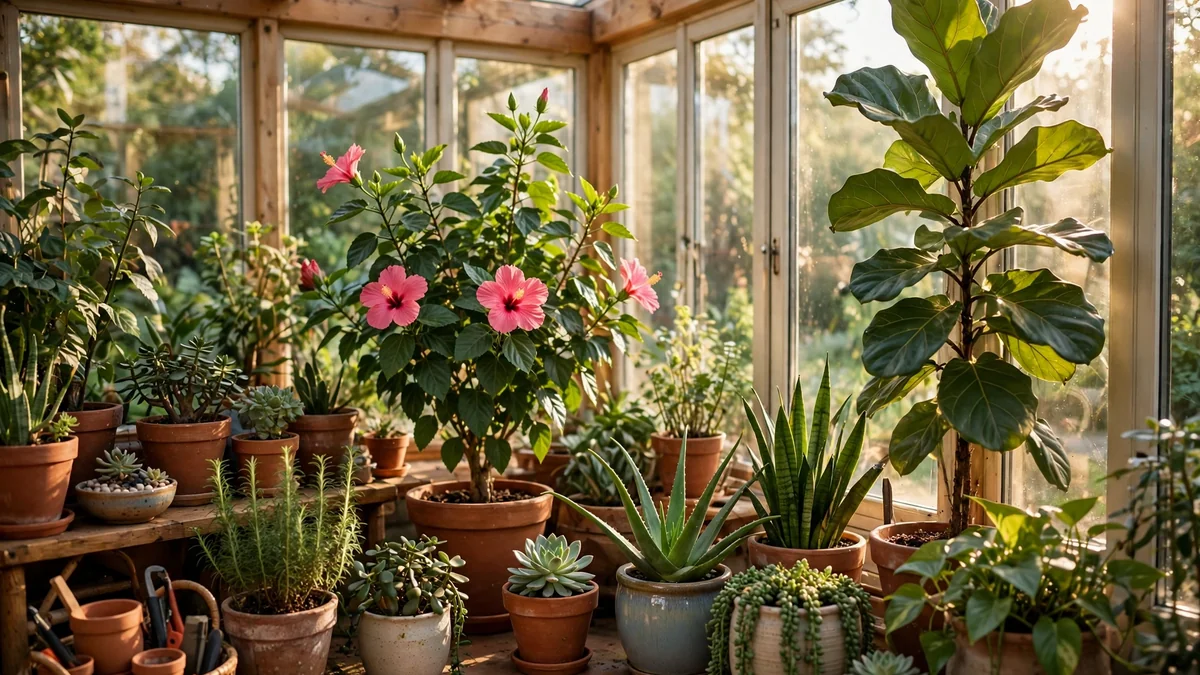
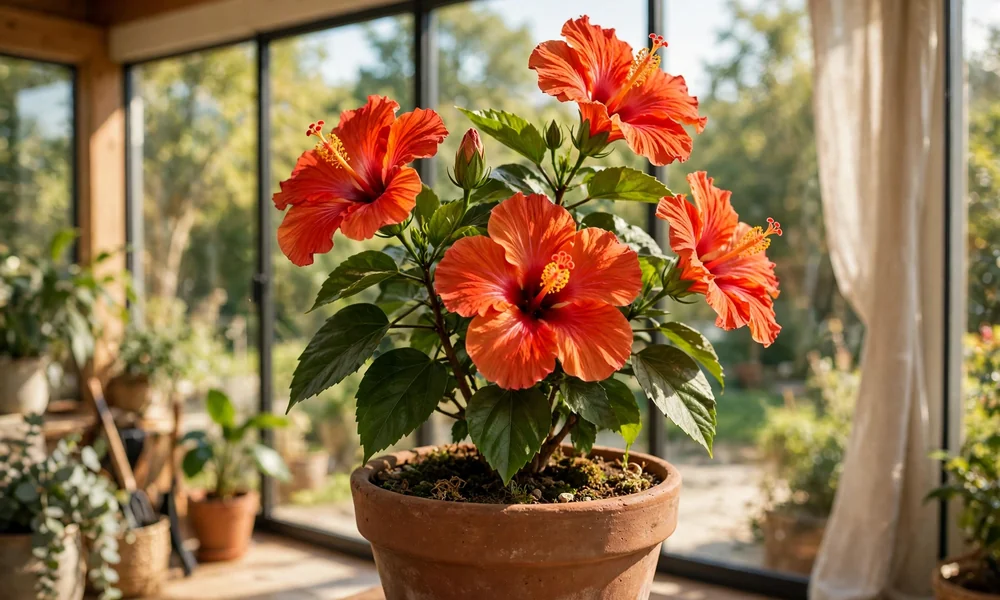
Hibiscus is the classic sunroom star, and for good reason. It wants as much direct sun as you can give it, it flowers for months when it is warm, and a single plant in a large terracotta pot can anchor a whole corner. Keep the soil evenly moist in summer, feed it lightly through the growing season, and bring it away from the coldest glass in winter. Our hibiscus care guide covers watering, feeding, and pruning in detail.
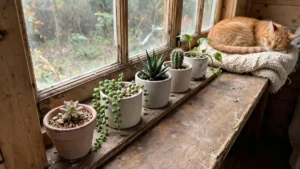
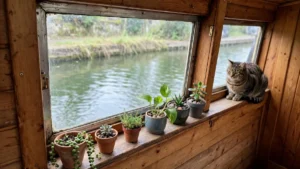
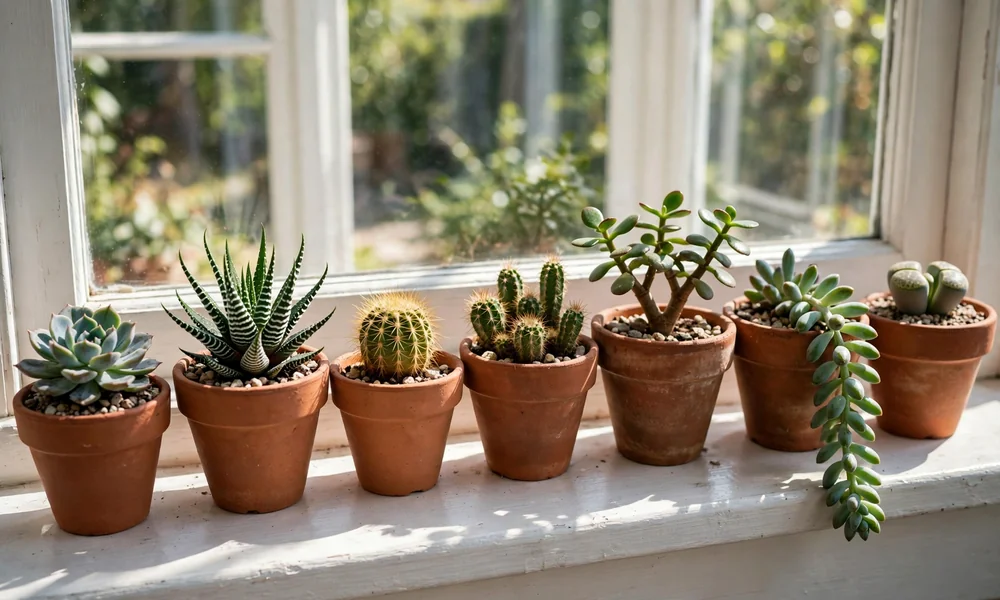
Succulents and cacti are the easiest win of all. Jade plants, aloe vera, echeveria, and small cacti store water in their leaves, so they cope happily with the fast-drying pots and hot afternoons that stress other plants. Give them the sunniest sill or shelf, use a gritty, free-draining mix, and water only when the soil is dry right through. A cluster of different shapes and heights on one sunny shelf looks better than a single plant on its own, and it is almost impossible to overwater a succulent that gets this much sun.
Snake plants and ponytail palms are good choices if you want height without fuss. Both tolerate direct sun once they are used to it, and both forgive a missed watering. A bird of paradise is the boldest option: it wants the brightest spot you have, plenty of room, and regular water in summer, and in return it gives you huge, dramatic leaves that make the room feel tropical. If you want more ideas for bright spots, our guide to plants that like direct sunlight indoors covers the wider list.
Watering in a Sunroom Takes a Different Rhythm
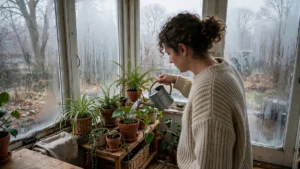
The biggest mistake in a sunroom is watering on a fixed schedule. A plant that needs water every ten days in a normal room might need it every four days in a sunroom in July, and then go back to ten days in January. The sun and the heat change everything, so check the soil instead of the calendar. Push a finger two inches into the pot: if it feels dry at that depth, water thoroughly until it runs from the drainage holes, then empty the saucer so the roots are not sitting in water.
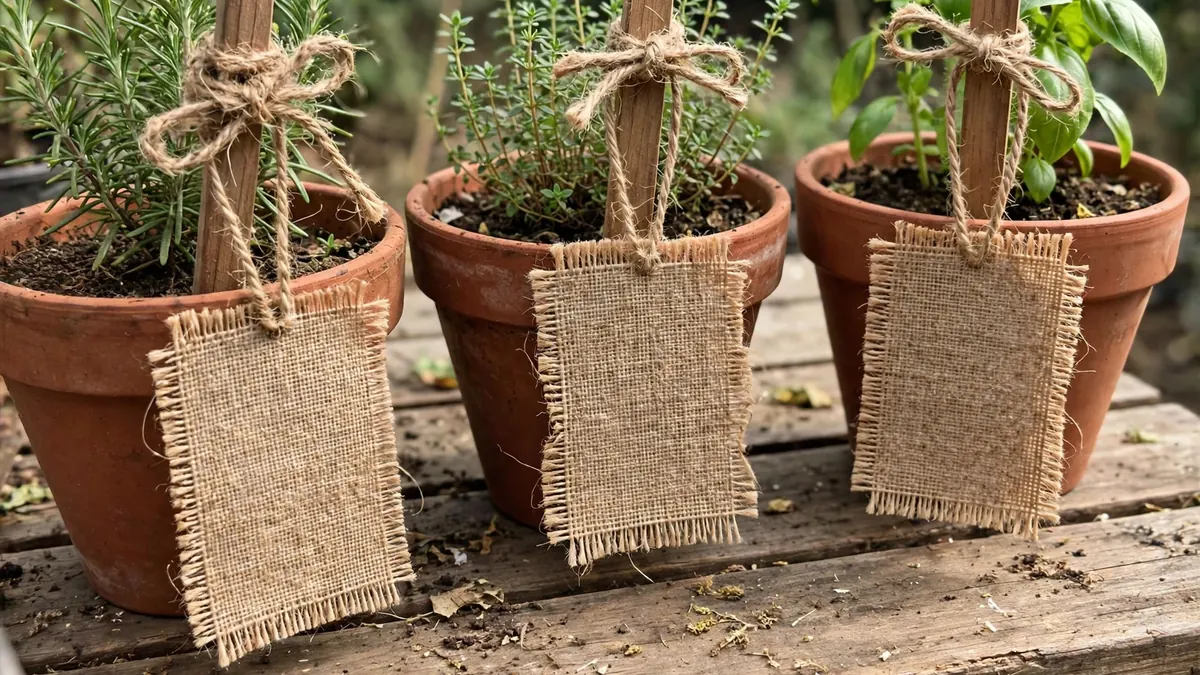
Water in the morning when you can. The plant has the whole day to drink before the hottest part of the afternoon, and wet leaves dry quickly in the sun, which keeps fungal problems away. Terracotta pots are a good match for a sunroom because they breathe and dry out evenly, but they also dry faster than plastic, so check them more often. Grouping plants together helps too: a cluster shades its own pots slightly and raises the humidity around the leaves, which softens the driest afternoons.
Plants to Keep Out of the Sunroom
Just as important as what to plant is what not to plant. Shade-lovers suffer badly in a sunroom. Peace lilies scorch in direct sun, their white flowers brown at the edges and their leaves crisp. Ferns dry out within days, calatheas curl and fade, and most low-light favourites that thrive in a dark corner will look miserable here within a week or two.
If you love those plants, keep them in the cooler, shadier rooms of the house and let the sunroom belong to the sun-lovers. That is the whole point of a room-by-room approach: every room has plants that suit it, and forcing a shade plant into the brightest room in the house is as unkind as putting a cactus in a windowless bathroom. For the full picture on bright spots around the home, see our guide to indoor plants that like direct sunlight.
A Simple Sunroom Setup That Works
You do not need to fill the room on day one. Start with three plants at different heights: one tall plant near the glass, such as a bird of paradise or a fiddle-leaf fig; one flowering plant at table height, such as a hibiscus; and a cluster of succulents on the sunniest sill. Live with that arrangement for a month and watch how each plant responds before adding more.
A sheer curtain is worth having for the hottest weeks of summer. It takes the edge off the midday sun without turning the room dark, and it protects plants that like bright light but not the full blast of afternoon sun through glass. Rotate pots a quarter turn every couple of weeks so plants grow evenly instead of leaning toward the glass, and wipe dusty leaves now and then, because dust blocks light just when the plant needs it most.

In winter, pull plants a few inches back from the glass at night, when the coldest air sits against the panes, and ease off the watering as growth slows. Most sunroom plants rest in winter and wake up again in spring, so a quiet few months is normal, not a sign of trouble.
A sunroom is a gift to a plant lover, as long as you respect what the room is. Choose plants that love sun and heat, water by checking the soil rather than the calendar, and leave the shade-lovers to the shadier rooms. Do that, and the brightest room in your house becomes the easiest one to keep green.