Choosing vegetable plants is where most gardens are really decided. Not on planting day, and not at harvest, but in that quiet moment at the nursery or seed catalogue when you pick what to grow. Pick plants that suit the space, sun and season you actually have, and the rest of the work gets easier. Pick the wrong ones, and you will spend the whole summer fighting plants that never stood a chance.

Start With What You Have, Not What You Wish You Had
Before you choose a single vegetable plant, take stock of three things: how much space you have, how much direct sun that spot gets, and what season you are planting in. A full bed, a raised bed, a balcony or a few pots by the door all suit different plants.
Be honest about the sun. Watch the spot for a day and count the hours of direct light. Most fruiting vegetables need six to eight hours, while leafy greens and roots will manage on far less. A plant that needs full sun will not forgive a shady corner, however good the soil is. Think about what your household actually eats, too: two or three crops you cook with every week will give you more food, and more pleasure, than a dozen novelties.
If You Have Full Sun and a Real Bed
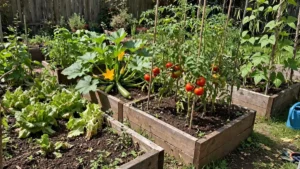
Full sun and open ground give you the widest choice, so this is where the classic vegetable plants belong. Tomatoes are the obvious first pick: they want warmth, rich soil and at least six to eight hours of sun, and one or two healthy plants will feed a household through summer. Give them a stake or cage from the start, because a tomato plant grows fast and flops over just as fast. Courgettes are the generous choice — one plant can feed a family, but it needs space to sprawl and regular picking. Beans are the other workhorse: bush beans need no support and crop heavily, while climbing beans need a wigwam but give a longer harvest from a small footprint.
If Your Space Is Small
A small space does not mean a small harvest. It means choosing vegetable plants that stay compact, climb, or crop quickly. Salad leaves are the best small-space crop there is: sow a short row or a pot every couple of weeks and you will be cutting leaves for months. Radishes are nearly as fast, ready in about a month, and they fit in the gaps between slower plants.
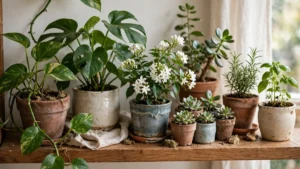
Pots change the maths again. A tomato in a large pot, a pepper in a medium one and lettuce in a shallow tray can turn a sunny balcony into a working vegetable patch. The pot is the plant’s whole world, so it needs to be big enough and it needs watering far more often than a bed. Our guide to the best vegetables to grow in containers gives the pot size each crop needs, so you can buy pots once and buy them right.

If Your Garden Is Shady
A shady garden is not a failed garden. It is a garden for a different set of vegetable plants. The rule is simple: grow vegetables you eat for their leaves or roots, not their fruit. Fruiting plants such as tomatoes, peppers and courgettes need sun to ripen, and they will only disappoint you in shade.
Lettuce is the easiest shade vegetable of all. It needs only a few hours of direct sun, and shade actually helps it, because it bolts far more slowly in cool, shady soil. Spinach prefers cool shade too, and kale will grow in partial shade and keep producing leaves for months. Beetroot and radishes cope with less sun than most roots, and peas will do well along the brightest edge of a shady bed. Shady soil stays damp longer, so water less often and feed more lightly than you would in full sun. For the full list, see our guide to vegetables to grow in shade.

Match the Plant to the Season
Vegetables fall into two broad groups, and mixing them up is one of the commonest beginner mistakes. Cool-season vegetable plants — lettuce, spinach, peas, radishes, kale and broad beans — grow best in the cool weather of spring and autumn, and many taste better after a light frost. Sow them early, and sow them again in late summer for an autumn crop.
Warm-season vegetable plants — tomatoes, peppers, courgettes, beans and sweetcorn — need warm soil and warm nights. Plant them out only after the last frost, and do not rush them: a tomato planted two weeks too early will sit and sulk, and it will often be overtaken by one planted at the right time.
Seed, Seedling or Bought Plant?
Once you have picked your vegetable plants, the next choice is how to get them started. Seeds are the cheapest option and give you the widest choice of varieties, and some vegetables are best sown direct where they will grow: radishes, peas, beans, carrots and salad leaves all resent being moved, so sow them straight into the bed or pot.
Other vegetables repay a head start. Tomatoes, peppers and courgettes need a long warm season, so most gardeners buy young plants or start seeds indoors a few weeks before the last frost. Buying a young plant is not cheating: it buys you six weeks of growing time. Check it before you pay — sturdy stems, green leaves with no yellowing, and no pests under the leaves.

Getting Them Started Well
Good soil matters more than any gadget. Fork a few inches of well-rotted compost into the top of the bed before you plant, and your vegetable plants will have food and moisture for weeks. In pots, use fresh potting mix rather than garden soil, which compacts and drains badly in a container.
Water the soil, not the leaves, and water deeply rather than little and often. A plant watered deeply grows roots that reach down for moisture; a plant sprinkled daily grows shallow roots and wilts at the first hot afternoon. Push your finger into the soil before watering: if it is damp an inch down, wait. Give plants the space the packet asks for, even when the seedlings look tiny — crowded plants compete for light, water and food.
If you are still building confidence, it helps to know which crops forgive a beginner most easily. Our list of the easiest vegetables to grow for beginners ranks fifteen of them by how forgiving they are, with the days to harvest for each one, so you can start with the ones most likely to reward you quickly.
Your Shortlist
Here is the picker in one paragraph. Sunny bed and plenty of room: tomatoes, courgettes and beans. Small space or pots: salad leaves, radishes, peas and one tomato in a big pot. Shade: lettuce, spinach, kale and beetroot. Cool season: peas, lettuce, radishes and kale. Warm season: tomatoes, peppers, courgettes and beans.
Start with three or four vegetable plants from your shortlist, not fifteen. Grow them well, learn what your space and your soil can do, and add a few more next season.