Bed bugs are one of the most frustrating household pests to deal with. They hide well, multiply quickly, and cause uncomfortable bites. Many people want a natural solution instead of harsh chemicals. This is why neem oil for bed bugs has gained attention. Neem oil is known for pest control and safety when used properly.
In this article, we will explore whether neem oil actually works on bed bugs. You will learn how it works, how to use it correctly, and its real limitations. This guide will help you decide if neem oil is right for your situation.
Neem Oil and Bed Bugs: What You Need to Know
Neem oil is a natural oil extracted from neem tree seeds. The neem tree grows mainly in tropical regions. This oil has been used for centuries in agriculture and medicine. Many people prefer neem oil because it comes from plants.
Neem oil contains a compound called azadirachtin. This compound affects insects at different life stages. It disrupts growth, feeding, and reproduction in pests. Because of this, neem oil is often used as a natural insecticide.
Does Neem Oil Kill Bed Bugs?
Neem oil can affect bed bugs, but results are often mixed and should be approached with realistic expectations. Unlike chemical insecticides, neem oil does not kill bed bugs instantly. Instead, it works gradually by disrupting their growth and reproduction, which means repeated applications are necessary for visible results.
This slow action makes neem oil more suitable for light infestations or as part of an integrated pest control strategy rather than a standalone solution. Just as understanding plant differences, such as in Peace Lily vs Easter Lily, helps with proper care, knowing how neem oil works helps users make informed pest control decisions and avoid disappointment.
Many people assume neem oil is a complete bed bug solution. In reality, it works best as part of a broader treatment plan. For those curious about alternative options, you can also compare pest control approaches in copper fungicide vs neem oil. Severe infestations usually require stronger or professional control methods.
Scientific Perspective
Cold-pressed neem oil is registered by environmental authorities for pest control use. Research shows it interferes with insect growth and reproduction. Bed bugs exposed to neem oil may stop feeding properly. Over time, this can reduce their population.
However, neem oil must directly contact bed bugs to work. It does not spread through colonies like some chemicals. This limits its effectiveness in hidden areas.
Repelling vs Killing Bed Bugs

Neem oil is more effective as a repellent than a direct killer when it comes to bed bugs. Its strong, natural odor helps discourage bed bugs from settling in treated areas, making the environment less attractive to them.
While this can reduce bites and limit their movement, neem oil alone may not eliminate an active infestation. Using it as part of a broader pest control approach is often more effective. Similar to understanding plant care differences, such as Peace Lily vs Bird of Pa, knowing the role neem oil plays helps set the right expectations and improve overall results.
Some bed bugs may survive low exposure levels. Eggs are especially hard to destroy with neem oil. This is why repeated application is necessary for results.
Neem Oil and Bed Bugs: How It Works
Neem oil affects bed bugs in several ways. It disrupts their hormone system, preventing normal growth. This stops nymphs from developing into adults, and over time, reproduction slows significantly. Neem oil also interferes with feeding behavior. Bed bugs exposed to neem oil may stop biting humans, which reduces irritation and visible bite marks.
The oil works best when applied consistently. For plant lovers, using a safe treatment is important too; if you’re dealing with plant issues, check out this guide on fungicide for peace lily for effective and safe solutions.
Step-by-Step: How to Use Neem Oil for Bed Bugs
Using neem oil correctly is essential for success. Improper mixing or spraying reduces its effectiveness. Follow a structured process for better results. Always test a small area first.
Materials You Need
You will need basic household items to prepare the neem oil spray. These items are easy to find and affordable. Using correct materials improves safety and coverage.
| Item | Purpose |
|---|---|
| Cold-pressed neem oil | Active bed bug treatment |
| Mild liquid soap | Helps oil mix with water |
| Spray bottle | Even application |
| Warm water | Dilutes the oil properly |
Mixing DIY Neem Oil Spray

Mix one teaspoon of neem oil with a few drops of mild liquid soap, then add this blend to one liter of warm water. Gently shake the spray bottle before each use to ensure the neem oil mixes evenly with the water for consistent application. Proper mixing improves effectiveness and prevents separation during spraying.
Just like choosing between houseplants such as Calla Lily vs Peace Lily requires attention to detail, preparing neem oil correctly helps achieve better pest control results. Do not use too much neem oil in one mix. Higher concentrations do not work better and may stain surfaces. Fresh solution works best when prepared daily.
Targeted Application Tips
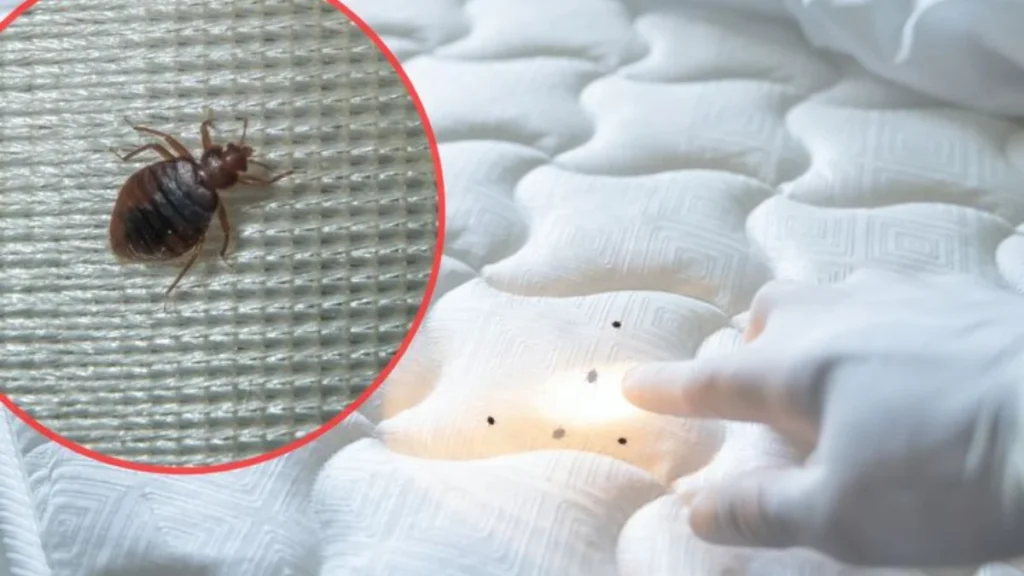
Spray neem oil solution on mattress seams and bed frames. Focus on cracks, crevices, and furniture joints. Bed bugs often hide in these tight spaces. Avoid soaking surfaces excessively. Apply the spray every three to four days. Consistency improves results over time. Always ventilate the room after spraying.
Pros and Cons of Neem Oil for Bed Bug Control
Neem oil has several advantages for natural pest control. It is plant-based and generally safe when used correctly. Many people prefer it over harsh chemicals. However, it also has limitations.
Neem oil works slowly and requires patience. It may not eliminate heavy infestations alone. If you are dealing with pests like small white bugs in soil, neem oil can help reduce their numbers, but it is not always a complete solution. Understanding both sides helps set realistic expectations.
Advantages
-
Natural and plant-derived solution
-
Low toxicity for humans and pets
-
Acts as a repellent and a growth disruptor
-
Easy to prepare at home
Disadvantages
-
Does not kill instantly
-
Requires repeated application
-
Limited effect on bed bug eggs
-
A strong smell may be unpleasant
When Neem Oil Is Not Enough

Neem oil may not be effective for severe infestations. Large bed bug populations hide deep inside walls and furniture. Reaching them with a spray becomes very difficult. In such cases, neem oil alone may fail.
Professional pest control may be necessary for complete elimination. Heat treatment and chemical insecticides are often more effective. Neem oil can still be used as a supportive method.
Safety and Precautions When Using Neem Oil
Neem oil is safer than many chemical pesticides. Still, it should be used carefully. Direct contact with the eyes or skin should be avoided. Always wash your hands after handling neem oil.
Keep neem oil away from children and pets. Do not ingest the oil under any circumstances. Ventilation is important after spraying indoor areas.
Frequently Asked Questions
Does neem oil kill bed bug eggs?
Neem oil has a limited effect on bed bug eggs. Eggs are protected by a tough outer shell. Repeated applications may reduce hatching over time. Complete egg elimination is difficult.
How often should neem oil be applied?
Neem oil should be applied every three to four days. Regular use increases effectiveness against active bed bugs. Missing applications reduces results significantly.
Can neem oil stain fabrics or furniture?
Yes, neem oil can stain light fabrics. Always test a small hidden area first. Avoid spraying directly on delicate materials.
Is neem oil safe for mattresses?
Neem oil can be used on mattress seams carefully. Do not soak sleeping surfaces heavily. Allow full drying before use.
Conclusion
Neem oil for bed bugs offers a natural and safer control option. It works best as a repellent and growth inhibitor rather than an instant killer. With consistent use, it can reduce bed bug activity over time. However, it may not fully eliminate serious infestations.
For best results, neem oil should be part of a combined strategy. Good cleaning, monitoring, and professional help may still be required. Understanding its strengths and limits helps you make informed decisions.