When you have a spacious living room, high ceilings, or wide open corners, small plants often get lost. That’s where large houseplants come in. These bold statement plants instantly transform empty spaces into lush, vibrant focal points.
From dramatic indoor tall plants that stretch toward the ceiling to striking big leaf indoor plants that create a tropical feel, the right plant can completely change the mood of your home.
And the best part?
Many of these plants are surprisingly easy to care for.
Let’s explore how large indoor plants can elevate your home and which varieties work best for big spaces.
Why Large Houseplants Are Perfect for Big Spaces
Big house plants are not just a decoration for a room. They facilitate the establishment of ambiance, filling, and the introduction of a natural aspect of interiors to modern spaces.
That is why homeowners are fond of them:
1. They make visual impressions immediately.
One large plant may fill up a vacant corner and make the highlight of the room.
2. They bring out height and structure.
The tall plants help draw the eye upward, particularly in a high-ceiling house or an open-plan house.
3. They introduce a natural, relaxing atmosphere.
The greenery is also used to counter the hard surfaces, such as wood, glass, and concrete, within the interior.
4. They also bring the rooms to life.
Mass plants add color, movement, and texture to rather neutral areas.
Most large-leaf tropical plants also serve as architectural elements in the house, so designers prefer to use them as showpiece decorations.
Best Large Houseplants for Statement Interiors
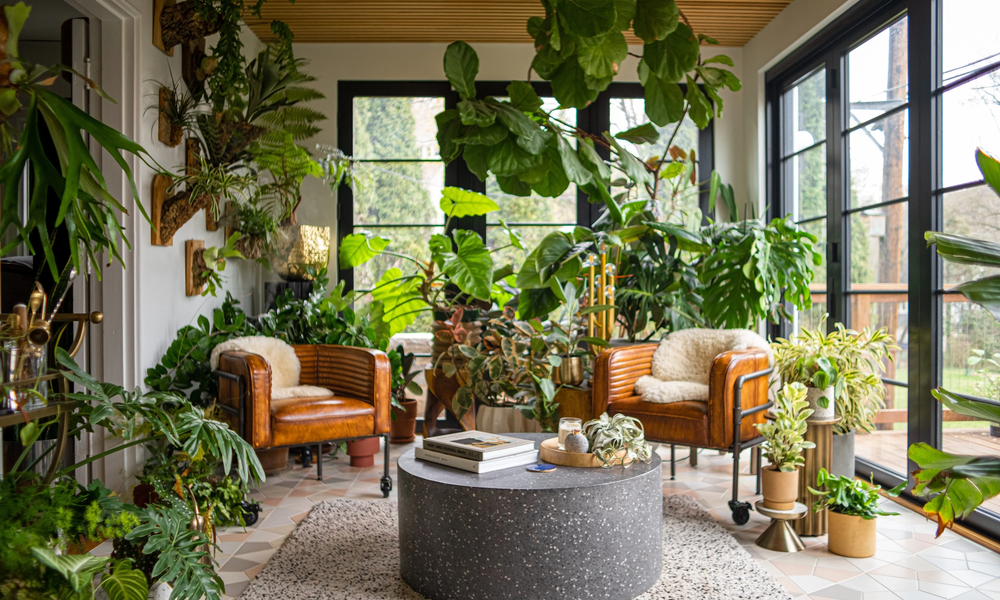
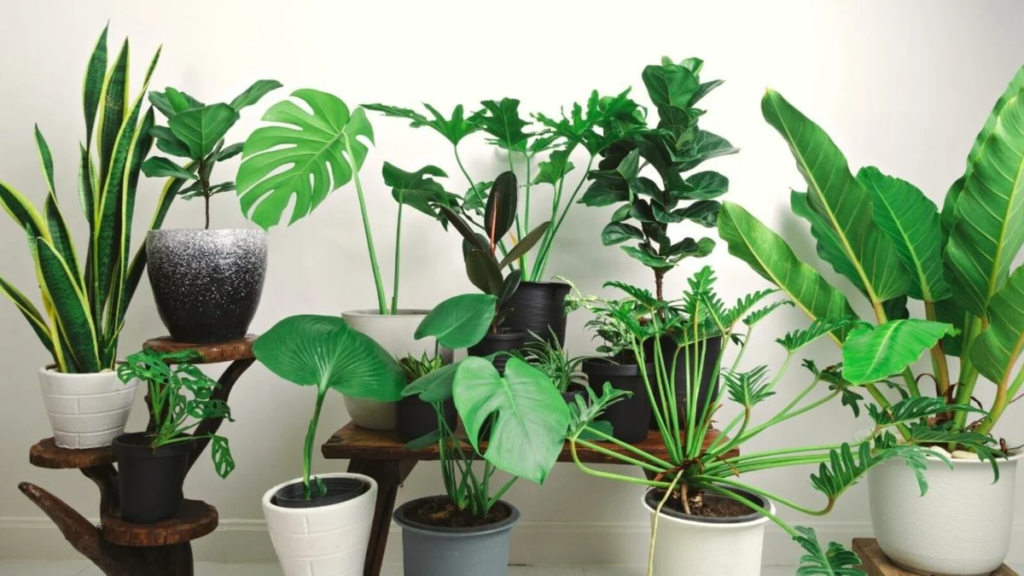
They are among the most popular large houseplants if you are planning to decorate a large room or an open-plan area.
1. Monstera Deliciosa (Swiss Cheese Plant)
The Monstera is one of the most well-known large-leaf house plants, with dramatic split leaves that create an immediate sense of the tropics.
- Can grow up to 10 feet indoors
- Big leaves may be 3-4 feet in width.
- Grows in indirect and bright light.
This is a favorite plant because it grows quickly and can fill up space.
2. Fiddle Leaf Fig
This is the designer’s favorite and one of the trendiest tall indoor plants available.
- Large violin-shaped leaves
- Grow to over 10 feet in height when indoors.
- Ideal in family rooms and lobbies.
Its sculptural form makes it suitable for a minimalist interior.
3. Bird of Paradise
In case you are willing to be bold and even tropical, the Bird of Paradise is an excellent choice.
- Huge banana-like leaves
- Can grow 5–6 feet tall indoors
- Develops the resort style.
This plant perfectly fits in sunny areas and bright living rooms.
4. Rubber Plant (Ficus Elastica)
The Rubber Plant is an excellent option for a large houseplant that is both dramatic and easy to care for.
Features include:
- Thick glossy leaves
- Upright tree-like structure
- Tolerates moderate light
It provides a good vertical height to a room and is not so costly to maintain.
5. Dracaena (Dragon Tree)
The Dracaena species are good tall indoor shade shrubs for filling corners or providing framing.
Benefits include:
- Slim stems, which form foliaged tops.
- Can grow up to 6 feet indoors
- Very tolerant of lower light
They are suitable for use in tight areas that require height but not width, thanks to their upright form.
6. Elephant Ear (Colocasia or Alocasia)
Elephant Ear plants are hard to compete with when it comes to dramatic, big-leaf indoor plants.
- Massive heart-shaped leaves
- Bold tropical texture
- Performs in areas of high humidity.
These are the ideal plants if you wish that your interior were an indoor jungle.
How to Style Large Indoor Plants in Your Home
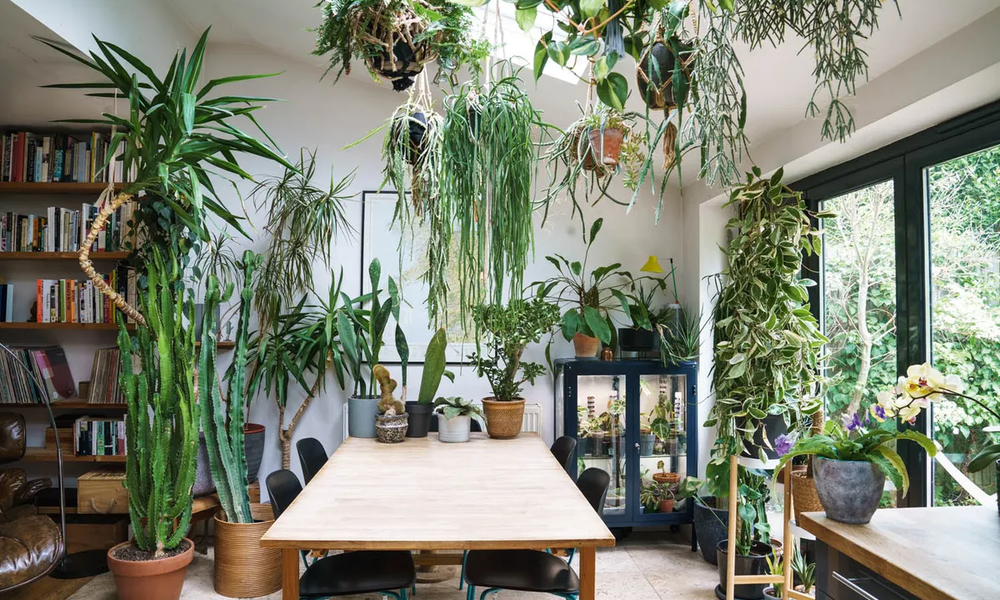
Placement is the key to having large house plants look beautiful.
Fill empty corners
Tall plants automatically convert unused areas into green, attractive spaces.
Frame furniture
Placed plants should be next to sofas, bookshelves, or fireplaces to create a sense of balance.
Create plant groupings
Plant one tall plant among smaller plants to create a layered look.
Use statement planters
Big plants are made to look ornamental with oversized ceramic or woven baskets.
Plants are also commonly used by interior designers to soften the open spaces and give a room a natural flow.
Care Tips for Large Houseplants
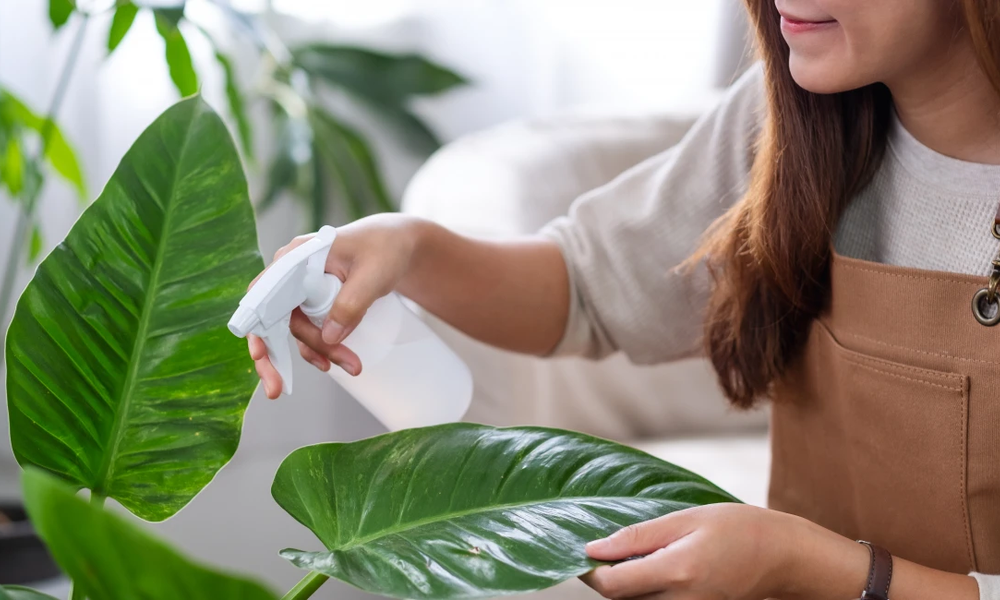
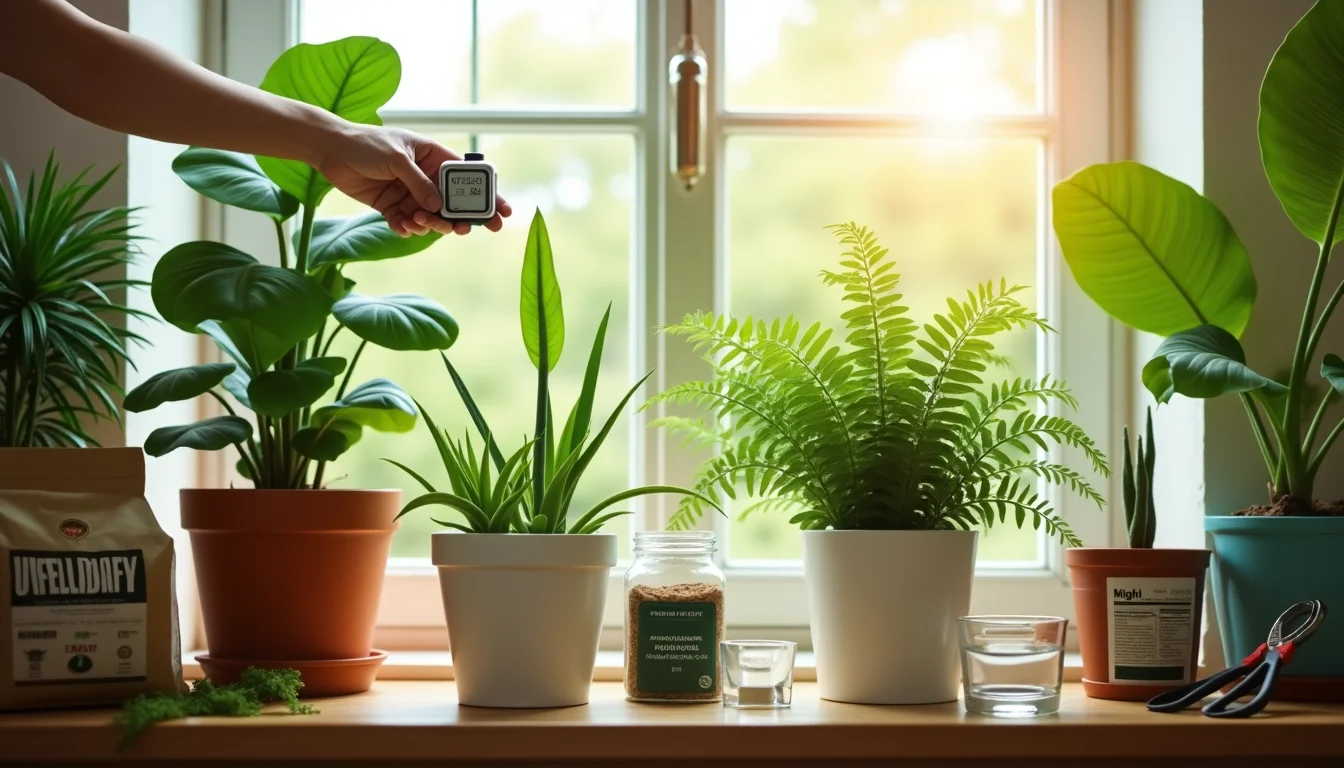
Although they may be very impressive in size, most of the tall indoor plants are very easy to care for after you learn the fundamental requirements of these plants. Big plants grow slowly and gradually, and hence keeping the environment right will keep them healthy and keep the foliage lush.
Be it dramatic big-leaf houseplants such as Monstera or tall statement plants such as Fiddle Leaf Fig, there are a few habits to follow regularly to make a significant difference.
Light
Lighting is among the most significant factors in maintaining a healthy large houseplant. Direct sunlight is not suitable for most large indoor plants, as they are used to indirect sunlight that mimics the filtered light in tropical forests.
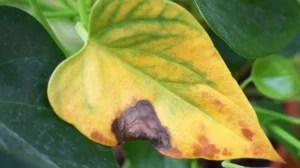
Be sure to put your plant in a place with a lot of light, but with the sun not shining on the leaves for most of the time. Huge leaves may be burned by direct sunlight, developing brown spots or turning pale. North-facing or east-facing windows usually offer the most suitable lighting conditions.
Watering
The greatest mistake that plant owners make is regarding watering. Big plants have more soil in larger pots and hence retain moisture longer than small plants.
One good thing to do is to let the top 1–2 inches of soil dry out before watering it again. This helps avoid overwatering, which is the most common cause of root rot.
When watering:
- Rinse until all the water has drained from the bottom of the pot.
- Wipe the extra moisture from the saucer.
- Do not be in the habit of giving tiny waterings.
Big-leaf indoor plants are usually very active in terms of moisture, but not in wet soil. Before watering, it is as easy as checking the soil with your finger to avoid problems.
Humidity
The majority of tall plants used indoors originate from tropical areas where humidity levels are naturally high. Although most plants acclimate to typical domestic environments, large-leaf indoor plants tend to enjoy a bit of over-humidity.
You can increase humidity by:
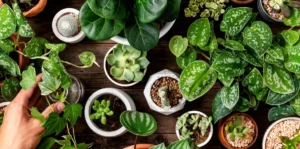
- Planting of plants close to one another in order to establish a miniature humidity area.
- Putting the pot in water under a pebble tray.
- Using a humidifier in dry seasons.
- Now and then, a spraying of leaves.
The increased humidity also makes the leaves shiny and prevents the edges from drying out, particularly in winter, when interior heating may cause indoor moisture to be lost.
Rotation
Naturally, the large plants orient themselves towards the most intense light. In the long run, this can result in them leaning or becoming uneven.
To keep a proportional shape, the growth of your big houseplants needs to be turned around in a few weeks. By rotating the plant by a side, the plant receives equal light and thus grows symmetrically.
The habit helps tall plants retain their shape, so they do not end up lopsided.
Repotting
Although large houseplants grow slowly, they will eventually outgrow their containers. Repotting provides the roots with more room and also incorporates new nutrients into the soil.
Most tall indoor plants require repotting every 1 to 2 years. Indications that your plant needs a new pot include:
- Data that sprouts out of drainage holes.
- Soil is drying out too quickly.
- Slowed growth
- The roots go around the surface of the soil.
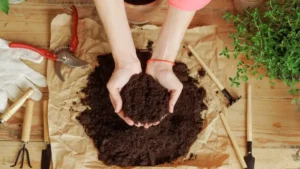
In repotting, only a 2- or 3-inch-diameter larger pot should be used with the present pot. Too large pots can hold excess moisture, which is destructive to the roots.
Moist and new soil will contribute to further growth and keep your plant healthy.
Choosing the Right Large Houseplant for Your Space
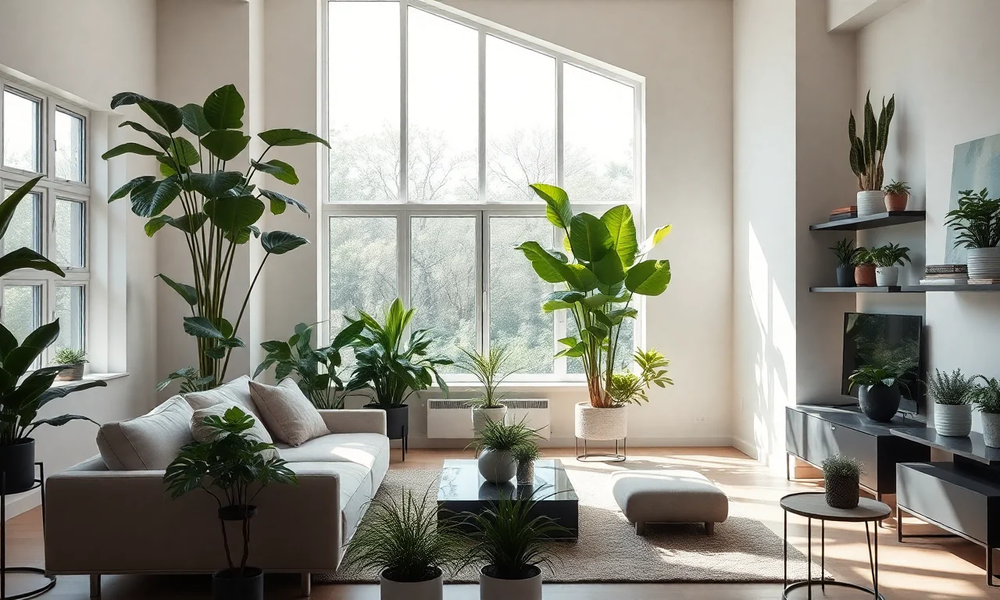
When purchasing a plant, you should look at the following factors:
- Ceiling height
- Natural light levels
- Available floor space
- Maintenance requirements
For example:
- Boring living rooms → Bird of Paradise, Fiddle Leaf Fig.
- Shadowed areas at the bottom of the picture → Rubber Plant, Dracaena.
- Tropical beauty → Monstera, Elephant Ear.
The selection of the appropriate plant ensures it grows and enhances your interior design.
Conclusion
Huge plants are not just decor; they are living elements of design that introduce vigor, texture, and character to a house. Are you a tall indoor plants person or a dramatic, big-leaf indoor plants person?
The appropriate big houseplants may make a dull room look like an elegant indoor garden.
Well-situated and low-maintenance, these statement plants can transform any vacant areas into green, inviting spaces and make your house a living one. Contact Us for more.
FAQs
How do I choose the right indoor plant?
Pay particular attention to the plant’s light requirement, especially for flowering houseplants (usually bright light). Make sure that the plant is healthy. Check the undersides of the foliage and the leaf axils for signs of insects or disease. Plants should have healthy foliage, new flowers, and/or leaf buds.
What are the best large house plants?
Best Large Indoor Plants for Any Space
- Fiddle Leaf Fig (Ficus lyrata)
- Rubber Plant (Ficus elastica)
- Bird of Paradise (Strelitzia reginae)
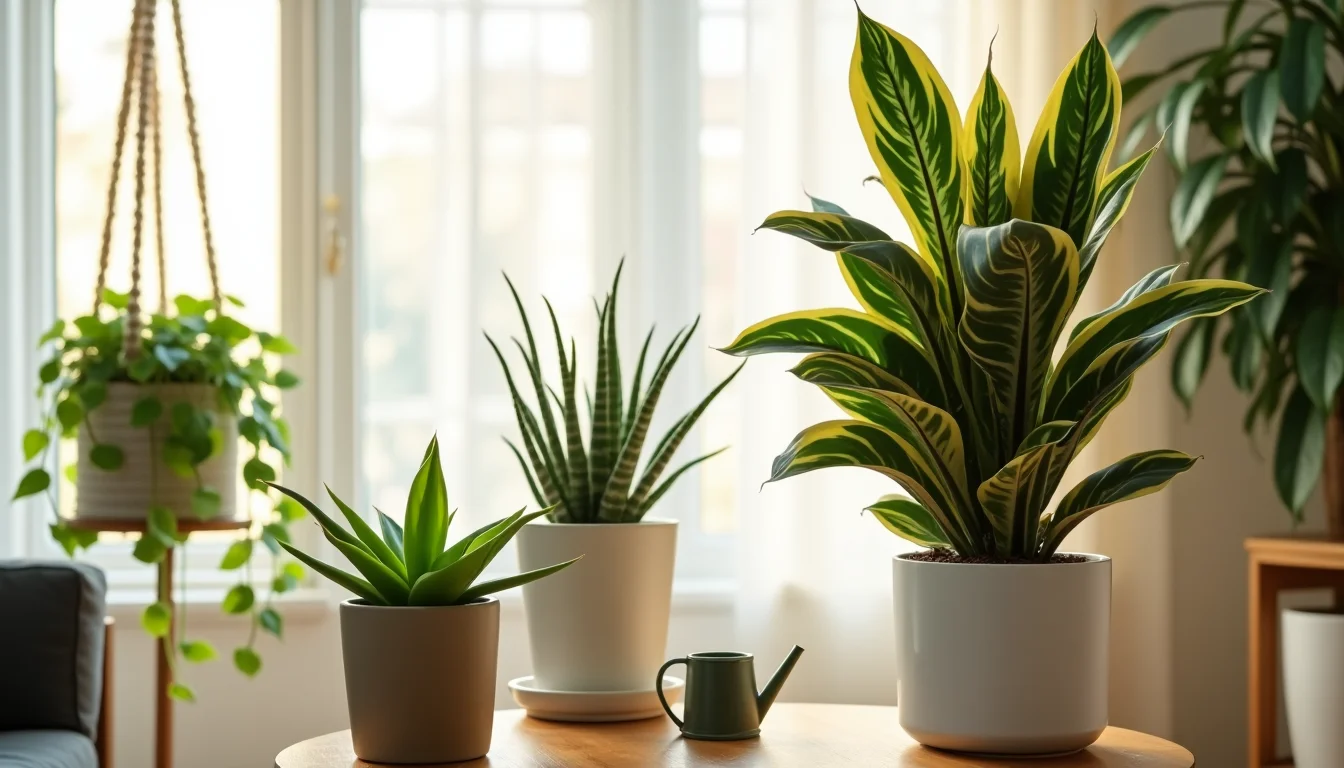
- Snake Plant (Sansevieria trifasciata)
- Areca Palm (Dypsis lutescens)
- Kentia Palm (Howea forsteriana)
- Corn Plant (Dracaena fragrans)
- Bamboo Palm (Chamaedorea seifrizii)
Do people with ADHD like plants?
For someone with ADHD, stimulation is a double-edged sword. While the brain craves excitement and novelty, that same intensity can lead to burnout, anxiety and overwhelm. “The garden gives me that constant dopamine hit I need – but in a positive way,” Anya says
Which plant purifies air most?
Top Air Purifying Houseplants
- Weeping Fig.
- Boston Fern.
- Spider Plant.
- Dracaena.
- Bamboo Palm.
- Chrysanthemum.
- English Ivy.
- Snake Plant. Another plant that gives off oxygen at night is the Snake Plant, or as you may know it, the Mother-in-Law’s Tongue.
Can houseplants sense their owners?
These findings suggest that plants can register subtle changes in their surroundings, potentially including human presence. However, this does not imply that plants recognise individual people or “know” their owners.
What are the easiest large houseplants to keep alive?
Tall houseplants such as palms, ficus, and dracaena cope well with typical household conditions, while huge houseplants like monstera and rubber plants quickly become standout features as they mature.
Which plant gives 100% oxygen?
Ans: The Areca Palm is widely considered the most oxygen-producing indoor plant. It not only purifies the air but also helps maintain humidity levels, making it ideal for Indian households. Thanks to its broad surface area and efficient photosynthesis, it consistently ranks at the top.