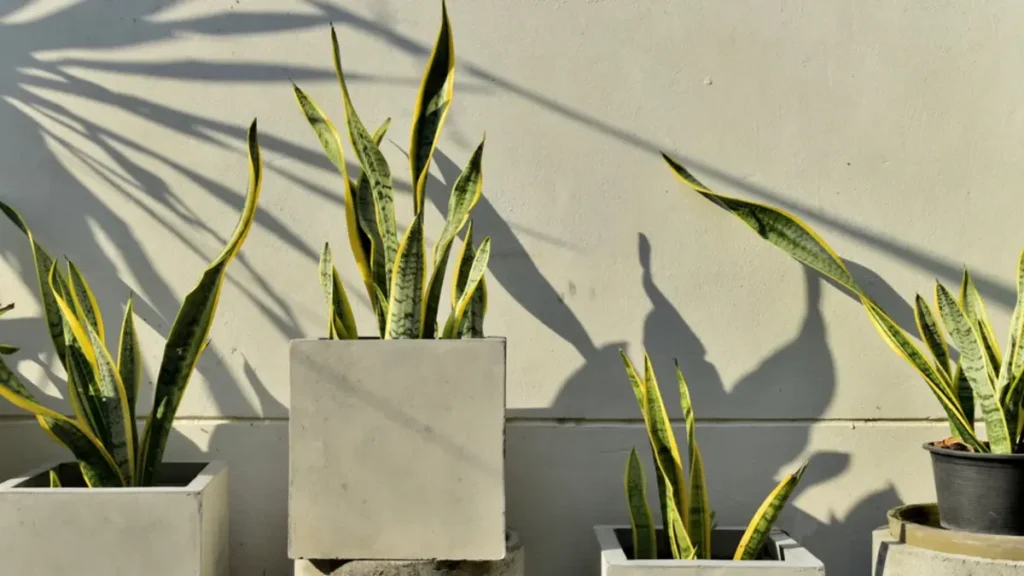
In this guide, you’ll find complete info on snake plant care including light, watering and soil for your plant as well as adjustments you need to make seasonally. It points out that snake plants do best in indirect light, little water and above all fast-draining soil. Yellow leaves or root rot are usually symptoms of overwatering. With a little knowledge of the plants’ needs and some careful observation, you can keep your plant flourishing for years.
The snake plant is probably the hardestiest houseplant you can get your hands on if you want a plant that can survive almost anything. However, low-maintenance does not mean no maintenance at all, and snake plant care matters if you want the plant to grow vigorously and look healthy.
The short version is, snake plant requires indirect light, low watering, and well-draining soil. This guide will teach you all about snake plant care from watering and light to common problems and practical plant care tips that really work.
Why Snake Plants Are So Popular
The snake plant is a widespread fashionable (and low-maintenance) alternative. They way their leaves sit upright gives a clean modern look adding to homes and offices alike.
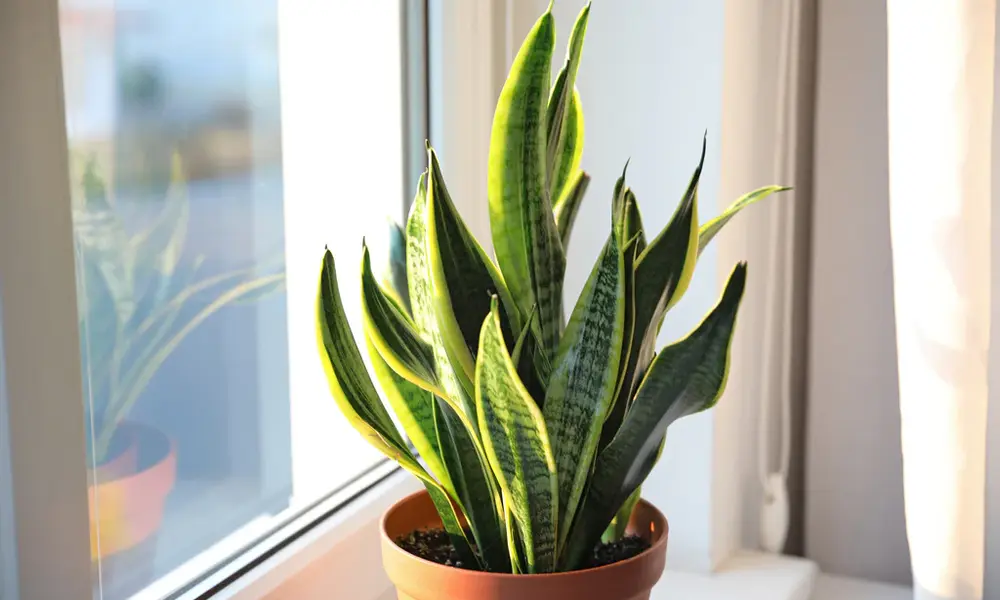
They are also very tough. Snake Plant Medium: Low light, uneven watering and dry indoor air are no problem for these plants which make them ideal starter plants taking their first steps in the Home of plant Care.
Information that is more generic about growing indoors show that they adapt well to the conditions it finds itself and require little attention.
However, some general Plant Care tips and a good Plant Care routine can help them grow quicker, healthier, and for years.
Snake Plant Care Basics
Before going into detail, here is a quick overview:
| Factor | Ideal Condition |
| Light | Indirect sunlight |
| Water | Every 2 to 3 weeks |
| Soil | Well-draining soil |
| Temperature | 18–30°C |
| Humidity | Low to moderate |
These basics form the foundation of effective snake plant care.
Light Requirements for Snake Plants
Sure, snake plants are very easy going with light conditions so that’s why they’re recommended for beginners. They can survive in low light conditions such as corners or rooms with minimal sun, but survival is not the same has growth. They require bright, indirect light to grow with health and speed.
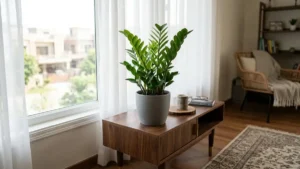
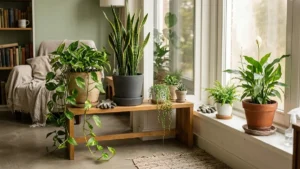
Snake plants do best when positioned bour the window, where sunlight is filtered through curtains or reflected from walls. This allows you to get sufficient brightness without being overpowering. Burning of leaves and development of yellow or brown patches can occur on the plants that are directly exposed to sunlight, particularly midday sun.
Meanwhile, when a plant remains very dark place for many days then this causes the growth of the plant is slowed down or deteriorates with each passing day. Their firm vertical posture and rich color of the leaves can be compromised.
Watering: The Most Important Step
Mistakes occur most often with watering.
Being succulents, snake plants are able to store water in their leaves and so they do not require regular watering. Normally, every 2 to 3 weeks of watering is plenty.
Always check the soil first. Wait several more days if it is still wet. Root rot is due mainly to overwatering.
When it comes to snake plant care, less water is always more well-trained.
Soil and Pot Selection
Well Draining Soil: Snake plants prefer fast draining soil. Ordinary garden soil can absorb too much water.

Use a cactus or succulent mix for best results This is to avoid water accumulating surrounding roots.
Opt for a pot with drainage holes at all costs. This is among the most critical Plant Care move with which you can benefit.
Temperature and Humidity
Snake plants are very adaptable. They do well at normal room temps- 18–30°C.
They also tolerate dry air better than most houseplants. So these are better suited for homes with air conditioner or heat.
Place them away from cold extremes or direct heat sources for better results.
Fertilizing Your Snake Plant
Snake plants are easygoing and do not require a lot of feeding to grow beautifully. In fact, too much fertilizer can do your plant more harm than good. It is light balance which is better for good grow.
Plant food: Feed once every 1–2 months, spring and summer while actively growing, with a balanced liquid fertilizer. This allows the plant to have sufficient nutrients and strength to grow new leaves Always dilute the fertilizer according to instructions in order to avoid overfeeding.
Das Snake -plant verlangsamt im Herbst und Winter natürlich das Wachstum. You should steer clear of fertilizing altogether during this period. Non-growing plants can build up salts in the soil, and too much salt could kill roots.
You should also fertilize only soil that is slightly moist not dry. This improves nutrient absorption and lowers the chance of root burn.
The basic idea will keep your plant thriving without make extra work for you and is one of the most simple but effective plant care tips to follow in the long term.
Common Problems and Solutions
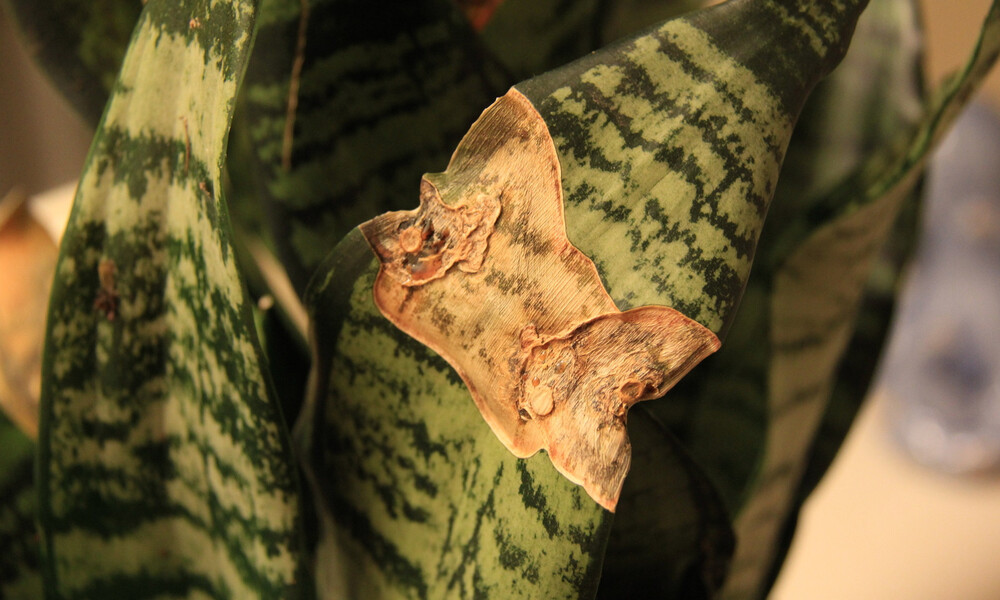
While snake plants are durable and easy to maintain, like all houseplants they can still experience problems in the care balance is lost. So, the majority are attributed to watering habits, light or environment. Recognizing these signs early helps you fix your snake plant care before it is too late.
Yellow Leaves
Is yellowing leaves caused by over watering Roots do not breathe well if the soil remains wet too long and become compromise.
In this case, you should stop watering immediately and let the soil dry completely. Make sure your pot has drainage. If referenced issue continues, reevaluate your Pothos’ environment at some point following that repotting in new soil.
Brown Tips
These brown or dry tips mainly occur when a palm plant is exposed to very dry air or irregular watering. The issue can sometimes also arise due to the use of water with a high mineral content.
You can mitigate this by keeping a consistent watering regime and not allowing your plant to go from extremely dry to extremely wet frequently. Alternatively, you may also periodically wipe the leaves to maintain their cleanliness and good health.
Soft or Mushy Roots
This is a serious problem called root rot, which is typically the result of oversaturation or poorly draining soil. The roots also form soft, dark area and cannot hold the plant anymore.
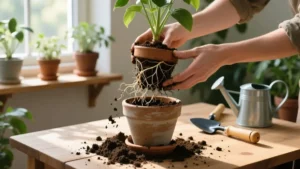
If you see this, take the plant out of the pot, and prune away any rotten roots. If that sounds like a plant, repot it in dry soil and from now on water it less. The key is to act quickly in order to save the plant.
Slow Growth
The only thing is that they are not growing it could be because they are not receiving enough light. It can tolerate low light, but growth rapidly slows down.
Transfer the plant to more light yet indirect, sun conditions – and hopefully good growth.
Drooping or Leaning Leaves
Overgrown or leaning leaves may indicate an uneven light level, while weak roots can often cause an overturned plant. If the plant is overwatered, this can also occur.
Giving the plant a rotation for balance, and changing how much you water.
Key Takeaway
Once you come to know what is causing most snake plant problems, these issues become easy to correct. One way of keeping your snake plant care working smoothly is by monitoring your plant and making small adjustments.
Propagation: Growing New Plants
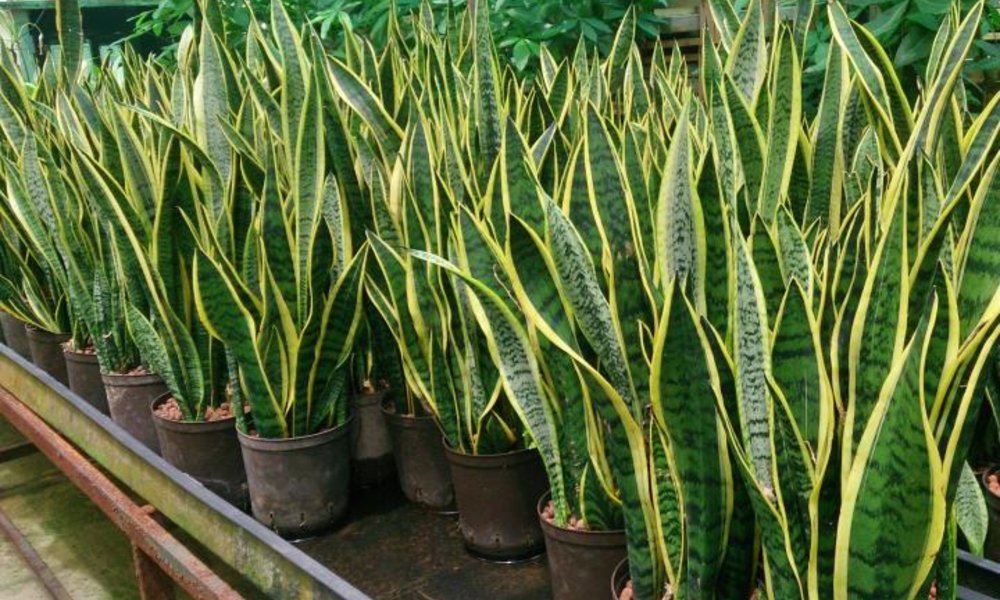
Snake plants can be propagated with ease!
You can also take a healthy leaf, cut it into sections and plant them into the soil. They will sprout new roots with time.
Another way is to section the plant at its roots. Both methods are similar and widely used in Plant Care.
Seasonal Care Guide
Your snake plant care routine should change slightly with seasons.
| Season | Care Adjustment |
| Summer | Water slightly more often |
| Winter | Reduce watering |
| Spring | Start fertilizing |
| Fall | Prepare for slower growth |
Adjusting care based on seasons is one of the most effective plant care tips.
Expert Insight
From practical experience, the biggest mistake in snake plant care is overwatering.
At peeacelily.com, we have seen that beginners often treat snake plants like regular indoor plants. When they switch to a “less water, more observation” approach, plant health improves quickly.
This aligns with general indoor gardening data, which shows that succulents and similar plants prefer dry conditions over constant moisture.
The most reliable method is simple: check the soil, observe the leaves, and adjust your routine accordingly.
Simple Snake Plant Care Routine
Here is a basic routine you can follow:
| Task | Frequency |
| Check soil | Weekly |
| Water | Every 2–3 weeks |
| Clean leaves | Monthly |
| Fertilize | Every 1–2 months |
This routine keeps your plant healthy without overcomplicating things.
Key Plant Care Tips for Snake Plants
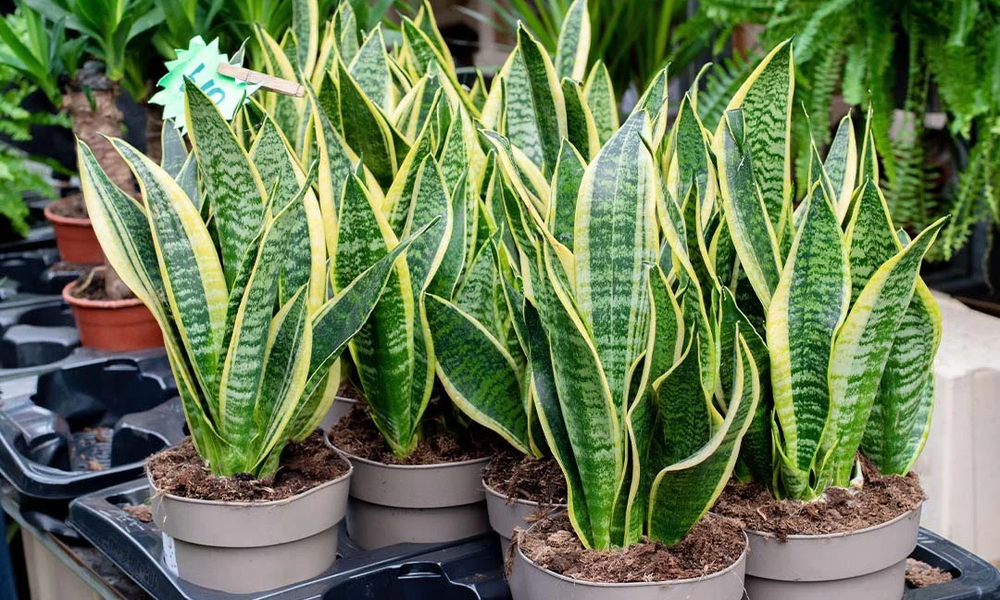
Good care does not need to be complicated. Focus on these essentials:
- Avoid overwatering
- Use well-draining soil
- Provide indirect light
- Check soil before watering
These simple plant care tips improve your overall Plant Care routine and keep your plant thriving.
Conclusion
Snake plants are one of the easiest plants to care for, but they still need the right conditions to thrive.
By following a proper snake plant care routine, including correct watering, lighting, and soil, you can keep your plant healthy for years.
Simple adjustments and consistent observation are the keys to success. With the right approach, your snake plant will not just survive, it will grow beautifully.
FAQs
1. How often should I water a snake plant?
Water every 2–3 weeks, depending on soil dryness.
2. Can snake plants grow in low light?
Yes, but they grow faster in indirect sunlight.
3. What is the biggest mistake in snake plant care?
Overwatering is the most common problem.
4. Do snake plants need fertilizer?
Only occasionally during the growing season.
5. Is snake plant good for beginners?
Yes, it is one of the easiest plants to maintain.