This all-encompassing guide to indoor plant care outlines simple, practical tips for cultivating healthy indoor plants. It’s a simple guide to light, water, soil, seasonal considerations, and troubleshooting. By following these plant care tips and with proper care, novice plant parents can avoid common pitfalls and create an indoor garden to be proud of with the help of peeacelily.com.
Houseplants can transform your home. They can refresh, relax and beautify a room. But they’re often difficult to care for. The leaves yellow, stop growing or even die.
The fact is: caring for house plants is easy when you know how. With proper light, water, soil and environment, most plants will thrive. This article provides tips for plant care, and is a comprehensive guide to houseplant care for beginners.
This peeacelily.com article aims to help you with plant care and gain the confidence to look after them in a practical manner.
What is Indoor Plant Care

Caring for indoor plants involves providing the right environment for plants to thrive indoors. Indoor plants are dependent on you.
According to current plant care research, most indoor plants like environmental stability. They can be shocked by abrupt changes in light, water and temperature. This helps avoid confusion and make informed choices.
Four Basics of Indoor Plant Care Tips
Four things are critical for all plants. Knowing these will help you care for most plants.
Light: The Driving Force Behind Growth
The most critical element of indoor plant growing is light. Light is essential for plants to make energy from photosynthesis. Too little light can result in stunted growth, yellow leaves and weakened plants.
Generally, houseplants do best in bright, indirect light. This involves putting them in a spot where they can get light but not in direct sunlight. They can get sunburnt, particularly if they are sensitive.
Plants that require low light can thrive in a dimly lit location, but will take longer to grow. If your plant isn’t growing or is tilting to one side, it may need more light.
One way to do this is to take a look at your room. If it is already light and bright, without the need for additional light, it is a good place for most plants.
Water: The Most Common Mistake Area
It sounds easy, but is the greatest cause of plant death. Most new gardeners water too much because they think plants need lots of water to grow.
Plants need water, but they also need oxygen in their roots. Wet soil prevents roots from getting air, causing root rot.
Don’t water on a schedule, check the soil. If the surface is dry, it’s time to water. If it’s not, wait. It’s better than a schedule.
Plants tell you. Wet, yellow foliage is a sign of overwatering, while floppy brown leaves mean it’s time to water. This is a crucial plant care tip.
Soil: The Invisible Support System
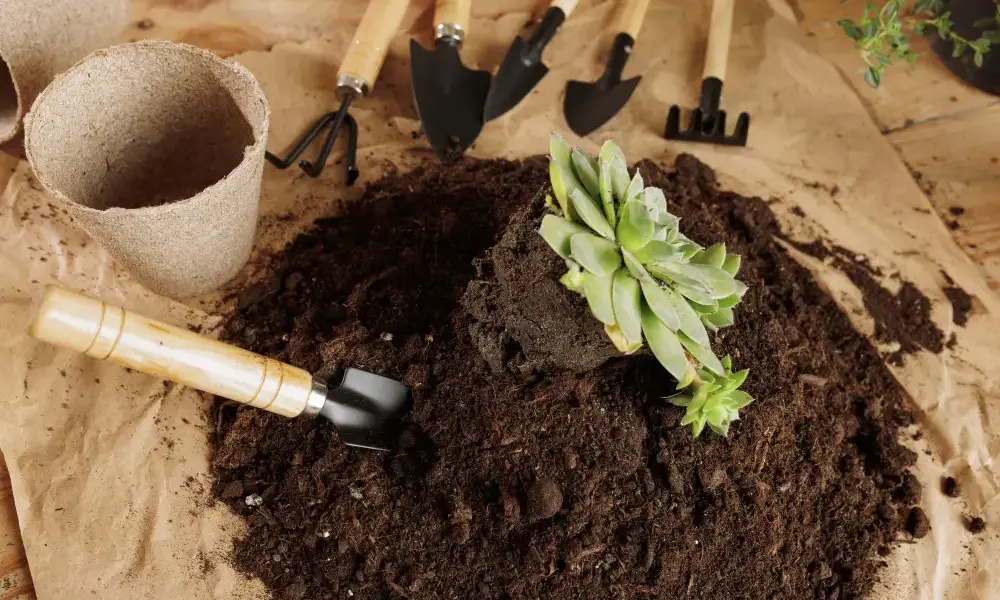
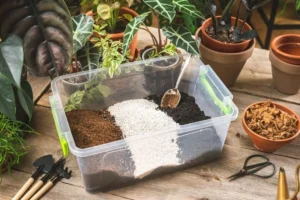
Soil is often taken for granted, but is crucial for plant health. Soil should be nutritious, well drained and support root growth.
The right soil should be loose and well-draining. It should be moist, but not too wet. If you use the wrong soil, it can hold too much water, causing rot.
Some plants may prefer certain types of soil, but in the beginning, an all-purpose indoor potting mix is suitable for most indoor plants.
Temperature and Humidity: Maintaining Stability
Indoor plants prefer stable conditions. Fluctuating temperatures can shock plants and hinder their growth.
Houseplants thrive in temperatures from 18°C to 27°C. Avoid drafts and heat sources from heaters.
Relative humidity is also important, particularly for tropical plants. Low humidity can result in brown leaf tips. A bit more humidity (by grouping plants together, for example, or by using water trays) can be beneficial.
Building a Simple Indoor Plant Care Routine
A care routine is important to keep plants healthy. Rather than once-off large tasks, check your plants often.
Each week, check the soil’s moisture and inspect the leaves. Leaves can become dusty, which prevents them from photosynthesising, so you shouldn’t neglect cleaning the leaves. Periodically moving plants helps them grow straight.
Every month, plants need fertiliser and to be checked for repotting. This avoids most problems.
It’s best to be consistent. Little effort can go a long way.
Choosing the Right Plants for Beginners
Choosing the right plant care tips are crucial. There are plants that are forgiving and easy to grow.
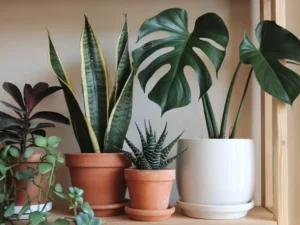
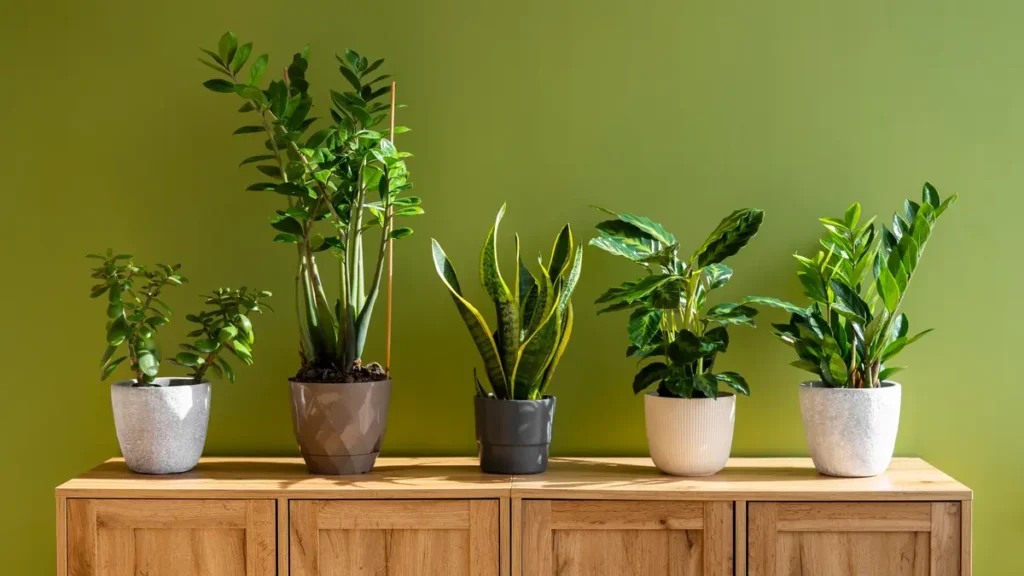
Snake plant, pothos, ZZ plant, peace lily and spider plant are good starting plants. These plants can thrive in indoor environments and are not prone to wilting.
These plants are ideal for learning and gaining confidence. Once you get the hang of it, you can progress to more delicate plants.
Common Indoor Plant Problems and Solutions
Even with good plant care tips, plants can develop problems. The key is to identify the issue early and make adjustments.
| Problem | Possible Cause | Solution |
| Yellow leaves | Overwatering | Reduce watering frequency |
| Brown leaf edges | Low humidity | Increase humidity slightly |
| Drooping leaves | Underwatering | Water thoroughly |
| Slow growth | Lack of light | Move to brighter area |
| Small pests | Poor airflow | Clean leaves and monitor |
Most plant issues are not permanent. With proper care, plants often recover over time.
Watering Techniques That Work
When it comes to watering, it’s not how often, but how you do it. Slowly water until water is lost from the bottom of the pot.
This way, all roots get watered. Always tip out extra water in the tray after watering to avoid damaging roots.
Let the soil dry out between waterings. This process ensures healthy roots and avoids water woes.
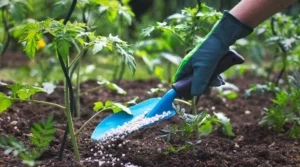
Fertilizing Indoor Plants the Right Way
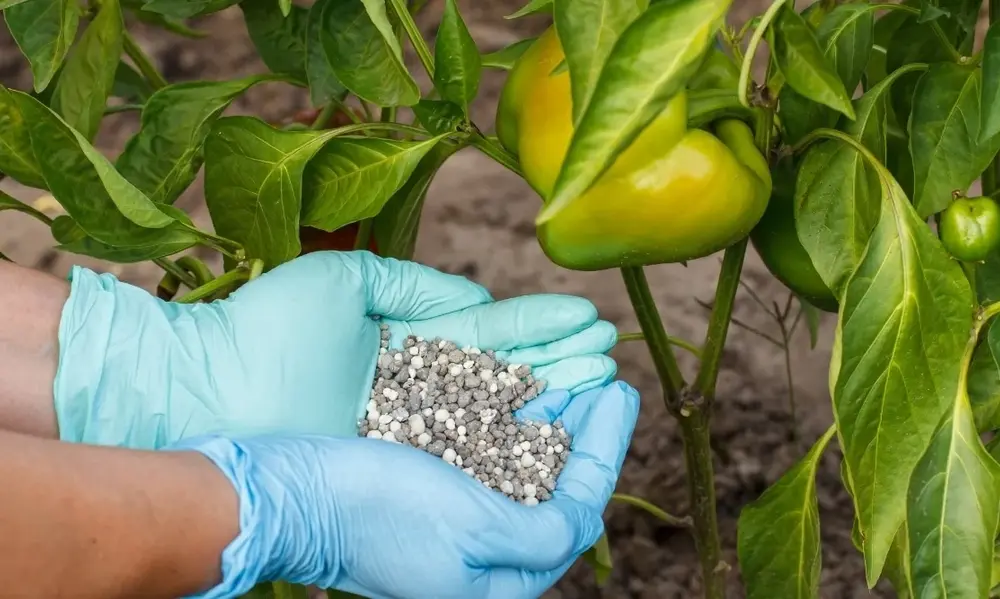
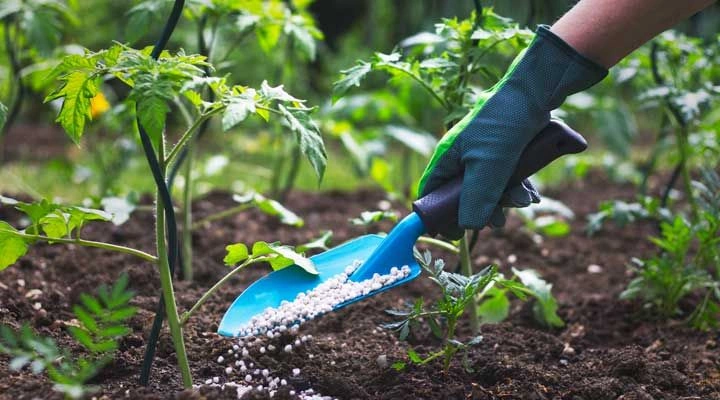
Plants need nutrients to grow and indoor plants are confined to the pot soil. They use up these nutrients.
It’s generally sufficient to use a weak fertilizer once a month. In winter, when plants grow less, less fertilizer is needed.
Plants can be damaged by too much fertilizer, so it’s better to fertilize regularly with smaller amounts than to over-fertilise.
Repotting and Plant Growth
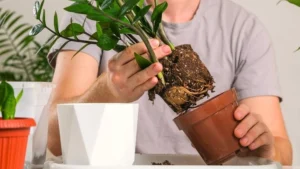
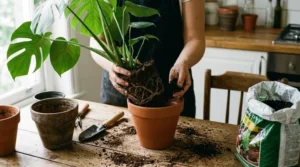
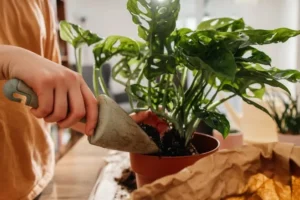
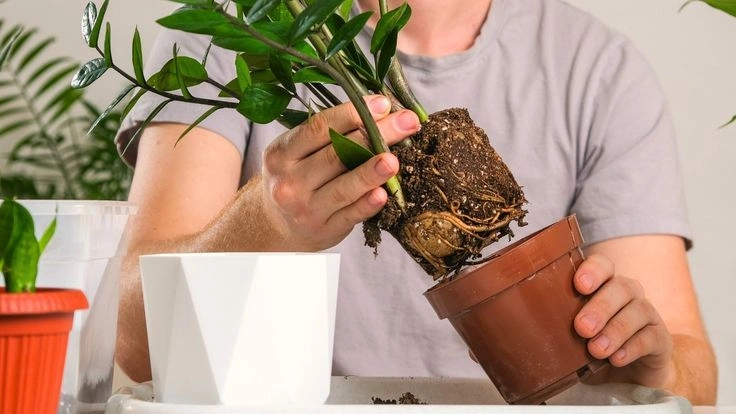
Plants grow bigger over time. Crowded roots reduce plant growth.
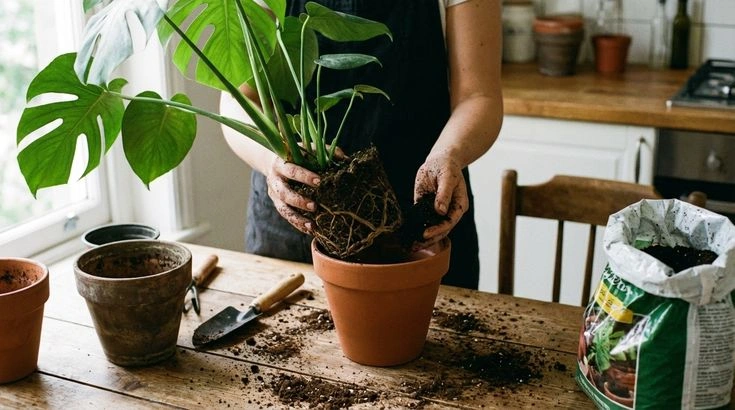
This can be seen when roots grow out of the drainage holes or the soil dries out. A larger pot provides more room for roots, enhancing growth.
New soil provides nutrients, too. It’s important to be gentle with roots.
Seasonal Changes in Indoor Plant Care
Seasonal changes affect plant growth. Tailoring your routine keeps things in check.
In summer, plants grow more rapidly and may require more water. Sunlight should be moderated to prevent sunburn.
During the winter, plants grow slowly. Plants should be watered less and fertilized less. It’s good to keep plants warm and stable.
This knowledge allows you to nurture plants year-round.
Essential Setup for Indoor Plant Care
This houseplant care guide is having the right setup makes plant care easier and more effective.
| Item Needed | Purpose |
| Pot with drainage | Prevents water buildup |
| Quality soil mix | Supports root health |
| Watering can | Allows controlled watering |
| Fertilizer | Provides nutrients |
| Spray bottle | Helps maintain humidity |
These basic tools are enough for most indoor plant setups.
Real Experience Insight
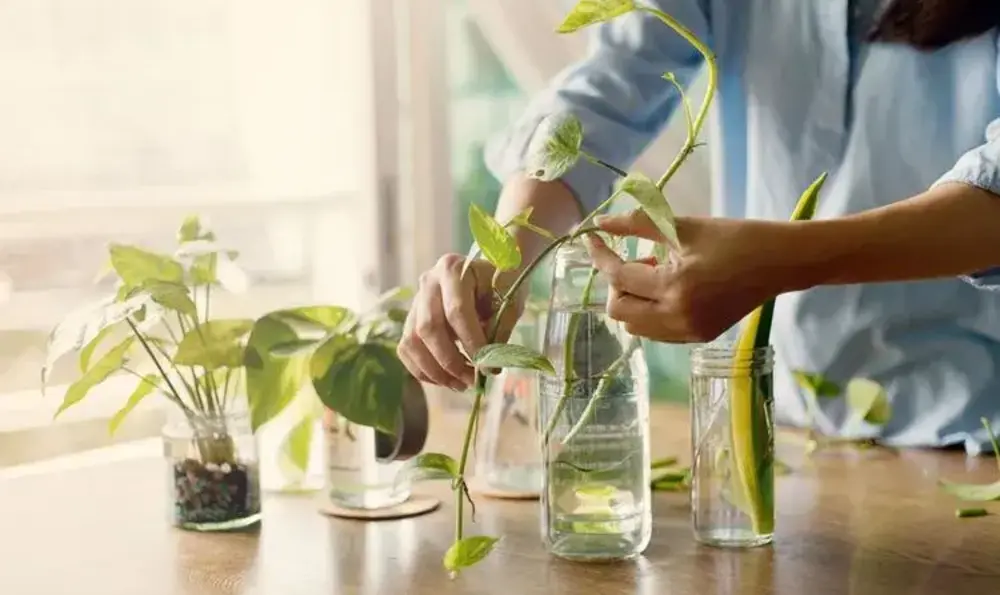
From real experience, one of the biggest mistakes beginners make is overcomplicating plant care. Plants do not need constant attention. They need stable conditions and observation.
Instead of following strict rules, it is better to watch how your plant reacts. Small adjustments based on its condition lead to better results.
Over time, you develop a natural understanding of plant behavior. This makes indoor plant care easier and more intuitive.
Building Confidence as a Plant Owner
The houseplant care guide gives confidence. Comes with experience. Starting with one or two plants is enough. As you learn, you begin to understand patterns.
You notice how plants respond to light, watering, and environment. This understanding reduces mistakes and builds confidence.
Plant care becomes less about following instructions and more about observation and balance.
Conclusion
Indoor plant care does not have to be complicated. By focusing on simple and effective plant care tips, you can grow healthy plants without stress. Light, water, soil, and consistency are the foundation of successful plant care.
This houseplant care guide shows that success comes from understanding and patience. Small adjustments and regular observation make a big difference over time.
With guidance from peeacelily.com, anyone can learn and succeed in creating a healthy indoor plant environment. With practice, caring for plants becomes a natural and enjoyable part of daily life.
FAQs
How often should I water indoor plants?
Water when the top layer of soil feels dry. Avoid fixed schedules.
Do indoor plants need sunlight?
Yes, most indoor plants need indirect sunlight to grow properly.
What is the easiest indoor plant to care for?
Snake plant and pothos are among the easiest options for beginners.
How do I know if my plant is overwatered?
Yellow leaves and soggy soil are common signs of overwatering.
Is fertilizer necessary for indoor plants?
Yes, but it should be used in small amounts and not too frequently.