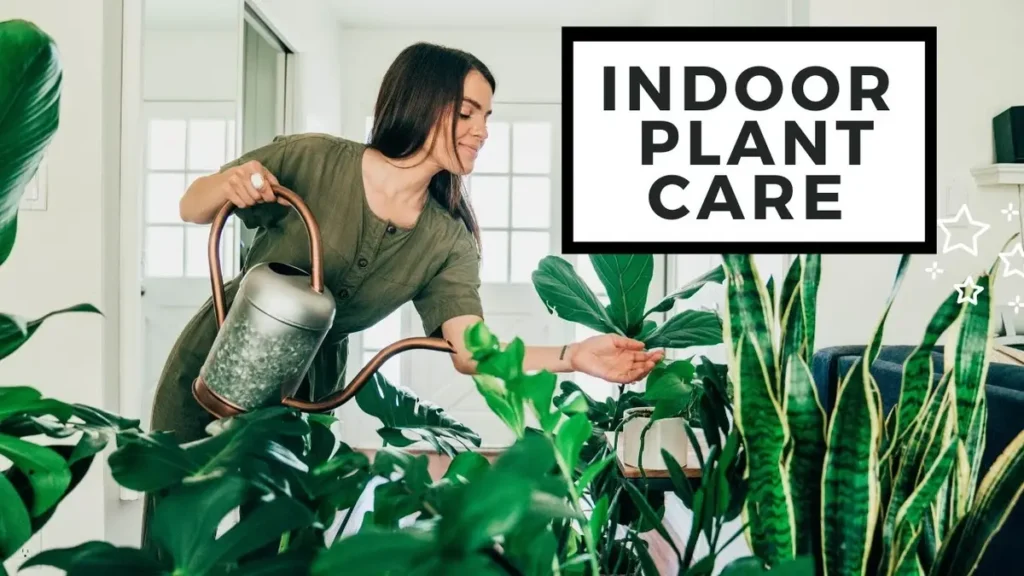
An easy-to-understand guide on how to take care of plants to keep your indoor plants healthy. It includes simple guidelines for light, water, soil, and maintenance. By following plant care tips, you can be a successful indoor gardener. Discover tips from peeacelily.com to help prevent mistakes and create a successful indoor garden.
Houseplants can transform the look and feel of your home, instantly adding a touch of freshness, peace and energy. However, many new plant owners struggle because it’s hard for plants to thrive. Their leaves turn yellow, they stop growing, or, worse, they die.
It’s not bad luck, it’s ignorance. This comprehensive guide to plant care tips offers basic, useful tips for beginners. With a basic knowledge of light, water, soil, and climate, caring for houseplants is a simple and fun activity.
Following the principles will ensure your plants not only live but thrive. This peeacelily.com article aims to boost your confidence and create a practical routine.
Why Indoor Plant Care Feels Difficult at First
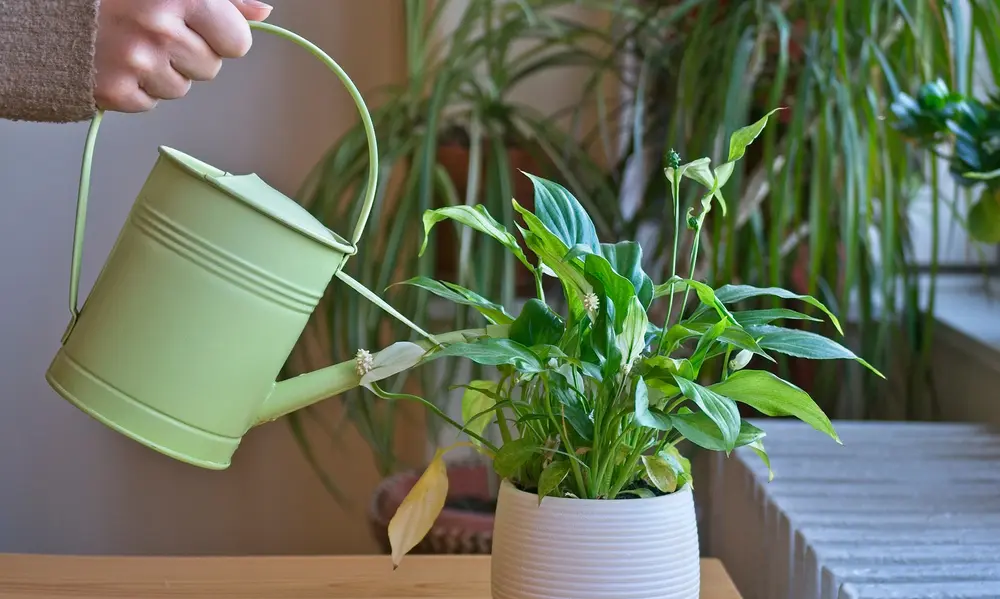
The reason most people feel it is hard to care for plants is that there’s too much information on the internet. Some recommend watering every day, others every week. Some recommend light, others don’t. This results in errors.
The reality is simple. Plants react to their surroundings. But if you understand the signals your plant is sending (not the rules) it becomes straightforward. Plants communicate to you through the leaves, soil and their growth. Once you know what they are saying, you don’t have to guess.
The Core of Plant Care Tips
The houseplant care guide says plants and balance are a match made in heaven. If you have too much or too little of anything, it can damage your plant. The key factors that influence plant growth are light, water, soil, and environment.
Light: The Energy Source of Plants
Light is the most important factor in plant growth. Light is essential for plants to produce energy. Even with good watering and fertilizing, it won’t thrive.
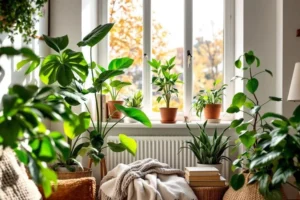
Indoor plants typically need a light, indirect light. This is where the sun shines in but does not directly shine on the leaves. Too much sunlight scorches leaves, while insufficient light will cause a plant to grow more slowly.
You can get a good indication of light levels by looking at your room during the day. If it is sunny and you can read with the lights off, it’s good for most houseplants.
Water: The Most Misunderstood Factor
Water is the most common problem. Most common is watering too much. People often think plants need water frequently, but watering plants is needed only when the soil is dry.
Rather than a routine, plants need to be checked. If it is dry, water the plant. If it is still damp, wait until it dries out. Plants can be overwatered, causing root rot, one of the primary causes of plant death.
Underwatering also occurs, but is less frequent. Wilted and dry leaves can be a sign that the plant is thirsty. This is one of the essential plant care tips.
Soil: The Hidden Support System
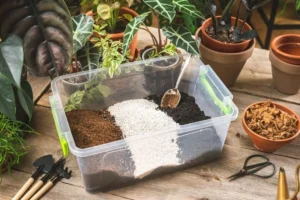
Soil is overlooked, but it is vital to plant growth. Healthy soil supports, nourishes and drains well. But bad soil is too wet and prevents air circulation.
The ideal soil mix should be light and fluffy. It should hold water (but not too much water). The correct soil mix will avoid many common plant problems.
Temperature and Humidity
Most house plants enjoy the same conditions as humans when it comes to temperature. Plants can be sensitive to temperature fluctuations.
Plants also need the right humidity. Houseplants often originate in tropical climates and like higher humidity. Brown leaf tips can occur when it is too dry.
Avoid placing plants near heat and cold drafts.
Creating a Simple Plant Care Routine
Being organised helps care for plants. Rather than tackling everything in one go, it’s easier to manage by doing smaller tasks throughout the day.
Every week, it’s sufficient to check the soil moisture and inspect the leaves. Dusting leaves helps them absorb more sunlight and stays healthy. Periodically rotating plants promotes uniform growth.
Every month, you can fertilize and repot the plant if needed. This is good practice for most new growers to avoid problems.
Choosing the Right Plants as a Beginner
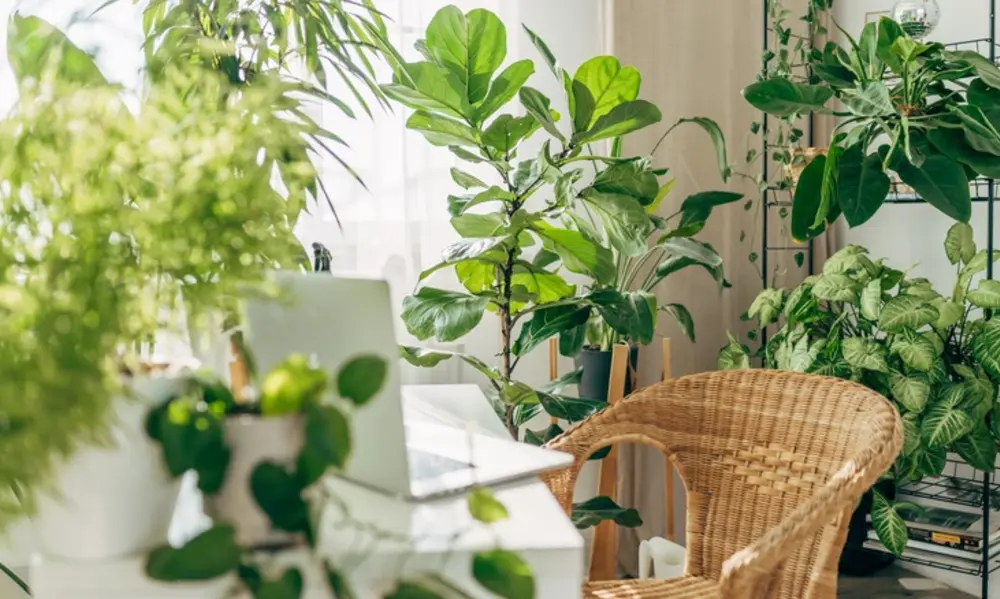
Starting with easy plants builds confidence. Some plants are naturally more forgiving and adapt well to indoor conditions.
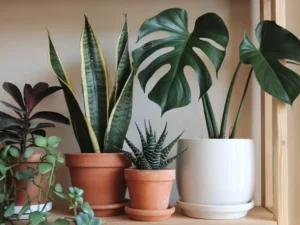
Plants like snake plant, pothos, ZZ plant, peace lily, and spider plant are excellent choices. These plants can tolerate minor mistakes and still grow well. Choosing the right plant reduces stress and increases success.
Common Problems in Indoor Plant Care
In the houseplant care guide, when you follow a good routine, problems can still occur. The key is to identify them early and take action.
| Problem | Possible Cause | Solution |
| Yellow leaves | Too much water | Reduce watering frequency |
| Brown edges | Low humidity | Increase moisture in air |
| Drooping plant | Lack of water | Water properly |
| Slow growth | Not enough light | Move to brighter area |
| Small insects | Poor plant hygiene | Clean leaves and monitor |
These issues are common and usually easy to fix once you understand the cause.
Watering Technique That Actually Works
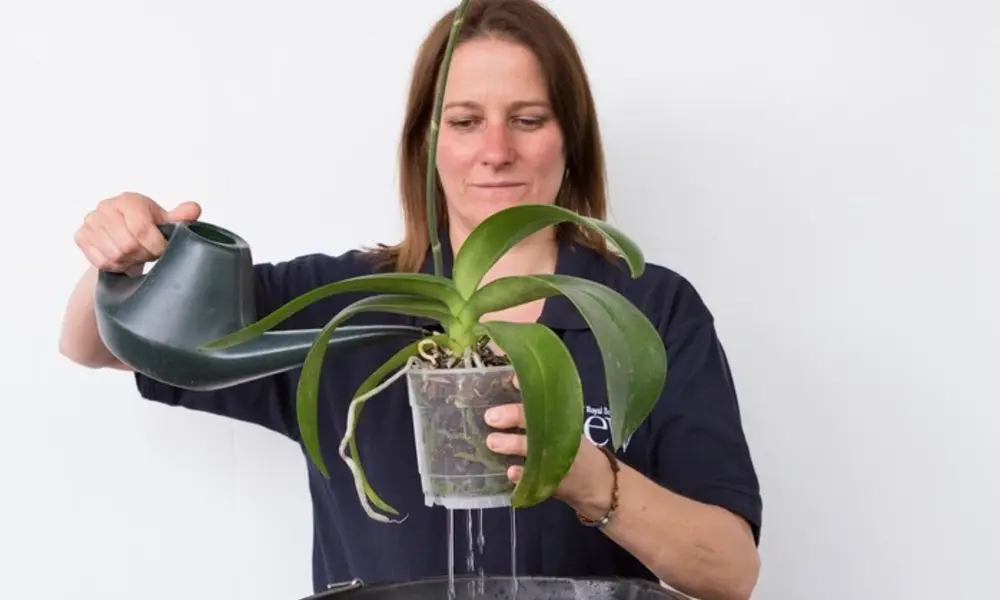
Watering properly is not about quantity but method. The best way is to water slowly until excess water drains out from the bottom of the pot. This ensures the entire root system gets moisture.
After watering, any extra water in the tray should be removed. Letting water sit at the bottom can damage roots. Always allow the soil to dry slightly before the next watering session.
This method works for most plants and is one of the most reliable indoor plant care practices.
Fertilizing Without Overdoing It
Plants need nutrients to grow, especially when kept in pots. Over time, soil loses its nutrients, so fertilizing becomes necessary.
Using a mild liquid fertilizer once a month is usually enough. Too much fertilizer can harm the plant by damaging roots. During colder months, plants grow slowly, so fertilizing can be reduced.
Balanced feeding supports steady growth without causing stress.
Repotting and Plant Growth
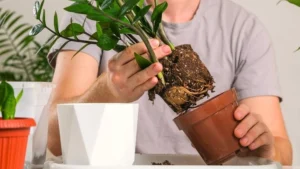
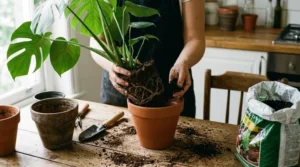
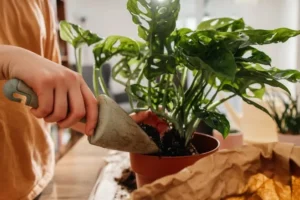
Repotting is an important part of plant care as plants grow over time. When roots run out of space, growth slows down.
Signs that a plant needs repotting include roots coming out of drainage holes or soil drying too quickly. Moving the plant to a slightly larger pot with fresh soil gives it more room to grow.
Repotting should be done carefully to avoid damaging roots. After repotting, watering helps the plant adjust to its new environment.
Seasonal Changes in Indoor Plant Care
Plants behave differently depending on the season. Adjusting care according to weather improves plant health.
In summer, plants grow faster and need more water. Strong sunlight should be managed to avoid leaf damage. In winter, growth slows down, so watering and fertilizing should be reduced.
Understanding seasonal changes helps maintain balance throughout the year.
Essential Setup for Beginners
| Item Needed | Purpose |
| Pot with drainage | Prevents water buildup |
| Good soil mix | Supports healthy roots |
| Watering can | Allows controlled watering |
| Fertilizer | Provides nutrients |
| Spray bottle | Helps maintain humidity |
Having the right setup makes plant care easier and more effective.
Real Experience Insight
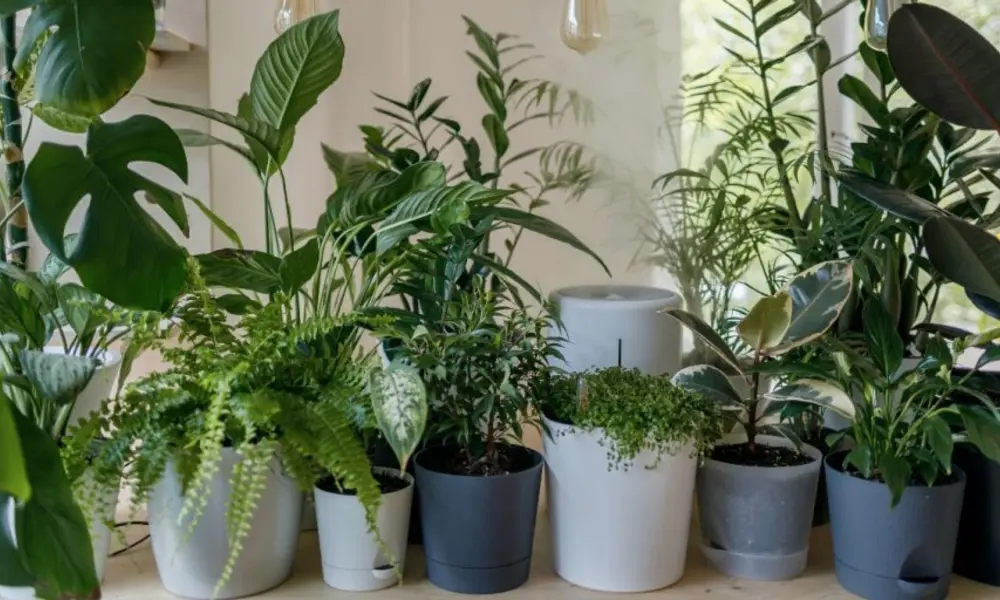
From personal experience, the only mistake new plant parents make is overdoing it. Plants don’t need to be fussed over. They need stable conditions.
It’s better to check your plant than rely on rules. Tweaks, according to how the plant responds, help achieve success. You begin to understand plants, making it more intuitive and fun.
These plant care tips are key to success.
Conclusion
Plant care tips don’t have to be difficult. By following basic plant care do’s and don’ts, you will avoid pitfalls and successfully grow your plants. Sunlight, water, potting mix and consistency are the keys to growing healthy houseplants.
The houseplant care guide: take it slowly, monitor your plants, and make adjustments. With practice, indoor plant care will become instinctive. With tips from peeacelily.com, anyone can create a stunning, vibrant indoor plant garden.
FAQs
When do I water my indoor plant?
It depends on the dryness of the soil. It’s best to wait until the soil is dry.
What plant is easiest to care for?
Snake plant and pothos are two of the easiest and hardiest indoor plants.
Do indoor plants need sunlight?
Generally, indoor plants require indirect sunlight.
How can I tell if my plant is overwatered?
Overwatered plants have yellow leaves and wet soil.
Do indoor plants need fertilizer?
Yes, but only a little and not often.