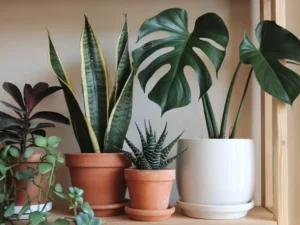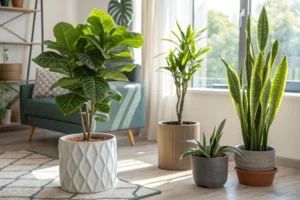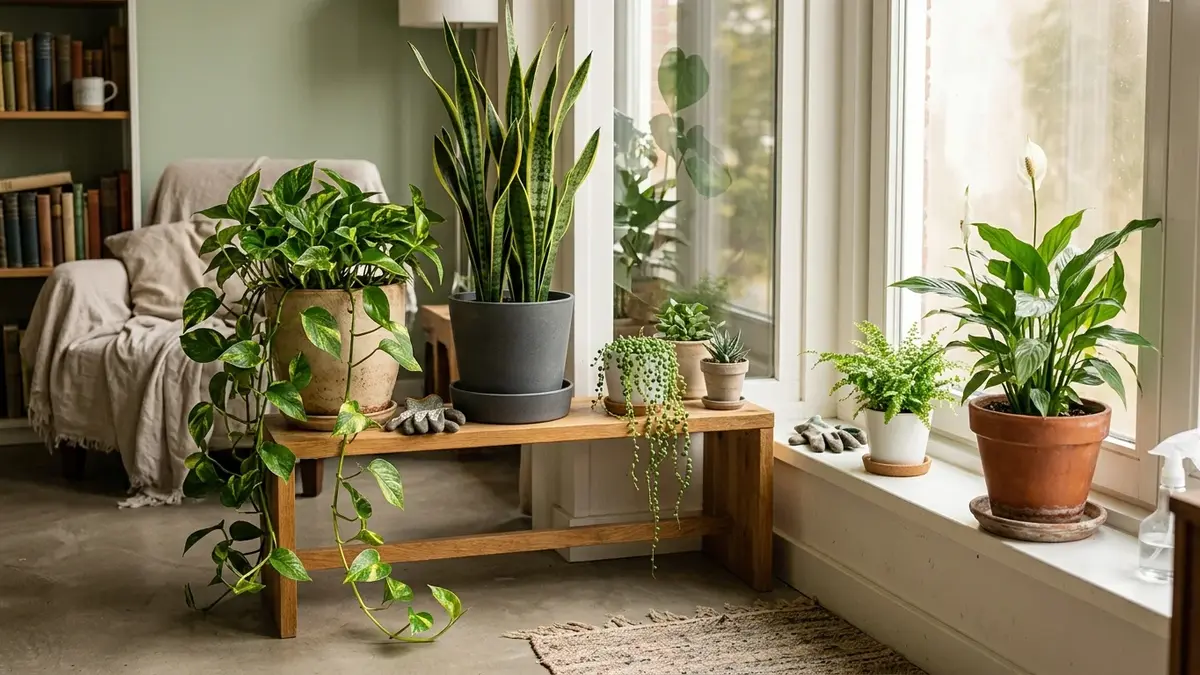
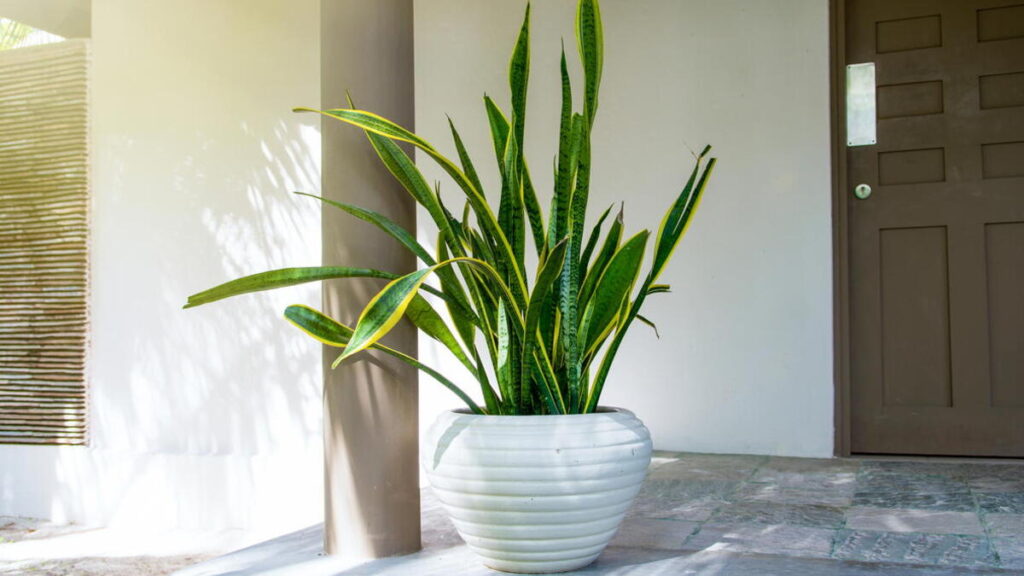
The first-time plant owner might be confused by all the advice on plant care. Still, there is nothing to fret about, though, as the snake plant is the best place to start to build confidence!
It is a low-care, low-maintenance, hardy plant that would be perfect for someone who wants to incorporate some greenery into their home without worrying about ongoing care.
Snake plants (Sansevieria) are also commonly called Sansevieria and are popular for their eye-catching, even upright leaves and their ability to survive harsh conditions. If you want a deeper overview beyond this beginner guide, you can explore our complete snake plant care guide for more detailed maintenance tips.
The snake plant routine is easy-going and entry-level-friendly, whether you are in a dim apartment, a hectic office, or simply just trying to get going with a simple plant.
Now it is time to explore the guide snake plant for beginners, to have your new favorite plant happy and healthy!
Why Snake Plants Are The Ideal Choice for a Beginner
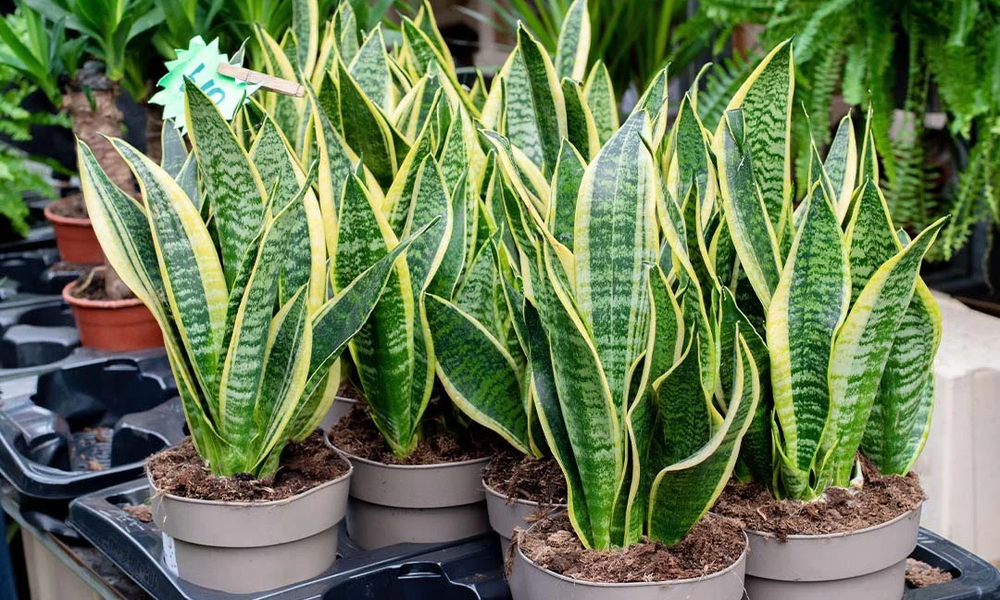
The snake plant is regarded as a good starter houseplant for beginners.
Why?
There are some reasons why this plant is so popular, but there are a few important ones:
- Low maintenance: Snake plants do not need constant care.
- Drought-tolerant: They do not need to be watered constantly, which is a blessing for new parents with plants!
- Resistant to low light: Snake plants can be placed in areas where other plants would not thrive, making them suitable for low-light rooms or workstations.
- Purifying air: They look really good and can also improve air quality by removing toxins from the atmosphere.
That’s why they are often listed among the best low light plants for apartments and office spaces.
All these reasons make snake plants the best starter plant. In fact, they are commonly recommended as one of the top indoor plants that are hard to kill for complete beginners. They will grow even without you being quite certain of every particular in plant care, and will give you a splendid feeling of achievement in their growing strong and healthy.
Snake Plant Care: How to Successfully Nurture Snake Plants
Now is the time to discuss how to keep your snake plant healthy and happy in your home.
Light: Low Light Is Not an Issue
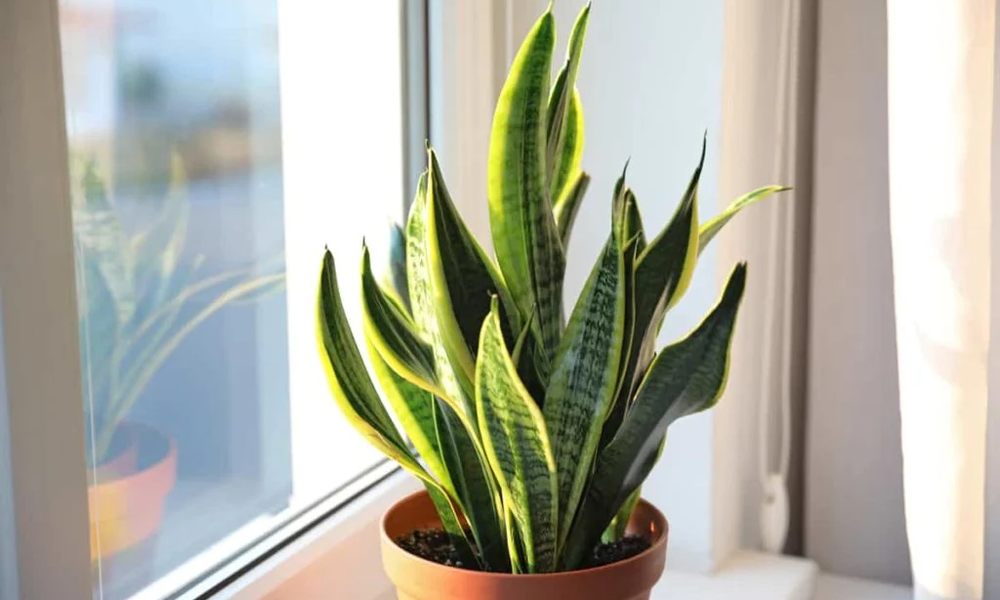
Snake plant care is one of the best things because they are highly resistant to low light. They like indirect sunlight but can also work in areas with very little natural light, making them ideal for rooms without sunlight.
Nevertheless, when you are able to keep your snake plant in the sun indirectly, this plant will have strong growth. Ideally, the windows should face south or west, and even if you have a north-facing window, your plant will be fine.
Hack: In case you are installing your snake plant in a fairly dark room, there is nothing to worry about. It can even endure artificial light.
Watering: Less is More
One of the most common mistakes new houseplant owners make is overwatering; luckily, the snake plant does not require extra watering. Snake plants are drought-resistant and can go long periods without water. Actually, they should be underwater rather than overwatered.
When to water, all you need to do is test the soil. When the surface 2-3 inches appears dry, then it is time to water. Further cutting back on watering is possible during the winter, when the plant is dormant. Learning proper watering techniques can prevent common beginner mistakes like root rot.
Note: Use a pot with good drainage to prevent stagnant water, which can cause root rot.
Soil: Be Sure It Drains Well
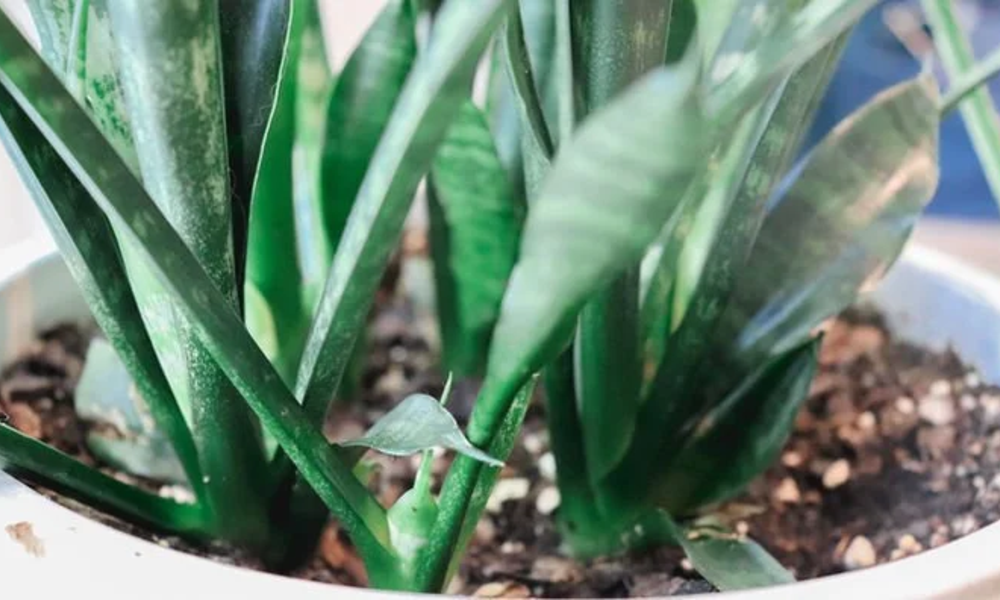
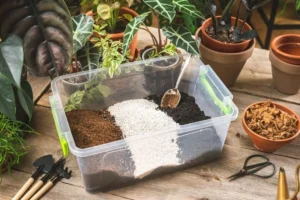
The snake plant is not finicky about soil, but it does require well-draining soil. You can use an ordinary houseplant potting mix, though a little sand or perlite can enhance it, improving drainage and keeping the roots out of water longer.
Tip: The soil should not retain moisture. You do not want your plant to be overly damp from frequent watering. If you decide to feed your plant, choose the right fertilizer for snake plants to avoid overfeeding.
Temperature: It Has to Be Warm (Not to be Too Hot)
Snake plants are tropical and thus thrive in warm temperatures, but not high ones. The snake plant should be kept in an environment with temperatures between 60 o F and 85 o F (15 o C and 29 o C). It should not be placed near cold drafts, air conditioners, or heaters, as it may be subjected to sudden temperature changes.
Hint: Snake plants are contented both under cool and warm climatic conditions, but they cannot tolerate freezing conditions.
Solving Problems in Snake Plant
Even though plants may run into problems. Fortunately, snake plants are very tolerant, and most problems can be easily corrected.
Yellow Leaves
In case of leaf yellowing, it may be due to overwatering. Snake plants can develop root rot if their soil stays too wet. To prevent this, ensure the soil is dry before watering. If damage has already occurred, our guide on how to save a dying plant can help you revive it step by step.
Solution: Reduce watering and allow the soil to dry before watering again. If the yellowing worsens further, verify the presence of root rot and remove it.
Brown Tips on Leaves
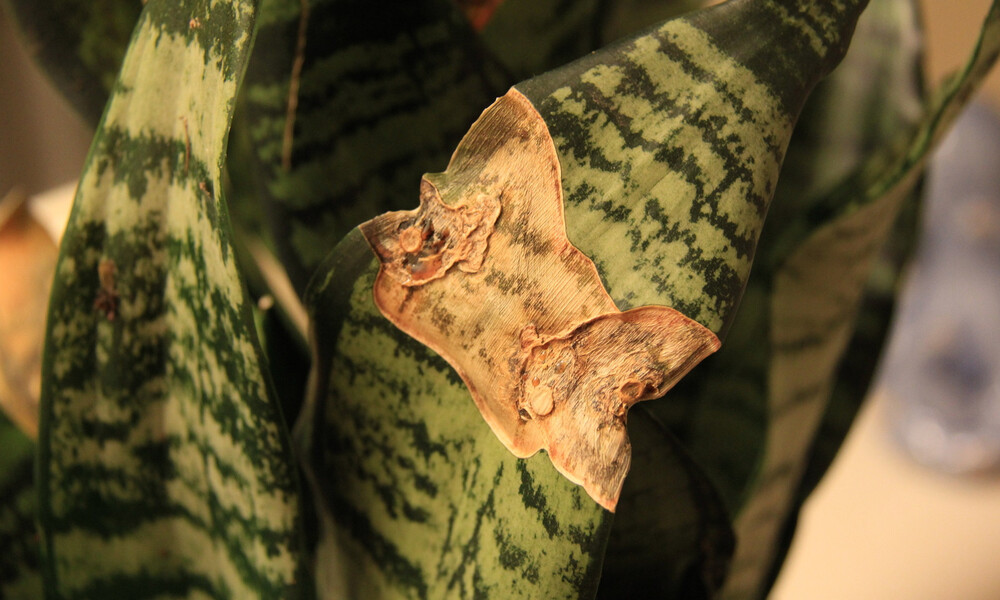
The tips of the brown leaf are typical and may be caused by a number of factors, including a lack of humidity or mineral deposits in tap water.
Resolution: To prevent fluoride accumulation, use filtered or distilled water. If your environment is dry, spray the leaves occasionally or place the plant on a humidity tray.
Stretching Growth
This is because when your snake plant begins to appear stretched or leggy, it is most likely not receiving enough light. Snake plants require some indirect sunlight to continue growing.
Problem: Light- Our plant needs to be relocated to a sunny area with indirect light, or a grow light should be used.
Why Snake Plants are some of the Favorite Low Light Plants
The snake plant is one of the best choices if you are looking for a low-light plant. It is highly flexible and can be cultivated in rooms with little light. This is perfect in such places as:
- Artificially-lit offices.
- Little sun with apartments.
- Bedrooms with low light
Snake plants can also grow in these conditions and are ideal for areas that receive less natural light.
Snake Plant Care for Beginners: What to Expect Over Time
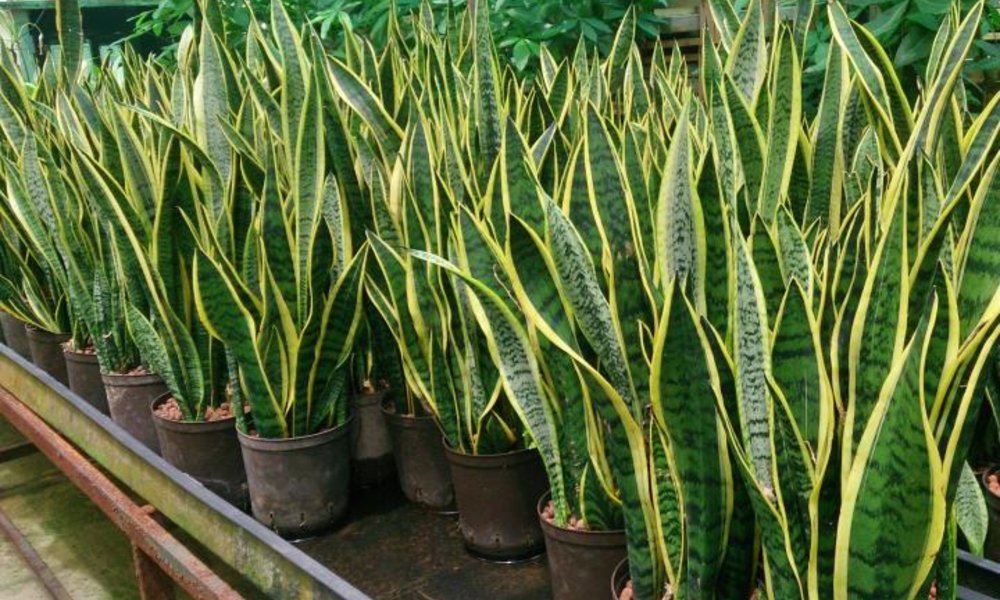
The snake plant is one of the most desirable plants for beginners, as it grows slowly yet consistently. This will ensure that it does not occupy its space too fast, thus fitting well in small apartments or office desks. Unlike many fast growing indoor plants, snake plants develop slowly and steadily, making them easier to manage long term.
Here’s what you can expect from your snake plant over time:
| Timeframe | Growth Stage |
| First 6 months | Slow growth, root establishment |
| 1-2 years | Gradual increase in height and leaf number |
| 2+ years | Full, mature plant with multiple stems |
Snake plants are highly undemanding and, when well cared for, can last a long time, making excellent long-term friends.
Conclusion
The snake plant is the ideal choice for a first-time plant parent. It is easy to maintain, tolerant, and can be grown under many conditions, making it the best choice for confidence in your plant care routine.
Keep in mind: you do not have to make snake plant care complicated. All you need is the right level of light, water, and a certain amount of patience, and your snake plant will give you a reward of beautiful and graceful greenery. As a novice houseplant, it is an ideal place to begin your career in plant care! Contact Us for more!
FAQs
Do snake plants like to be touched?
The only thing the snake plant doesn’t like is when you touch its sharp tip. If you break the tip of the Sansevieria, it will stop growing – kinda like when you cut a leaf of Aloe Vera. Snake Plant can survive in basically any corner of your home.
How to make a snake plant happy?
- More sunlight is better, but anything is fine.
- Keep your snake plant in a warm spot, ideally above 10°C.
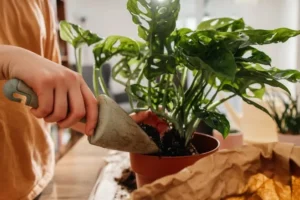
- Repot in spring, if needed, using houseplant compost.
- Wipe the leaves once in a while with a clean, damp cloth.
- Feed with liquid fertiliser once a month in spring and summer.
Why add milk to snake plant?
Yes, watering snake plants with milk can provide some benefits, but it’s not a replacement for fresh water. Milk contains calcium and trace amounts of nitrogen, which can be beneficial for plants. However, using too much milk can damage plants