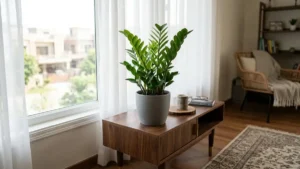
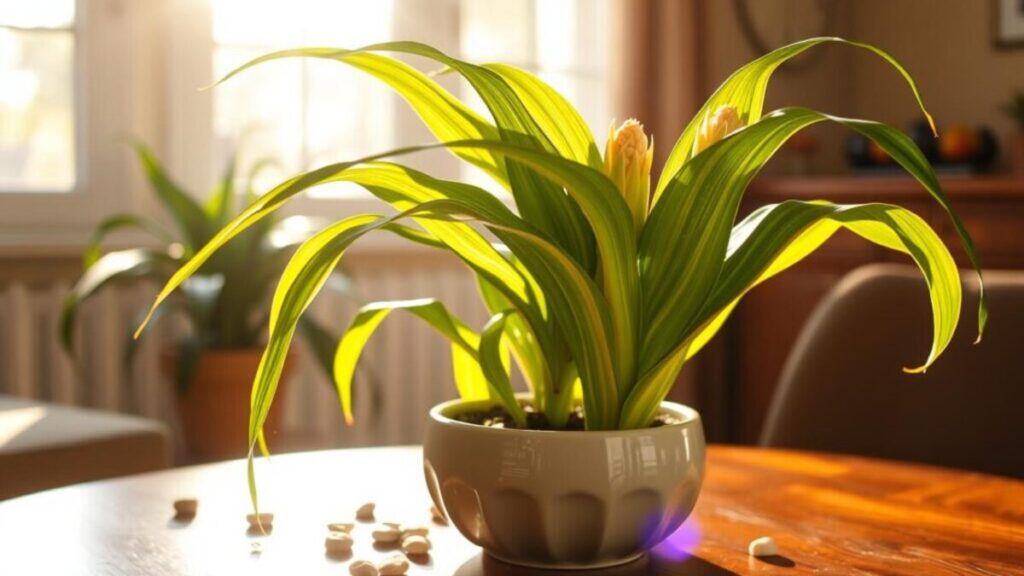
A corn plant is one of the intelligent plants that can be chosen if you have an office or workspace and want greenery that will impress people out of the ordinary, yet does not require any daily care.
Dracaena fragrans is a plant with the scientific name Dracaena fragrans, known for its tall, cane-like stems and glossy, arching leaves. Corn plants can also last several years in the workplace with appropriate maintenance and nurturing techniques that are not very time- or labor-intensive.
Owners of office plants are usually seeking plants that can withstand artificial lighting, temperature regulation, and some neglect. This category is ideal for corn plants. Dracaena care is very easy because they are very adaptable and resilient compared to other tropical plants. Properly cared for, they are among the most dependable low-light plants in offices and business areas. If you want a deeper understanding of maintenance routines and long-term growth strategies, this detailed Dracaena plant care guide explains everything step by step.
Let’s dive in to get all the information on corn plant care.
Why Corn Plants Are Perfect Low-Maintenance Office Plants
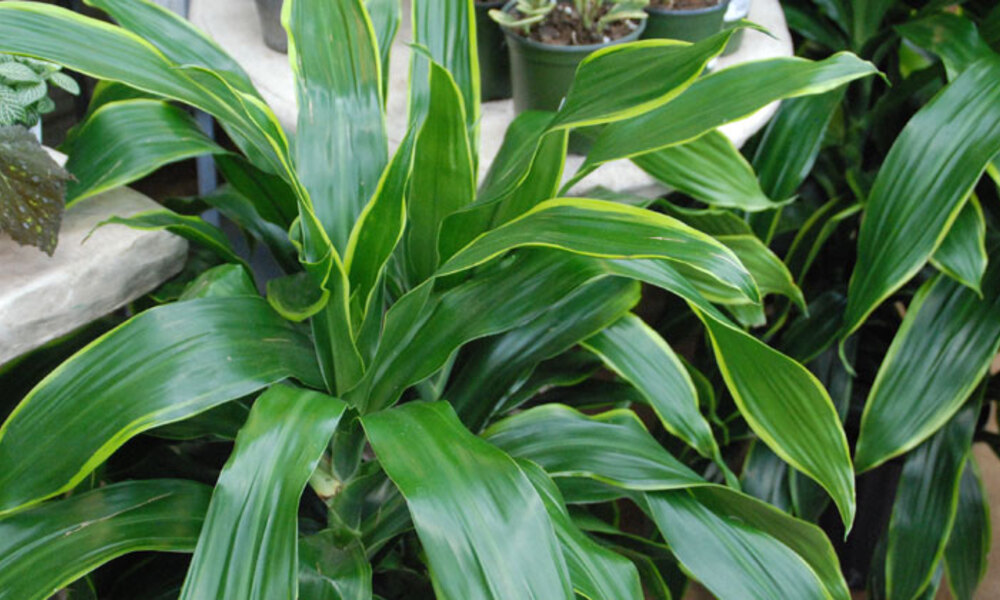
Common indoor trees include low-maintenance corn plants. Corn plants can withstand small deviations, whereas plants that need to be sprayed regularly or have a specific watering routine cannot. They are also visually effective, as their natural form does not require pruning, which is often needed in gardens.
A significant benefit is that they can fit the light in the office. Most working environments lack adequate natural light, but corn plants are still considered excellent low-light plants. You can also explore more varieties of low-light plants that thrive in offices and shaded indoor spaces. They can grow steadily under fluorescent or indirect light.
Also, they develop slowly. The result of this slow growth is that the repotting and overall trimming requirements are reduced over time, making long-term care of the corn plants viable and easy to maintain.
Know Dacaena Care Essentials
Balance is essential to keeping the dracaena healthy. Plants of corn do not like fluctuating conditions but stable ones. They were found in tropical Africa, where they are planted under taller trees, receiving filtered light and permanent warmth. This is the natural environment that makes them fit in well in occupational offices.
To ensure good care of the corn plants, it is important to consider the following four pillars:
- Balanced light exposure
- Controlled watering
- Well-draining soil
- Stable indoor temperatures
These factors make corn plants respond well to proper maintenance, resulting in strong growth and healthy foliage. For broader indoor greenery maintenance principles, reviewing general foliage plant care practices can further improve your plant’s resilience.
Light Demands: Growing in Low Light Plants
These are among the most dependable low-light plants, though awareness of their light preferences enhances long-term performance.
They are fond of indirect and bright sunshine. They, however, can withstand moderate light, including office lighting. They do not have time to stand the intolerable heat of the scorching sun.
For optimal growth:
When possible, keep the plant near a window with filtered light. If that is not available, regular household light will also facilitate survival. It is occasionally helpful to rotate the plant to ensure even growth and prevent it from leaning toward a single light source.
Darkness could retard growth a little, but it can hardly damage the plant. Understanding proper plant light requirements helps prevent slow growth and uneven leaf development. This is one of the main reasons why caring for corn plants is considered beginner-friendly.
Watering of Corn Plants: Avoiding the Most Common Error
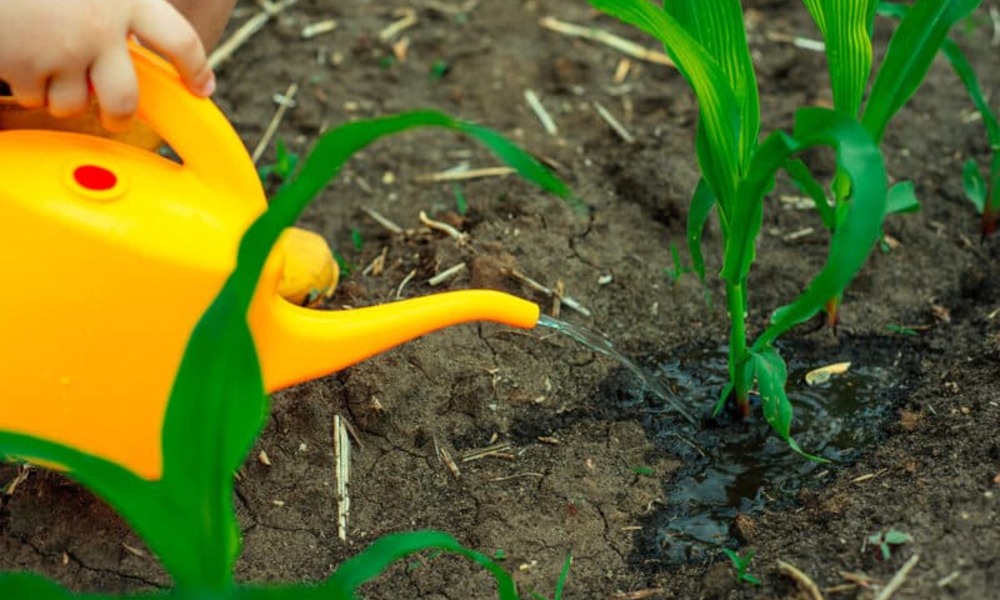
There is no more important element of maintaining the health of plants than the corn plant. There are more problems caused by overwatering than by underwatering.
Corn plants like soil that dries between watering. They do not enjoy sitting in the constantly wet soil.
How Often Should You Water?
Watering at least twice a month is sufficient in most office environments. Nonetheless, the appropriate schedule depends on the room temperature, the pot size, and the humidity.
It is always important to ensure that the top 12 inches of soil are dry before watering. This is an easy practice that will help prevent root rot and make treating corn plants more manageable. Following proven watering techniques for indoor plants ensures you avoid the most common overwatering mistakes.
In cold seasons, watering should always be less frequent. During the fall and winter, growth is slow, indicating that the plant does not need much moisture.
Signs of Improper Corn Plant Watering
Being aware of early warning signs helps prevent long-term damage.
| Symptom | Likely Cause | Recommended Adjustment |
| Yellow lower leaves | Overwatering | Allow the soil to dry fully |
| Brown leaf tips | Mineral buildup or dry air | Use filtered water |
| Wilting leaves | Underwatering | Water thoroughly |
| Soft or mushy stem | Root rot | Improve drainage immediately |
Balanced corn plant watering supports root health and long-term stability.
Soil and Drainage: The Foundation of Healthy Roots
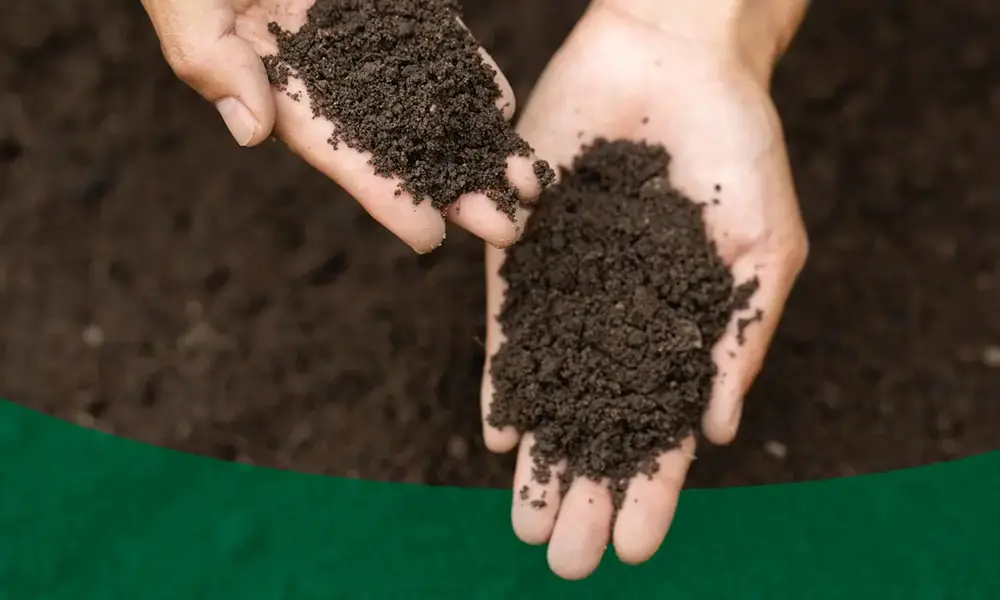
Effective care of Dracaena starts with healthy roots. Corn plants are known to be sensitive to soil with good drainage and enough moisture to enable growth.
Indoor potting mix is best when high-quality. Make sure the pot has drainage holes so it does not fill with water.
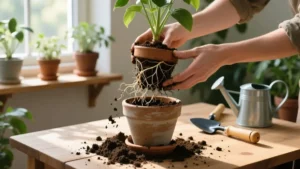
It is important to repot all the plants 2 to 3 times every 2-3 years to renew nutrients and provide room for the roots. Corn plants grow slowly and therefore do not need to be repotted frequently.
Effective soil management leads to significant reductions in care problems. Choosing the right indoor plant soil mixture further strengthens root systems and supports long-term plant health.
Temperature and Office Climate Considerations
Corns can grow well at room temperatures of 18 to 27 C. The natural ranges of most office settings fall within this range, and thus, these settings are suitable for the long-term care of corn plants.
Avoid placing the plant near:
- Air conditioning vents
- Heating systems
- Cold drafts from entryways
Sharp changes in temperature may cause stress and leaf loss. Stability is key.
Humidity and Air Quality
The average indoor humidity is tolerable for corn plants. They also do not need to be regularly watered, unlike other plants in tropical climates.
Nonetheless, very dry air can cause brown leaf tips. Wiping leaves with a wet cloth or occasionally spraying here and there will be useful in such cases.
The majority of office plant owners do not need any special humidity settings, which corroborates the reason corn plants are regarded as low-light plants that are easy to care for.
Fertilizing: Supporting Growth Without Overdoing It
Corn plants are light feeders. When spring and summer come, one will only need to use a balanced liquid fertilizer every 46 weeks.
Avoid overfertilizing. Oversupply of nutrients may cause leaf damage and root stress.
Stop growth – freeze at fall and winter when growth is slow. With such an easy fertilizing schedule, Dracaena maintenance is easy and effective. To understand proper feeding cycles and nutrient balance, review this complete fertilization and nutrients guide for indoor plants.
Pruning and Maintenance for a Clean Office Look

These plants are not pruned a lot. Remove the withering or rotting leaves to keep the surface clean.
Occasional cleaning activities eliminate dust accumulation and enhance light absorption. Leaves with dust could look gray and prevent photosynthesis.
When the plant is too tall, it is possible to trim the cane, and the plant will grow below the cut. This has the capacity to give a rounder look in the long run.
Common Problems and How to Prevent Them
Examples of Usual problems and their prevention.
Plants with substantial light tolerance sometimes have problems.
Black tips on brown leaves are usually caused by dry air or by mineral deposits in tap water. Replacing the water with filtered water is beneficial.
Yellow leaves usually indicate excessive watering. Modify the schedule of watering immediately.
Very low light conditions may result in slow light growth. The more that the plant is shifted towards indirect light, the better the development.
The majority of the issues can be avoided through regular attention to corn plants. If you want to diagnose recurring problems more effectively, understanding why indoor plants die can help you prevent future damage.
Growth Expectations: What Office Owners Should Know
Corn plants grow gradually. This controlled growth makes them perfect for office environments where oversized plants can become inconvenient.
Typical growth progression:
| Time Frame | Growth Stage |
| First year | Root establishment and steady leaf growth |
| 1–3 years | Noticeable vertical development |
| 3–5 years | Mature, structured indoor plant |
| 5+ years | Long-term stable growth |
With proper dracaena care, corn plants can thrive for over a decade indoors.
Why Corn Plants Remain Top Choices Among Low-Light Plants
The owners of office plants are usually more concerned with simplicity and trustworthiness. Corn plants offer:
- Extremely low-light adaptive ability.
- Minimal watering demands
- Long lifespan
- Formalized and professional look.
Corn plant care is also something new entrants can handle, unlike the care for lighter plants like tropical plants. Their strength makes them suitable for work environments where the primary focus is not on plant maintenance.
Corn Long-Term Care Checklist
To maintain a healthy plant:
- Water only when the soil dries
- Supply Indirect or office lighting.
- Use well-draining soil
- It has to be at constant temperatures.
- Light fertilization in active growth.
These simple practices will promote long-term health.
Conclusion
Corn plants are a good option for office plants that want reliable, low-maintenance greenery. When adequately cared for, corn plants with balanced watering and simple measures for dracaena care can survive several years in the workplace. You can also explore the indoor benefits of dracaena plants to understand why they are such a popular choice for office environments.
Their ability to adapt to low-light conditions and withstand neglect at times makes them the best choice for a busy workplace. After a bit of work and regular maintenance, you will have a healthy, well-organized, and beautiful-looking corn plant that will not require much care, yet will last all right through your schedule.
FAQs
How do you care for a Corn Plant indoors?
Direct sunlight can burn the leaves, causing brown tips or patches. The Corn Plant should be watered when the top 1-2 inches of soil are dry. Water thoroughly until it drains from the bottom. Be sure not to let the plant sit in a saucer of water for too long, as this can lead to root rot.
Should I cut the brown tips off my Corn Plant?
What does an overwatered Corn Plant look like?
Incorrect watering is one of the most common causes of a dying corn plant. Wilted, drooping leaves and dry soil indicate underwatering, while yellowing leaves, soft stems, and soggy soil point to overwatering.
Which two symptoms are signs of overwatering?
Stunted, slow growth accompanied by yellowing leaves is also a symptom. Leaves often fall off as this symptom progresses. If your plants have yellowing leaves and old leaves, as well as new leaves that are falling at the same accelerated rate, you are overwatering.