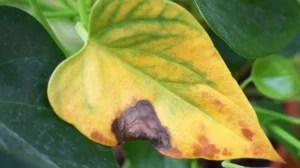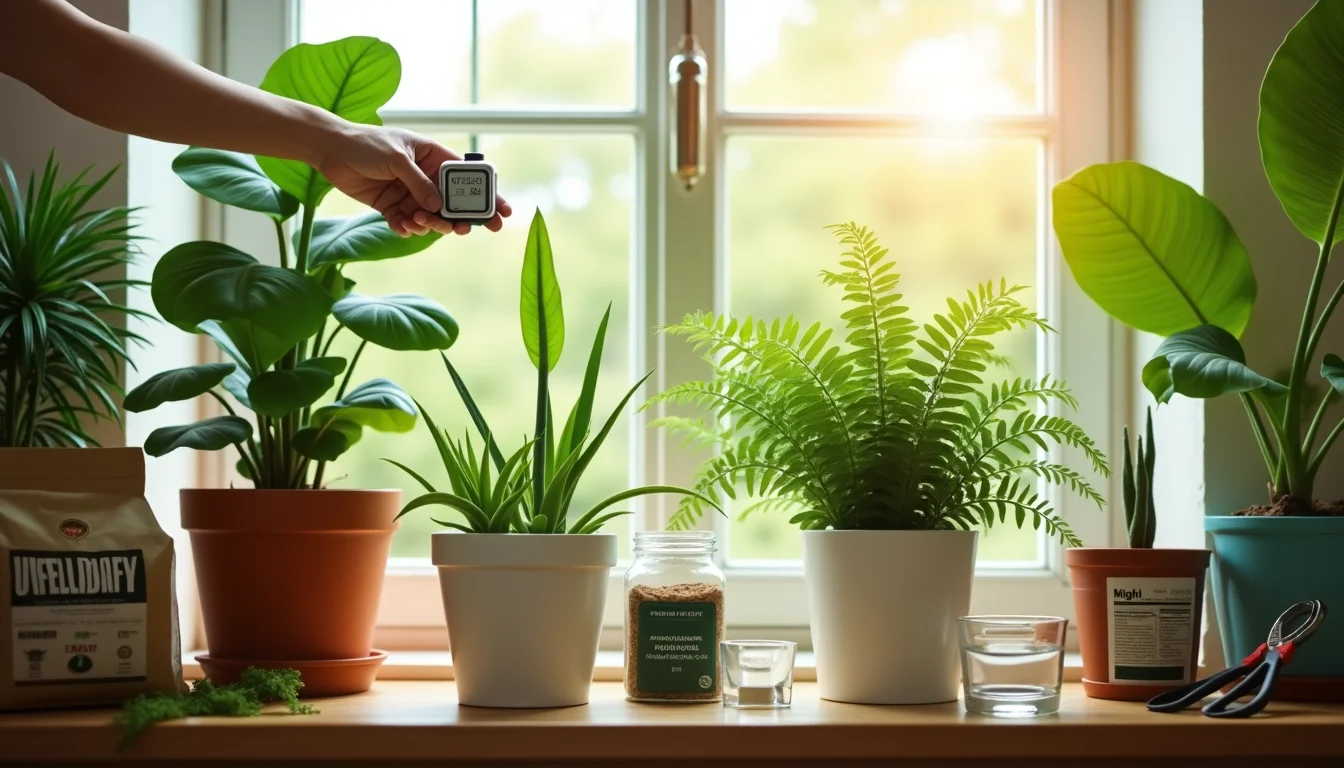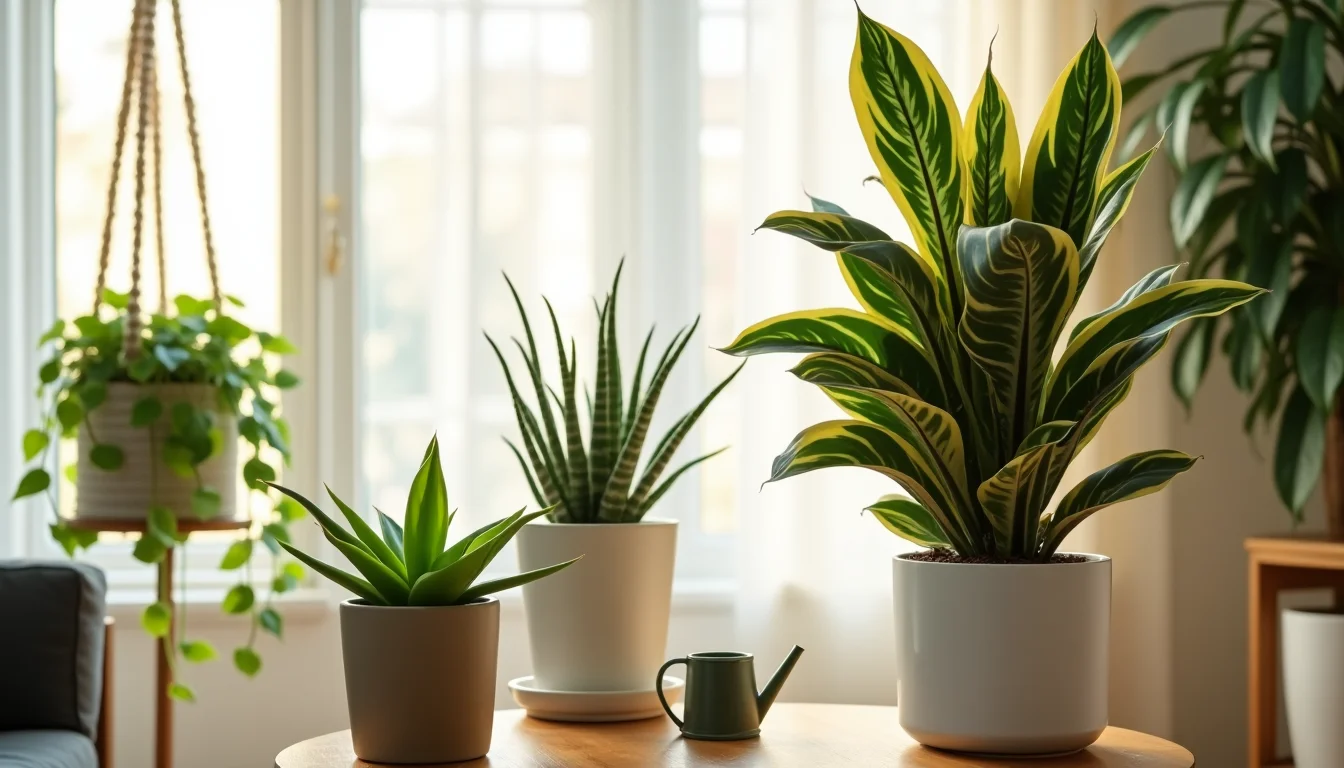

Indoor plants bring life and freshness to any space; however, yellow leaves can be a frustrating problem for plant owners. Yellowing leaves are often a warning sign that your plant is experiencing stress. Various factors, from overwatering to nutrient deficiencies, can cause leaves to lose their vibrant green color.
Identifying the root cause early is crucial for plant health. Even common indoor plants like pothos, spider plants, and fiddle leaf figs can develop yellow leaves, often due to light or water issues. Prompt care adjustments help prevent damage and promote growth.
In many cases, simple adjustments in care, such as modifying watering habits, checking light conditions, or correcting soil pH, can reverse yellowing and restore plant vitality. Moreover, observing your plant regularly allows you to respond quickly before the problem becomes severe.
Common Causes of Yellow Leaves on Indoor Plants
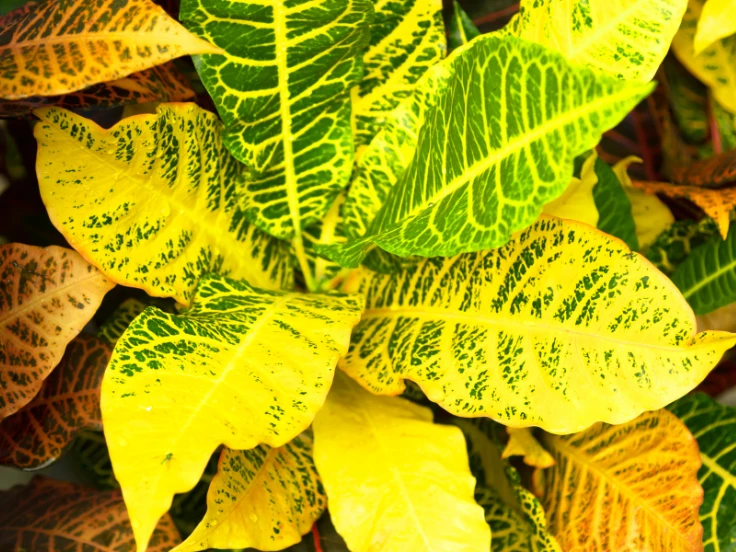
Yellow leaves on indoor plants can have several causes, with improper watering being a major factor. Overwatering or underwatering disrupts nutrient absorption, leading to leaf discoloration. Additionally, insufficient light reduces photosynthesis, further weakening the plant.
Pests, diseases, and environmental stress can cause yellow leaves on indoor plants. Regular monitoring and proper care prevent permanent damage. Early detection ensures healthier, more resilient plants, while timely treatment helps restore vibrant growth and overall plant vitality.
Nutrient Deficiencies Leading to Yellow Leaves
Proper nutrition is crucial for healthy plants. When essential nutrients like nitrogen, magnesium, or iron are lacking, leaves often turn yellow. Therefore, recognizing deficiency symptoms early allows for timely intervention.
-
Nitrogen deficiency: Older leaves turn pale yellow, while new growth may remain green. This occurs because nitrogen is mobile within the plant.
-
Magnesium deficiency: Yellowing appears between leaf veins, creating a marbled effect. Consequently, supplementing with magnesium-rich fertilizer can help.
-
Iron deficiency: Younger leaves become yellow, but veins remain green. For this reason, iron chelates or foliar sprays are often recommended.
-
Calcium deficiency: Leaf tips may curl and yellow as new growth is affected; therefore, adding calcium-rich amendments improves leaf quality.
Correcting these deficiencies usually requires fertilization with balanced nutrients suited to your plant type. Moreover, regular observation ensures that deficiencies do not recur.
Environmental Stress and Indoor Plant Health
Indoor conditions significantly impact plant health. Stressful environments often lead to yellow leaves.
-
Light levels: Too much direct sunlight can scorch leaves, whereas too little light causes them to yellow.
-
Temperature fluctuations: Sudden cold drafts or overheated rooms stress plants and may stunt growth.
-
Humidity levels: Dry indoor air, especially in winter, can result in yellowing and brown edges.
-
Pot size and soil: Crowded roots or poorly draining soil prevent proper nutrient absorption, leading to leaf discoloration.
By maintaining consistent care routines and optimizing environmental conditions, plants can regain their lush, green appearance. In addition, monitoring these factors regularly prevents future issues.
Common Watering Mistakes That Cause Yellowing
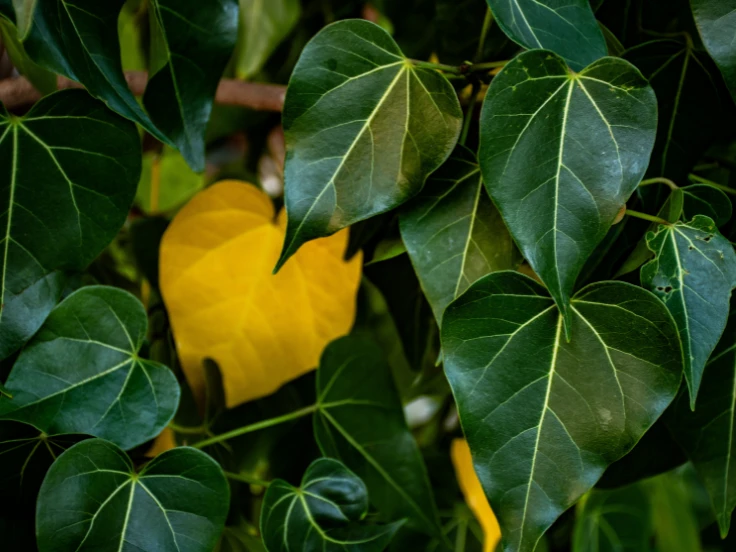
Overwatering and underwatering are among the most common reasons indoor plants develop yellow leaves. When roots sit in soggy soil, they cannot absorb oxygen, leading to root rot and leaf discoloration. On the other hand, drought-stressed plants show yellowing due to dehydration.
Proper watering requires checking soil moisture regularly and adjusting based on plant species, size, and season. Additionally, avoid letting water accumulate in the saucer and consider using pots with drainage holes. By doing so, you prevent both overwatering and underwatering, keeping your plants healthy.
Identifying Pest Infestations in Indoor Plants
Yellow leaves can also indicate pest infestations. Common indoor pests damage leaves directly or weaken the plant by sucking sap, making it vulnerable to disease. Therefore, early detection is crucial.
-
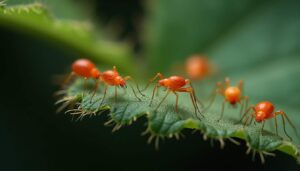
Aphids: Tiny insects that cluster on new growth, causing yellow, curling leaves.
-
Spider mites: Produce fine webbing and speckled yellow spots, which can spread quickly.
-
Mealybugs: White, cotton-like clusters that stunt growth and yellow leaves.
-
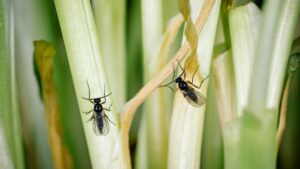
Fungus gnats: Larvae damage roots, leading to yellowing and wilting.
Additionally, treating infestations promptly with insecticidal soap or neem oil prevents widespread damage and keeps indoor plants thriving.
Seasonal Effects on Yellow Leaves
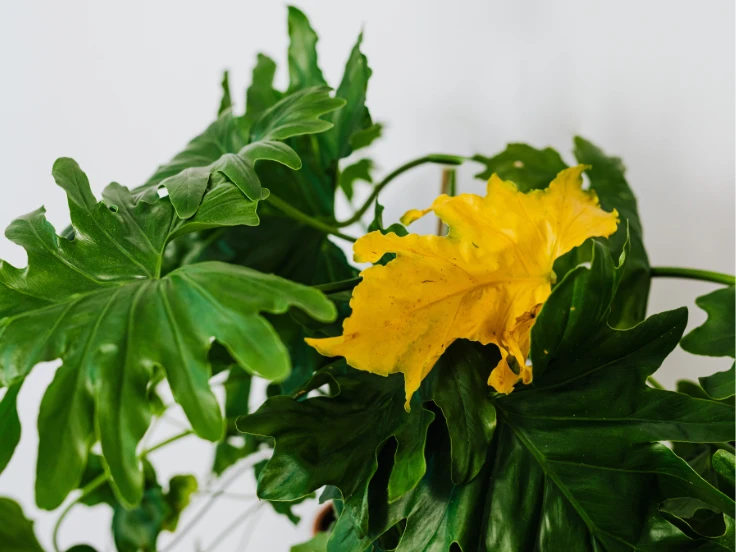
Indoor plants are sensitive to seasonal changes in light, temperature, and humidity. Winter’s low light and dry air can cause yellow leaves, while spring and summer growth may lead to nutrient-related yellowing. Monitoring seasonal care helps keep plants healthy year-round.
Adjusting plant care to seasonal conditions ensures ongoing vitality. For example, rotate plants for even light exposure, monitor watering, and supplement nutrients when necessary. Consequently, your indoor plants remain resilient throughout the year.
Preventing Yellow Leaves on Indoor Plants Through Proper Care
Preventive care is key to minimizing yellow leaves. Healthy habits create resilient plants less susceptible to environmental stress, nutrient deficiencies, and pests.
-
Optimal lighting: Place plants according to their light requirements, avoiding extremes.
-
Consistent watering: Maintain a balance suited to each plant’s needs.
-
Fertilization: Feed plants periodically with appropriate nutrients to prevent deficiencies.
-
Humidity management: Use humidifiers or pebble trays for tropical species, especially in winter.
-
Regular inspection: Check for pests, diseases, and signs of stress frequently, allowing prompt intervention.
By following these preventive strategies, plants are more likely to thrive, and yellow leaves become less frequent. Moreover, developing a routine simplifies plant care over time.
Using Pots and Soil to Reduce Yellow Leaves on Indoor Plants
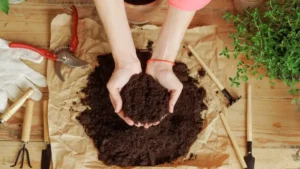
Choosing the right pots and soil type prevents root problems that lead to yellow leaves.
-
Drainage: Ensure pots have holes and well-draining soil to prevent waterlogging.
-
Soil type: Use soil mixes tailored to the plant species; cacti need sandy soil, while tropical plants prefer rich, loamy soil.
-
Repotting: Refresh soil every 1–2 years to maintain nutrients and reduce compaction.
-
Pot size: Avoid oversized pots that hold excess moisture or undersized pots that restrict growth.
Proper container management directly influences plant health and leaf color, reducing yellowing risks. Additionally, correct soil and pot choices make routine care more effective.
FAQs
Q1: Can yellow leaves recover?
Yes, if the cause is identified and corrected early, plants can produce new green growth.
Q2: How often should I check my indoor plants for yellowing?
Inspect plants weekly for early signs of stress, pests, or nutrient issues.
Q3: Do all yellow leaves indicate disease?
Not always. Environmental stress, water issues, or nutrient deficiencies are more common causes than disease.
Conclusion: Yellow Leaves on Indoor Plants
Yellow leaves are often preventable with proper care. Understanding causes like watering issues or pests and adjusting routines helps keep indoor plants healthy. For guidance on specific plants, see our indoor hydrangea plant care guide to maintain vibrant leaves and growth.
Interestingly, just as indoor plant care requires attention, exploring Hamburg places to visit benefits from planning and observation. Learning to care for indoor house plants like ferns develops patience and awareness skills equally useful when traveling.