
What Are Spider Plants Good For? This is a question many indoor plant lovers ask when they see the lush, arching leaves and small plantlets of this popular houseplant. Known scientifically as Chlorophytum comosum, the spider plant is not just beautiful—it’s also functional. From purifying indoor air and boosting mental well-being to being safe for pets, spider plants are versatile and highly rewarding to grow.
The Decorative Value of Spider Plants
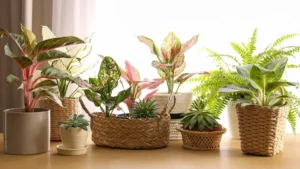
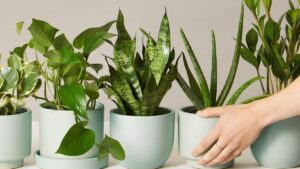
One of the main reasons people choose spider plants is their decorative appeal. Their long, green-and-white striped leaves make them a perfect choice for hanging baskets, tabletops, or even office desks.
Additionally, it produce baby “spiderettes” that dangle from the mother plant, creating a natural, cascading effect. This feature not only enhances visual beauty but also makes them a focal point in any indoor space.
Air-Purifying Benefits of Spider Plants
One of the most valuable advantages of spider plants is their powerful air-purifying ability. According to the well-known NASA Clean Air Study, it can help reduce common indoor pollutants such as carbon monoxide, xylene, toluene, and formaldehyde.
These pollutants may come from furniture, cleaning products, paints, and other everyday household items. However, it can naturally support cleaner indoor air by filtering some of these substances. As a result, the atmosphere can feel fresher and more comfortable, especially in closed spaces.
This makes it a smart option for anyone hoping to build a healthier indoor environment.
How Spider Plants Improve Indoor Air Quality
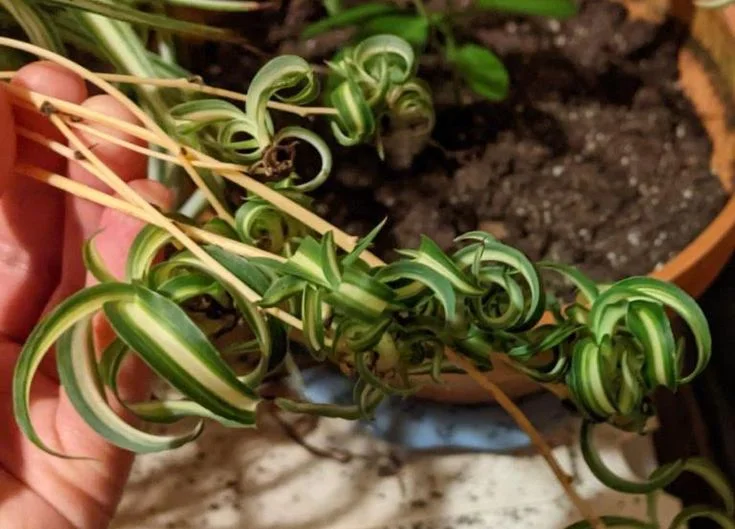
Spider plants absorb certain airborne particles through their leaves and root systems and help break them down over time. In addition, they release oxygen and can support a better-feeling indoor environment by contributing moisture through natural transpiration.
Because they are simple to maintain, they are often recommended as a beginner-friendly way to add greenery while improving overall home comfort.
Stress Reduction and Mental Health Benefits
Another major reason people keep spider plants indoors is their calming effect. Research on indoor plants suggests that greenery can support well-being in several ways. For instance, indoor plants may help:
-
Lower stress and anxiety
-
Boost focus and concentration
-
Encourage a sense of calm and comfort
Whether placed in a bedroom, living room, or office, spider plants can create a fresher atmosphere that supports mood and daily productivity.
Low Maintenance and Easy Care
Another important reason people appreciate it is their reputation as a low-maintenance, beginner-friendly houseplant. They grow well with minimal attention, so they’re great for busy homeowners, students, or anyone new to plant care. However, if pests ever become a problem indoors, here’s a helpful guide on how to cancel Aptive Pest Control so you can choose the best option for your home.
Their hardy nature allows them to adapt to different indoor conditions. With just a few simple care steps, they can stay healthy for years.
Light Requirements for Spider Plants
It performs best in bright, indirect sunlight. However, they can also tolerate low-light conditions. Placing them near a window with filtered light helps encourage steady growth without scorching the leaves.
Watering Needs
When it comes to watering, spider plants are forgiving. Water when the top inch of soil feels dry.
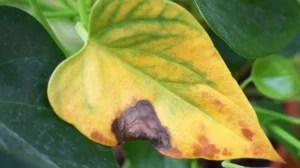
That said, avoid overwatering because it can lead to root rot. On the other hand, underwatering may cause brown tips. A simple routine usually keeps them thriving.
Best Soil for Spider Plants
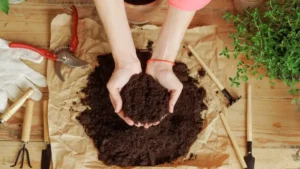
For strong root development, spider plants need a well-draining potting mix. Soil that drains well helps prevent waterlogging and supports healthy growth.
Safe for Pets and Children
A common concern among plant owners is toxicity. Fortunately, spider plants are widely considered non-toxic to cats, dogs, and children. Unlike many decorative houseplants, they are a safer option if you have curious pets or small kids at home.
Boosting Indoor Humidity
Another benefit is that it can slightly increase indoor humidity. They release moisture during transpiration, which may help during winter months or in air-conditioned homes where indoor air feels dry.
In addition, better humidity can support dry skin comfort and easier breathing for some people.
The Healing Symbolism of Spider Plants

It also carry symbolic meaning. Many cultures associate them with:
-
Good luck and protection
-
Growth and renewal
-
Positive energy in the home
Because of these meanings, they are often given as thoughtful housewarming gifts.
Practical Uses of Spider Plants
Beyond beauty and wellness, it offers practical uses such as:
-
Natural indoor décor (hanging pots, shelves, plant stands)
-
Easy propagation (sharing spiderettes with friends and family)
-
Helping reduce dust buildup by trapping particles on leaves
So, they’re more than just ornamental, they’re genuinely useful.
How to Display Spider Plants Creatively
If you want to make the most of your spider plant, try these smart display ideas:
-
Hanging baskets for a cascading look
-
Desk planters for a refreshing workspace vibe
-
Bathroom placement to support natural humidity
-
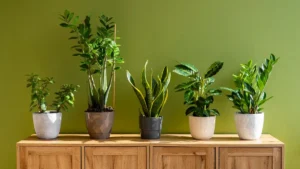
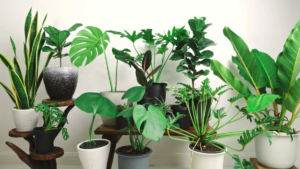
Grouping with other low-light plants for a mini indoor jungle
FAQs
1. Are spider plants good for bedrooms?
Yes. They’re a great bedroom plant because they’re easy to care for and can help create a fresher, calmer space.
2. Do spider plants really clean the air?
They’re known for supporting indoor air quality and are commonly mentioned in discussions around air-friendly plants, including the NASA Clean Air Study.
3. Are spider plants good for mental health?
They may help reduce stress and improve focus because indoor plants often create a calming environment.
4. Can spider plants survive without sunlight?
They need indirect light, but they can handle low light for some time. Still, brighter indirect light helps them grow better.
5. Are spider plants good for small spaces?
Yes. They’re perfect for small rooms, apartments, dorms, and offices, especially in hanging baskets to save space.
Conclusion
So, they’re good for much more than decoration. From supporting cleaner indoor air and helping reduce stress to being pet-friendly and easy to care for, it offer a wide range of benefits that suit homes and offices.
Because they are resilient, attractive, and practical, spider plant remain one of the most popular houseplants worldwide. However, to keep any indoor plant healthy, it also helps to prevent insects and infestations early, especially in apartments and rentals so it’s worth reading about whether a landlord is responsible for pest control and what steps you can take.