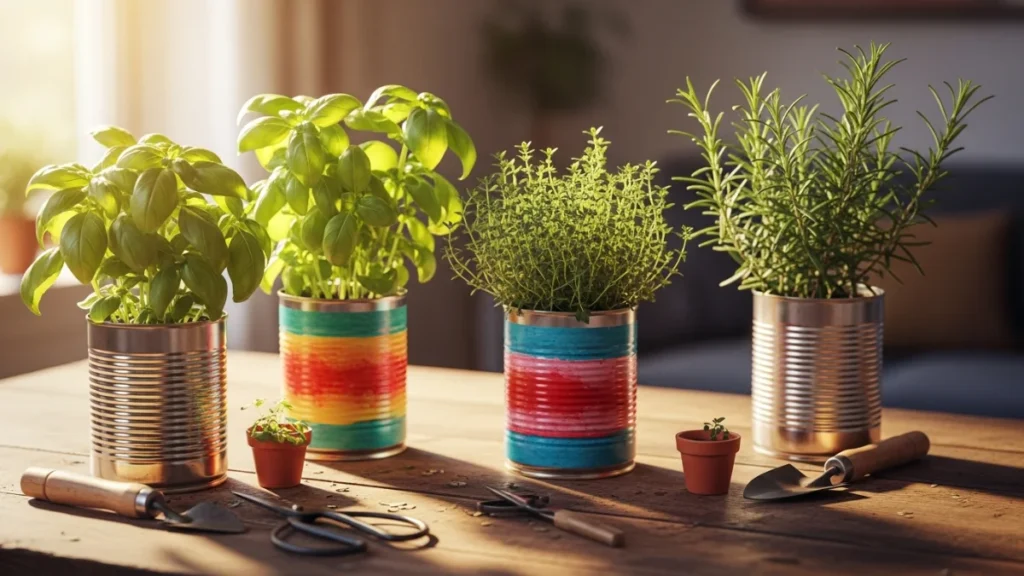
If you’re looking for a charming and eco-friendly way to grow your own herbs, a tin can herb garden might just be the solution. Not only do these upcycled planters offer a rustic, vintage appeal, but they also provide an effective way to cultivate fresh herbs right at home. A tin can herb garden can help you grow everything from basil to thyme with minimal space.
It’s important to understand that growing herbs in these containers involves more than just filling a can with dirt. For your herbs to thrive, you’ll need to consider essential elements like soil drainage for herbs, the best herbs for container gardening, and how to manage light and temperature for healthy growth.
Thankfully, these tips will guide you through the process and help you create a lush, thriving herb garden, all while reducing waste through eco-friendly garden solutions.
Choosing the Right Herbs for Your Tin Can Herb Garden
When creating a tin can herb garden, selecting the right herbs is key to ensuring a thriving, functional garden. Opting for herbs that thrive in containers will help your garden flourish, ensuring healthy growth with minimal effort.
Soil Drainage for Healthy Herbs
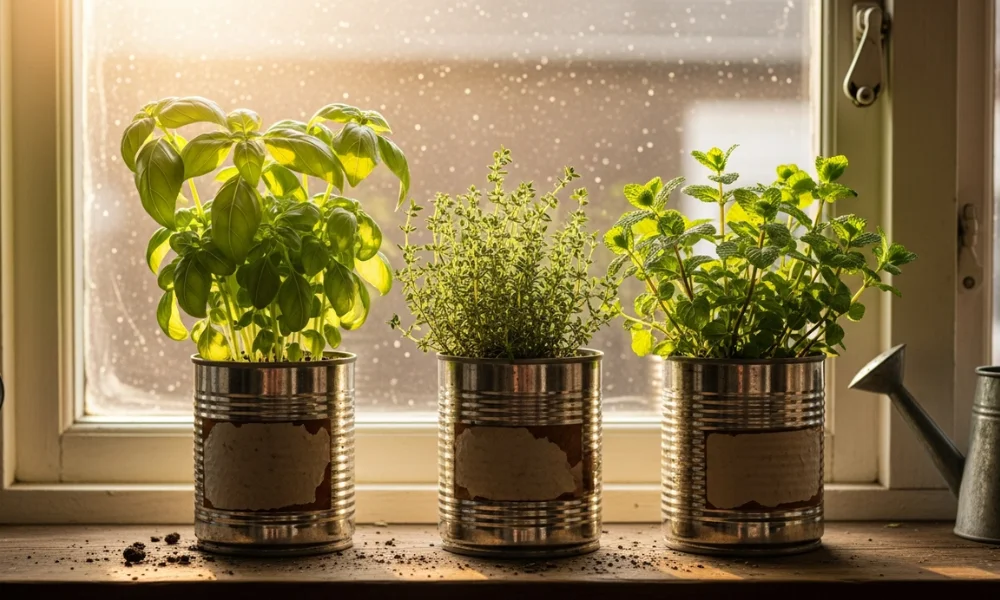
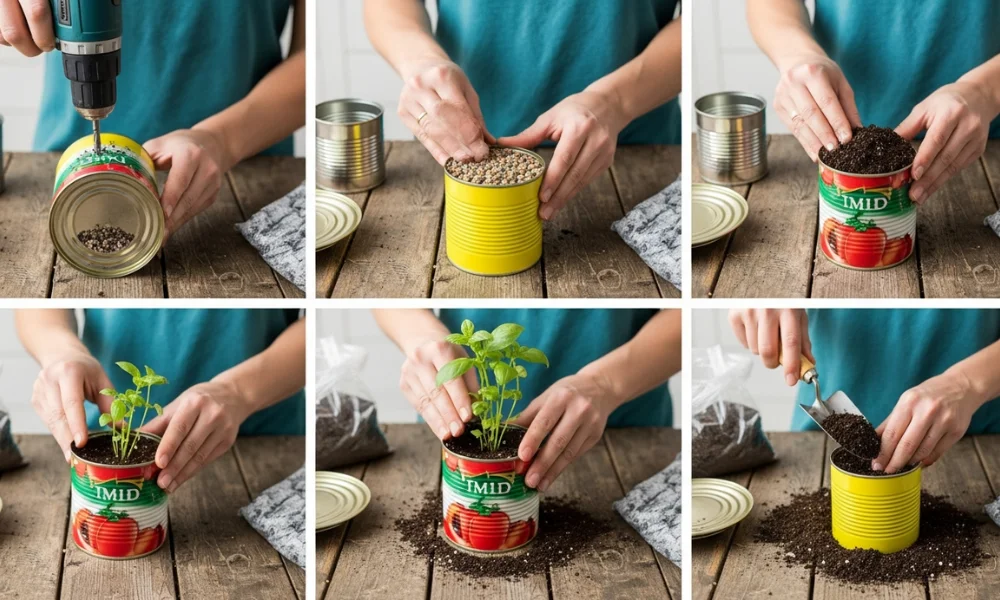
Proper soil drainage is crucial for herb health. Herbs like rosemary and thyme need well-drained soil, while mint and cilantro prefer slightly moist conditions. Always drill holes in the bottom of your tin cans to allow excess water to escape, preventing root rot.
Temperature and Light Control
Tin cans absorb heat quickly, so place your garden in a location with indirect sunlight. Indoor gardening works best near a window with filtered light, while outdoor gardens should be placed in partial shade to avoid overheating during the day.
Choosing Herbs for Your Climate Zone
Select herbs based on your climate zone. For example, basil and cilantro prefer warmer conditions, while oregano and parsley are more tolerant of cooler temperatures. Understanding your USDA hardiness zone will help you choose herbs that will thrive year-round.
Potting Your Herbs: Step-by-Step Guide
Potting herbs in a tin can herb garden is a straightforward process, but it requires careful attention to detail. From choosing the right soil mix to planting your herbs properly, this section will help ensure that your plants have the best start.
Selecting the Right Soil Mix
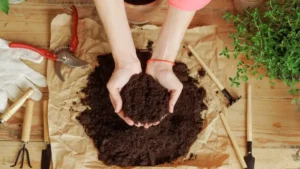
For a successful herb garden, soil quality is essential. Choose a well-draining, lightweight potting mix that is designed for herb garden containers or general container gardening. A mix of peat moss, perlite, and compost is ideal, as it provides the necessary air circulation for healthy root growth while retaining enough moisture for the plants to thrive.
Avoid using regular garden soil, as it can become compacted in containers, limiting root growth and drainage. The goal is to create an environment where your herbs can spread their roots comfortably while still receiving proper water drainage.
Planting Tips for Tin Cans
Once you’ve selected the right soil, it’s time to plant your herbs.
- Begin by filling tin cans with the soil mix, leaving about an inch of space to prevent spillage.
- Next, gently place your herb plants into the cans, ensuring the roots are not cramped.
- Starting from seeds, follow the recommended planting depth for each herb and cover with soil accordingly.
- Press the soil gently around the base of the plants to remove any air pockets, it could cause drying out.
- Water the plants lightly, making sure not to soak them, and allow the soil to settle in place.
Providing Proper Drainage
Maintaining Your Tin Can Herb Garden
Maintaining a tin can herb garden requires minimal effort, but a few key tasks will ensure your plants remain healthy and productive. Regular attention to watering, fertilizing, and pruning will keep your herbs thriving throughout the growing season.
Watering Your Herbs
Herbs in tin cans tend to dry out faster than those planted in larger containers, so consistent watering is essential. However, overwatering can lead to root rot, especially if your soil drainage for herbs isn’t adequate. A good rule of thumb is to water when the top inch of soil feels dry to the touch.
Fertilizing Your Herb Garden
While herbs don’t need heavy feeding, regular fertilizing can encourage growth. Use a balanced, water-soluble fertilizer once a month during the growing season to support your herbs. Organic options, such as compost tea or fish emulsion, can also be great eco-friendly garden solutions that provide nutrients without synthetic chemicals.
Avoid over-fertilizing, as this can lead to leggy growth and reduce the flavor of your herbs. Most herbs thrive with minimal fertilization, especially when the right soil mix is used initially.
Pruning and Harvesting
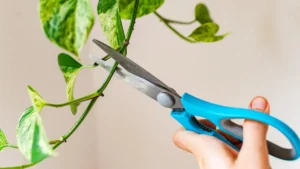
Regular pruning and harvesting help maintain healthy plants and encourage new growth. Prune your herbs by snipping off the top leaves and stems to promote bushier growth. When harvesting, be sure to cut the stems just above a leaf node to ensure the plant continues to grow. This also helps prevent your herbs from becoming leggy and encourages a fuller, more compact plant.
Pruning can also help extend the lifespan of your herbs by removing dead or diseased leaves, preventing the spread of pests or diseases. With regular harvesting, your tin can herb garden can provide a continuous supply of fresh herbs throughout the year.
Conclusion
A tin can herb garden offers an eco-friendly and practical way to grow fresh herbs right at home. By carefully selecting the right herbs, ensuring proper soil drainage, and maintaining the health of your plants through thoughtful watering, fertilizing, and pruning, your garden can thrive for months to come.
Not only do these upcycled planters help reduce waste, but they also create a functional, charming addition to your kitchen or balcony. Remember that every successful herb garden, whether in herb garden containers or tin cans, is rooted in knowledge and care.
With the right environment and attention, your herbs will grow strong and flavorful. So, whether you’re starting with a few pots of basil or planning a full indoor gardening project, a tin can herb garden is the perfect way to bring fresh, homegrown herbs into your life while embracing eco-friendly garden solutions.
If you’re also interested in learning about common indoor plant care issues, like why your rubber tree might be dropping leaves, check out this helpful guide: Why Is My Rubber Tree Dropping Leaves?.
FAQs
Can I grow all herbs in a tin can garden?
Most herbs can thrive in a tin can herb garden, but hardy herbs like rosemary, thyme, and oregano perform better in well-drained containers. Mint and cilantro prefer slightly moist conditions but still need drainage.
How do I prevent rust in my tin can herb garden?
To prevent rust, line the inside of the tin can with coconut coir or plastic liners. This protects the metal from moisture, reducing rust risk.
How often should I water my herbs in tin cans?
Water your herbs when the top inch of soil feels dry. Ensure your tin cans have proper drainage to avoid root rot from excess water.
What’s the best soil mix for a tin can herb garden?
Use a well-draining mix, ideally with peat moss, perlite, and compost. This allows good air circulation and moisture retention.
Can I grow herbs indoors using tin cans?
Yes! Place your tin cans near a window that gets indirect sunlight, ensuring the herbs get enough light without overheating.
How do I ensure proper drainage in a tin can garden?
Drill holes at the bottom of your tin cans for proper soil drainage for herbs. Adding a layer of gravel can also help prevent water buildup.