Houseplants bring life and greenery into our homes; however, they can also attract pests that threaten their health. Among the most common culprits are small white bugs in houseplant soil. These tiny insects, often barely visible to the naked eye, can cause significant damage if left unchecked.
Moreover, they tend to spread quickly in favorable conditions, stressing your plants and reducing their vitality. Therefore, understanding their habits, identifying them early, and applying proper care techniques are essential for maintaining healthy indoor plants.
These pests thrive in overwatered, humid soil with organic matter. Though small, they can damage roots and leaves. Early signs like wilting, stunted growth, or white specks help gardeners act before infestations worsen. Regularly checking soil and plant health prevents problems from spreading.
Types of Small White Bugs in Houseplant Soil
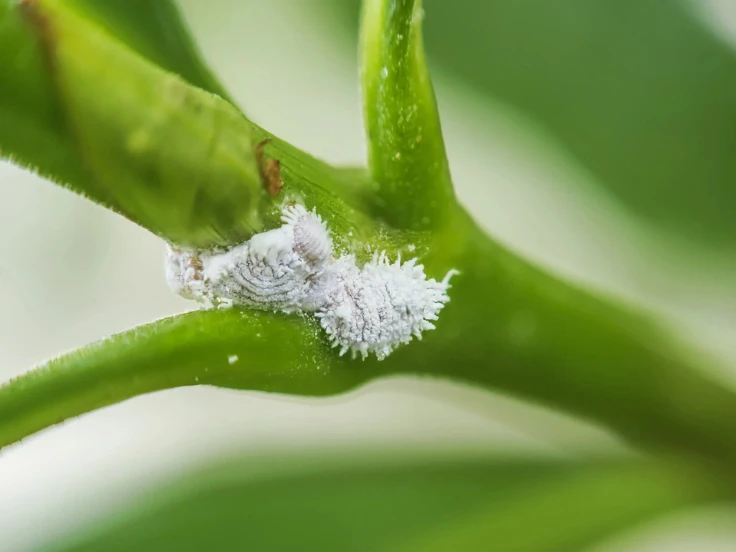
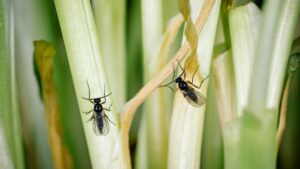
Several types of small white bugs are commonly found in houseplant soil. Fungus gnats, root mealybugs, and springtails are among the most frequent intruders. Fungus gnats are tiny, mosquito-like insects whose larvae feed on roots and organic matter.
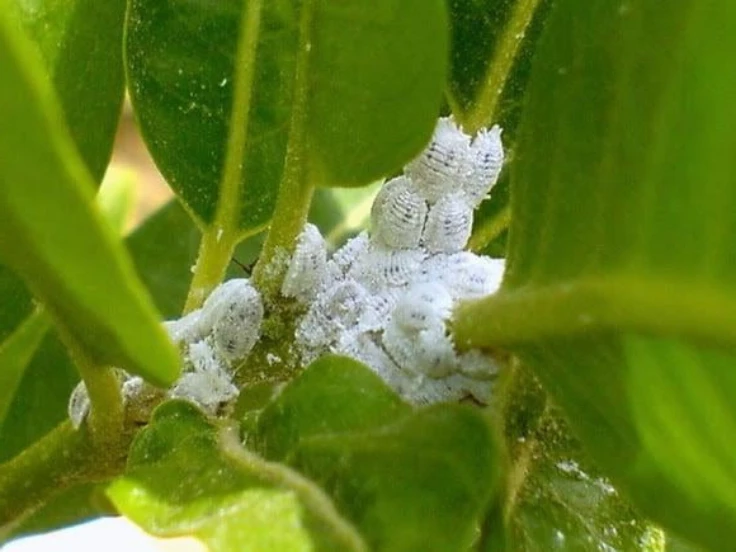
Root mealybugs are soft-bodied pests covered in a white, cottony substance that weakens plant roots. Similarly, springtails are minute, wingless insects that thrive in moist soil and feed on decaying organic matter. Although springtails are often harmless, their presence can indicate overwatering.
Each type of bug requires a different management approach. Therefore, identifying them accurately ensures the correct treatment method, which reduces the risk of plant stress or loss. Furthermore, careful observation and regular soil inspection help prevent minor infestations from escalating into severe damage.
Causes of Small White Bugs Infesting Houseplant Soil
Small white bugs in houseplant soil often appear due to environmental factors and care practices. Overwatering, poor drainage, and decaying organic matter create ideal conditions for these pests. In addition, transferring contaminated soil or plants from other areas can introduce these insects into your indoor garden.
-
Excess moisture in pots or trays
-
Accumulation of decomposing leaves and roots
-
Use of unsterilized soil or compost
-
Close proximity to infested plants
-
Warm, humid indoor conditions
By understanding these causes, gardeners can adjust their practices to minimize the risk of infestation. Consequently, proactive care is always more effective than reactive treatment.
Preventing Small White Bugs in Indoor Plants
Prevention is always better than treatment. By taking proactive measures, gardeners can minimize the risk of small white bugs invading their houseplants.
-
Use well-draining pots and soil mixes
-
Water plants only when necessary and avoid waterlogging
-
Regularly remove dead leaves and debris
-
Quarantine new plants before introducing them to existing collections
-
Maintain good airflow around plants
In addition, consistent monitoring ensures early detection, allowing gardeners to address minor issues before they escalate. Similarly, sterilizing tools and containers reduces the chance of introducing new pests.
How Small White Bugs Affect Houseplant Health
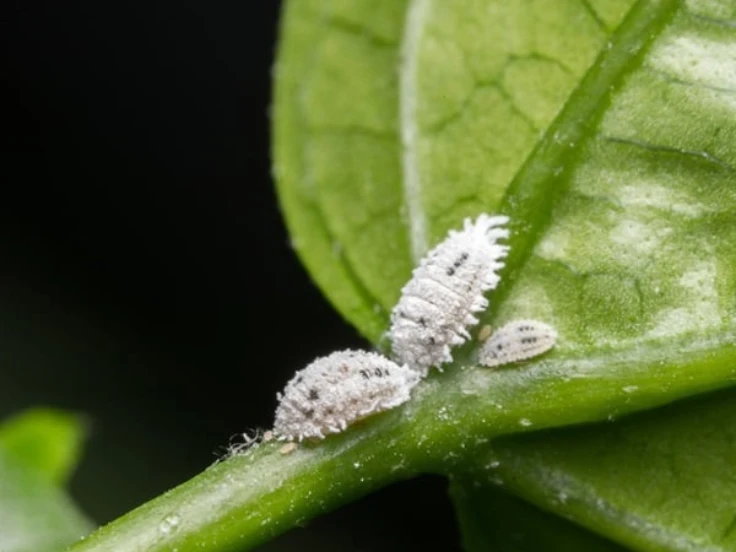
Infestations of small white bugs in houseplant soil can lead to weakened roots, stunted growth, and leaf discoloration. Fungus gnat larvae, for example, consume fine roots, reducing the plant’s ability to absorb water and nutrients. Root mealybugs excrete honeydew, which encourages mold growth and further stresses the plant.
Moreover, prolonged infestations can compromise overall plant health, making them more susceptible to diseases. Weakened roots reduce nutrient and water uptake, slowing growth. In addition, stressed plants may struggle to recover even after pests are removed.
Furthermore, pest infestations often signal underlying care issues. Overwatering and poor soil hygiene not only attract insects but also hinder the plant’s natural defenses. Therefore, addressing both the pests and the conditions that allow them to thrive ensures long-term plant vitality.
Natural Remedies for Small White Bugs in Soil
Home remedies are effective for managing minor infestations without harsh chemicals. Several natural solutions target soil-dwelling pests while being safe for indoor environments.
Neem oil, diatomaceous earth, and sticky traps are widely used to control fungus gnats and mealybugs. In addition, adjusting watering habits and sterilizing soil prevents recurrence. Consequently, combining these methods creates an unfavorable environment for small white bugs, reducing their population over time.
Other remedies include:
-
Sprinkling cinnamon powder on soil to deter fungus gnats
-
Using beneficial nematodes to target larvae in the soil
-
Repotting heavily infested plants in fresh, sterilized soil
Early Signs of Small White Bug Infestations
Early detection of pests in houseplant soil is essential for effective control. Regular inspection of soil surfaces, leaves, and roots helps identify tiny white bugs before they spread extensively.
-
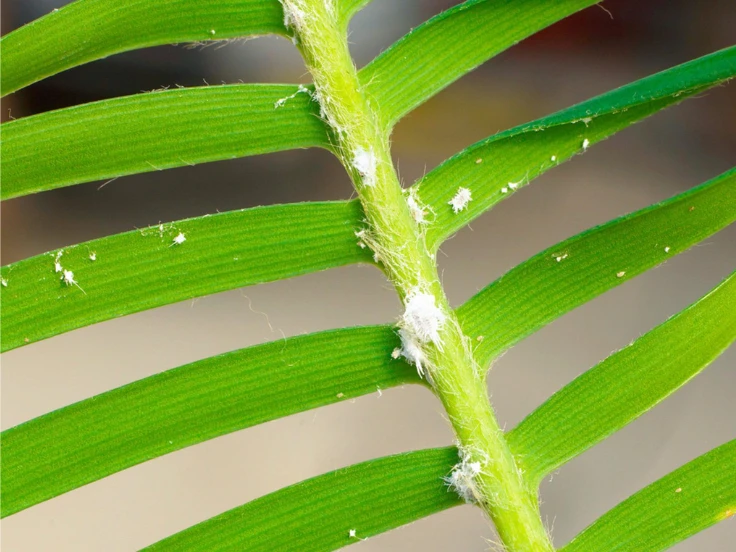
Visible white specks on soil or roots
-
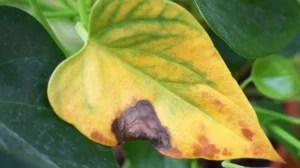
Wilting or yellowing leaves
-
Sticky residue or mold growth
-
Increased insect activity around the soil
-
Slow or stunted growth
Moreover, documenting observations over time allows gardeners to detect patterns and anticipate future infestations. Therefore, careful monitoring combined with preventive measures ensures long-term plant health.
Tips for Maintaining Healthy Houseplant Soil
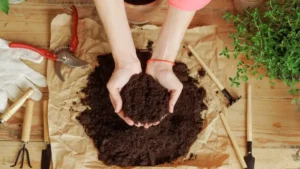
Maintaining healthy soil is key to preventing pest infestations. Quality soil, proper watering, and regular maintenance reduce the risk of small white bugs.
-
Use sterilized potting mixes
-
Avoid excessive fertilizers that attract pests
-
Rotate plants occasionally for better soil health
-
Keep plant containers clean and dry around the edges
-
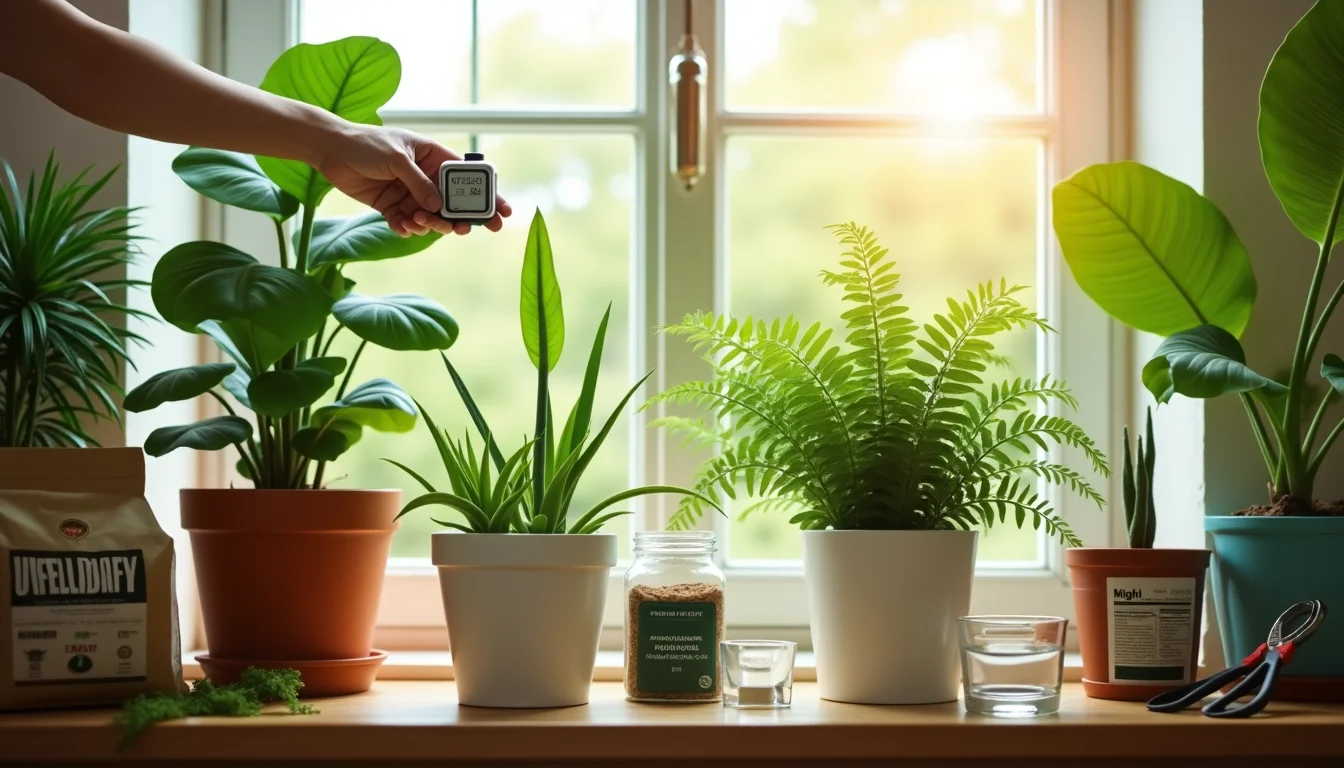
Monitor soil moisture with a hygrometer if needed
In addition, incorporating organic matter such as compost in moderation encourages beneficial microorganisms, which compete with pests and improve plant growth.
Applying Indoor Gardening Knowledge Effectively
Just as travelers researching Hamburg places to visit plan carefully, indoor gardeners must understand pest habits, soil, and plant needs to keep houseplants healthy and thriving. Regular observation and timely care help prevent infestations and promote strong growth.
Similarly, documenting your gardening practices, testing soil, and adjusting care routines based on plant responses creates a reliable system. Consequently, knowledge, observation, and proactive care allow indoor gardens to thrive just like a well-planned journey through a city full of hidden gems.
FAQs
Q: Are small white bugs dangerous to humans?
A: Most are harmless to humans; however, they can damage plants if left untreated.
Q: Can overwatering cause pest infestations?
A: Yes, excess moisture creates ideal conditions for soil-dwelling insects.
Q: How do I permanently get rid of root mealybugs?
A: Remove affected soil, isolate the plant, and use natural insecticides like neem oil or insecticidal soap.
Conclusion
Small white bugs in houseplant soil may seem insignificant; however, they can compromise plant health if ignored. Through careful observation, preventive practices, and targeted natural treatments, these pests can be managed effectively. Maintaining healthy soil, proper watering, and regular plant inspection creates an environment that discourages infestations.
In addition, approaching indoor gardening like exploring Hamburg ensures your plants stay healthy and thriving. Combining knowledge, observation, and preventive action is key, and using the right indoor plant soil mixture helps them flourish, promoting stronger roots and vibrant growth.