
Potato plants falling over often worry gardeners, especially beginners. This problem can appear suddenly and look very serious. Sometimes it is completely normal during plant maturity. Other times, it signals water, soil, or nutrient problems.
Is It Normal for Potato Plants to Fall Over?
Potato plants naturally change appearance as they grow and mature. Falling over can happen during the final growth stage. The plant redirects energy toward tuber development underground. This change often surprises first-time potato growers.
Natural Maturity Stage
When potato plants finish flowering, stems may weaken naturally. Leaves start yellowing and growth slows noticeably. One clear sign appears when stems bend without breaking. This usually means potatoes are almost ready for harvest.
Overwatering and Poor Drainage

Too much water is a very common cause of falling potato plants. Waterlogged soil prevents roots from breathing properly. Weak roots cannot support tall green growth. Plants then collapse even though leaves look healthy.
Signs of Overwatering
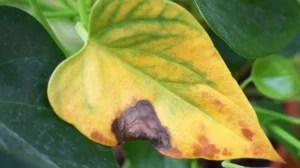
Overwatered potato plants show yellowing leaves and soft stems. Soil stays wet for long periods after watering. Roots may start rotting underground. Plants fall over easily with little resistance.
How to Fix Overwatering
Reduce watering frequency immediately to let soil dry slightly. Improve soil drainage by adding compost or sand. Avoid watering late in the evening hours. Raised beds help prevent standing water problems.
Nutrient Imbalance in Soil
Soil nutrients strongly affect potato plant strength and growth. Too much nitrogen creates rapid leafy growth. Stems become long, soft, and unable to stand upright. This imbalance leads to plants falling over early.
Excess Nitrogen Problems
Nitrogen-heavy fertilizer encourages lush green foliage growth. Stems grow tall but remain weak and thin. Plants look healthy but lack structural strength. This often happens with fresh manure use.
Correcting Nutrient Balance
Stop using nitrogen-rich fertilizers immediately during the growing season. Switch to balanced or potassium-rich fertilizers instead. Potassium strengthens stems and improves tuber quality. Soil testing helps prevent future nutrient issues.
Wind and Heavy Rain Damage
Weather conditions can physically knock potato plants down. Strong winds bend stems beyond recovery. Heavy rain loosens soil around roots. This combination often causes sudden plant collapse.
Weather-Related Warning Signs
Plants fall over after storms or windy days. Stems remain green but lie flat on soil. Roots may appear slightly exposed. Damage usually affects multiple plants together.
Protecting Plants from Weather
Hill soil around plant bases to strengthen root support. Use mulch to stabilize loose soil. Plant potatoes in sheltered garden locations. Temporary wind barriers can help during storms.
Weak Stems from Poor Growing Conditions

Poor sunlight and overcrowding weaken potato plant structure. Plants stretch upward competing for light. This growth pattern creates thin, fragile stems. Weak stems bend easily under their own weight.
Overcrowding Effects
Closely planted potatoes compete for nutrients and light. Stems grow tall and spindly quickly. Air circulation becomes limited between plants. Disease risk also increases in crowded conditions.
Improving Growing Conditions
Space potato plants properly when planting seed potatoes. Ensure plants receive six to eight hours of sunlight. Thin crowded areas early in the season. Healthy spacing promotes strong stem growth.
Disease-Related Causes
Certain plant diseases weaken potato stems and roots. Infected plants lose strength and stability. Diseases often develop in wet, poorly ventilated soil. Early detection helps save nearby plants.
Common Potato Diseases
Early blight causes leaf spots and gradual plant weakening. Stem rot attacks lower stems near soil level. Fungal diseases thrive in damp environments. Infected plants often collapse suddenly.
Managing Disease Problems
Remove affected plants immediately to stop spread. Avoid overhead watering to reduce moisture buildup. Practice crop rotation every growing season. Healthy soil reduces disease risk significantly.
Pest Damage Under the Soil
Underground pests can damage roots without visible warning signs. Damaged roots fail to anchor plants properly. Plants then fall over despite healthy-looking foliage. This problem often confuses gardeners.
Common Potato Pests
Wireworms chew roots and underground stems. Cutworms damage stems near soil surface. Rodents may disturb roots while burrowing. Pest damage weakens plant support systems.
Preventing Pest Damage
Inspect soil regularly when planting potatoes. Use crop rotation to disrupt pest life cycles. Remove plant debris after harvest. Natural predators also help control pest populations.
Comparison Table: Causes and Solutions
| Cause | Main Symptom | Best Solution |
|---|---|---|
| Natural maturity | Yellowing and bending | Prepare for harvest |
| Overwatering | Soft stems and wet soil | Improve drainage |
| Excess nitrogen | Tall leafy growth | Use balanced fertilizer |
| Wind or rain | Sudden collapse | Hill soil and protect |
| Disease | Spots and rot | Remove infected plants |
| Pests | Weak anchoring | Control pests early |
Should You Stake Potato Plants?

Staking potato plants is usually unnecessary. Most varieties support themselves naturally. However, certain conditions may require extra support. Understanding when to stake prevents unnecessary work.
When Staking Helps
Very tall potato varieties may benefit from light support. Windy garden locations sometimes require staking. Plants recovering from weather damage may need temporary help. Stakes should never damage roots.
When Staking Is Not Needed
Naturally falling plants during maturity need no support. Over-staking can interfere with tuber growth. Hilling soil works better than staking. Potatoes prefer underground protection instead.
In addition, you can explore another easy DIY planting idea in this tin can herb garden guide.
How Hilling Prevents Potato Plants from Falling Over
Hilling is one of the best potato growing practices. It strengthens stems and protects developing tubers. Soil mounds provide extra root support. This technique prevents many falling problems.
Proper Hilling Technique
Pull soil gently around plant bases as they grow. Create small mounds without covering leaves. Repeat hilling every few weeks. This encourages strong root development.
When Falling Over Means Harvest Time

Sometimes falling plants signal that harvest time is close. Recognizing this stage prevents unnecessary worry. Harvesting at the right time improves potato quality. Observation is key during this phase.
Harvest Readiness Signs
Leaves turn yellow and start drying naturally. Stems weaken and fall without rot. Growth above ground stops completely. Tubers reach full size underground.
Preventing Potato Plants from Falling Over
Prevention starts with good planting and care habits. Healthy soil supports strong plant growth. Balanced watering and feeding prevent most issues. Simple practices make a big difference.
Best Prevention Practices
Choose well-draining soil for potato planting. Water deeply but not too frequently. Use balanced fertilizer throughout the season. Monitor plants regularly for early warning signs.
Final Thoughts
Potato plants falling over can be normal or problematic. Understanding the cause helps choose the right response. Most issues are easy to fix with simple care changes. Healthy plants lead to better harvests. Meanwhile, if you’re also growing herbs at home, this helpful guide on tin can herb garden is a great way to start small and keep your garden thriving.