Planting materials are the foundation of every successful garden, farm, or landscape project. If you choose the right inputs from the start, your plants grow stronger, resist stress better, and produce more. However, when the basics are wrong, even the best seeds can struggle.
So, in this guide, you’ll learn which planting materials matter most, how to pick them for your soil and climate, and what simple habits can improve results right away.
What planting materials include and why they matter
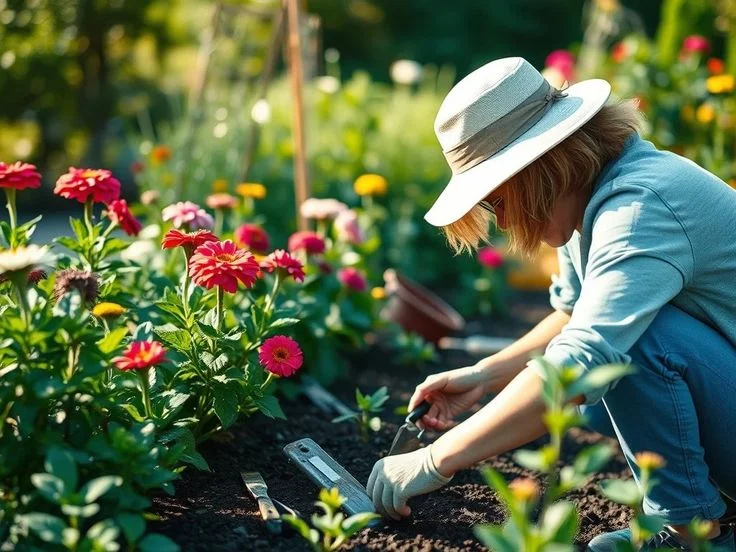
Planting materials are everything you use to start, support, and protect plant growth. In other words, they aren’t just “seeds and soil.” They include tools, amendments, and protective items that help plants settle in quickly.
Moreover, the right materials reduce waste. You spend less on replacements, and you also avoid weak growth that leads to pests and disease later.
Seeds, seedlings, bulbs, and cuttings
Choosing your planting starter is the first big decision. Although all starters can work, each one fits different goals and timelines.
Seeds
Seeds are affordable and offer more variety. Also, they’re easy to store and transport. However, they require patience and steady care in early stages.
Use seeds when you want:
-
large planting areas
-
unique varieties
-
budget-friendly options
Seedlings
Seedlings save time because they already have a head start. As a result, they often produce earlier than seeds.
Choose seedlings when you want:
-
quicker harvests
-
stronger early growth
-
easier planning for beginners
Bulbs and tubers
Bulbs and tubers store energy, so they can grow fast once planted. For example, onions, garlic, and potatoes are popular choices.
Cuttings
Cuttings are a smart way to clone a healthy plant. Therefore, they help you keep the same quality and traits.
Growing media and soil essentials
Healthy roots need air, moisture, and nutrients. So, your soil or growing media must balance all three.
Garden soil
Good garden soil feels crumbly and drains well. Yet it still holds enough moisture to keep roots hydrated.
If your soil is heavy clay, add structure. On the other hand, if it’s sandy, add organic matter to hold water.
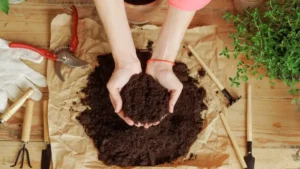
Potting mix
Potting mix is lighter than garden soil. Also, it drains better, which helps containers avoid root rot.
A strong mix usually contains:
-
coco peat or peat alternative
-
compost or aged bark
-
perlite or pumice for airflow
Compost
Compost is one of the most valuable planting materials because it improves soil slowly and naturally. In addition, it supports beneficial microbes that help plants absorb nutrients.
Soil amendments that improve growth
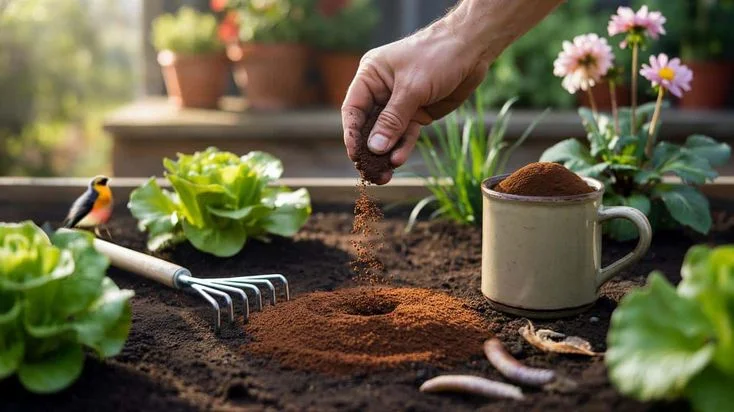
Even decent soil can be improved. Therefore, amendments are useful when you want better structure and stronger nutrition.
Organic amendments
These feed the soil over time. For instance, well-rotted manure, compost, and leaf mold improve texture and moisture balance.
Mineral amendments
These adjust soil performance and pH. For example:
-
gypsum can help break up tough clay
-
lime can raise pH in acidic soil
-
sulfur can lower pH in overly alkaline soil
However, test your soil before changing pH. Otherwise, you may create new problems while trying to fix old ones.
Fertilizers and plant nutrition basics
Plants need nutrients, but timing matters. So, the best approach is balanced feeding rather than overfeeding.
Slow-release fertilizers
Slow-release options feed plants steadily. As a result, you get consistent growth with fewer spikes and burns.
Liquid fertilizers
Liquids work faster. Therefore, they’re useful when plants show early weakness or when container plants need quick support.
Natural feeding options
Many growers prefer natural sources like compost tea and organic pellets. Also, these often improve soil life, not just plant size.
Mulch and moisture-saving materials
Mulch is a simple planting material that can transform results. It protects soil from heat, reduces weeds, and slows water loss.
Common mulch options include:
-
straw
-
dry leaves
-
wood chips
-
compost layer
Meanwhile, in very hot seasons, mulch keeps roots cooler. So, plants stay steady instead of going through stress cycles.
Watering and irrigation materials
Watering isn’t just “more or less.” It’s about consistency. Therefore, the right irrigation materials make a big difference.
Helpful options include:
-
watering cans with rose heads for gentle flow
-
drip irrigation for deep, slow watering
-
soaker hoses for garden beds
-
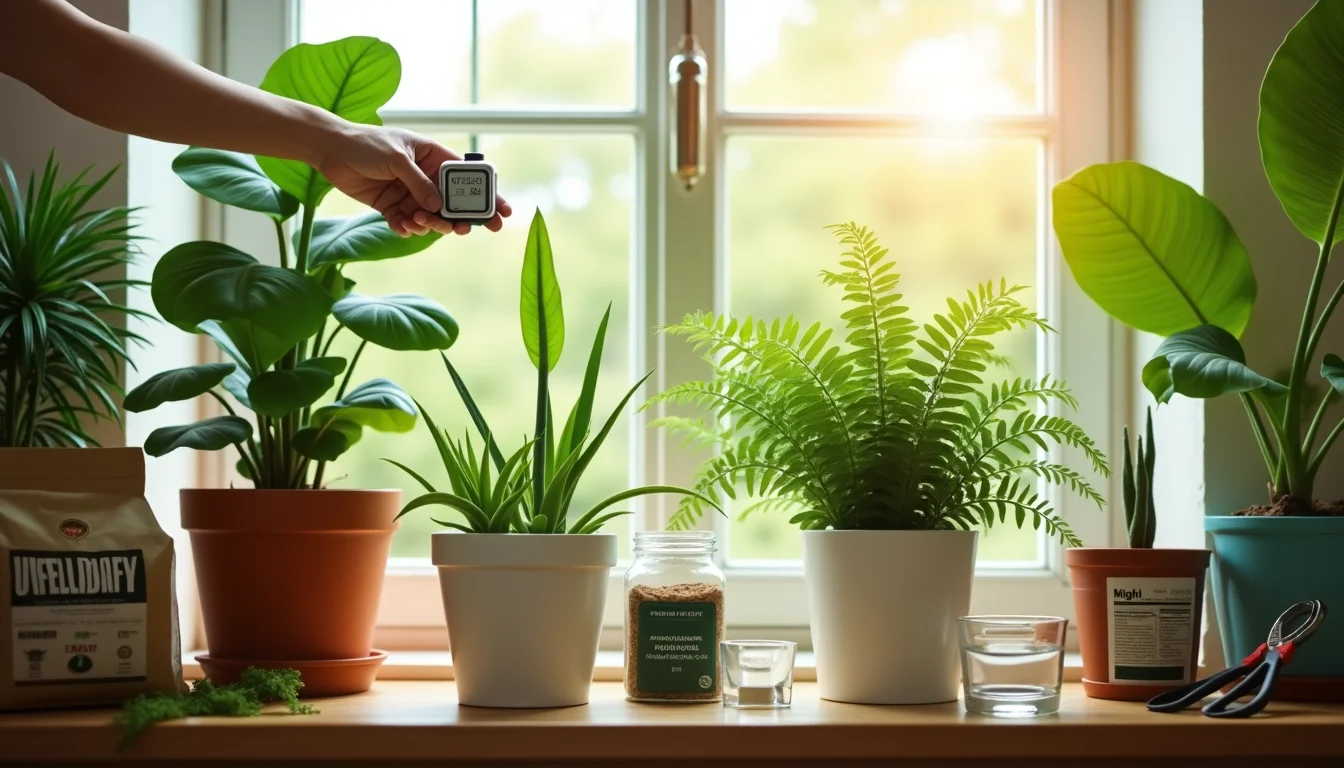
moisture meters for container accuracy
Additionally, early morning watering reduces evaporation. So, your water goes into the soil instead of the air.
Tools and support materials for planting
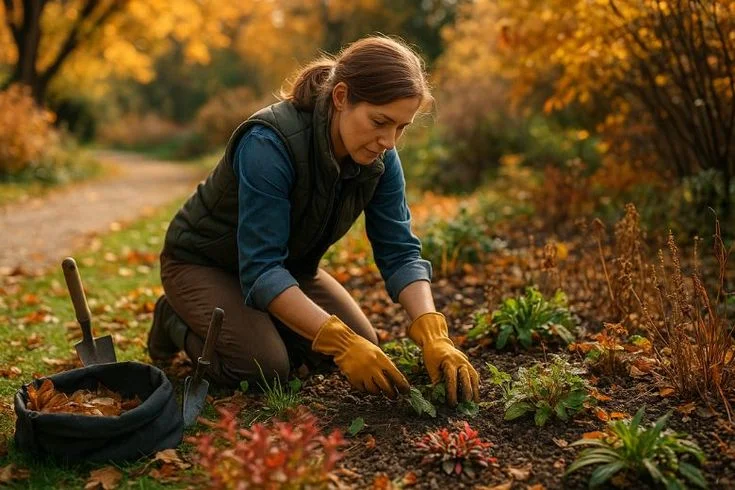
Planting becomes easier and cleaner when you use the right tools. Also, tools prevent root damage caused by rough handling.
Basic must-haves:
-
hand trowel and spade
-
rake for leveling
-
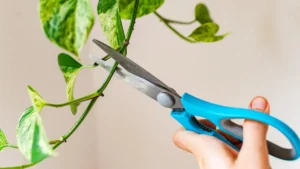
pruners for trimming roots or cuttings
-
gloves for safe handling
Support materials:
-
stakes for young plants
-
trellises for climbers
-
soft ties to avoid stem cuts
Moreover, supported plants get more sunlight and airflow. As a result, they face fewer fungal issues.
Protective planting materials for better survival
Many plants fail in the first few weeks. So, protection is often the difference between success and disappointment.
Useful protective items:
-
seed trays and domes to hold humidity
-
shade cloth to reduce heat stress
-
row covers to block pests
-
netting to protect fruiting plants
However, don’t keep covers on too long. Otherwise, airflow drops and mold risk rises.
How to choose planting materials for your project
Start with your goal, then match materials to your situation. This keeps spending smart and results reliable.
Consider climate first
Hot, dry areas need moisture-holding media, mulch, and shade support. Meanwhile, wet areas need drainage-focused mixes and raised beds.
Match to plant type
Leafy greens need fast nutrition and steady moisture. On the other hand, fruiting plants need stronger feeding later in the season.
Think about space
Containers need lighter mixes and regular feeding. However, garden beds can rely more on compost and mulch layering.
Common mistakes to avoid
Even with good planting materials, small mistakes can reduce success. So, watch out for these issues.
-
using fresh manure that burns roots
-
planting in compact soil with poor drainage
-
overwatering seedlings and causing damping-off
-
over-fertilizing early and forcing weak growth
-
ignoring soil pH and nutrient balance
Instead, keep it simple. Build good soil, water consistently, and feed gradually.
Moreover, if you’re growing potatoes, weak stems can also happen due to watering imbalance, wind exposure, or poor hilling so read this guide on why potato plants fall over to fix it early and protect your harvest.
Simple checklist before you plant
Use this quick list to stay organized. Also, it helps you avoid last-minute problems.
-
clean pots or prepared beds
-
quality potting mix or improved soil
-
compost or organic matter
-
mulch material ready
-
support stakes or trellis if needed
-
watering plan in place
FAQs
What are the most important planting materials for beginners?
Start with healthy seeds or seedlings, quality soil or potting mix, compost, and mulch. Also, a basic trowel and watering can make the process much easier.
Can I use garden soil in pots?
You can, but it’s not ideal. Garden soil often compacts in containers. Therefore, a light potting mix usually gives better drainage and healthier roots.
How do I know if my soil needs amendments?
If water sits on top, the soil is likely compacted or clay-heavy. On the other hand, if it dries too fast, it may be sandy. A simple soil test also helps you choose the right fix.
Is compost enough, or do I need fertilizer too?
Compost improves soil and provides gentle nutrition. However, heavy-feeding plants often need extra fertilizer later for best results.
Which mulch is best for vegetables?
Straw, dry leaves, and compost work well. Moreover, they break down naturally and improve soil over time.
Conclusion
Planting materials decide how well your plants start, grow, and produce. So, if you invest in the right seeds or seedlings, improve your soil with compost and smart amendments, and protect moisture with mulch, you’ll see stronger growth and better harvests.
Most importantly, keep your approach balanced. Choose materials that match your climate and plant type, then use steady watering and gentle feeding. As a result, your garden becomes easier to manage and far more rewarding. Also, if you’re planning to grow carrots, check the carrot planting season guide to pick the right time for sowing and better germination.