Keeping lilies as a beginner can make you feel troubled, but there is nothing difficult about it.
Do you know why?
It is one of the best indoor flowering plants and is easy to care for. Its dark green leaves and bright white flowers give the room a fresh and pretty look.
As a beginner, you do not need any prior experience or skill to keep them happy. If you’re just starting your indoor gardening journey, you may also enjoy reading our beginner-friendly guide on growing peace lilies successfully. Even if you make a mistake, it won’t be a problem because peace lily care is easy to maintain. But if you don’t know how to do it, this guide will make you feel in heaven.
Tighten up your seat and let’s go to explore the easy ways of keeping your lilies smiling always!
Peace Lily Care Secrets Every Indoor Plant Lover Should Know
Your peace lilies are easy to care for. This is why it is considered the ideal indoor plant for beginners. They grow quickly in indirect light, regular watering, a constant temperature, and proper feeding intervals.
Just follow these fundamentals to keep lilies healthy, rich, and happy.
Light Requirements
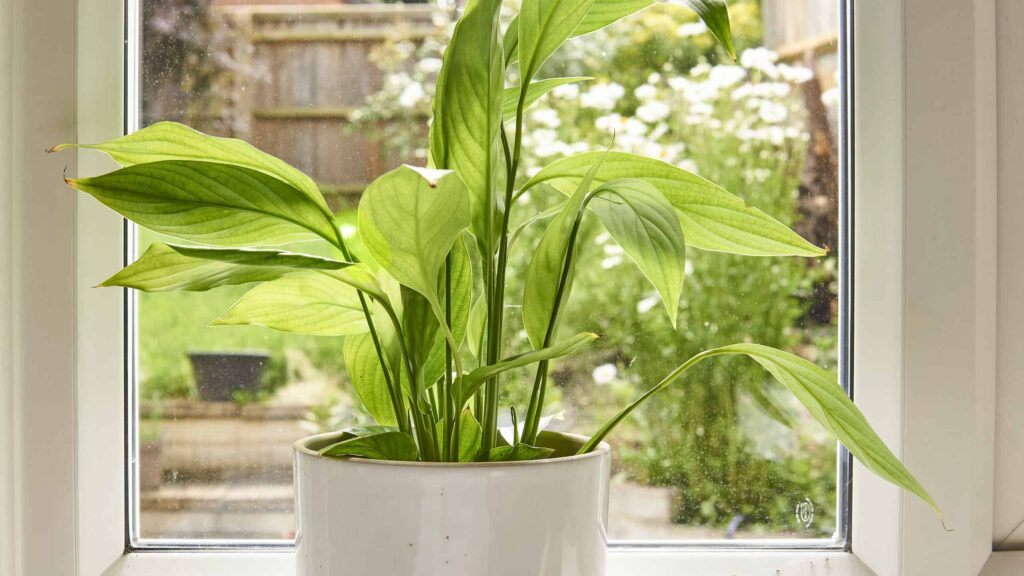
The first fundamental is take care of the peace lily light needs. They do not require direct sunlight because they thrive in indirect light. Direct sunlight may damage plant growth. They survive in low light, which helps them grow better and bloom more effectively. To better understand proper placement and how much brightness your plant actually needs, read our detailed guide on how much light does a peace lily need for healthy growth and blooming . To keep them happy, remember that they:
- Grow very well in low, indirect light.
- Bright indirect light enhances better growth and flowering.
- Are able to survive in low light but experience retarded growth.
- Can be burned in direct sunlight.
- Enjoy the soft and natural light, so keep them close to the window.
Watering Routine
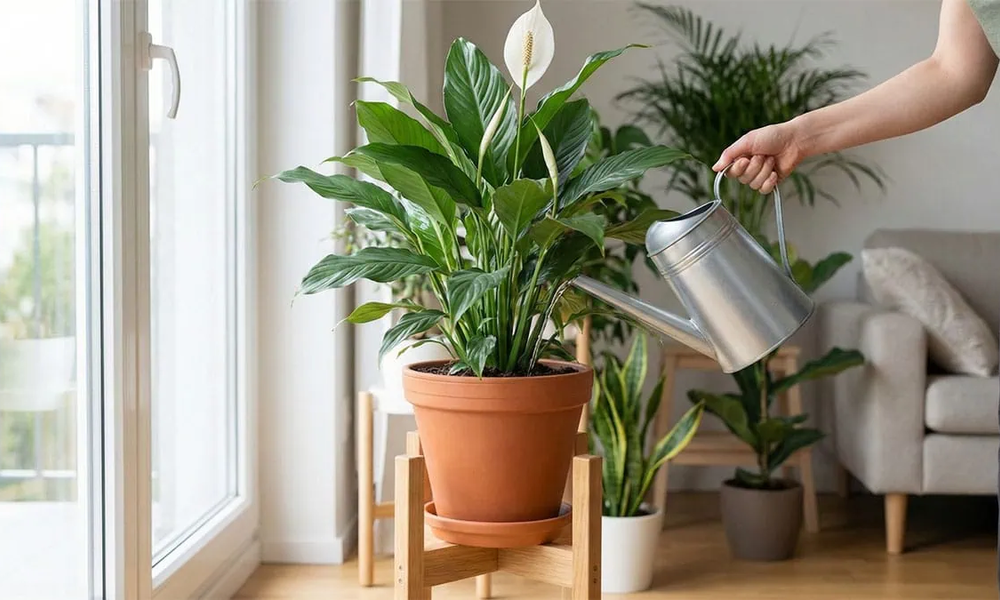
A peace lily watering routine isn’t that tough because they prefer to be slightly moist. Excessive watering can damage its roots. So you need to keep a balanced routine to keep them healthy and fresh. Knowing how often should you water a peace lily in winter is especially important because watering needs change with the seasons. For their good health, follow this watering routine.
- Only give them water when the soil becomes dry.
- Their watering gap should be 1 to 2 weeks, not more.
- The moist should be kept moist, not soggy.
- Water them when you find broken leaves.
- But if you notice yellow leaves, STOP watering them, as it’s a sign of overwatering.
Humidity and Temperature
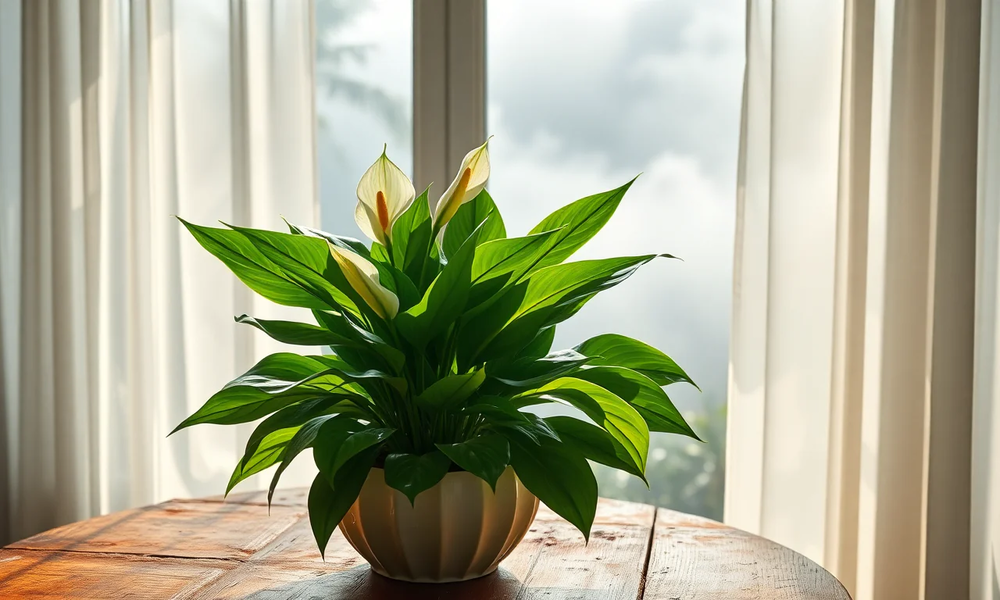
Lilies prefer humid conditions and warm temperatures. You need to keep the indoor temperature well; this will help them develop properly and avoid most problems.
- Do not prefer dry winds (below 50% or less humidity)
- Sometimes mist in case the indoor air is dry.
- The needed temperature is 65-80 °C.
- Keep them away from cold air drafts, heaters, and ventilation air conditioners.
- Do not have sudden changes of temperature.
Soil and Potting
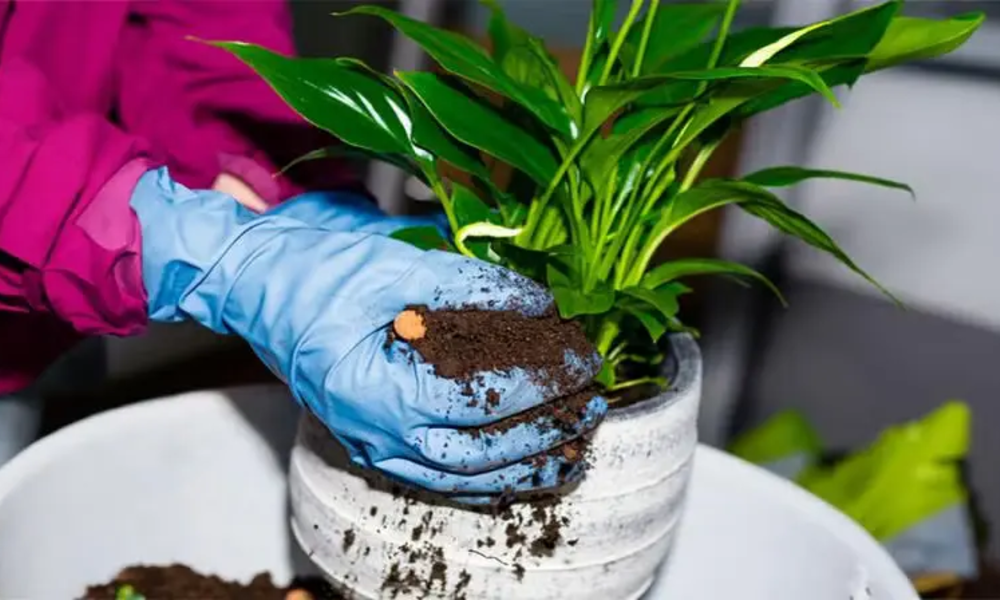
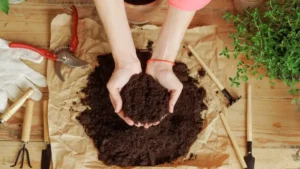
Selecting the appropriate soil and pot also helps ensure healthy roots by allowing water to flow properly. Also, better growth requires repotting, so repot them when needed.
- A well-drained, high-quality potting mix is recommended.
- Use pots with holes for better results.
- Re-pot every 1-2 years to renew the soil.
- Repot your plant if you see roots crowded together or growing out of the drainage holes.
- Using a slightly larger pot can help your plant grow better.
Fertilizing
Peace lilies do not need to be fed often, but occasional plant food helps keep their leaves healthy and encourages blooming. As your plant gets bigger, a bit more food will help it stay healthy. Choosing the right peace lily fertilizer supports stronger leaves and encourages more frequent blooms.
- Add a half-strength liquid balanced fertilizer.
- Feed every 6-8 weeks in spring and summer.
- Do not fertilize them much in winter.
- Assists in good growth and blossoming.
- Ways to avoid this:
- Do not over-fertilize roots to cause injury
- Do not over-fertilize roots and cause injury
General Maintenance
Caring for your peace lily helps you keep it in good condition, clean, and in the office. Easy maintenance practices can help ensure it lasts a long time without issues.
- Removal of peace lily yellow leaves.
- To dust off every now and then.
- Check the indications of watering issues.
- Repot in case of root-boundness of the plant.
- Care should be continually practiced.
Most common problems and solutions for Peace Lilies.
No doubt, every coin has two sides, so yes, there are some problems with peace lilies, but this guide also provides you with the solution.
Drooping Leaves: A Warning Sign You Shouldn’t Ignore
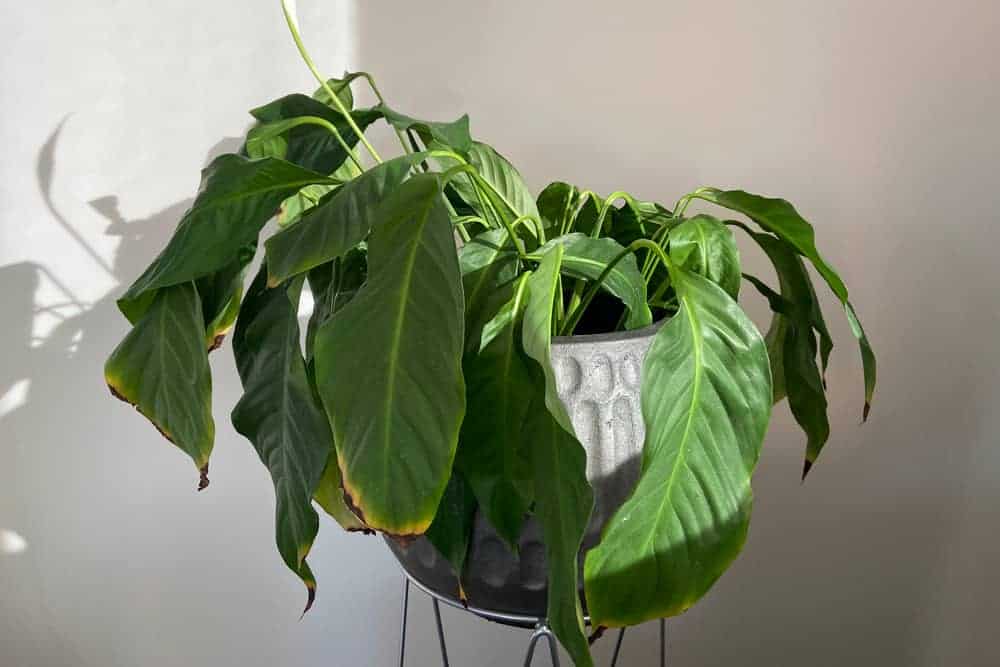
Droopy leaves are a sign of a lack of water. Water your plant and keep the soil moist. This will help your leaves get raised within a few hours. If the plant continues wilting, understanding why is my peace lily drooping even after watering can help identify deeper root or drainage problems.
Why Are the Leaf Tips Turning Brown?
This is very typical and tends to occur when the air is dry, you occasionally forget to water, or there are minerals in the tap water. Spray the plant occasionally, and filter the water where possible. Regular watering is useful.
What Yellowing Leaves Are Trying to Tell You
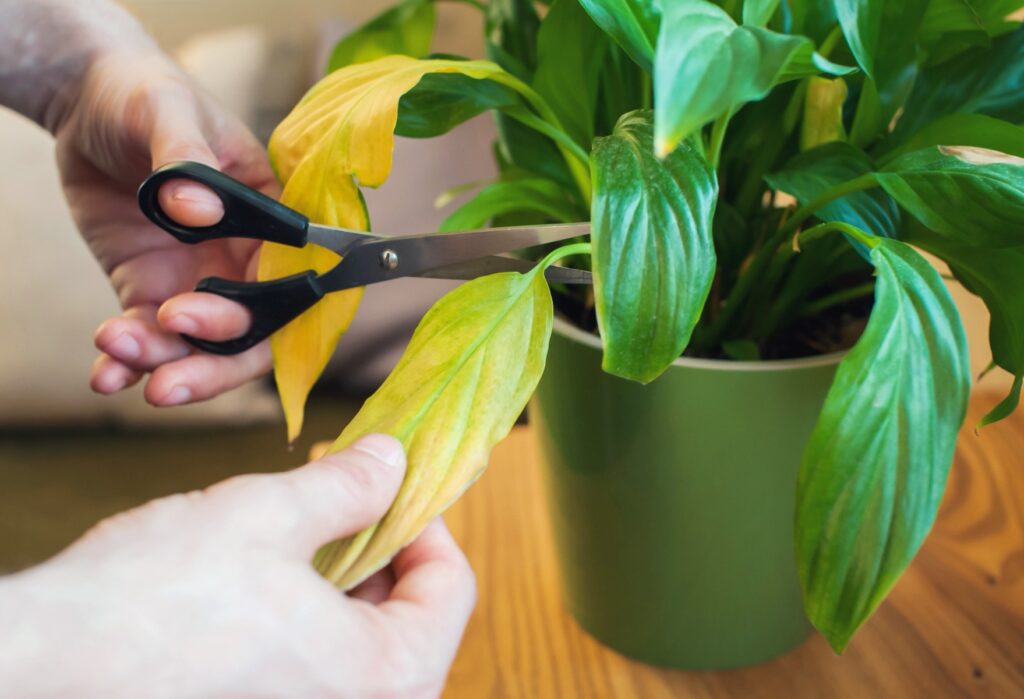
Do you have some leaves that are yellowing?
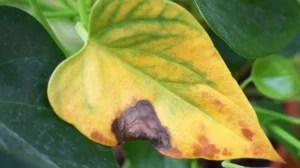
If yes, this is a clear indication of overwatering or underdraining of the pot. Keep a spare place to help the surface dry after rain, and do not forget to leave the holes at the bottom. This will help prevent additional leaves from turning yellow. Learning the common causes of peace lily yellow leaves makes it easier to correct watering or soil drainage mistakes quickly.
No Blooms
No blooms is an obvious plant growth disturbance, but you can cure it with extra attention. You can also provide a bit of fertilizer during this period. That should help it bloom.
Are Hidden Pests Damaging Your Plant?
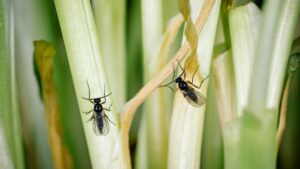
One more thing that can damage your plants is the secret pests, such as spider mites or aphids. They can be removed by wet tissue or any insecticidal soap.
Peace Lilies are Also Associated With Several Disadvantages.
If you are keeping lilies at home, you only need to take care of a few things that could be considered disadvantages. Beaware of these disadvantages and enjoy the beauty of lilies.
Toxic to Pets and Humans
If you are a pet lover and also have peace lilies at home, then it’s for you. Peace lilies are not edible; they can cause severe stomach pain, which might irritate you. So, keep your pets away from lilies. Many pet owners ask whether are peace lilies toxic to cats, and it’s important to understand the risks before placing one within reach.
Needs Medium to Great Humidity.
As they require a humid climate. When your home becomes too dry, you can maintain humidity with a humidifier. This will keep your lilies’s leave alive.
Sensitive to Overwatering
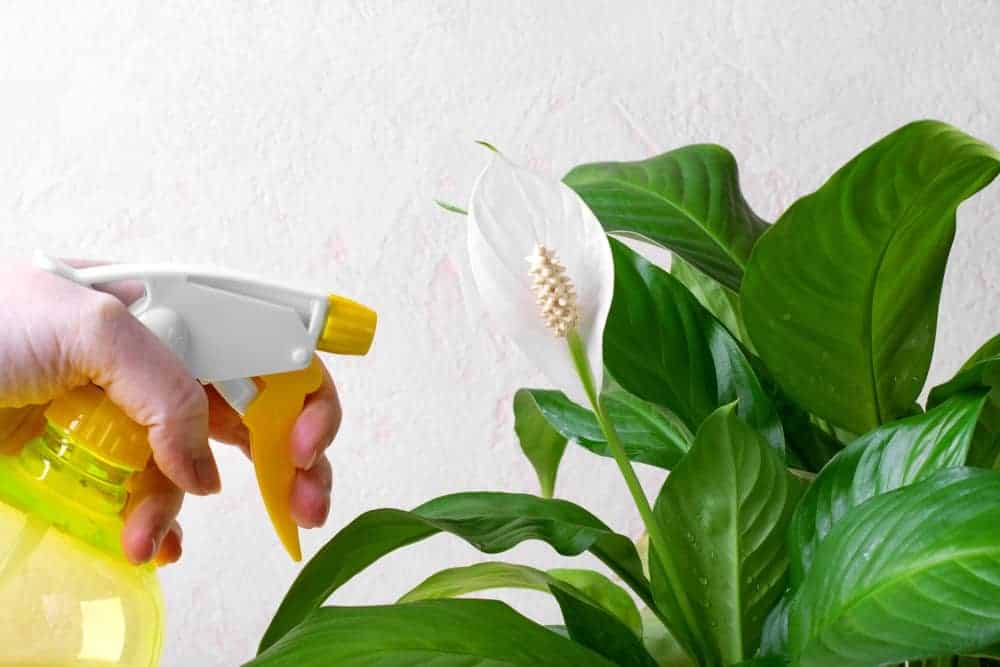
They need water, but always remember they get irritated by overwatering. Also, you keep noticing that an overabundance of water or a pot that does not drain can lead to root rot, which is harmful to your plant. So water only when it’s needed.
Slower Growth in Low Light
Although they don’t require direct light, their growth also slows in dim light. If you want constant growth and blooming flowers, place your plants in brighter light.
Leaves Collect Dust Easily
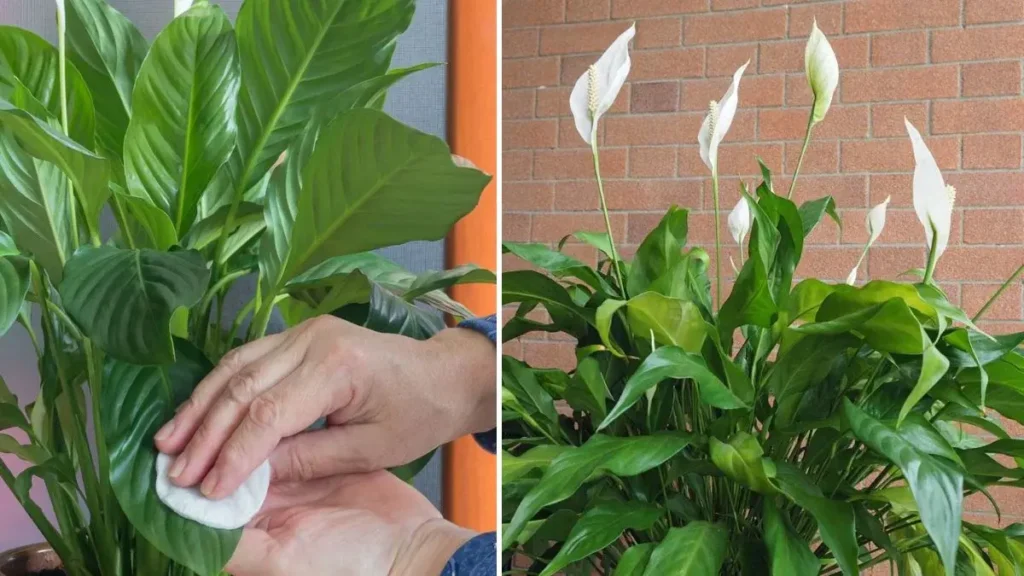
The big leaves can get dusty. Wipe them periodically so your plant can absorb more light and stay healthy.
Conclusion
Peace lily care is easy, even if you’ve never owned a plant before. Just give it some indirect light, water it when the soil feels dry, and try to keep the air a bit humid. Feed it once in a while, and your peace lily will reward you with beautiful leaves and white flowers. Stick to these simple tips, and your plant will thrive for years to come.
If you ever need more advice or help picking out a plant, just reach out to our team. We’re happy to help you make your peace lily a success!
FAQs
How should a peace lily be watered?
Keep the soil surface dry. When watering, water until water drains from the bottom of the pot. Avoid overwatering, make sure the roots aren’t sitting in water.
What are typical problems with the peace lily?
There are some typical problems with peacelily:
- Underwatering
- Overwatering
- Pests
- Lack of light
- Crappy water quality
It is simply old, and the plant does not seem to need continued support.
What does an overwatered peace lily look like?
An overwatered peace lily looks unhealthy, having droopy, soft leaves, and it is dangerous for your lilies. Avoid overwatering your plants. Water tem only when it’s needed.
What is an unhealthy peace lily care?
An unhealthy peace lily is most likely showing yellow or dead leaves. Also, overwatered leaves are unhealthy, too.