The parlor palm could just be what you need, in case you are going to need an instant mood, softer, calmer, and inviting feeling in a room without becoming a second job in taking care of the plant. The left parlor palm, when the proper attention is given to it, may remain a beautiful specimen of the palm fronds for years, and it demands very little in return.
It is called Chamaedorea elegans and has adorned houses since the Victorian era.
And honestly?
It has not lost its popularity. It is sophisticated, fits anywhere, and is easy to maintain.
You adore decorative greenery but do not like the maintenance drama, then this one is your style. If you enjoy easy-care indoor plants, you might also like exploring complete guides on Peace Lily care for another elegant and beginner-friendly option.
Why Parlor Palms Just Work in Any Interior
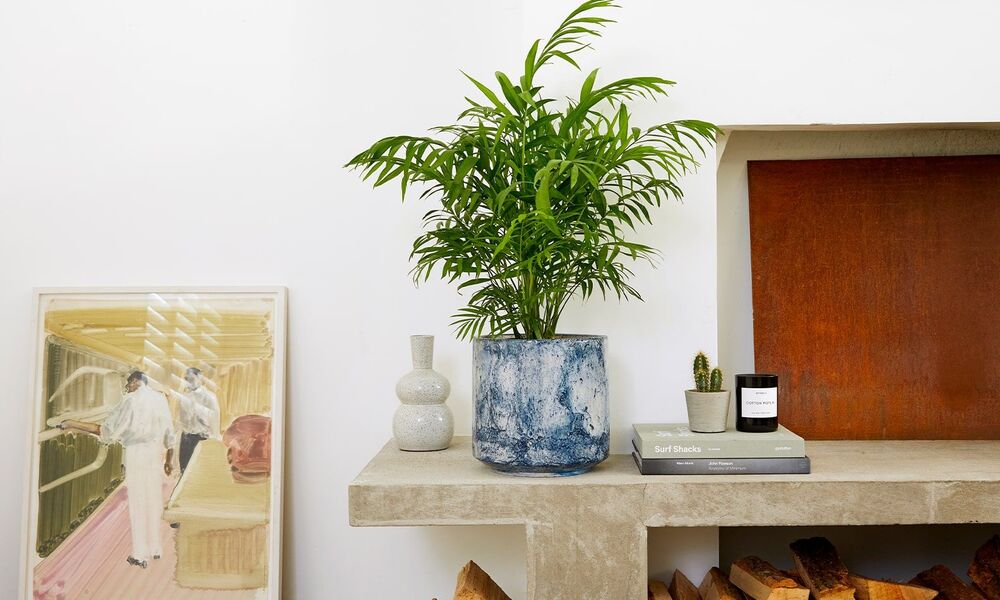
Have you ever observed how, in some places, plants crowd out other plants?
Parlor palms don’t do that. They are not too harsh and do not steal the show.
Their movement and texture are provided by their feathery, arching fronds, which balance sharp furniture lines, blank corners, and a neutral color scheme. Your space is either modern, cozy, minimal, or filled with objects, and this palm fits perfectly in.
And this is the most interesting part: it is not necessary to trim, shape, and fuss with parlor palm care all the time. They develop gradually, remain small and clean, and are graceful in their structure.
That is a paradise of decorative flora. If you’re designing a plant-friendly space, these living room plant ideas can help you create balance with statement greenery.
Identify What Your Parlor Palm Naturally Likes
This is one of the things that could come in handy: the parlor palms naturally grow as larger trees. It is that they are accustomed to filtered light, constant temperatures, and mild conditions.
And even though your home or office is not a tropical greenhouse, you have nothing to worry about; this plant does not demand it.
The care of palm houseplants would be much easier if it were remembered that this is a plant that does not demand perfection but rather consistency. It does not require excessive sunshine or humidity. It just needs balance. Understanding general how to care for an indoor plant principles makes palm houseplant care even easier.
Light: Soft and Indirect Is Perfect
Lighting flexibility is one of the reasons why parlor palm care is so easy. These palms very much like bright indirect light, and surprisingly, they live in low light.
If you can, have it close to a window where the sunshine is filtered. Shun excessive direct sunlight, as it may dry out or burn the leaves.
However, when your room does not receive much natural light?
That’s okay.
One of the most forgiving decorative greenery options is the parlor palm, which is better suited to lower-light spaces.
They will not grow quickly in the dark, but they will remain healthy. If you’re unsure about lighting conditions, this detailed guide on low light plants can help you choose the right placement.
And slow growth is actually good news for interior design. The plant does not lose its form easily and does not exceed its area.
Watering the Parlor Palm: No Frills
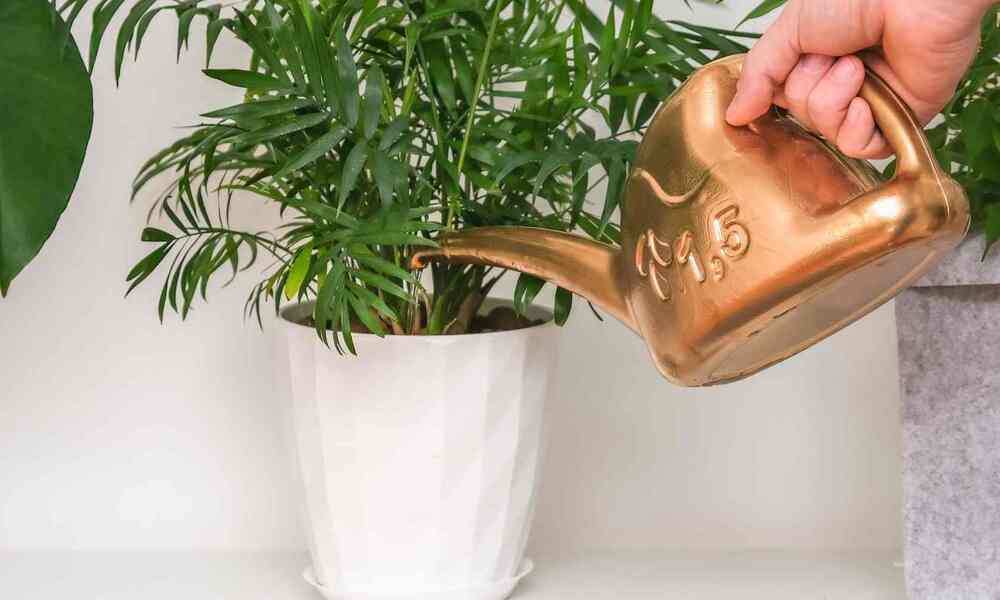
This is where the only thing that generally goes awry comes up: parlor palm watering.
It is easy enough not to overdo it.
And these are palms of lightly moist soil that is never soddy. Make contact with the soil prior to watering. If the upper inch is dry, water. Wait a few more days in case it is still wet.
In most houses, it is watered 1-2 times a week.
During winter? Even less.
It is much worse to be dotted than to forget occasionally. Many indoor gardeners struggle with overwatering—this guide on why indoor plants die explains the most common mistakes.
How to Tell If Watering Needs Adjusting
Your plant will give you signs. You just have to notice them.
| What You See | What It Means | What to Do |
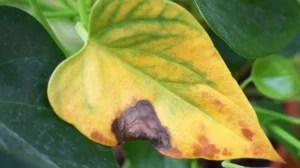
| Yellow leaves | Too much water | Let soil dry more |
| Brown tips | Dry air or uneven watering | Keep watering consistent |
| Droopy fronds | Not enough water | Water thoroughly |
| Dark, soft stems | Root rot | Improve drainage |
Balanced watering for the parlor palm is the foundation of healthy growth.
Pot and Soil: Don’t Think It Over
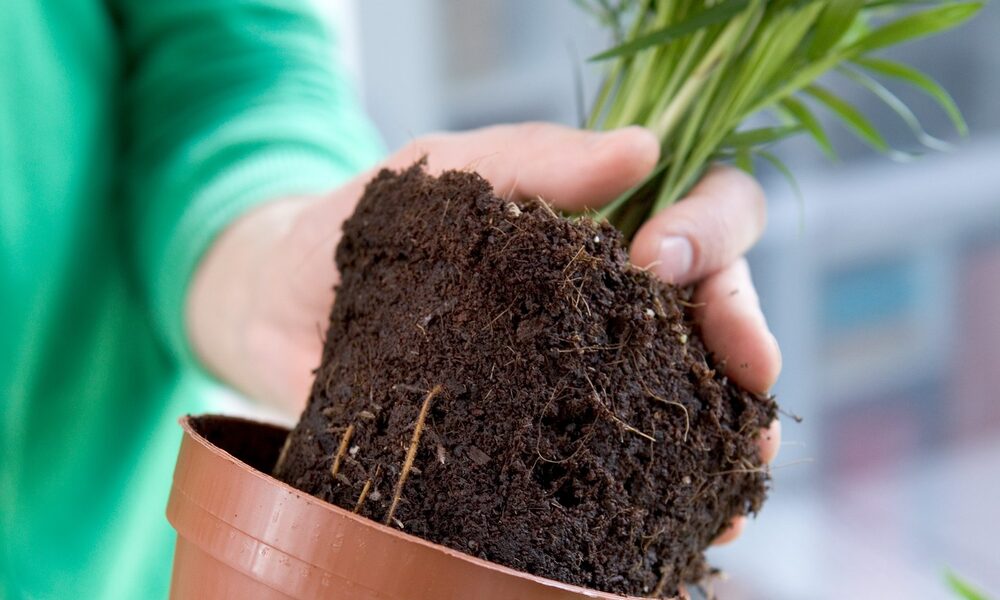
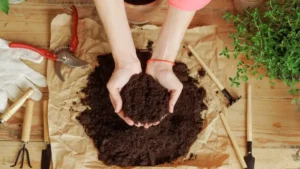
Parlor palm does not require special soil. An indoor potting mix that is of good quality is excellent.
The most important thing? Drainage.
Always use a pot with drainage holes. That in itself will address most watering issues.
Parlor palms grow slowly, so repotting is normally required every 2-3 years. New soil provides nutrients and supports root health.
That’s really it. Choosing the right container matters too. Explore ideas for stylish and functional choosing the right pots & planters to elevate your indoor décor.
Temperature: Consider the concept of the Hot Room
Your parlor palm is, I suppose, comfortable, too.
They can survive at room temperature (18 C to 27 C). No special heating pads or climate settings were needed.
All you need to do is keep them off drafts, heaters, and air-conditioning vents. Leaf stress may result from sudden changes in temperature.
Palm houseplant care is easy when it is in a stable condition.
Humidity: Take things easy. It is not demanding.
Most tropical vegetation requires high humidity. Parlor palms are far more careless.
Mean indoor humidity is okay. If the air is very dry, you may notice a slight brown tip. In such a situation, some misting or wiping every now and then comes in handy.
However, in most homes and offices, you will not need to do anything extra.
This is another reason this plant is ideal for decorative greenery with the least effort. If you enjoy low-maintenance tropical plants, you may also love learning about snake plant care, another resilient indoor favorite.
Feeding: Less Is More
Parlor palms do not feed heavily. In spring and summer, one month of a dilute liquid fertilizer can be used.
That’s it.
Fall and winter: Skip fertilizing. Excess feeding may lead to even greater troubles than malnutrition.
Simple Care Palm Parlor is always a winner.
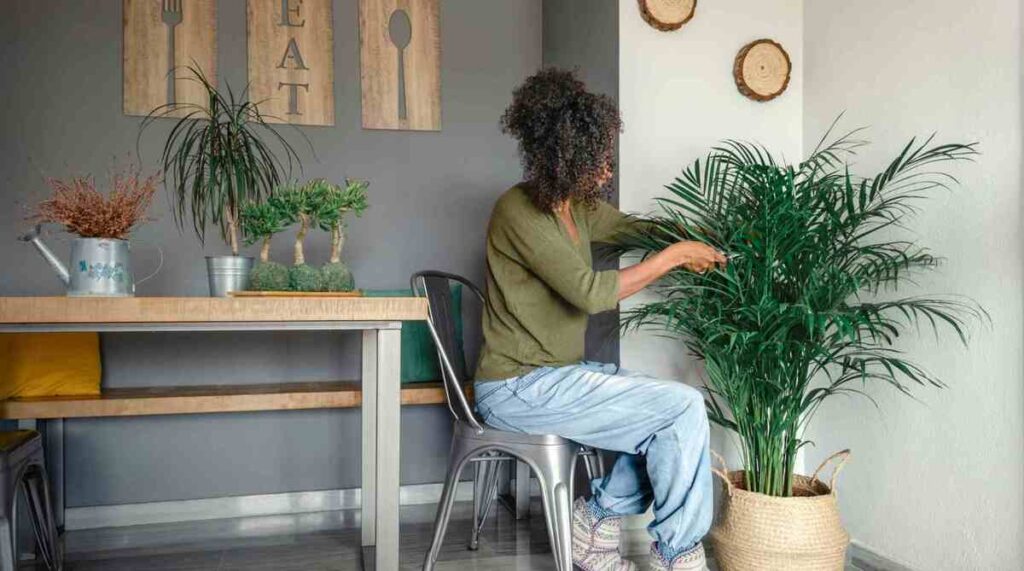
Cleaning: Pruning, Not Shaping
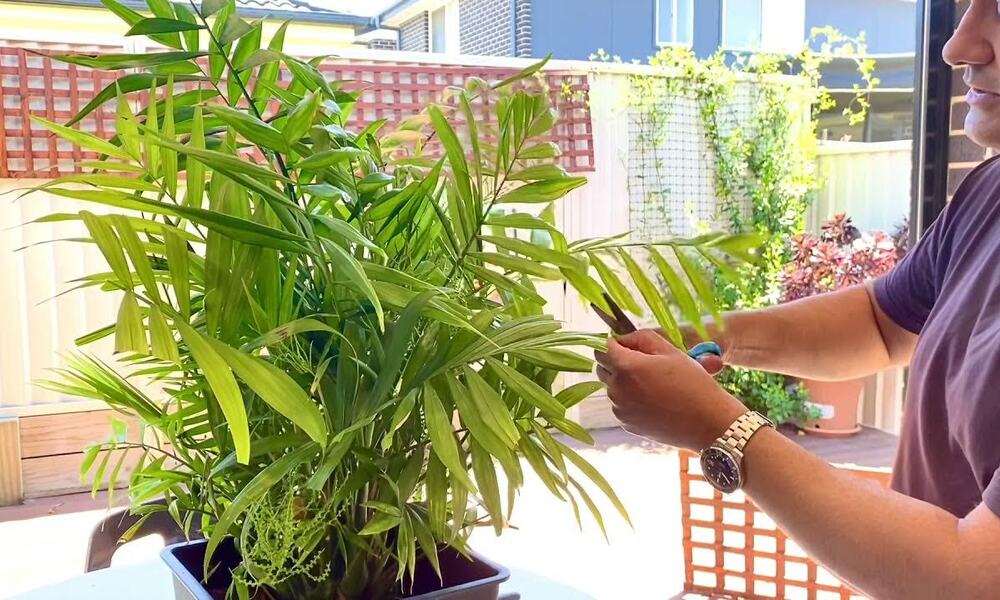
You do not have to keep on shaping this plant.
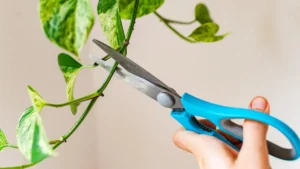
It is enough to pull off fronds that are entirely yellow or brown at the bottom. No fronds on the tree should be trimmed off; that is retarded growth.
Leaves should be wiped up periodically with a wet cloth to keep them shiny and smooth.
Minimal effort. Maximum elegance.
Styling Ideas: Room Style It
Now let’s talk décor.
Parlor palms look beautiful:
- Next to a sofa
- Beside a reading chair
- In an empty corner
- On a plant stand
- In a home office
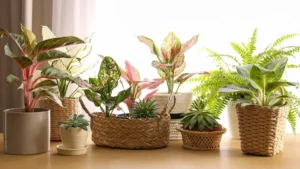
Their very tender fronds make the place soft without filling it up. They are ideal for decorative greenery that is not dramatic but rather serene.
Their screams do not call attention to themselves; rather, they help raise the space. For more vertical styling inspiration, check out these creative vertical planter wall ideas for modern interiors.
Issues (And Why They are Often Simple to Solve)
When something does not look right, it is one of the three things:
Too much water
Inconsistent watering
Very dry air
Brown tips? Adjust watering slightly.
Yellow leaves? Reduce watering.
Slow growth? That’s normal.
Parlor palm maintenance is not particularly difficult.
What to Expect Over Time
Parlor palms grow slowly, and that’s actually a good thing.
| Time Frame | What Happens |
| First year | Roots establish, light growth |
| 2–3 years | Slight increase in height |
| 3–5 years | Fuller, more layered fronds |
| 5+ years | Mature indoor palm presence |
With consistent care, palm houseplants can live indoors for many years.
Why Parlor Palms Are Perfect Decorative Greenery
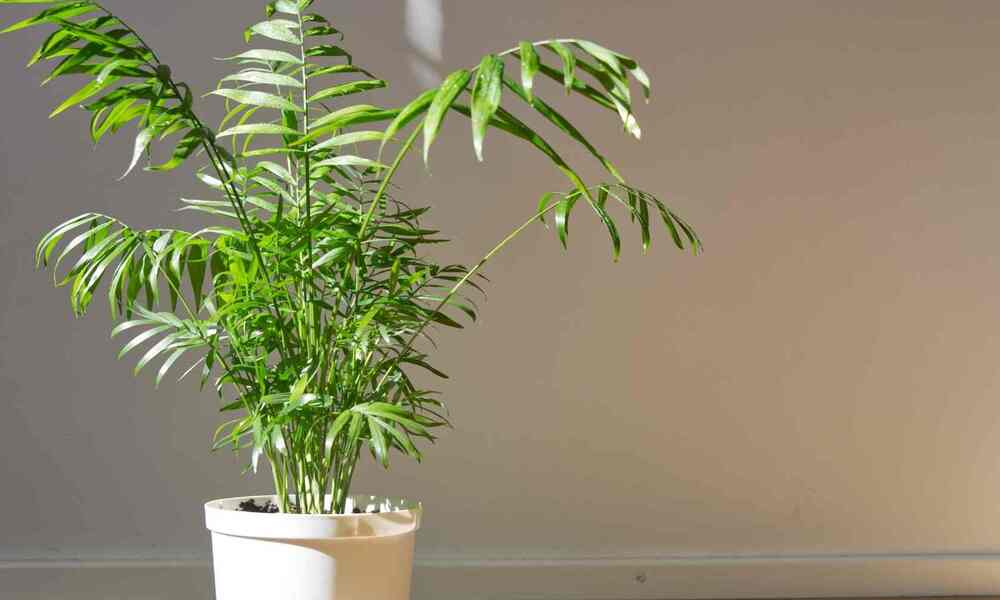
This plant is safe enough to use in case you fall in love with the idea of the indoor palms and do not want to maintain them.
It offers:
- Soft texture
- Compact growth
- Low light tolerance
- Minimal watering demands
- Timeless design appeal
Parlor palm is an easy grower that a novice can manage and is sophisticated enough to work with interior design-oriented interiors.
Conclusion
The parlor palm is a beautiful option if you want greenery that looks elegant without requiring daily plant maintenance.
In this case, evenly watered parlor palms and consistent palm houseplant care will ensure this plant remains graceful, healthy, and quietly beautiful for years.
Ornamental flora does not necessarily need to be complex. Even the most refined plants are sometimes the easiest to cohabit with.