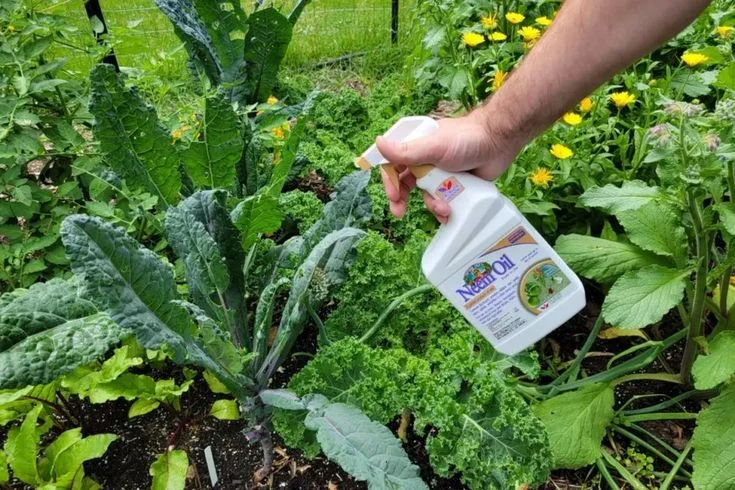
Neem oil and bed bugs is a combo you’ll see everywhere online, and for good reason. Neem comes from the neem tree and has natural compounds that can affect many insects. So, it feels like an easy, “natural” solution.
However, bed bugs are stubborn. They hide well, multiply fast, and can survive longer than most people expect. That means neem oil may help in some situations, but it’s rarely the only answer.
In this guide, you’ll learn what neem oil can realistically do, how to use it properly, and what to combine it with so you don’t waste weeks fighting the same infestation.
Why bed bugs are so hard to eliminate
Bed bugs don’t live on dirty surfaces they live near people. They squeeze into cracks in bed frames, behind baseboards, inside mattress seams, and even behind picture frames.
Moreover, they usually come out at night. So, you might not see them, even when the problem is growing.
Even worse, bed bugs can lay eggs in hidden spots. Those eggs hatch later, which is why many DIY treatments seem to “work” for a few days, then suddenly the bites return.
Because of that, any treatment plan has to target adults, nymphs, and eggs, plus the hiding places you can’t easily see.
What neem oil actually does to bed bugs
Neem oil contains compounds (especially azadirachtin in many neem products) that can interfere with insects’ growth and reproduction.
In practical terms, neem may:
-
Disrupt feeding and development in some insects
-
Make it harder for pests to grow or reproduce over time
-
Act as a repellent for certain bugs in certain conditions
That said, bed bugs are not like mosquitoes or ants. They’re built to survive.
So while neem oil might reduce activity or affect some bed bugs after direct contact, it often does not wipe out an infestation on its own especially if you have multiple hiding zones in a bedroom.
Neem oil vs. bed bug eggs: what most people miss

Here’s the big issue: bed bug eggs are tough. Many home remedies don’t reliably penetrate eggs or reach the tiny cracks where eggs are laid.
Therefore, even if neem oil kills a few exposed bugs, eggs may still hatch later. That’s why you need repeat treatments plus other steps that physically remove or kill hidden bugs. In other words, neem can be one tool, but you’ll want a full plan.
The best way to use neem oil for bed bugs (step-by-step)
If you want to try neem oil, use it carefully and use it in a way that supports a bigger strategy.
1) Choose the right neem product
Look for cold-pressed neem oil (often sold for gardening) or a ready-to-use neem spray. Read the label and follow it. Also, avoid random “homemade” mixes with harsh chemicals. That can damage fabric, irritate lungs, or stain surfaces.
2) Mix it correctly (if it’s a concentrate)
Neem oil doesn’t blend with water easily. So, many people add a small amount of mild liquid soap as an emulsifier, then mix with warm water. Shake well before and during use.
3) Apply it only where it makes sense
Focus on bed bug travel paths and hiding edges:
-
Bed frame cracks and joints
-
Baseboards and wall edges
-
Furniture seams (not drenched)
-
Gaps around slats and headboards
However, don’t soak mattresses or pillows. Instead, use a light mist on seams if the label allows—and let it fully dry.
4) Repeat on a schedule
Because eggs may hatch later, repeat treatment every few days for a couple of weeks while you also vacuum, heat-treat, and reduce clutter. Consistency matters more than a single heavy spray.
5) Ventilate and protect skin
Neem has a strong smell, and some people react to it. Therefore, open windows, wear gloves, and keep kids and pets away until everything is dry.
What to combine with neem oil for real results
If you want a “natural-leaning” plan that still works, pair neem with methods bed bugs can’t ignore.
Vacuuming (the fastest improvement)
Vacuum mattress seams, bed frames, baseboards, and nearby furniture. Then, immediately seal and discard the vacuum contents outside. Otherwise, the bugs can crawl back out.
Heat (bed bugs hate it)
Wash bedding, curtains, and clothing in hot water and dry on high heat. Additionally, heat is one of the most reliable killers for bed bugs and their eggs when done correctly.
Mattress and box spring encasements
Encasements trap bed bugs inside and stop new ones from hiding in seams. As a result, you reduce hiding places and make inspections easier. For more insights into maintaining a pest-free home, check out how often pest control should be done.
Declutter (so you remove hiding spots)
Bed bugs love clutter because it creates endless cracks and creases. So, bag items, sort them carefully, and treat them with heat if possible.
Monitor with interceptors
Put bed bug interceptors under the bed legs. This helps you confirm whether the infestation is shrinking because guessing is stressful and often wrong.
Safety notes you should not skip
Neem is “natural,” but that doesn’t mean risk-free.
-
Avoid spraying near food prep areas.
-
Keep it off your skin if you’re sensitive.
-
Don’t apply directly to pets.
-
Don’t mix neem with other pesticides unless a label specifically allows it.
If bites, rashes, or breathing irritation increase, stop and reassess.
When you should skip neem and call a pro
Sometimes, neem oil is simply not enough.
Consider professional help if:
-
You’re seeing bed bugs during the day (often a sign of a bigger issue)
-
Multiple rooms are affected
-
You’ve tried two weeks of consistent work with no improvement
-
You live in an apartment and bugs may be moving between units
Professionals can use commercial-grade treatments and may combine heat, targeted insecticides, and monitoring in a structured way.
For science-based bed bug guidance, you can also review the U.S. EPA’s bed bug resources here:
https://www.epa.gov/bedbugs
Common mistakes people make with neem oil and bed bugs

Spraying only the mattress
Bed bugs live beyond the mattress. So if you don’t treat bed frames, baseboards, and nearby furniture, the infestation keeps going.
Using neem once and stopping
You may see fewer bites for a few nights, then it returns. That’s usually eggs hatching or hidden bugs moving back out.
Skipping inspection
If you don’t find where they’re hiding, you’re treating blind. Instead, use a flashlight and check seams, cracks, and the headboard area closely.
FAQs
Can neem oil kill bed bugs instantly?
Not usually. Neem is not a guaranteed “instant kill” solution for an infestation. It may affect bugs it directly contacts, but bed bugs hiding in deep cracks often survive.
Is neem oil safe to spray on a mattress?
Light application on seams may be okay if the product label allows it, but soaking is a bad idea. Let everything dry fully and ventilate the room well.
How often should I use neem oil for bed bugs?
Typically every few days, paired with vacuuming and heat, for at least 2–3 weeks. However, if the infestation is heavy, neem alone may not be enough.
What smells do bed bugs hate?
Bed bugs may avoid certain strong smells temporarily, but smell-based solutions rarely eliminate infestations. Therefore, focus on heat, vacuuming, encasements, and monitoring.
What is the most reliable method to kill bed bugs?
Heat treatment (properly done) is one of the most reliable methods, especially for eggs. Many successful plans also include professional-grade products and repeat inspections.
Conclusion: Should you use neem oil for bed bugs?
Neem oil can be a helpful support tool, especially when you’re also vacuuming, using heat, reducing clutter, and sealing mattresses with encasements.
However, if you rely on neem alone, you may end up with a cycle of “better for a week, worse again later.” Bed bugs are simply too resilient for a single-step fix.
So, use neem oil wisely: treat the right areas, repeat on a schedule, and combine it with proven methods. And if the problem isn’t improving, don’t hesitate to escalate. The faster you act, the easier it is to win.
For additional tips on pest control strategies, including those for boats in Florida, you can check out our detailed guide on boat pest control in Florida.