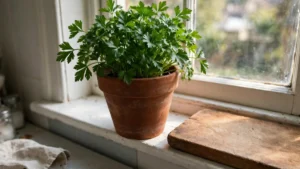
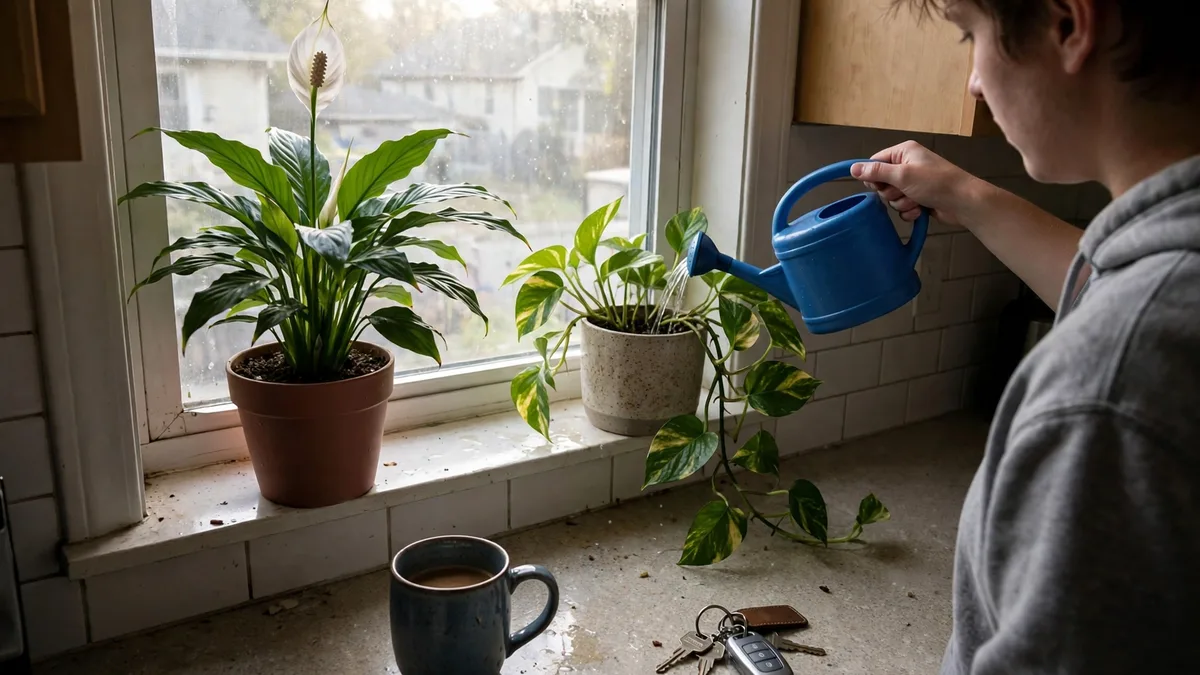
Low-maintenance plants are not one kind of plant. They are a way of choosing. Most people who kill plants do not have a watering problem, they have a matching problem: a thirsty plant in a dark flat, or a sun-lover stuck in a shady garden bed. Get the match right and the plant mostly looks after itself. This guide is a picker, not another long list. Start with your light, then pick your effort level, and you will end up with plants that forgive you indoors and outdoors.

How the Picker Works: Light First, Effort Second
Every low-maintenance plant below sits in one of three effort tiers. Monthly plants need a drink roughly every three to four weeks once settled. Fortnightly plants want water about every two weeks. Weekly plants need a drink once a week in dry weather and much less when it rains. Pick the tier that matches your real habits, not the habits you wish you had. A monthly plant watered weekly will rot; a weekly plant watered monthly will crisp. Honesty here is the whole trick.
Light comes first because it decides everything else. A plant that stores water in thick leaves or swollen roots can survive a missed watering, but it cannot survive months in light it was never built for. Check your spot at midday: a bright spot gets direct sun for several hours, a medium spot gets gentle light near a window or a partly shaded bed, and a low spot gets almost no direct sun at all. Match the plant to the spot and the effort tier takes care of itself.
Indoor Picks for Low Light
Dim rooms are where low-maintenance plants earn their reputation. The snake plant is the classic choice: upright, sword-like leaves that store water, happy in a dark corner or a bright room, and content with a drink every three weeks. The ZZ plant is its quieter cousin, with glossy leaves and thick underground rhizomes that shrug off drought and low light alike. The cast iron plant is the slowest and toughest of the three, built for hallways and shaded corners where other plants give up. If you want the full indoor rundown, this guide to low maintenance indoor plants for beginners covers the care details for each of them.

Indoor Picks for Bright Light
A sunny windowsill suits a different set of forgiving plants. Jade is a succulent with thick, coin-shaped leaves that hold water for weeks, and it loves a bright spot and a pot that dries out between waterings. Aloe vera is the same idea in a softer shape: fleshy leaves, a drink every two weeks, and a real dislike of soggy soil. The ponytail palm stores water in its swollen base and grows into a quirky statement plant with a fountain of curly leaves. These three are the ones to choose if your windows get real sun, and they are all on the list of indoor plants that thrive on neglect, ranked by how long each can go without water.
Outdoor Picks for Sun
Outside, the forgiving plants are the ones that evolved in dry, sunny places. Lavender wants sun, poor soil, and very little water; overwatering is the one thing that kills it. Rosemary is the same story in a shrub: woody, fragrant, and happy to be left alone in a sunny bed or a large pot. Daylilies tolerate poor soil and drought, come back bigger every year, and flower for weeks with no feeding or dividing. Yarrow flowers from early summer until autumn on about half an inch of water every three weeks. Plant these in soil that drains freely, give them a deep soak when you do water, and they will cope with the weekends you forget them entirely.

Outdoor Picks for Shade and Balconies
Shady gardens and balconies have forgiving plants too, and they are the ones most people overlook. Hostas thrive in shade, need little more than a drink in a long dry spell, and come back every spring. Ferns in a sheltered, shady corner ask for occasional water and nothing else. On a balcony, the trick is pots with drainage holes and plants that suit the light you actually get: succulents and sedums for a sunny railing, hostas and ferns for a shaded one. Pots dry out faster than garden beds, so balcony plants move up one effort tier: a monthly plant in the ground becomes a fortnightly plant in a pot.
Build Your Starter Set of Five
If you want a simple starting point, build a set of five that covers every spot you have. Put a snake plant in your darkest room, a jade on your brightest sill, a lavender by the front door or on a sunny balcony, a daylily in the sunniest garden bed, and a hosta in the shadiest corner. That is one plant per light condition, and none of them needs more than a fortnightly drink once settled. You can add flowers to the set later: these low-maintenance flowers you cannot kill bloom through missed waterings and hot weekends away, and they pair well with the foliage plants above.

The Two Rules That Make It Work
Forgiving plants still have two non-negotiable needs. First, drainage: no plant on this list survives sitting in wet soil, so every pot needs holes and every bed needs soil that does not puddle after rain. Second, a deep drink when you do water. Soak the soil properly instead of sprinkling the surface, and the roots will grow down where the moisture lasts. A light sprinkle every day is far worse than a proper soak once a month, indoors and out.
Mistakes That Kill Forgiving Plants
The most common mistake is loving a low-maintenance plant too much. Watering on a fixed weekly schedule, whatever the soil feels like, rots the roots of plants built to go dry. The second mistake is the wrong pot: a beautiful pot with no drainage hole is a slow drowning. The third is moving a plant to a spot that suits your furniture instead of its light needs, then blaming the plant. Check the top inch or two of soil before watering, keep the drainage holes clear, and let the plant tell you when it is thirsty. Picked this way, low-maintenance plants do not just survive forgetfulness. They make it irrelevant.