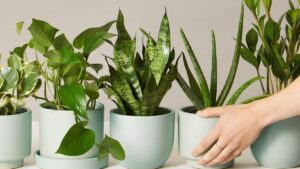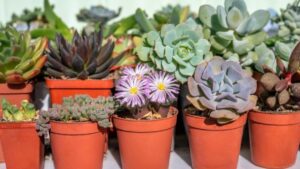
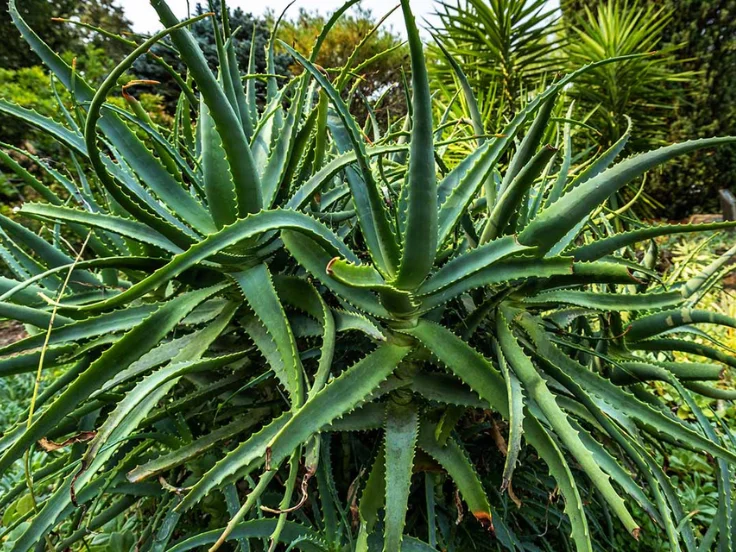
The large aloe vera plant is one of the most versatile and attractive succulents for both indoor and outdoor spaces. Moreover, its thick, fleshy leaves are not only visually appealing but also store medicinal gel that has been used for centuries to soothe skin, heal minor wounds, and provide natural hydration.
Additionally, this hardy succulent requires minimal maintenance, making it ideal for both beginners and experienced gardeners. Furthermore, a well grown large aloe vera plant can serve as a striking centerpiece in gardens, patios, or living rooms.
By understanding its care requirements and growth patterns, you can enjoy a thriving aloe vera plant that offers long term benefits.
Growing Conditions for a Large Aloe Vera Plant
Sunlight Requirements
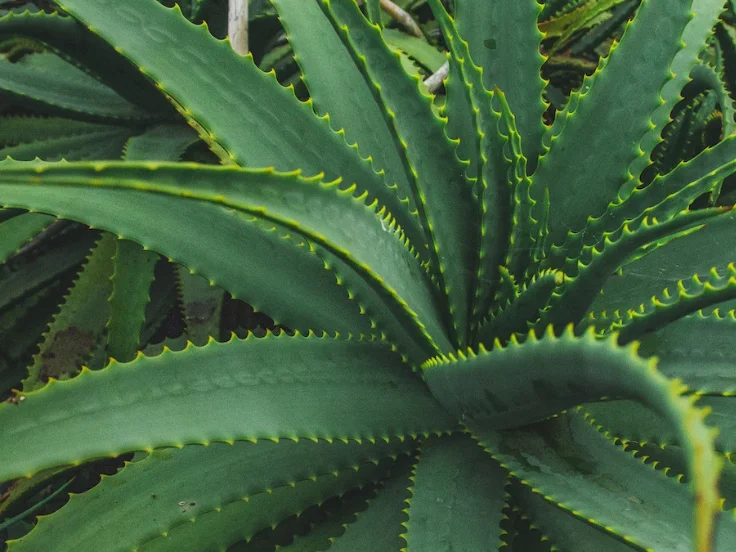
A large aloe vera plant thrives in bright, indirect sunlight. However, too little light can slow its growth, while excessive direct sunlight can scorch its leaves. Ideally, place it near a south- or west-facing window indoors.
For outdoor cultivation, partial shade during hot afternoons is recommended to avoid damage. Aloe vera can tolerate full sun in cooler climates, but in hotter regions, filtered sunlight is essential.
Temperature and Climate
Aloe vera prefers temperatures between 60°F to 85°F (15°C to 29°C). Therefore, it is sensitive to frost and should be moved indoors if temperatures drop below 50°F (10°C).
In warmer climates like Karachi, aloe vera can be planted outdoors during spring and summer. Nevertheless, during colder months, either move it indoors or provide frost protection to ensure survival.
Soil and Potting Tips
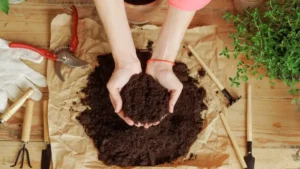
For optimal growth, a well draining soil mix is essential. Cactus or succulent specific potting mixes work best. Alternatively, you can amend regular soil with sand or perlite to enhance drainage.
Choose pots with drainage holes so that water does not accumulate at the roots. A shallow, wide pot is ideal, because aloe vera spreads horizontally through offsets.
Watering and Fertilizing a Large Aloe Vera Plant
How Often to Water
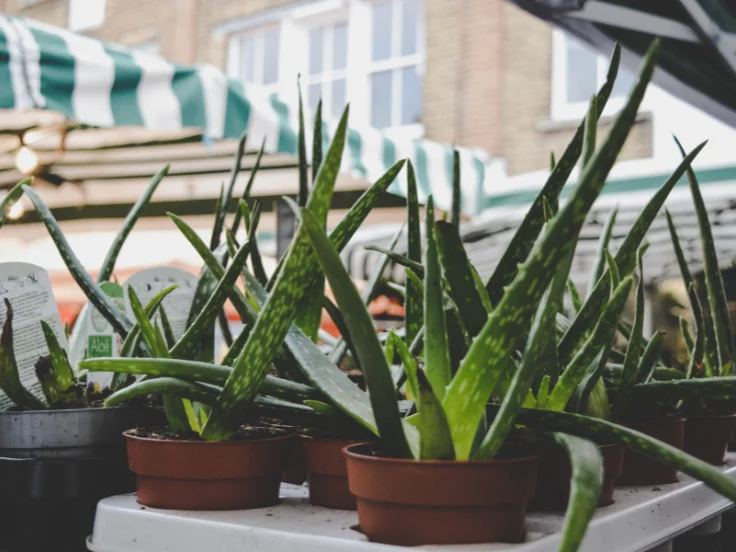
One of the most common mistakes is overwatering. Aloe vera plants store water in their leaves, therefore they only need watering when the soil is completely dry. Typically, watering every 2–3 weeks is sufficient during the growing season.
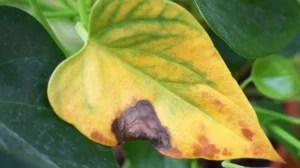
During winter dormancy, reduce watering to once a month. Signs of overwatering include yellowing, soft, or mushy leaves. Conversely, if leaves start to shrivel, it may indicate underwatering. For a complete guide on caring for your aloe plant, including watering, sunlight, and propagation tips, check out how to care for a medicinal aloe plant.
Fertilizing Your Aloe
Although not essential, fertilizing can promote faster growth. Use a balanced water-soluble fertilizer diluted to half strength during the growing season. Fertilize every 4–6 weeks, avoiding fertilization in winter.
Moreover, organic options like compost tea or diluted fish emulsion are excellent alternatives for eco friendly gardeners.
Pruning and Propagating a Large Aloe Vera Plant
Pruning Dead or Damaged Leaves
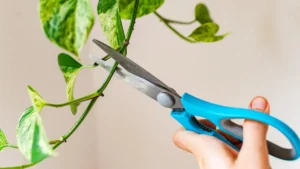
Regular maintenance ensures a healthy and attractive plant. Remove dead, damaged, or dried-out leaves at the base with sterilized scissors. This not only improves the appearance but also prevents the spread of disease.
Managing Offsets (Pups)
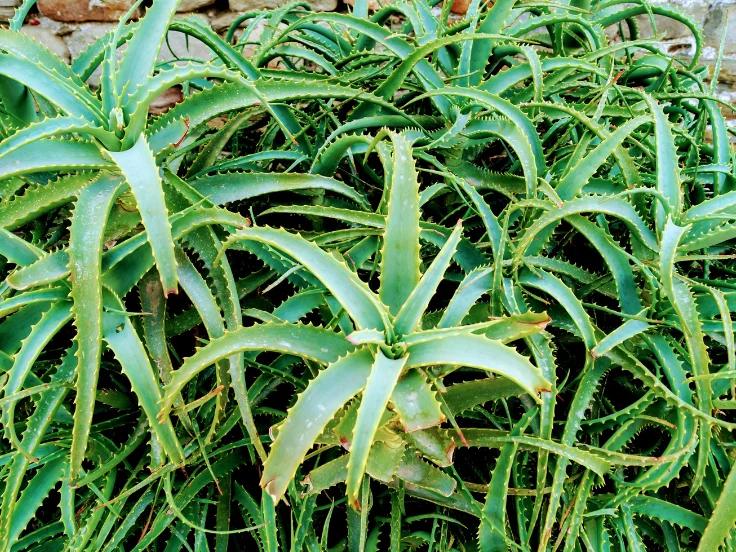
Aloe vera naturally produces offsets, also called “pups,” which grow around the mother plant. Once they develop roots, they can be carefully separated and repotted. Consequently, you can expand your collection or share plants with friends.
Repotting Tips
Repotting is usually needed every 2–3 years. Choose a pot slightly larger than the previous one with proper drainage. Additionally, repotting encourages growth and prevents the plant from becoming root-bound.
Medicinal, Cosmetic, and Household Uses
The gel inside aloe vera leaves is highly versatile:
-
Skin Care: Soothes sunburns, minor burns, insect bites, and skin irritations. In addition, it promotes skin healing and hydration.
-
Cosmetic Uses: Moisturizes, reduces signs of aging, and promotes healthy skin.
-
Hair Care: Nourishes the scalp, reduces dandruff, and strengthens hair.
-
Health Benefits: Some people consume aloe vera juice in small quantities for digestive health, although caution is advised.
Always perform a patch test before applying aloe gel widely, and consult a healthcare professional before internal use.
Safety Considerations
While aloe vera is beneficial, it is toxic to pets if ingested. Keep it out of reach of cats and dogs to prevent vomiting or other health issues. Moreover, pregnant or breastfeeding women should avoid consuming aloe vera internally without medical guidance.
Indoor vs. Outdoor Growth
A large aloe vera plant adapts well to indoor and outdoor settings:
-
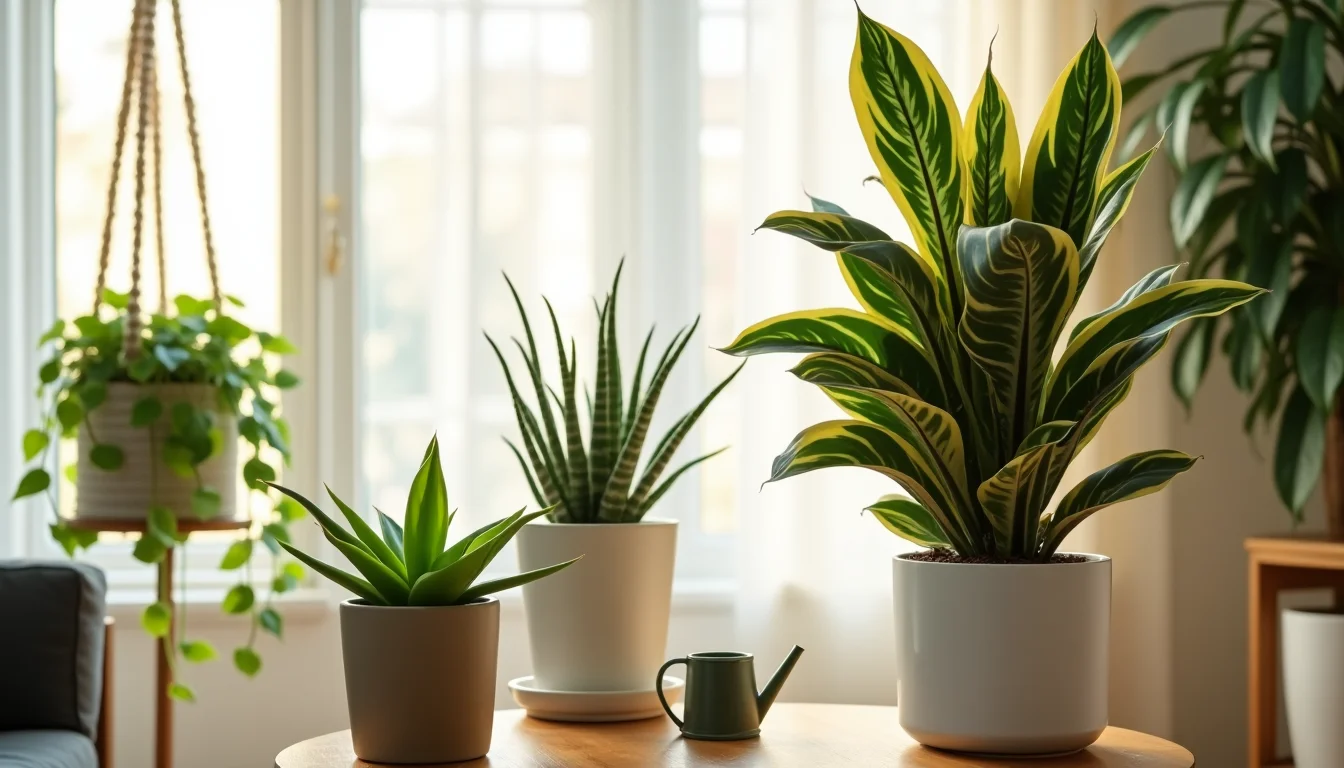
Indoors: Place near bright, indirect sunlight, use a well draining pot, and maintain temperatures above 60°F. Furthermore, rotate the plant occasionally to ensure even growth.
-
Outdoors: Plant in a partially shaded area, protect from frost, and ensure the soil drains well.
Additionally, transitioning a plant from indoors to outdoors requires gradual acclimatization so that it does not suffer from sunburn.
Frequently Asked Questions
1. How often should I repot my large aloe vera plant?
Repot every 2–3 years or when the plant outgrows its container. Choose a slightly larger pot with good drainage.
2. Can aloe vera survive indoors in Karachi?
Yes, it thrives indoors with bright indirect sunlight and stable temperatures.
3. Why are my aloe leaves turning yellow?
Yellow leaves indicate overwatering or insufficient light. Therefore, adjust watering frequency and increase indirect sunlight exposure.
4. How do I propagate aloe vera?
Separate the offsets (pups) from the mother plant once they have roots and replant them in well-draining soil.
5. Are there any external resources for aloe care?
Yes, check out this detailed guide on how to care for air plants. Many succulents share similar care requirements.
Conclusion: Nurturing Your Large Aloe Vera Plant
A large aloe vera plant is more than just a decorative succulent. In fact, it offers medicinal benefits, air-purifying qualities, and adds aesthetic value to your home or garden.
Moreover, by following proper care routines including appropriate sunlight, watering, fertilization, pruning, and propagation, you can enjoy a flourishing aloe vera plant for years. Additionally, its adaptability, low maintenance, and health benefits make it a must-have for plant enthusiasts. If you’re also interested in caring for other easy-to-maintain plants, check out our guide on how to care for air plants indoors for expert tips and best practices.
Therefore, caring for your aloe vera will yield a resilient, thriving plant. Furthermore, regular attention prevents problems, thus ensuring long-term health. Consequently, your efforts produce a beautiful, functional plant that enhances your home.