
Kids fairy garden projects are one of the easiest ways to mix creativity, outdoor play, and simple gardening into one magical activity. Because kids build a tiny world with their own hands, they usually stay interested longer than with most crafts.
Even better, you can make one in under an hour, and then keep adding to it over time. So whether you’re a parent, teacher, or caregiver in the USA, this guide will help you build a fairy garden that looks great, stays safe, and is easy to take care of.
What You Need
You don’t need an expensive kit to start. Instead, a few simple supplies will help you make a great garden that lasts. Start with strong basics first, and then add small extras later. That way, the garden stays fun, but it doesn’t turn into a mess.

Essentials
-
Shallow planter, wide pot, tray, or lined wooden box
-
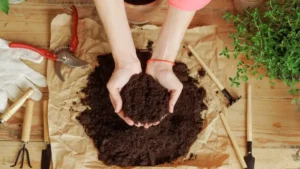
Potting soil (or indoor soil mix if inside)
-
Small hardy plants (more on this below)
-
Pebbles or small rocks for paths
-
One main decoration (house, door, bridge, or stump)
-
Optional: moss, twigs, shells, fairy lights
Smart tool choices
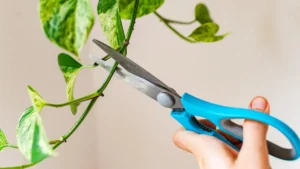
A spoon works like a mini shovel, so kids can help without heavy tools. Also, a spray bottle is better than a watering can because it won’t flood small plants. If you have kid-safe scissors, those can help with quick trimming too. Therefore, children can join in safely while adults keep things simple.
How to Make a Kids Fairy Garden: 5-Step Method
The best fairy gardens are simple and kid-led. That way, kids feel like the garden is truly theirs, and they stay excited about it. Start with the plants first, and then add decorations last. As a result, the garden looks cleaner and stays in place better.
Step 1: Pick the right base and location
For outdoor gardens, try to choose partial shade because strong sun can dry the soil too fast. For indoor gardens, place it near bright light, but not direct sunlight, since glass and pots can heat up quickly. Also, make sure kids can easily reach the garden. Therefore, they can play with it without needing help every time.
Step 2: Add soil and plan three zones
Fill your container with soil, and then plan three zones: a plant zone, a path zone, and a play zone. Because the zones give the garden structure, it stays neat even after kids add more items. Plus, zones make it easier to build stories. For example, one corner can be a forest while another can be a “fairy town.”
Step 3: Plant first, decorate second
Let kids place the plants where they want them, and then gently press the soil so they stay upright. Since the plants create the main look, the garden feels more “real” and less like toys in dirt. After that, add rocks to make paths. Therefore, the decorations won’t get buried or moved around too easily.
Step 4: Add one main “anchor” piece
Pick one main item like a fairy house or a bridge to be the center of the garden. Because this anchor gives the garden a focal point, it looks complete right away. Also, kids often build their stories around this one piece. As a result, play becomes more creative and organized.
Step 5: Add story details that create play
Add small things like a mailbox, stepping stones, or a tiny sign. Since these details suggest action, kids start imagining what happens in the fairy world. Additionally, story items help you keep the garden interesting later. For example, you can leave “fairy mail” once a week.
Kids Fairy Garden Ideas by Age
Age matters a lot with fairy gardens. What feels fun for a 4-year-old can feel boring for a 10-year-old. So this section helps you match the setup to your child’s skills. It also makes the activity safer and easier. As a result, everyone enjoys the process more.
Ages 3–5: Sensory and simple
For this age, use bigger pieces and fewer decorations. Because little kids explore with their hands, sturdy items work best. Also, add sensory parts like sand, smooth stones, and soft moss. Therefore, the garden becomes a playful texture activity, not just a display.
Ages 6–8: Build-and-play style
Kids in this range love building. So add easy structures like popsicle-stick fences, small bridges, or tiny “roads.” Because building feels like a game, kids stay engaged longer. Also, give them “fairy missions” like leaving notes or finding treasure. Consequently, they keep coming back to the garden all week.
Ages 9–12: Advanced design and themes
Older kids enjoy planning and detail. So let them create zones like a market, campground, or secret forest trail. Since they can think ahead, they enjoy designing a full layout. They can also build with clay, wood scraps, or recycled materials. Therefore, the fairy garden can become a real hobby.
Best Plants for a Kids Fairy Garden
Plants are what make the garden feel alive. However, the wrong plants can die quickly, which is frustrating. So choose plants that are tough, small, and easy to care for. In general, hardy groundcovers work outdoors, while succulents work indoors. As a result, the garden stays healthy with less effort.
Outdoor plants that handle real life
Sedum, thyme, Irish moss, and mini mondo grass are great choices because they’re strong and forgiving. Also, they stay low and small, so they look right in a mini world. Since kids will touch and move things, these plants hold up well. Therefore, they’re excellent for beginner fairy gardens.
Indoor plants that stay neat
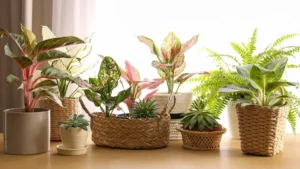
Small succulents are easy indoors because they don’t need much water. Fittonia is also great for terrariums because it likes humid air and stays colorful. Air plants are another simple option since they don’t need soil. Consequently, indoor fairy gardens can be low mess and low stress.
Plants to avoid for safety and success
Avoid spiky cactus types because they can poke small fingers. Also, skip fragile flowering plants since they can be messy and harder to keep alive. Most importantly, avoid plants you can’t confirm are kid- and pet-safe. Therefore, you keep the garden safer for everyone at home.
Indoor Fairy Garden Options
Indoor fairy gardens are great when it’s cold, rainy, or too hot outside. They’re also easier to clean up, especially with younger kids. Best of all, indoor gardens work all year. As a result, kids can keep playing no matter the season.
Tray fairy garden for flexible play
A tray fairy garden is perfect because kids can move pieces around easily. Since the base is flat, they can redesign it without breaking plants too much. Also, trays are easy to carry and wipe clean. Therefore, they’re a smart choice for classrooms and apartments.
Terrarium fairy garden for low maintenance
A terrarium is a glass jar or container that holds moisture. Because it stays humid inside, plants don’t dry out as fast. Also, terrariums look neat and compact. Consequently, they’re great for desks, shelves, and small rooms.
Recycled container fairy garden for budget-friendly builds
You can use storage bins, lined baskets, or wooden boxes. Not only does this save money, but it also gives kids more room to build bigger scenes. Also, bigger containers hold moisture longer. Therefore, plants often last longer than in tiny pots. In the same way, if you love simple DIY gardening ideas, you can also try this easy tin can herb garden project for small spaces.
Safety Checklist
Fairy gardens are fun, but safety matters too especially for little kids. So use this quick checklist to avoid common problems without slowing down the activity. This also makes parents and teachers feel more confident. As a result, the activity becomes more enjoyable for everyone.
-
Avoid tiny pieces for children under 3
-
Use non-toxic paint, glue, and sealant
-
Wash hands after playing with soil
-
Keep outdoor gardens away from ant nests and stinging insects
-
Avoid sharp rocks, broken ceramics, and rusty items
Conclusion
Kids fairy garden projects are easy to start, yet they offer long-lasting play when you choose sturdy plants, plan by age, and keep the build kid-led. Because kids feel ownership, they usually stay connected to the garden much longer than with most crafts.
Most importantly, when you add small story details and keep care quick, the garden stays fun instead of turning into clutter. Therefore, if you want a screen-free activity that builds creativity and calm play, this mini world is a great choice. Also, if you’re looking for another fun and simple gardening project, this tin can herb garden idea is perfect for kids and beginners too.
FAQs
What is the best base for a kids fairy garden?
A shallow planter or tray works best because it’s stable, easy to clean, and simple for kids to design.
What are the easiest plants for beginners?
For indoor gardens, use small succulents. For outdoor gardens, use sedum or thyme because they’re tough and easy to care for.
How do you keep kids interested after they build it?
Add weekly “fairy missions” and small seasonal updates. That way, the garden keeps changing without needing a full rebuild.
Is a fairy garden safe for toddlers?
Yes, but use large accessories only, avoid tiny pieces, and stick to non-toxic materials for safety.