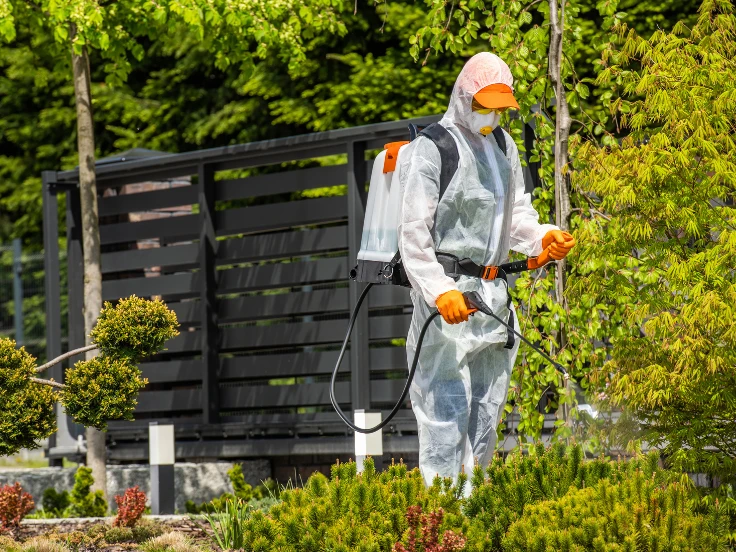
Many tenants ask, “is a landlord responsible for pest control?” This question is more than a simple inquiryit directly impacts the health, safety, and comfort of renters. Therefore, landlords are generally required to ensure rental properties are habitable, which includes being free from infestations. However, the exact responsibilities vary depending on lease agreements, local laws, and the type of pest problem.
Ignoring pest issues can result in property damage, tenant complaints, and legal disputes. Consequently, tenants should report signs of infestation immediately, while landlords must respond promptly to maintain a healthy environment. By understanding responsibilities, both parties can ensure a pest-free, safe living space.
Landlord Duties for Pest Control
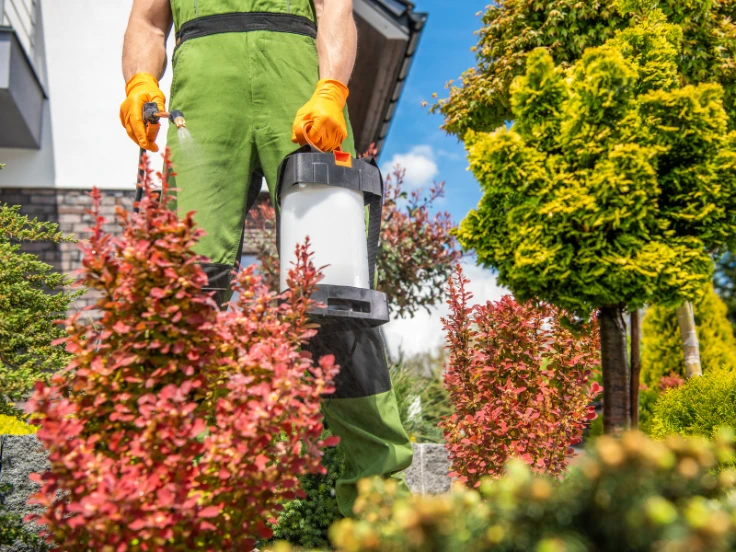
Landlords have a legal obligation to maintain habitable housing. Thus, this includes preventing infestations and addressing them promptly when they occur. Commonly, rental properties face pests such as rodents, cockroaches, bedbugs, ants, and termites, which can quickly cause damage if left untreated.
Furthermore, severe infestations can cause structural damage and property contamination. Additionally, pests pose serious health hazards to tenants. Therefore, landlords must act quickly to protect both residents and the property from long-term consequences.
Key Responsibilities:Is a Landlord Responsible for Pest Control
-
Address infestations immediately after tenant notification.
-
Hire licensed pest control professionals for severe cases.
-
Maintain exterior and common areas to prevent pest entry.
-
Keep records of inspections and treatments for legal compliance.
-
Educate tenants on reporting procedures and preventive measures.
In addition, fulfilling these duties helps landlords avoid legal issues and maintain a positive relationship with tenants.
Tenant Role in Pest Prevention
While landlords manage major infestations, tenants play a crucial role in prevention. Proper hygiene, food storage, and prompt reporting help maintain a safe environment. Moreover, cooperation during professional treatments ensures successful eradication.
Small actions can make a big difference:
-
Clean regularly and dispose of trash promptly.
-
Store food in sealed containers to prevent attracting pests.
-
Report leaks or moisture issues immediately.
-
Avoid clutter that can serve as nesting sites.
-
Follow instructions provided by pest control professionals.
Overall, shared responsibility between landlords and tenants keeps the property pest-free and prevents minor problems from escalating.
Common Rental Property Infestations
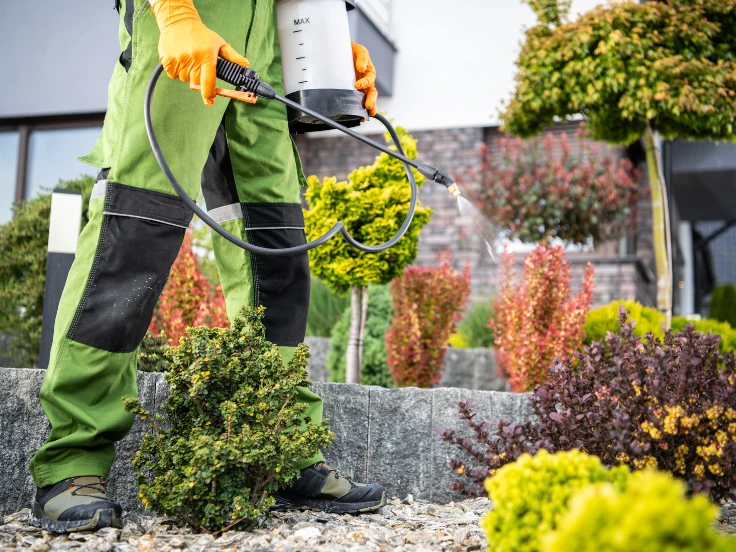
Rental properties face a range of pest issues, each with specific risks. Rodents like rats and mice damage wiring and furniture and can carry diseases. Similarly, cockroaches contaminate surfaces and trigger allergies, while bedbugs require professional extermination. Termites and ants threaten structural integrity, and flies or mosquitoes may spread harmful pathogens.
Therefore, early recognition and reporting are critical for effective pest control. Tenants should watch for droppings, unusual smells, chewed furniture, and visible pests. As a result, landlords can respond quickly, protecting both property and tenant health.
Proactive Pest Control: How Landlords Fulfill Their Duties
Landlords asking, “is a landlord responsible for pest control?” should act proactively to prevent infestations. Otherwise, waiting until a problem arises can lead to costly repairs and tenant dissatisfaction. Additionally, it may result in legal issues.
Effective strategies include:
-
Regular inspections of all units and common areas.
-
Sealing cracks, gaps, and potential pest entry points.
-
Scheduling periodic professional pest control treatments.
-
Educating tenants on proper hygiene and waste disposal.
-
Keeping detailed records of inspections, treatments, and tenant reports.
Additionally, being proactive reduces infestation risks and improves tenant trust and property value.
Lease Agreements and Pest Control
Lease agreements define the roles of landlords and tenants regarding pest management. Clear clauses prevent disputes and ensure compliance with local laws. Furthermore, a strong lease outlines landlord responsibilities, tenant obligations, and reporting procedures.
Key Points for Lease Agreements
-
Specify the landlord’s duty to address pest infestations.
-
Outline tenant responsibilities for maintaining cleanliness.
-
Define reporting procedures and timelines.
-
Include the frequency and type of professional treatments.
-
Ensure the lease complies with local housing and health codes.
Consequently, a well-structured lease provides transparency and reduces conflicts.
Hamburg Places to Visit and Property Context
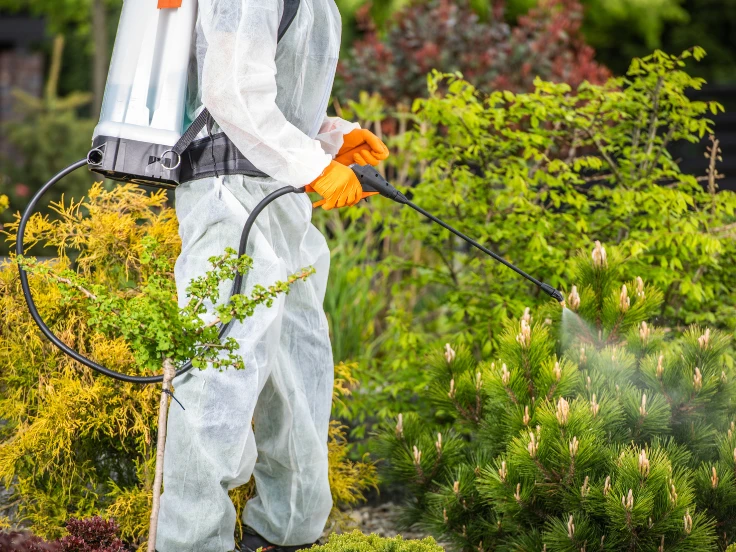
Properties near tourist areas, such as Hamburg places to visit, often face higher exposure to pests. For example, high foot traffic, nearby restaurants, and outdoor markets can attract rodents, insects, and other unwanted visitors.Short-term rental properties or vacation homes require stricter pest control measures to protect guests.
Historic or older buildings may have structural vulnerabilities, such as cracks or damp areas, increasing infestation risk. Thus, landlords in these locations should implement more frequent inspections, preventive measures, and rapid response plans.
Understanding property context helps landlords provide safe, healthy housing and minimize liability. For example, properties near busy areas or tourist spots may face higher pest risks. Therefore, proactive measures and regular inspections are essential to protect both tenants and the property.
Consequences When a Landlord Ignores Pest Control
Neglecting pest issues can lead to serious consequences for both landlords and tenants. Structural damage, health hazards, and legal disputes are common outcomes of untreated infestations. Rodents can gnaw on wires, increasing fire risks. Moreover, cockroaches and bedbugs pose significant health concerns, while termites compromise property foundations.
For tenants, exposure to pests can result in bites, allergies, or illness. As a result, landlords who fail to address infestations may face costly repairs, legal action, and reputational damage. Prompt and effective pest management protects both property and residents, preventing long-term consequences.
FAQs
Q1: Is a landlord responsible for pest control legally?
Yes, landlords must provide habitable housing and address infestations promptly.
Q2: Who pays if tenants cause the infestation?
If tenant negligence causes the problem, tenants may be responsible; otherwise, landlords typically cover professional treatment costs.
Q3: How often should landlords inspect for pests?
Routine inspections every 6–12 months are recommended, with immediate checks after tenant reports.
Q4: Can tenants withhold rent due to pests?
Depending on local laws, tenants may withhold rent or request repairs until infestations are resolved.
Conclusion: Is a Landlord Responsible for Pest Control
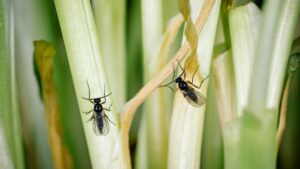
So, is a landlord responsible for pest control? In most cases, yes. Landlords must keep properties safe, habitable, and pest-free, while tenants help by staying clean and reporting issues promptly. Learn more about pests in houseplant soil and how to handle them.
Clear communication, proactive strategies, and clear lease agreements reduce conflicts and protect property value. Early action, including pest management, keeps properties safe and well-maintained. Learn more in our guide on tiny yellow insects on plants.
Properties near high-traffic areas or attractions like Hamburg places to visit require extra diligence. Therefore, by understanding and fulfilling their responsibilities, landlords and tenants can maintain a safe, healthy, and pest-free home for everyone.