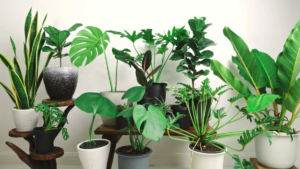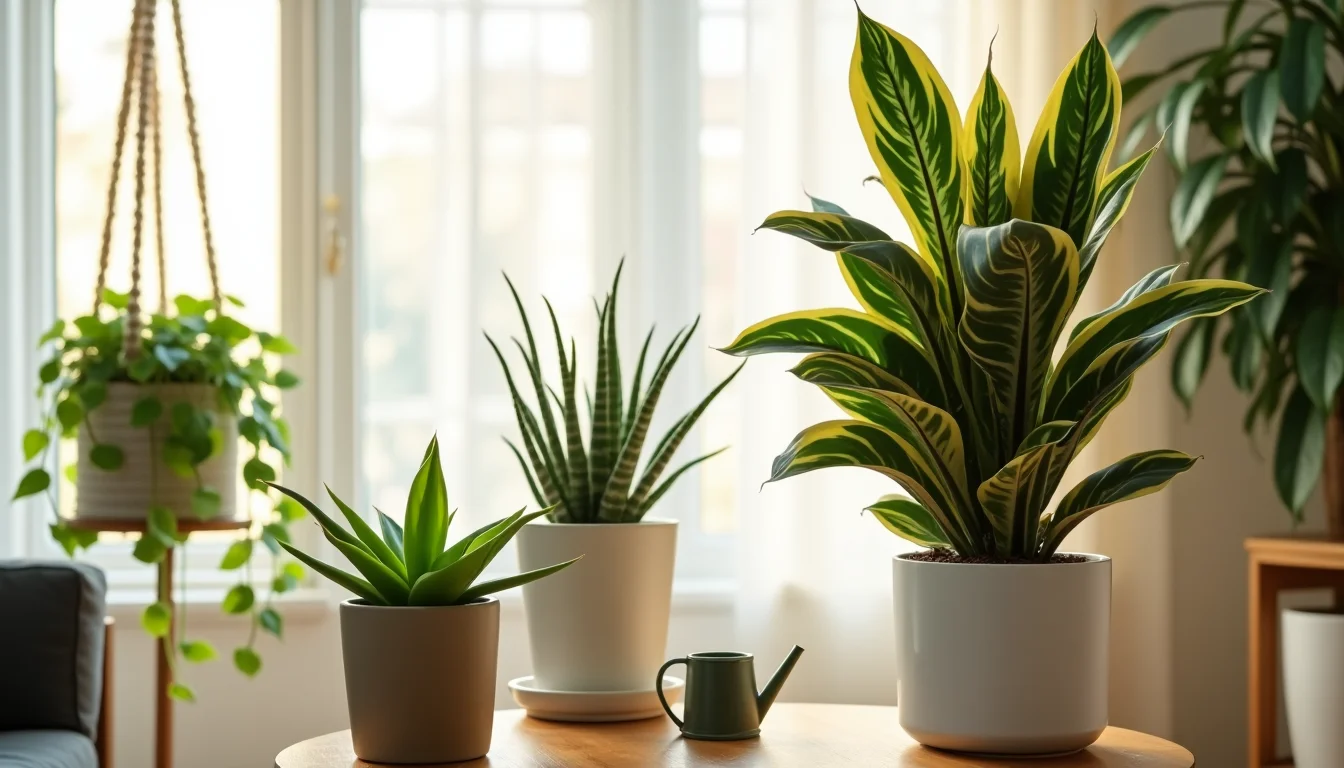
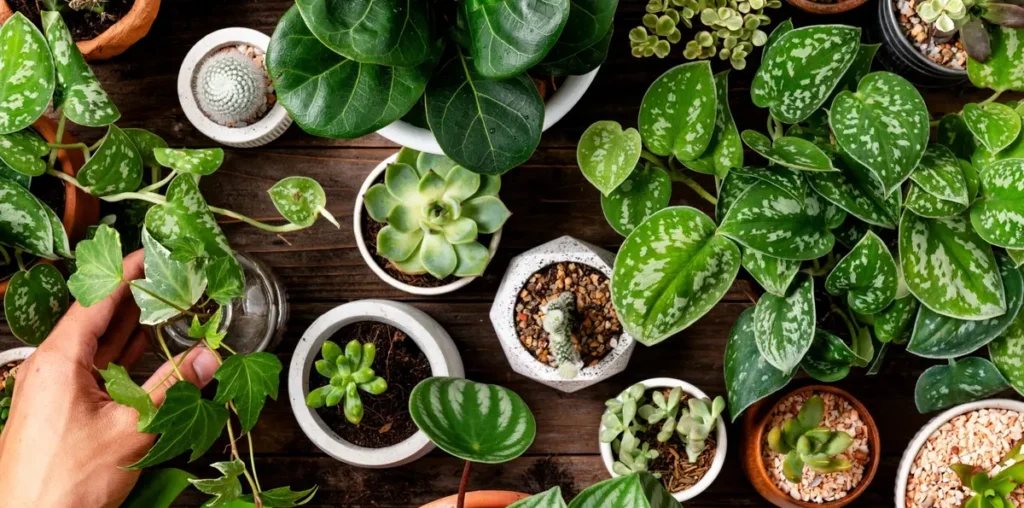
Enter a room with healthy plants, and the difference will be evident instantly. The air is less dense, the space seems softer, and the whole environment feels calmer. This is one reason so many people are bringing indoor purifier plants into their homes.
The contemporary houses are loaded with pollutants. Carpets, cleaning products, furniture finishes, and paint release chemicals are released into the air. These pollutants accumulate over time, particularly in enclosed areas with limited ventilation.
Although air purifiers and vent systems are aids, most people currently rely on nature for assistance. Some plants that clean the air inside the home can absorb pollutants and release oxygen, making the indoor environment a natural way to purify the air.
Let’s explore how these indoor purifier plants work, why they matter, and which ones are the best choices for creating a healthier home. You can also explore a list of the best indoor plants for homes to discover more greenery options that improve indoor air quality.
Your Home’s Air May Not Be as Clean as You Think
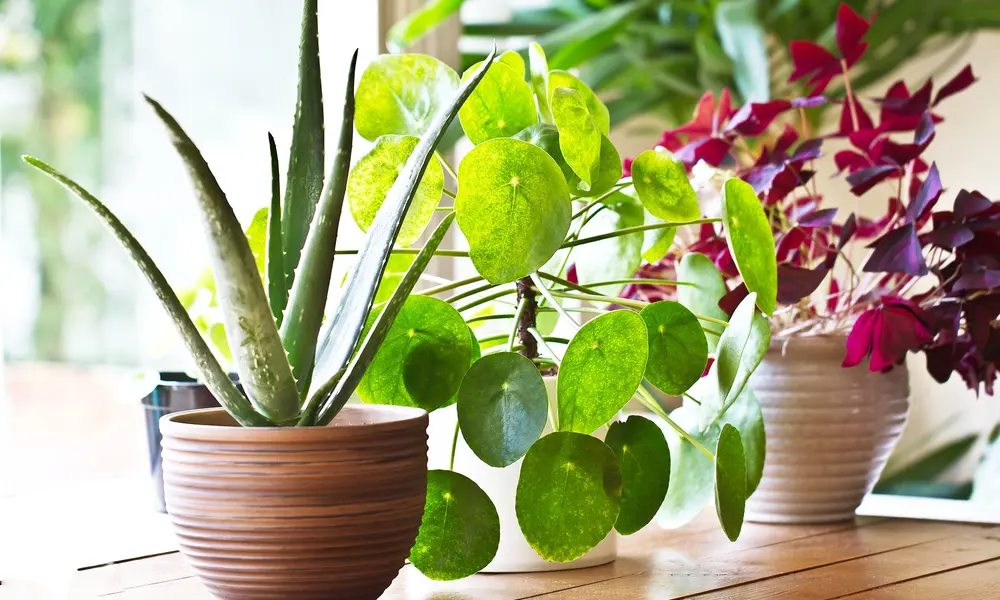
It is a common perception that pollution is an outdoor reality. Astonishingly, indoor air is at times more toxic than outdoor air.
Examples of common indoor contaminants are:
- Formaldehyde in furniture and flooring.
- Paints and plastics contain benzene.
- Cleaning products
- solutionAmmonia.
- Adhesive and solvent trichloroethylene.
These chemicals circulate slowly in indoor air, particularly in airtight apartments or modern homes.
This is where indoor purifier plants come into play. Plants have a natural mechanism of interacting with the air through their leaves and roots, which reduces some airborne chemical elements and enhances the level of oxygen.
Better still, plants do this silently and continuously, without electricity or filters. If you are new to indoor gardening, learning how to grow plants indoors can help you maintain healthier plants that support cleaner air.
How Plants Actually Help Clean Indoor Air
Plants do not sit in the corner and look beautiful. They are in a state of constant exchange of gases with the surroundings.
Plants capture carbon dioxide and produce oxygen during photosynthesis. However, that is not the only thing that is happening.
There are also plants that purify indoor air by absorbing small airborne toxins through microscopic pores in their leaves. After absorption, the pollutants are passed to the roots, whereby microbes in the soil facilitate their degradation.
This natural mechanism is also known as phytoremediation, which is why health-conscious homeowners keep plants in bedrooms, living rooms, and offices.
Plants will not substitute a mechanical air purifier, but will make the indoor environment healthier in a natural manner. Many homeowners choose plants that purify indoor air because they provide both health benefits and natural beauty.
If You Want Cleaner Air, Start With These Plants
Moving the plants rather than just categorising them is always good, as it helps consider how they fit into your place of residence. There are plants that suit well in bedrooms, others in living rooms and those that suit well in desks.
We should examine some of the most efficient indoor purifier plants and their areas of greatest service.
A Plant That Practically Takes Care of Itself
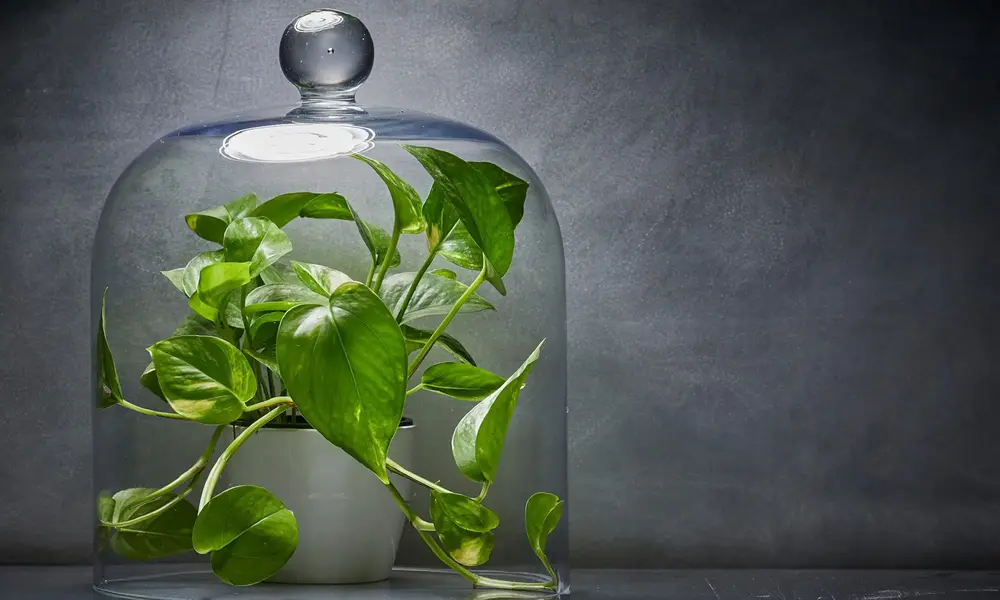
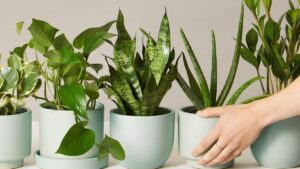
The one plant everyone recommends to beginners is the snake plant.
It has straight, tall leaves and requires minimal watering, making it one of the easiest houseplants to keep. What is particularly desirable is that it can release oxygen at night, which is not common among most plants.
For this reason, the snake plants are commonly used in bedrooms.
They are also considered among the most trustworthy plants for cleaning indoor air and reducing toxic substances such as formaldehyde and benzene.
The snake plant continues to grow even when you forget to water it. If you are new to houseplants, this snake plant care for beginners guide can help you keep the plant thriving.
The Plant That Instantly Makes a Room Feel Calmer
The flowers of peace lilies are stunning white, and their leaves are dark green. However, they are not mere decorations.
Peace lilies are also said to be among the best indoor purifier plants, as they remove air pollutants and add humidity.
This makes them perfect for:
- Living rooms
- Bedrooms
- Offices with dry air
Their other advantage is that they can be grown in suboptimal light. Peace lilies are also a good choice if your home does not receive much sunlight. They are also among the best low light indoor plants for homes that do not get much natural sunlight.
A Hanging Plant That Helps Clean the Air
Another common plant that helps clean the indoor environment is the spider plant.
They are easy to identify because they have long, striped leaves and tiny infant plants sprouting from the mother plant.
Spider plants do well in hanging baskets, on shelves, or on high plant stands. They also help eliminate pollutants such as carbon monoxide and formaldehyde in indoor settings, in addition to being aesthetically pleasing.
They are also highly forgiving.
Spider plants are easy to adapt to and grow quickly, even for someone new to plant care.
A Plant That Doubles as Natural Medicine
Aloe Vera is well known for its soothing gel, which is applied to treat burns and skin irritation.
But aloe is another plant that is not overrated and can be included among the variety of indoor purifier plants.
Aloe plants absorb chemicals commonly found in cleaning products and paints and release oxygen into the atmosphere. Bright windows are also a favourite of theirs and therefore ideal in a kitchen or a sunny bedroom.
Aloe does not need much water, unlike most of the houseplants. Proper aloe plant care ensures the plant stays healthy and continues improving indoor air quality.
Aloe is a good choice of plant if you want something functional that will not only improve the air quality but also benefit your health.
When You Want a Bigger Plant for a Larger Room
Not only are small tabletop plants required in some homes to fill the space, but they also add a decorative touch.
That’s where palms come in.
The Areca palm is one of the most preferred plants for cleaning indoor air, especially in large living rooms. Its leafy feathers create a tropical effect and, at the same time, increase the humidity in the house.
Due to the size, it is suitable for:
- Living rooms
- Entryways
- Spacious offices
In addition to improving air quality, palms can instantly transform a room into a livelier, friendlier one.
The Plant That Helps Dry Rooms Feel Comfortable
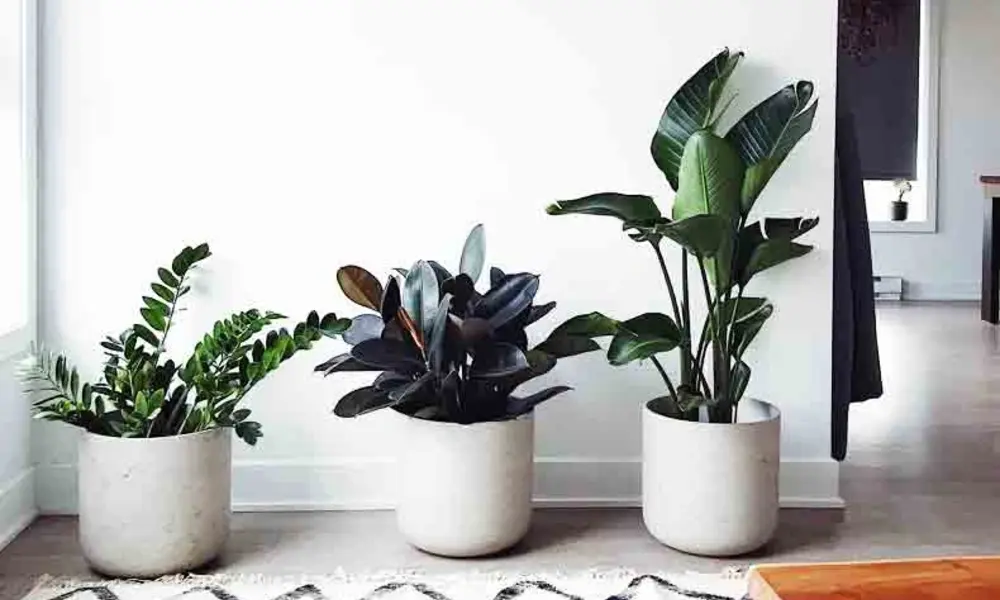
In case the air in your house is dry, at least in winter, or when your air conditioner is on most of the time, you might want to consider the Boston fern.
Boston ferns release moisture into the atmosphere and also help reduce indoor toxins. This is why they are usually recommended as one of the best indoor plants for increasing humidity.
They are well-suited to a bathroom and dark corners.
They are also soft and cascading, which gives the inside a cosy, natural look.
Where to Place Plants for the Best Results
The selection of the appropriate plants is significant, but the location is important as well.
These are some easy steps that can make indoor plants, which purify the air, more effective in your house.
Plants should be distributed in several rooms.
Do not store all the plants in a single place; spread them throughout the house.
Place the plants in the places that you spend much of your time.
Home offices, living rooms, and bedrooms are the areas that benefit most from indoor plants.
Merger of small and large plants.
Tabletop plants and taller floor plants improve airflow and interior decor.
A Few Simple Care Tips Make a Big Difference
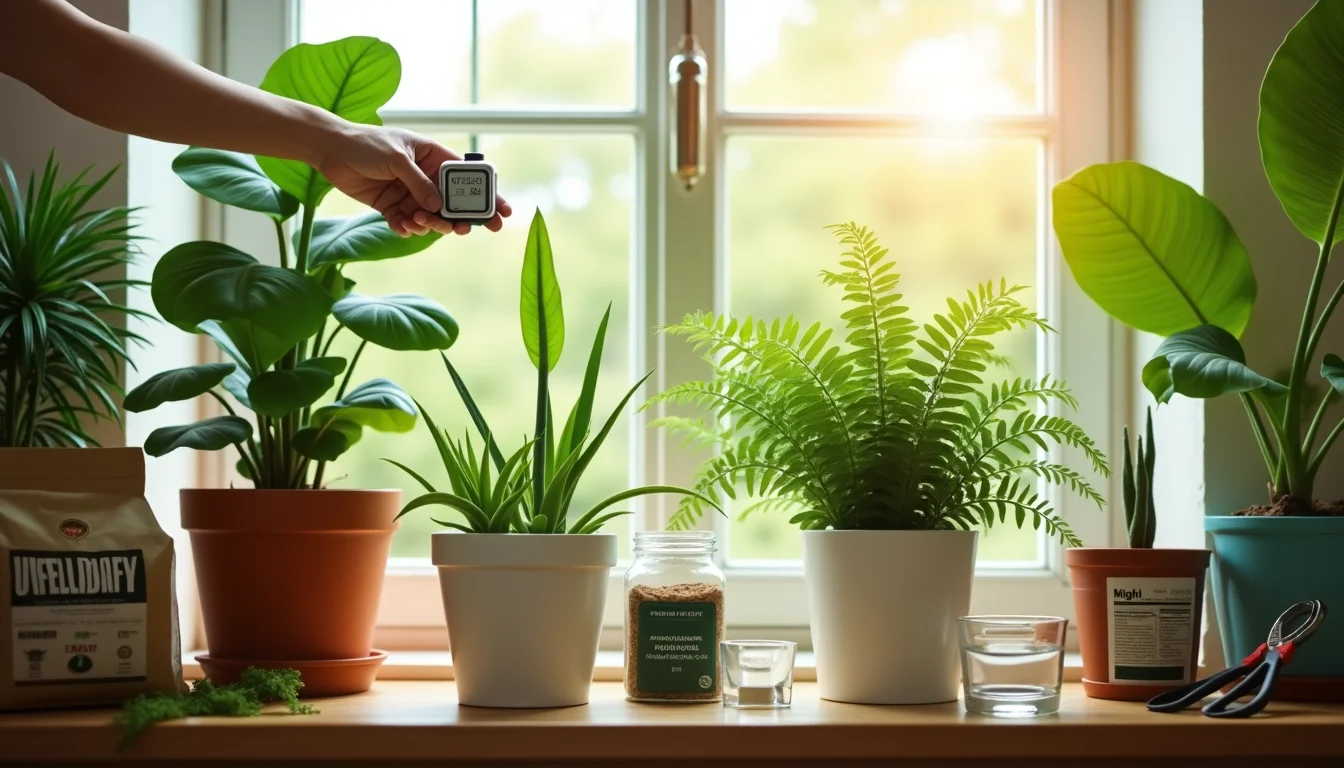
Plants are optimally functioning when healthy. If your plant outgrows its container, learning how to repot a plant can help maintain healthy roots and growth.
In order to keep your indoor purifier plants alive:
- Spray them as per their requirements.
- Ensure proper lighting
- Take the dust off leaves now and then.
- Avoid overwatering
Plants can absorb air pollutants more effectively on clean leaves.
Why Indoor Plants Are Good for More Than Just Air
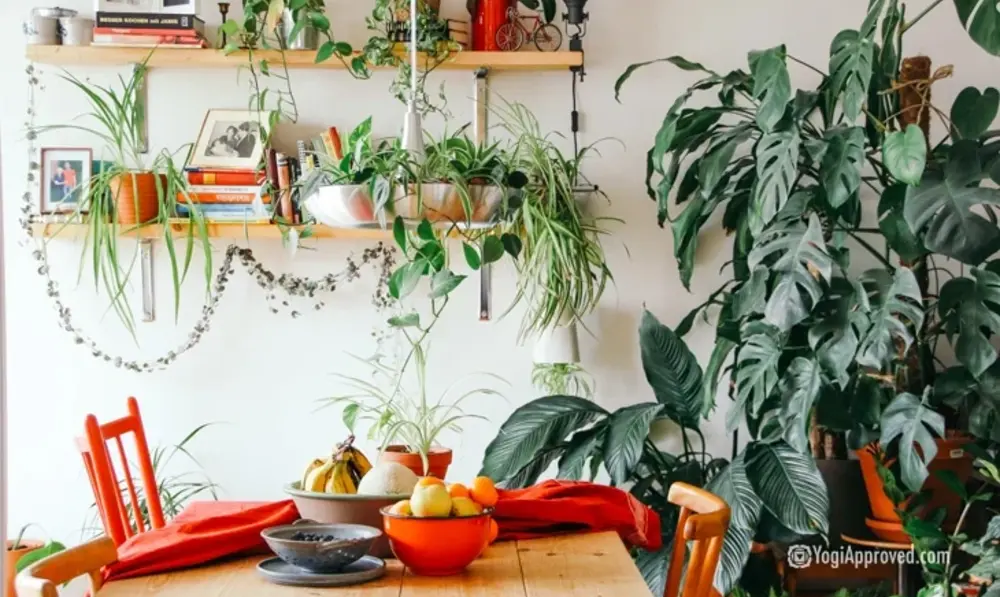
Indoor purifier plants have many other benefits, despite their primary purpose of purifying the air.
They can elevate mood, minimise stress, and boost productivity. Several citizens report feeling less stressed and more attentive in rooms with greenery.
Plants are also known for softening interior spaces. Plants add natural texture and warmth, rather than hard lines and electronics that take up the room.
By introducing plants that clean indoor air, you are improving the environment and your home.
Conclusion
No very complex machinery is needed to make the house healthier. Nature sometimes has the solutions to the simplest problems.
You can add some plants to your living room, which will serve as indoor purifiers and help improve indoor air quality, in addition to making your home seem livelier.
Snake plants, spider plants, peace lilies, and palms are only some of the plants that decontaminate indoor air and are easy to grow and need little care.
Begin with a single or two plants and watch them change your environment. But as time passes, you will see that a greener home is not just more beautiful but also a healthier place to live.
FAQs
How to purify air at home naturally?
- Open windows for ventilation.
- Decorate with indoor plants.
- Burn natural incense.
- Diffuse essential oils.
- Clean regularly & naturally.
- Light beeswax candles.
- Use Himalayan salt lamps.
- Place activated charcoal.