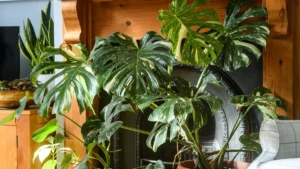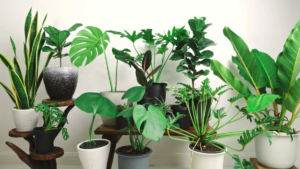
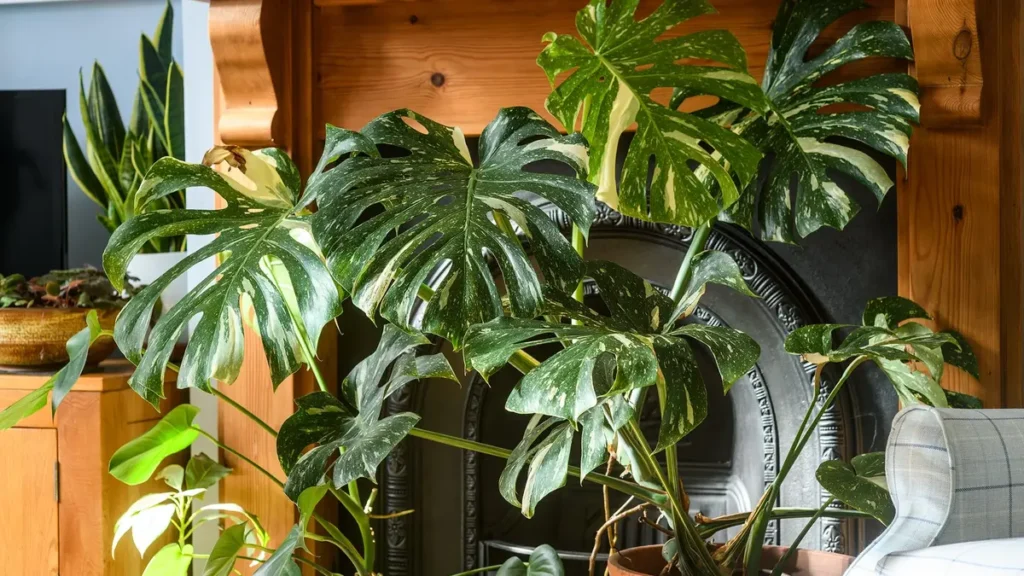
The Monstera deliciosa, or the indoor cheese plant, is one houseplant that has gained popularity among plant cravers. The indoor plant Monstera is a jungle-like plant with dramatic split leaves that can instantly add style to any room.
However, to achieve healthy, fully developed iconic leaves (so-called fenestrations), you should understand the fundamentals of growing a Monstera deliciosa.
This guide is divided into the specifics of how to grow and take care of an indoor cheese plant, both in terms of light and watering, to the humidity and feeding, so that your plant can become the main feature of your indoor jungle.
Understanding the Indoor Cheese Plant
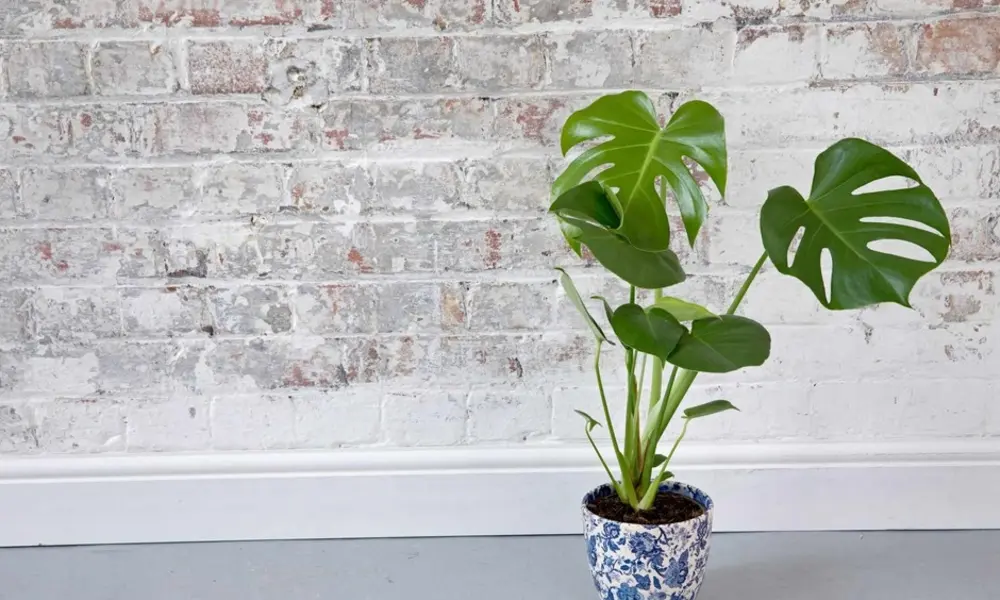
The indoor cheese plant is indigenous to tropical forests in Central America, where it is a shrubby vine growing beneath the forest canopy. Naturally, it is a tree climber with large leaves that naturally divide, allowing sunlight to reach the lower leaves.
Due to Monstera’s rainforest origins, it is very much favored in warm conditions, indirect sunlight, and a humid climate. Successful care of Monstera deliciosa is the secret to replicating these conditions in the indoor setting.
Light Requirements for Indoor Monstera
One thing you need to consider to maintain your indoor cheese plant is its light requirements.
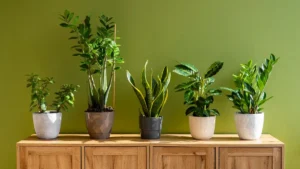
Monstera plants are better placed in bright, indirect sunlight that mimics the filtered light they receive in the wild. Direct sunlight may burn the leaves, and low light levels can cause sluggish growth that does not produce the usual leaf holes. Read more about Best Low-Light Indoor Plants That Thrive Without Sun.
Best lighting tips for an indoor plant Monstera:
- As close to a bright window as possible and make the light filtered.
- Eastern windows usually have a good effect.
- Do not have an intense afternoon sun on leaves.
- Turn the plant around occasionally to ensure uniform growth.
Under suitable lighting conditions, your Monstera will have larger, more dramatic leaves.
Watering Your Indoor Cheese Plant
One of the most common issues in monstera deliciosa care is watering errors.
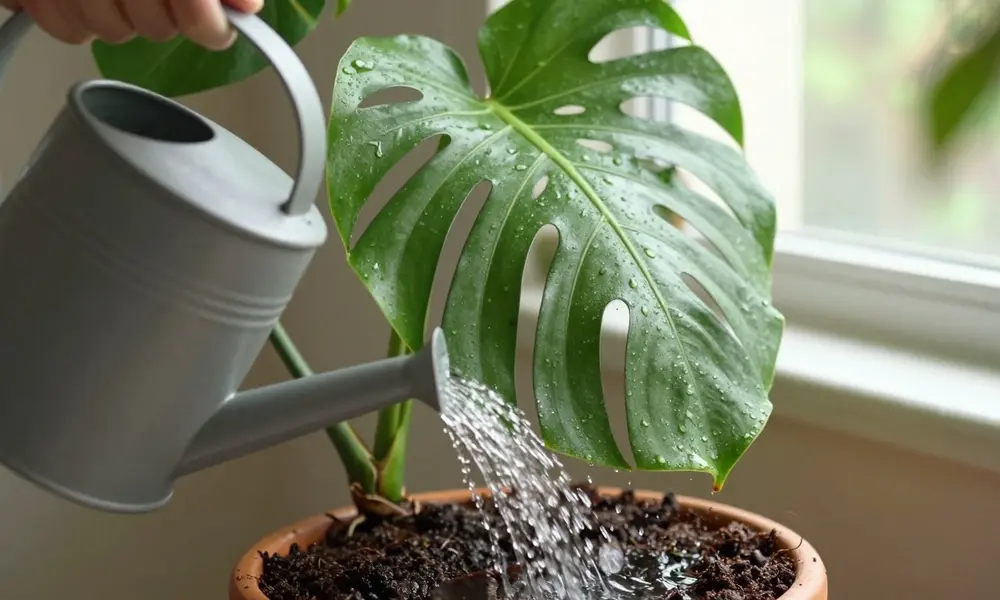
The most important one is the following: when the soil is slightly dry, water it again. The majority of specialists recommend irrigation when the top layer of soil (1-2 inches) is dry.
In typical homes, it typically takes 7-14 days to water, depending on factors such as temperature, humidity, and pot size.
Smart watering tips:
- Add plenty of water until the pot is drained.
- Allow the plant to stand in no water.
- Stop watering during winter, when growth is slow.
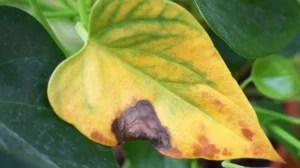
- Look at yellow leaves (in most cases, this is an indication of overwatering)
Since the indoor cheese plant stores water in its thick stems and roots, it can survive without frequent watering, unlike plants in perpetually wet soil.
Soil and Potting Mix
The roots of the indoor plant Monstera require the right soil.
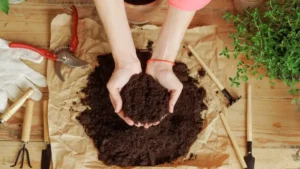
Monstera like well-drained potting programs which keep them moist without being waterlogged. A combination of potting soil, bark, and perlite provides good aeration and drainage.
Ideal soil characteristics:
- Light and airy texture
- Excellent drainage
- Slightly acidic to neutral PH.
- Rich organic matter
You should repot your indoor cheese plant every 1-2 years to prevent soil compaction and ensure it continues to grow well.
Temperature and Humidity Needs
Due to the tropical conditions in Monstera’s native habitat, warm temperatures and high humidity are essential.
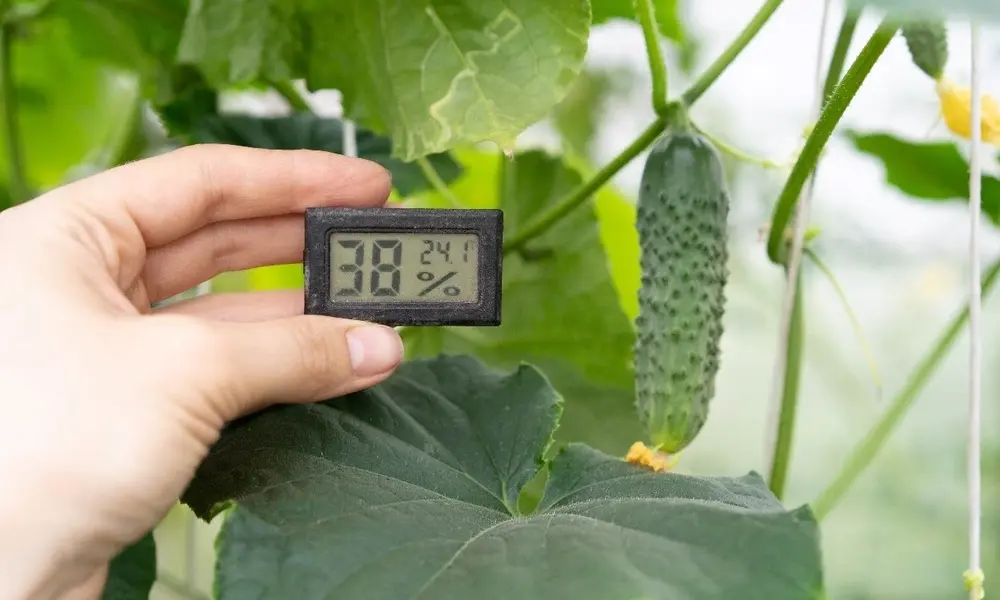
The Monstera deliciosa preferred conditions are:
- 65 °F 85 °F 65 °C 18 o C 30 o C.
- Humidity of 40 60 or greater.
In case your house is dry, you can increase humidity by:
- Using a humidifier
- Grouping plants together
- Leaving a-mist every now and then.
- Lay a tray of pebbles beneath the pot.
With increased humidity, bigger leaves and healthier growth are produced.
Feeding and Fertilizing Monstera
Although the indoor plant is relatively low-maintenance, feeding helps it grow faster and produce larger leaves.
Monstera should be fed a balanced houseplant fertilizer every 2-4 weeks during the spring and summer growing seasons.
Others use diluted organic fertilizers, which are unlikely to harm roots.
During winter, fertilizing can be reduced because growth slows.
Supporting Your Monstera’s Growth
In nature, Monstera plants climb trees using aerial roots. This can also be reproduced indoors by offering structural support.
Common supports include:
- Moss poles
- Wooden stakes
- Decorative trellises
Supporting will enable your indoor cheese plant to grow straight up and develop larger, more mature leaves.
Common Problems and Easy Fixes
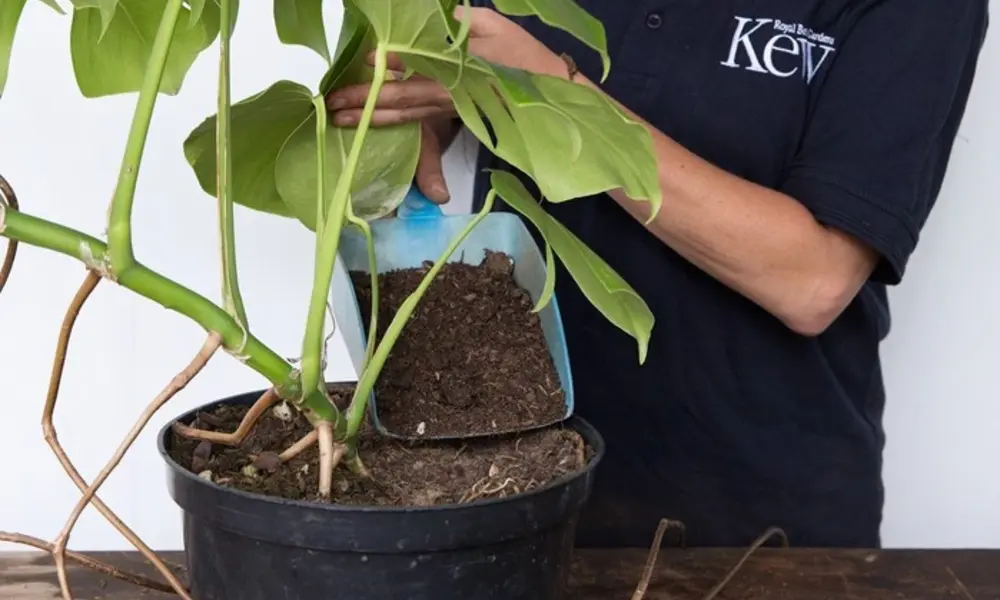
Although the Monstera deliciosa has good care, a few issues may arise. You can also read Common Houseplant Diseases & Treatment for further information.
The following are some of the common problems and their common meanings:
Yellow leaves
In most cases, it is caused by excessive watering or poor drainage.
Brown edges
In most cases, due to low humidity or underwatering.
Leaf curling
May is a sign of either watering stress, bad soil, or excessive sunlight.
No leaf splits
Usually brought about by a lack of light or an immature plant.
Most of these problems can be avoided by simply checking your plant’s environment regularly.
The ease with which an indoor plant, Monstera, can be propagated is one of the finest things.
Propagation is normally done by cutting off a stem segment with a node, then placing it in water or soil until it develops roots.
When the roots develop, the cutting may be planted in soil to grow another plant- ideal for increasing your indoor plants or giving to others.
Conclusion
The indoor cheese plant has its reasons for being famous; it is assertive, attractive, and surprisingly uncomplicated to care for. The monstera is a beautiful plant that can thrive with the right light, watering schedule, and humidity, and can last several years, becoming a beautiful centerpiece in your home.
Monstera deliciosa is not difficult to care for. It will go further with a slight consideration of its tropical needs. Soon enough, your Monstera will serve as a reward to you with bountiful growth and theatrical leaves, and the desired jungle ambiance that all plant lovers desire at home.
FAQs
How to maintain a monstera plant indoors?
Monstera plants thrive indoors with bright, indirect light, consistent moisture, and high humidity. Water when the top 2–3 inches of soil are dry, and provide a stake or moss pole for support as they are natural climbers.
- Leggy Growth.
- Brown Leaves.
- Black Leaves.
- Curling Leaves.
- Leaves Turning Brown Before Unfurling.