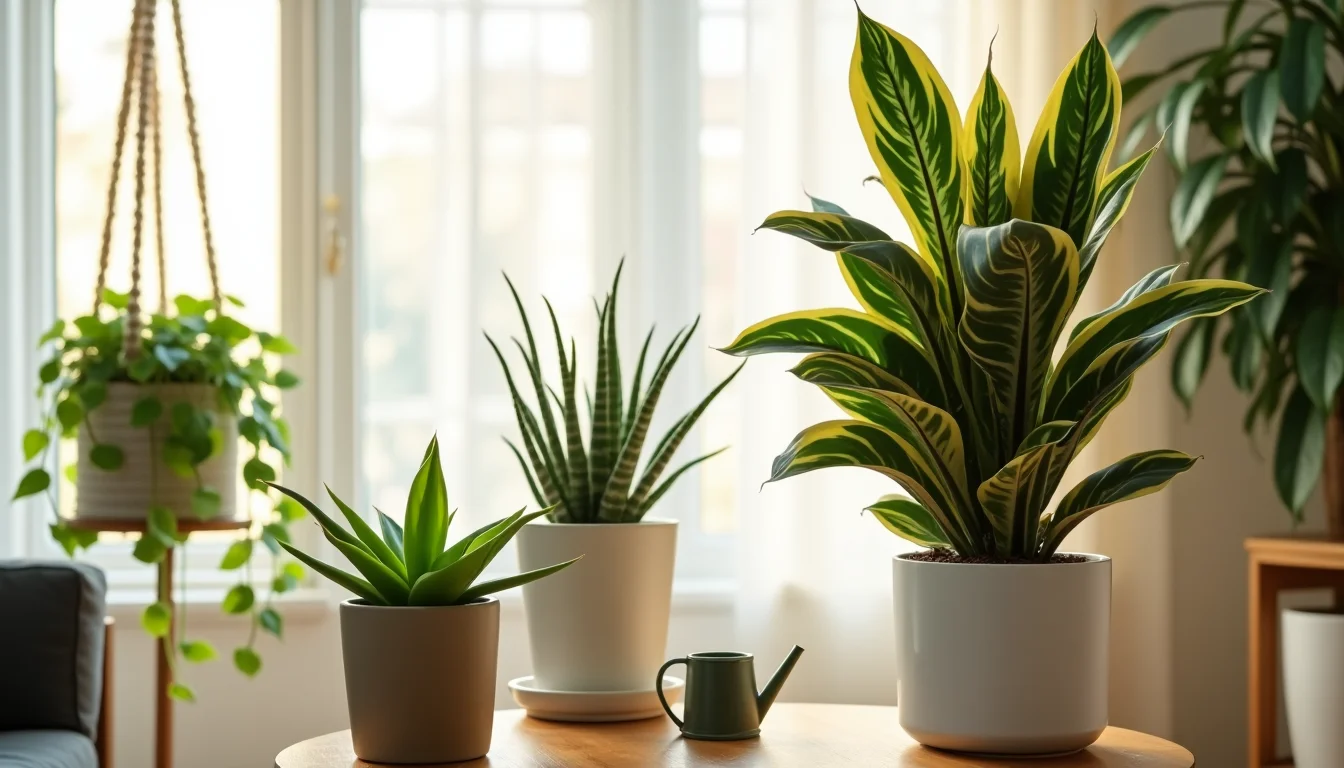
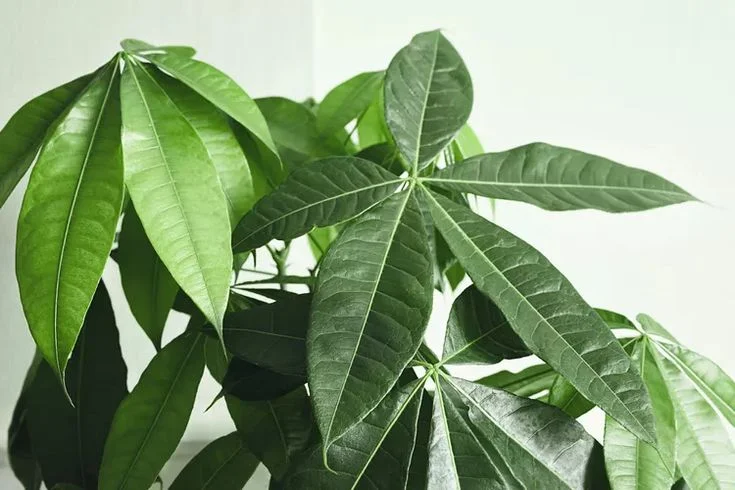
How to water money tree is one of the most common questions plant owners ask. A money tree (Pachira aquatica) is not only admired for its braided trunk and lush green leaves but also valued as a symbol of prosperity and good fortune.
However, despite its reputation as a low-maintenance plant, improper watering often leads to yellowing leaves, root rot, or stunted growth.
By mastering the right watering techniques, you can ensure your money tree thrives indoors or outdoors. This guide will cover how often to water, the signs of overwatering and underwatering, and proven tips for creating the perfect watering schedule.
Why Proper Watering Matters for a Money Tree
Watering plays a central role in your money tree’s overall health. Since this plant naturally grows in swampy environments, it needs consistent but not excessive moisture. Too much water suffocates the roots, while too little leaves them dry and stressed.
Understanding the correct balance ensures steady growth, vibrant leaves, and long-lasting beauty. Furthermore, good watering habits help prevent common problems like leaf drop or fungal diseases.
How Often Should You Water a Money Tree?
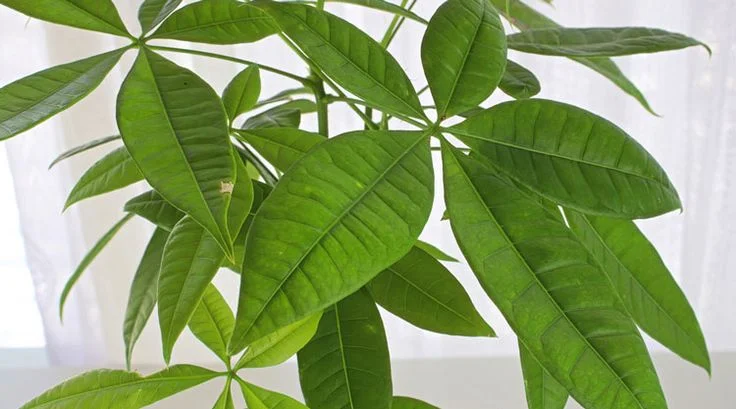
Watering frequency for a money tree depends on several factors, but a general rule is to water every 1–2 weeks. Always check the soil before watering if the top 1–2 inches feel dry, it’s time to add water. During warmer months, your plant may need more frequent hydration due to faster evaporation and active growth.
In cooler seasons, reduce watering since the soil stays moist longer. By adjusting to seasonal changes and monitoring soil dryness, you’ll maintain the right balance and keep your money tree healthy.
General Watering Rule
Most money trees require watering every 1 to 2 weeks. However, the exact frequency depends on factors like room temperature, humidity, pot size, and soil type.
As a rule of thumb, always check the top 1–2 inches of soil. If it feels dry, it’s time to water.
Seasonal Adjustments
- Spring & Summer: Increase watering frequency, as the plant grows more actively.
- Fall & Winter: Reduce watering since growth slows down and the soil dries out more slowly.
Step-by-Step Guide: How to Water Money Tree Properly
Watering a money tree isn’t complicated, but following the right steps ensures your plant thrives. Begin by checking the soil’s moisture; if the top inch feels dry, prepare to water. Use room-temperature water and pour slowly until liquid drains from the bottom of the pot, making sure the roots are thoroughly hydrated.
Next, empty any excess water from the saucer to prevent root rot. Finally, return the plant to a spot with bright, indirect light. By repeating these steps consistently, you’ll create a routine that supports strong growth and keeps your money tree healthy year-round.
1. Use the Right Water
Always choose room-temperature water. Cold water can shock the roots, while warm water encourages fungal growth.
2. Water Thoroughly
Pour water slowly until it begins draining from the bottom holes. This ensures deep root hydration instead of surface-level moisture.
3. Drain Excess Water
Never let your money tree sit in stagnant water. Empty the saucer after watering to prevent root rot.
4. Monitor Soil Moisture
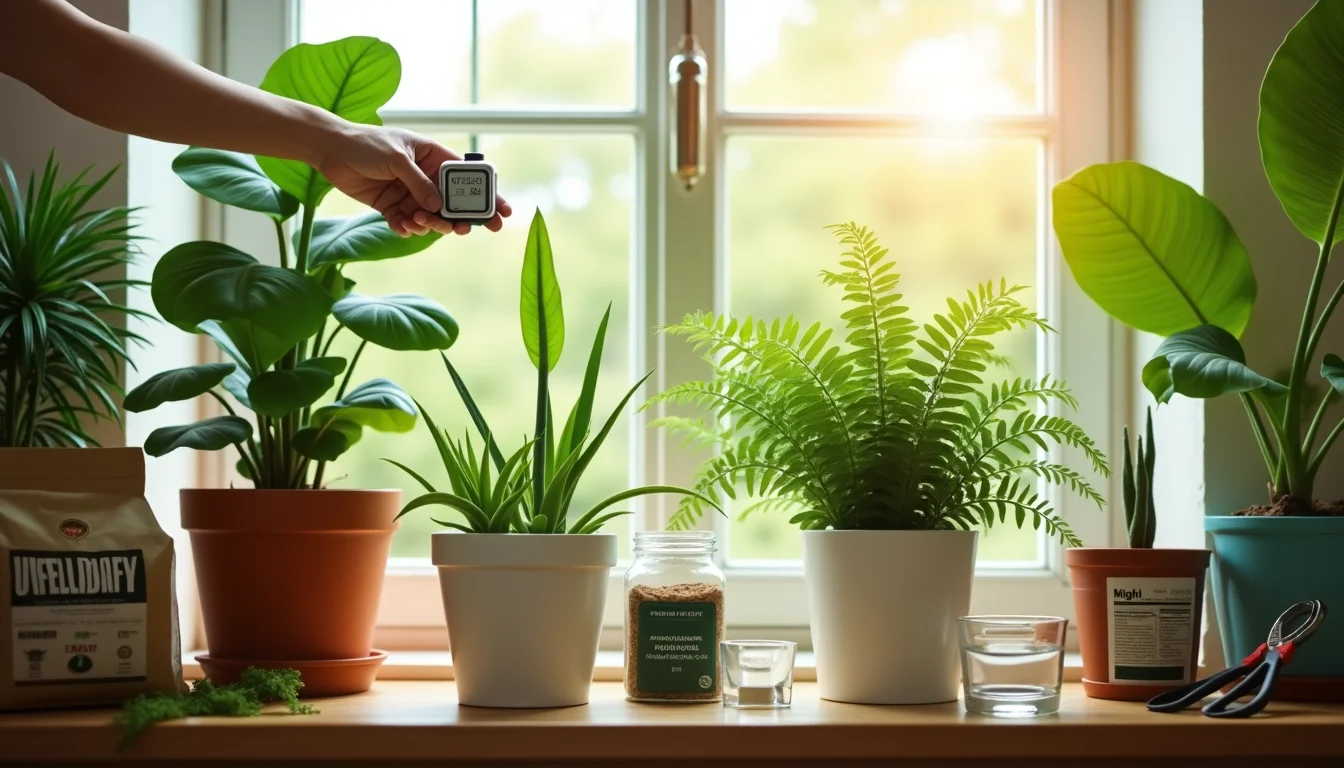
Use your finger or a moisture meter to check dryness. Consistency is key; avoid irregular watering habits.
Choosing the Right Pot and Soil
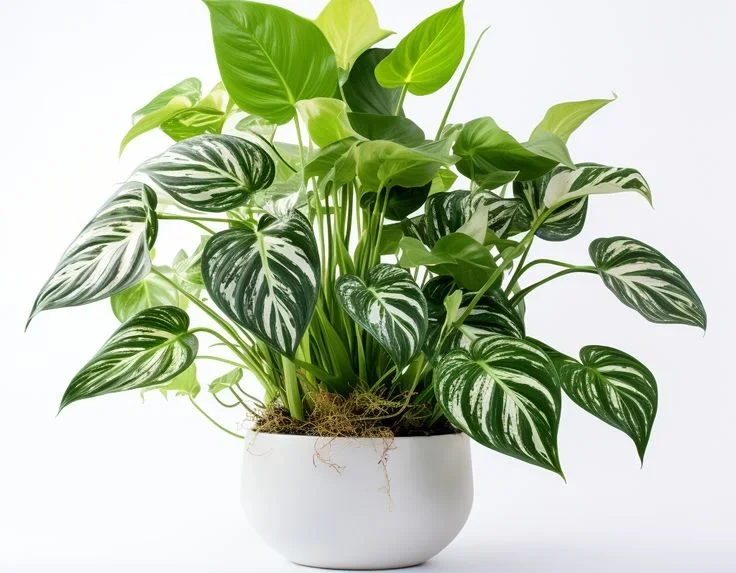
Selecting the right pot and soil is just as important as knowing how to water a money tree. Always choose a container with drainage holes, as this prevents water from sitting at the bottom and causing root rot. The pot should be large enough to allow root expansion but not so oversized that excess soil retains unnecessary moisture.
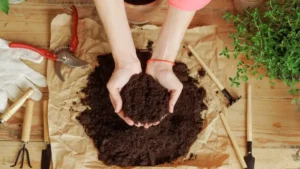
For soil, a well-draining mix is essential combine peat moss, perlite, and coarse sand to achieve the perfect balance of moisture retention and aeration. This setup allows your money tree’s roots to breathe while holding enough water to support healthy growth. With the right pot and soil, your watering efforts will always yield better results.
Pot Requirements
A container with drainage holes is essential to prevent waterlogging. Without proper drainage, even correct watering techniques may fail.
Soil Mix
The best soil mix is well-draining yet moisture-retentive. A combination of peat moss, sand, and perlite works well.
Learn more about choosing the best soil for indoor plants here.
Signs of Overwatering a Money Tree
Overwatering is the most common mistake plant parents make. Look for these signs:
- Yellowing or curling leaves
- Mushy stems or soft trunk
- Moldy soil surface
- A foul smell from the pot
If you notice these, reduce watering immediately and check for root rot.
Signs of Underwatering a Money Tree
On the other hand, underwatering stresses the plant. Warning signs include:
- Dry, crispy leaves
- Leaf drop
- Wrinkled or drooping stems
- Stunted growth
To fix this, gradually increase watering while monitoring soil dryness.
Advanced Watering Tips for Money Tree
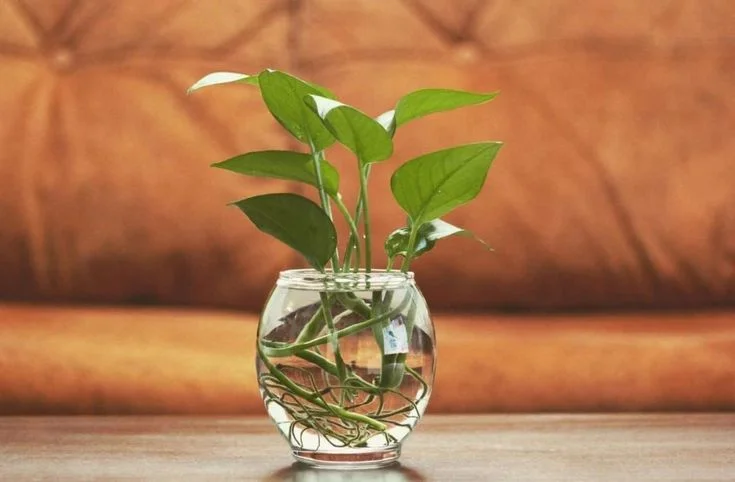
Once you master the basics, a few advanced watering tips can help your money tree thrive even more. Always adjust your watering schedule to match your home’s climate dry indoor air may require slightly more frequent watering, while humid environments allow you to water less often.
Using a moisture meter can give you accurate readings and prevent guesswork. Consider misting the leaves occasionally to boost humidity, but avoid excessive misting that may cause fungal issues.
Finally, stick to a consistent routine instead of random watering, as stability supports healthier roots and steady growth. For pests beyond spider mites, such as thrips, you may want to explore this detailed guide on thrips treatment to keep your plants fully protected.
By applying these advanced techniques, your money tree will remain vibrant and stress-free.
Adjust for Climate
Homes with dry air require slightly more frequent watering. In humid environments, you may water less often.
Misting Leaves
Occasionally misting the leaves can improve humidity around the plant. However, avoid excessive misting to prevent fungal problems.
Use a Schedule
Keeping a consistent watering routine reduces stress and supports steady growth.
Common Mistakes to Avoid
- Using cold tap water: shocks the roots
- Skipping drainage: leads to soggy soil
- Over-fertilizing during watering: burns the roots
- Ignoring environmental changes: causes leaf drop
Avoiding these errors will make your plant care journey much smoother.
FAQs About How to Water Money Tree
1. How do I know when my money tree needs water?
Check the top 1–2 inches of soil. If it’s dry, water your plant.
2. Can I use tap water for my money tree?
Yes, but let it sit overnight to allow chlorine and chemicals to dissipate.
3. What happens if I overwater my money tree?
Overwatering leads to yellowing leaves, soft stems, and eventually root rot.
4. Should I mist my money tree?
Yes, occasional misting can boost humidity, but don’t overdo it.
5. How much water should I give at once?
Water until it drains from the bottom of the pot, ensuring deep root hydration.
Conclusion
Learning how to water money tree correctly is the secret to keeping this beloved plant healthy and vibrant. The balance between underwatering and overwatering makes all the difference. By using room-temperature water, ensuring proper drainage, and monitoring soil moisture, you can prevent common plant problems and promote strong growth.
With consistent care and attention, your money tree will reward you with lush greenery and perhaps even a little extra prosperity in your home. And just like with other indoor plants, understanding their needs is key—for example, knowing why fiddle fig leaves fall can help you handle stress factors before they harm your greenery. You can read more about it here.