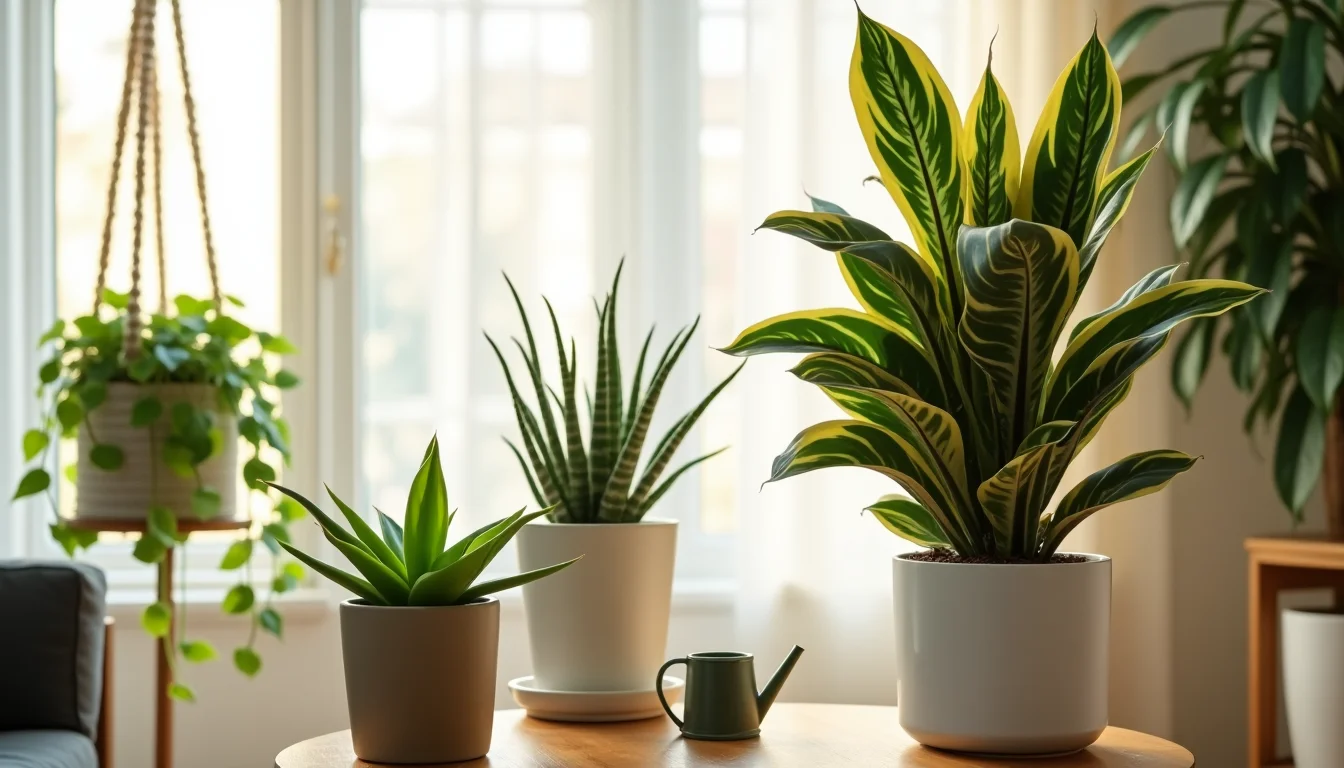
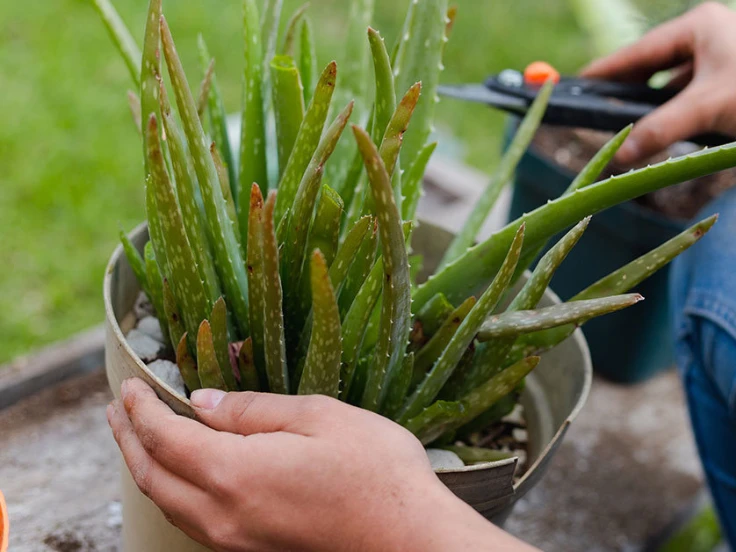
Aloe vera is a resilient succulent famous for its medicinal and cosmetic benefits. However, even strong aloe plants can face challenges such as overwatering, poor lighting, pest infestations, or environmental stress. Therefore, knowing how to save an aloe vera plant is crucial for maintaining a thriving, healthy plant.
In this guide, you will learn actionable tips to revive your aloe, prevent further damage, and ensure it flourishes for years to come. Moreover, this article includes propagation methods, long-term care strategies, and answers to frequently asked questions.
Common Problems When Saving an Aloe Vera Plant
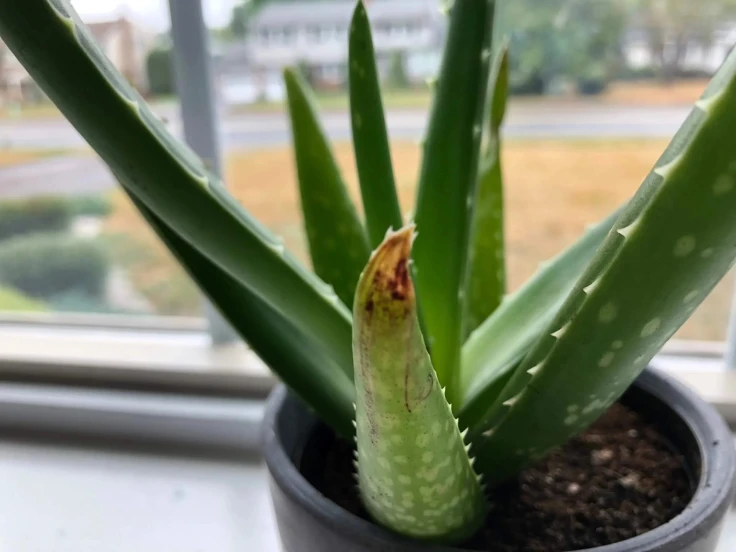
Before attempting recovery, it is important to understand why your aloe vera may be struggling. Identifying the problem allows you to apply targeted solutions effectively. Similar to when a rubber plant is losing leaves, aloe vera also shows stress through visible signs.
How to Save an Aloe Vera Plant from Overwatering
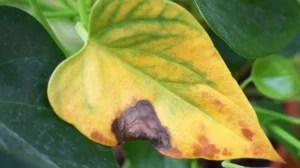
Overwatering is one of the leading causes of aloe vera decline. Symptoms include soft, mushy leaves, yellowing, and root rot. Aloe naturally stores water in its thick leaves, which means excessive watering can be harmful.
Solution: Water the plant only when the soil is completely dry. In addition, use a well-draining succulent or cactus mix and a pot with drainage holes. This prevents water from stagnating around the roots. For expert guidance, see Better Homes & Gardens.
How to Save an Aloe Vera Plant from Underwatering
Although aloe vera is drought-tolerant, insufficient water over time can harm the plant. Symptoms of underwatering include shriveled leaves, crispy leaf tips, and stunted growth.
Solution: Water thoroughly when the soil is dry to the touch, ensuring the water reaches the root system. Monitoring soil moisture regularly helps prevent both overwatering and underwatering. More details can be found at The Spruce.
How to Save an Aloe Vera Plant from Poor Lighting
Aloe vera requires bright, indirect sunlight. Without sufficient light, it can become leggy, pale, and weak.
Solution: Place your aloe near a south- or west-facing window with at least six hours of indirect sunlight per day. However, avoid sudden exposure to direct sunlight if the plant has been indoors, as this may cause sunburn. Gradually acclimate your aloe for best results. For additional tips, visit Architectural Digest.
How to Save an Aloe Vera Plant from Pests and Diseases
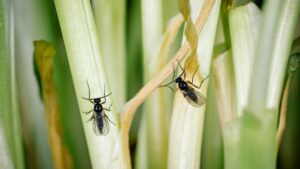
Aloe vera can be affected by mealybugs, aphids, or scale insects. Fungal infections may also appear as leaf spots or decay.
Solution: Apply neem oil or insecticidal soap for pests. Remove affected leaves and use a fungicide if needed. Inspecting the plant regularly helps prevent minor infestations from becoming severe. For reference, see The Spruce.
Step-by-Step Process: How to Save an Aloe Vera Plant
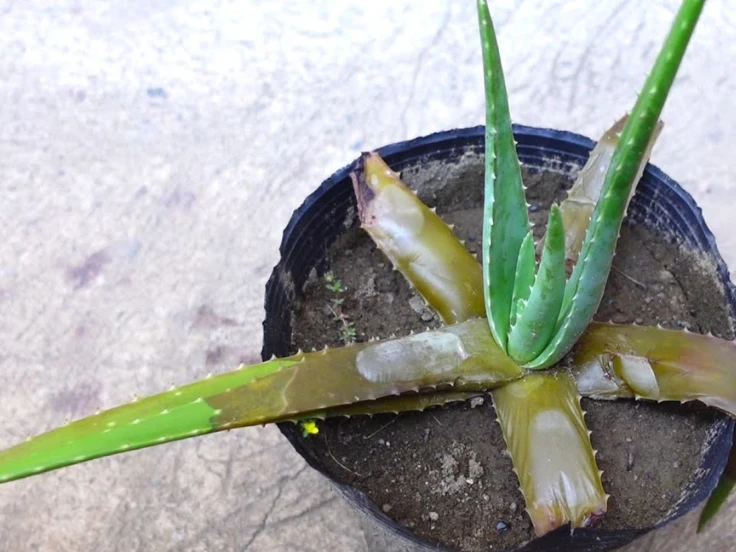
Once you have identified the cause, follow these steps to restore your aloe to health.
Step 1: Assess the Plant for Recovery
Carefully inspect the aloe for signs of distress:
-
Look for black or brown mushy roots indicating rot.
-
Examine leaves for yellowing, shriveling, or damage.
-
Identify pests or fungal infections.
A thorough assessment determines whether minor adjustments suffice or full repotting is required.
Step 2: Trim Damaged Roots and Leaves
Remove damaged parts carefully to prevent further stress:
-
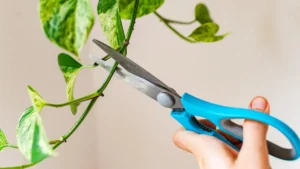
Use sterilized scissors to cut off rotting roots or severely damaged leaves.
-
Allow the plant to dry for 1–2 days, forming a callus to reduce infection risk.
Trimming ensures the plant can focus its energy on healthy growth.
Step 3: Repotting to Save an Aloe Vera Plant
After trimming, repotting is crucial:
-
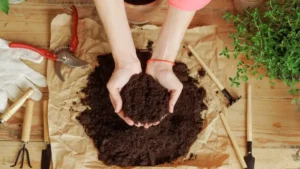
Choose a well-draining succulent or cactus soil mix.
-
Use a pot with drainage holes to avoid water accumulation.
-
Spread roots evenly in the new pot for stability.
Repotting provides fresh nutrients and prevents disease, supporting new growth.
Step 4: Proper Watering Techniques
After repotting, water carefully:
-
Water lightly, allowing the soil to dry fully before the next session.
-
Avoid overwatering as it can trigger root rot.
-
Monitoring soil moisture ensures consistent hydration.
Step 5: Provide Correct Lighting
To aid recovery, ensure adequate light:
-
Place the aloe in bright, indirect sunlight.
-
Avoid direct sunlight immediately after repotting. Gradually increase exposure as the plant strengthens.
How to Save an Aloe Vera Plant Using Propagation
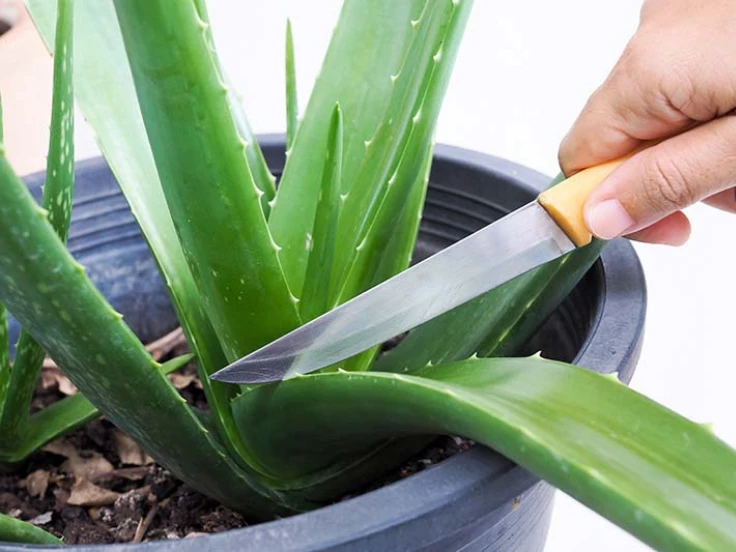
If the main plant is weak or losing leaves, propagate healthy offsets (pups) to preserve your aloe:
-
Gently remove pups from the mother plant.
-
Let them dry for 1–2 days to form calluses.
-
Plant them in well-draining soil.
-
Water sparingly until new growth appears.
Propagation ensures you retain healthy plants even if the original aloe struggles.
Long-Term Care for a Healthy Aloe Vera Plant
Maintaining aloe health prevents future problems. Key strategies include:
-
Water Only When Needed: Avoid frequent watering.
-
Use Well-Draining Soil: Prevents root rot and stagnation.
-
Provide Adequate Light: Bright, indirect sunlight promotes growth.
-
Regular Pest Control: Inspect and treat pests promptly.
-
Occasional Fertilization: Apply succulent-specific fertilizer during growth periods.
Consistent care allows your aloe to thrive while reducing the risk of future stress or damage.
FAQs
Q1: How often should I water my aloe vera plant?
Water only when the soil is dry, usually every 7–10 days. This varies depending on indoor climate.
Q2: Can I use regular potting soil for aloe vera?
Regular soil retains too much moisture, increasing root rot risk. Use cactus or succulent soil instead.
Q3: Why are the tips of my aloe leaves turning brown?
Brown tips often result from underwatering, overwatering, or sunburn. Adjust watering and lighting accordingly.
Q4: How can I tell if my aloe is getting too much sunlight?
Leaves may bleach or brown when exposed to harsh sunlight. Gradually increase light to prevent stress.
Q5: Is aloe vera toxic to pets?
Yes, aloe is toxic to cats and dogs. Keep it out of reach to avoid ingestion.
Conclusion
Knowing how to save an aloe vera plant requires attention, patience, and proper care. First, by identifying the cause of distress, trimming damaged areas, repotting in fresh soil, adjusting watering, and providing adequate light, you can revive even struggling aloe plants. In addition, propagating healthy offsets ensures you maintain aloe plants even if the original suffers damage.
Moreover, by applying these techniques consistently, your aloe vera will recover faster. As a result, following these expert-backed tips will help your aloe thrive. Furthermore, it will continue providing medicinal, cosmetic, and decorative benefits. Therefore, regular monitoring and proper care are essential. For more insights on arid gardening, explore these desert plants growing tips.