
Spider plants (Chlorophytum comosum) are among the most popular houseplants worldwide. They are loved for their air-purifying qualities and ease of care. If you want to expand your indoor garden or share the joy of plant parenting, learning how to propagate spider plant is simple and rewarding.
In this guide, we will therefore explore several effective methods to propagate spider plants. This way, your spiderettes can grow healthy, strong, and ready to thrive in any indoor space.
Understanding Spider Plant Propagation: How to Propagate Spider Plant Successfully
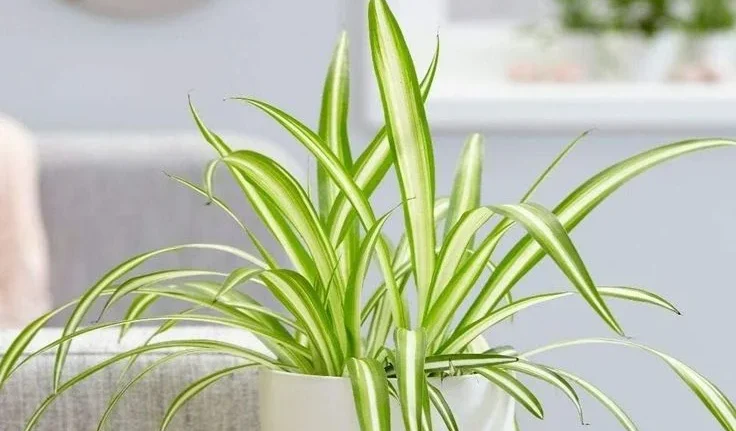
Spider plants reproduce through small offshoots known as “spiderettes” or “pups.” These plantlets, in turn, emerge from long stems called stolons, which makes them easy to propagate. Therefore, understanding the natural growth pattern of these plants is crucial for ensuring successful propagation.
Method 1: How to Propagate Spider Plant in Water
Propagating spider plants in water is one of the easiest and most rewarding methods for both beginners and experienced gardeners. First, select a healthy spiderette that has small roots or noticeable brown knobs at its base, as these indicate it is ready for propagation.
Then, place the spiderette in a glass or container filled with fresh water, making sure that only the base is submerged. Next, position the container in an area with bright, indirect sunlight to encourage strong root development while simultaneously preventing leaf burn.
Preparing and Maintaining the Water Environment for Spider Plant Propagation
Regularly changing the water every few days is crucial to avoid stagnation and promote healthy root growth. Clean water not only reduces the risk of bacterial growth but also provides essential oxygen to the developing roots.
Transplanting Spiderettes to Soil for Successful Spider Plant Growth
Once the roots have grown approximately 2–3 inches, the spiderette is ready to be transplanted into a pot with well-draining soil. By using a light potting mix, you ensure that the new plant receives proper nutrients and has sufficient drainage to prevent root rot.
Although rooting spiderettes in water is simple, spider plants ultimately thrive better when planted in soil, as this allows them to access a full range of nutrients for vigorous growth (Homes and Gardens).
Overall, by following this method, you can successfully propagate spider plants, creating healthy new spiderettes that are ready to enhance your indoor garden.
Method 2: Planting Spiderettes Directly in Soil
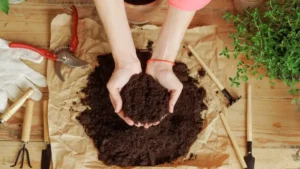
Planting spiderettes directly into soil is a traditional yet highly effective method for propagating spider plants. To start, choose a small pot with drainage holes and fill it with a light, well-draining potting mix. Gently place the spiderette into the soil, ensuring that the base is completely covered and stable.
Watering and Maintaining Humidity
After planting, water lightly to settle the soil around the plantlet without over-saturating it. To help the new spiderette acclimate and encourage root development, cover the pot with a clear plastic bag to maintain humidity and warmth.
Providing Proper Light and Monitoring Growth
Place the pot in a location with bright, indirect sunlight, avoiding direct exposure that can scorch the leaves. Regularly monitor the plant for signs of new growth, and once the spiderette starts developing, remove the plastic cover and continue standard care.
By planting spiderettes directly in soil, you give them access to essential nutrients, leading to stronger and healthier plants that will thrive indoors or outdoors.
Method 3: Propagating by Dividing the Root Ball
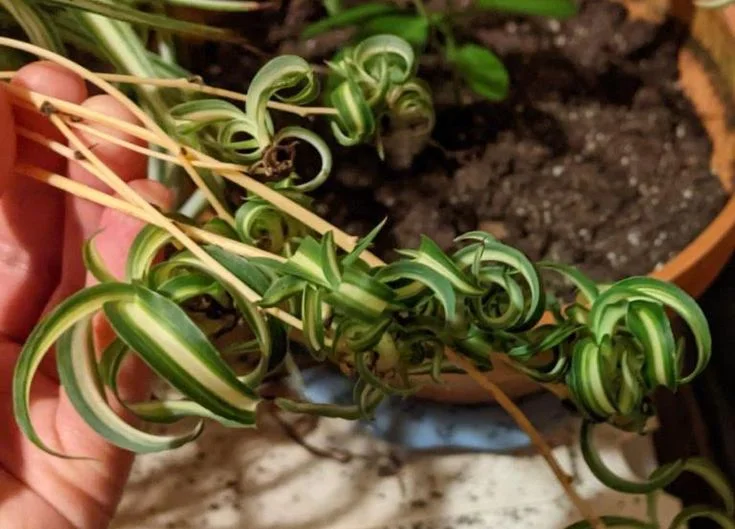
Dividing the root ball is an excellent method to propagate spider plants, especially if your plant has become overgrown or crowded in its pot. Start by gently removing the entire plant from its container, taking care not to damage the roots.
Once removed, examine the root ball and use a clean, sharp knife or your hands to divide it into sections, ensuring that each section has a healthy root system and at least one strong shoot.
Preparing the New Pots
After dividing, prepare separate pots filled with fresh, well-draining potting soil. Light, airy soil helps the new plants establish quickly and supports healthy growth.
Planting and Care After Division
Next, plant each divided section into its own pot, carefully covering the roots with soil. Then, water lightly to help settle the soil and maintain adequate moisture, but be careful to avoid overwatering, as this can lead to root rot. Afterward, place the newly potted plants in bright, indirect sunlight to encourage acclimation and steady growth.
Overall, with proper care, this method allows you to multiply your spider plants efficiently, creating thriving new plants that are ready to enhance any indoor or outdoor garden space.
Method 4: Air Layering (Advanced Technique)
Air layering is an advanced method to propagate spider plants, which makes it ideal for gardeners who want to try a more sophisticated technique. To start, first select a healthy, mature stem on your spider plant that can support new root growth.
Afterward, make a small upward incision on the stem where you want roots to develop. Then, apply a rooting hormone to encourage faster and stronger root formation. By doing so, you prepare the plant for successful air layering and optimal root growth.
Wrapping with Moist Sphagnum Moss
Next, surround the incision with moist sphagnum moss and wrap it securely with clear plastic to retain moisture. This creates a controlled environment that promotes root growth while preventing the cut from drying out.
Monitoring and Planting
Next, monitor the moss-wrapped section over several weeks until the roots have developed sufficiently. Once a robust root system has formed, carefully sever the stem just below the new roots and plant it in a pot filled with well-draining soil.
Then, provide bright, indirect sunlight and water lightly to help the newly potted plant establish quickly. If you want to keep your plant healthy during this process, it’s also helpful to understand how to prevent common pests. You can learn more about dealing with spider mites on houseplants to protect your new growth effectively.
Tips for Successful Spider Plant Propagation

- Use Clean Tools: Always use clean and sharp tools. This helps prevent disease transmission.
- Maintain Optimal Conditions: Ensure the propagation area receives bright, indirect light. Also, keep humidity consistent for healthy growth.
- Avoid Overwatering: Overwatering can cause root rot. Therefore, allow the soil to dry slightly between waterings.
- Be Patient: Propagation takes time. Hence, monitor the plantlets regularly and provide steady care.
Frequently Asked Questions (FAQs)
1. How long does it take for spiderettes to root in water?
Spiderettes typically take 1–2 weeks to develop roots in water, depending on environmental conditions.
2. Can I propagate spider plants in soil without water rooting?
Yes, you can plant spiderettes directly into moist soil and they will root successfully.
3. What type of soil is best for propagating spider plants?
A light, well-draining potting mix is ideal for spider plant propagation.
4. Should I use rooting hormone for propagation?
While not necessary, applying rooting hormone can encourage faster root development.
5. Can I propagate spider plants during any season?
Spring and summer are the best times for propagation, as the plant is actively growing.
Conclusion
Propagating spider plants is a simple and rewarding process that can lead to a thriving indoor garden. Whether you choose to root spiderettes in water, plant them directly in soil, divide the root ball, or attempt air layering, each method offers its own unique benefits.
By carefully following the steps outlined in this guide and providing optimal care, you can successfully propagate spider plants while enjoying their beauty and air-purifying qualities in your home. If you’re also dealing with issues in other indoor plants, you may find this guide on why fiddle fig leaves fall especially helpful in maintaining healthier greenery.
Ultimately, patience and consistent care are essential for successful propagation. Happy gardening! For more detailed information on spider plant care and propagation, consider visiting Gardening Know How and The Spruce.