If you want to know how to propagate aloe vera plants, you are in the perfect place. Aloe vera is a resilient succulent with numerous medicinal and decorative benefits. Propagating aloe vera not only helps you multiply your plants but also allows you to share healthy plants with friends or refresh older, overcrowded pots. In this comprehensive guide, we will cover all propagation techniques, step-by-step instructions, and essential care tips to ensure your aloe vera thrives.
Why Learn How to Propagate Aloe Vera Plants
Understanding how to propagate aloe vera plants is essential for both beginner and experienced gardeners. There are several benefits:
-
Expand your collection without buying new plants.
-
Gift aloe vera plants to friends and family.
-
Revive older plants or overcrowded pots.
-
Save money by propagating at home.
Furthermore, aloe vera propagation is a rewarding gardening activity. By learning proper techniques, you ensure your plants remain healthy and robust.
Methods for Propagating Aloe Vera Plants
There are two main methods to propagate aloe vera plants: using offsets (pups) and leaf cuttings. Specifically, each method has unique benefits and considerations. For example, offsets provide a higher success rate because they already have roots, whereas leaf cuttings are easier to obtain but may take longer to establish.
Propagating Aloe Vera Plants Using Offsets (Pups)
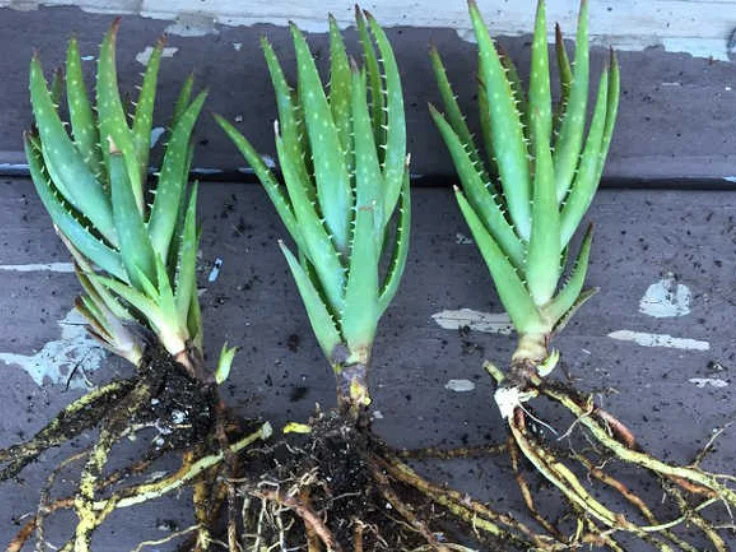
Propagation through offsets is the most reliable method. In fact, aloe vera naturally produces small plantlets, or pups, at its base. Therefore, these pups can be carefully separated and then replanted as individual plants. Additionally, handling them gently ensures higher survival rates.
Steps to Propagate Aloe Vera Plants via Pups:
-
Gently remove the mother plant from its pot.
-
Identify pups with visible roots. Only pups with roots have a high survival rate.
-
Carefully separate the pup from the mother plant using a clean, sharp knife if necessary.
-
Let the pup dry for 24–48 hours to prevent rot.
-
Plant the pup in a small pot filled with well-draining succulent soil.
-
Water sparingly and gradually increase watering as roots establish.
This method ensures strong, healthy new plants since the pups already have a root system.
Propagating Aloe Vera Plants Using Leaf Cuttings
Leaf cutting propagation is slightly less reliable but still widely used. Nevertheless, it remains a popular choice among gardeners. Essentially, it’s a simple method for creating new plants from healthy leaves, although it may take longer to establish roots compared to pups. Moreover, with proper care, leaf cuttings can successfully grow into strong, healthy aloe vera plants.
Steps to Propagate Aloe Vera Plants via Leaf Cuttings:
-
Choose a healthy aloe vera leaf and cut it near the base.
-
Let the cut leaf callus for 3–5 days to prevent rot.
-
Fill a small pot with well-draining soil.
-
Plant the leaf upright, burying 1–2 inches of the cut end.
-
Water lightly and place the pot in indirect sunlight.
While not all leaf cuttings will root successfully, careful handling increases the chances of growth.
Best Soil and Potting Techniques to Propagate Aloe Vera Plants
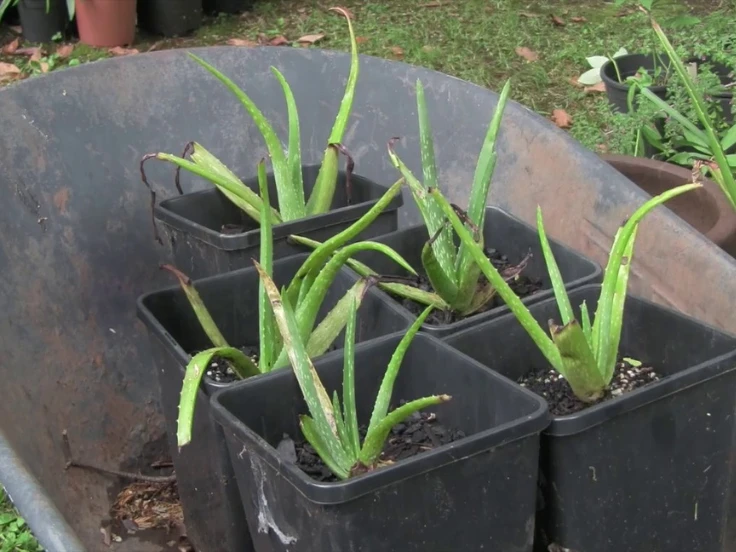
Soil and pot selection play a crucial role when learning how to propagate aloe vera plants. Specifically, choosing the right soil ensures proper drainage, which prevents root rot. Additionally, selecting a pot with drainage holes helps maintain healthy roots and promotes strong growth. Therefore, combining the correct soil and pot creates the ideal environment for successful aloe vera propagation.
Choosing the Right Soil for Aloe Vera Propagation
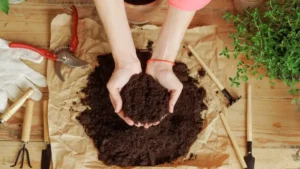
Aloe vera thrives in soil that drains quickly. For instance, using a mix of cactus soil and perlite provides excellent drainage and aeration. On the other hand, heavy or water-retentive soil should be avoided, because it can easily lead to root rot. Therefore, choosing the right soil composition is essential for healthy and successful aloe vera propagation.
Selecting the Best Pot for Propagated Aloe Vera Plants
Always use a pot with drainage holes. This way, excess water can escape easily, preventing root decay. Furthermore, clay or terracotta pots are ideal, as they allow better airflow to the roots. Consequently, choosing the right pot significantly increases the chances of successful aloe vera propagation.
Light, Watering, and Temperature Tips for Aloe Vera Propagation
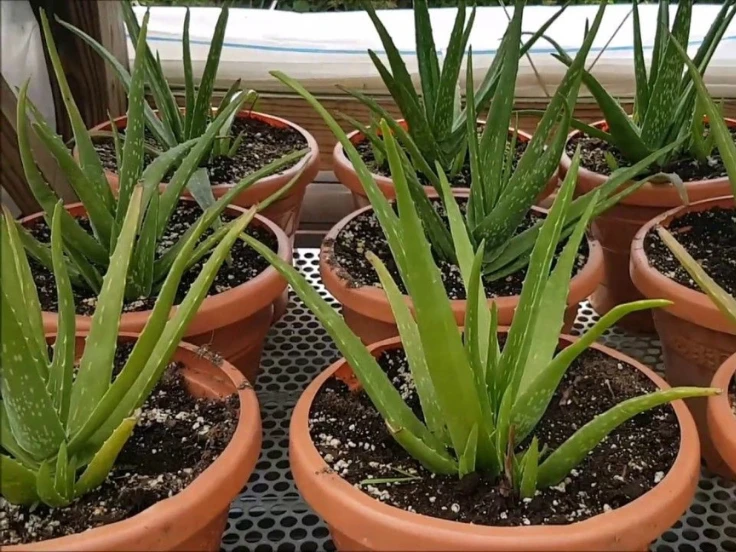
How Much Light Do Propagated Aloe Vera Plants Need?
Newly propagated aloe vera plants prefer bright, indirect light. For example, too much direct sunlight can scorch young plants, whereas too little light may slow their growth. Therefore, providing the right balance of light is essential for healthy and vigorous development.
Proper Watering Techniques for Propagated Aloe Vera
Overwatering is the most common cause of failure. Therefore, water your aloe vera plants only when the soil is completely dry. For detailed guidance on watering frequency and tips to keep your aloe healthy, check out how often to water an aloe vera plant. Additionally, gradually increase the watering frequency as the plant establishes roots, ensuring healthy growth without risking rot.
Ideal Temperature for Aloe Vera Propagation
Aloe vera thrives in temperatures between 55°F–80°F (13°C–27°C). Specifically, young plants should be kept away from drafty or cold environments, because exposure can stunt growth or damage their leaves. Therefore, maintaining an optimal temperature range is essential for successful propagation and healthy development.
Common Problems When Propagating Aloe Vera Plants
Even experienced gardeners face challenges while learning how to propagate aloe vera plants. Common issues include:
-
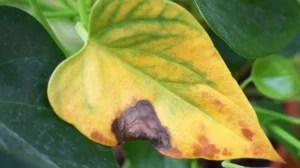
Rotting leaves: Caused by overwatering or planting pups too soon.
-
Slow growth: Often due to poor sunlight or nutrient-poor soil.
-
Pests: Mealybugs and aphids can damage new plants. Use insecticidal soap or neem oil to treat infestations.
Being proactive helps ensure your aloe vera plants remain healthy and vibrant.
Tips to Improve Success When Propagating Aloe Vera Plants
-
Fertilize lightly with a succulent-friendly fertilizer once a month.
-
Rotate the pot to ensure even sunlight exposure.
-
Repot every 2–3 years to refresh soil and prevent overcrowding.
-
Avoid using leaves from unhealthy plants for propagation.
For more expert gardening tips, you can visit the Royal Horticultural Society website.
Propagating Aloe Vera Plants Step-by-Step: A Quick Summary
-
Choose a healthy mother plant.
-
Select propagation method: pups or leaf cutting.
-
Prepare soil and pots.
-
Separate or cut leaves/pups.
-
Allow callusing for 1–2 days.
-
Plant and water sparingly.
-
Provide indirect sunlight.
-
Monitor growth and avoid overwatering.
FAQs
Can Aloe Vera Be Propagated in Water?
Water propagation is possible but less reliable. Soil propagation is recommended for better success.
How Long Does It Take for Aloe Vera Pups to Develop Roots?
Roots usually take 2–4 weeks to establish, depending on environmental conditions.
Is Winter a Good Time to Propagate Aloe Vera?
Spring or summer is ideal. Winter propagation is slower due to reduced growth rates.
How Often Should Newly Propagated Aloe Vera Plants Be Watered?
Water when the soil is dry, typically every 7–10 days, and avoid waterlogging.
Can I Propagate Aloe Vera from Old Leaves?
Old or unhealthy leaves are less likely to root. Always choose fresh, healthy leaves.
Conclusion: Mastering How to Propagate Aloe Vera Plants
Learning how to propagate aloe vera plants allows gardeners to multiply their collection effectively; moreover, it helps maintain plant health while also letting them enjoy the natural benefits of this versatile succulent. Specifically, using either pups or leaf cuttings, together with proper soil, light, and watering techniques, ensures success. For a step-by-step guide, you can read how to propagate an aloe vera plant to maximize growth and health.
Additionally, by following the steps carefully, and addressing common issues promptly, anyone can propagate aloe vera effectively. Furthermore, implementing best practices consistently increases the chances of healthy growth. Therefore, start propagating today because a thriving, sustainable aloe vera garden can bring beauty and benefits for years. In conclusion, patience and care ultimately guarantee success.