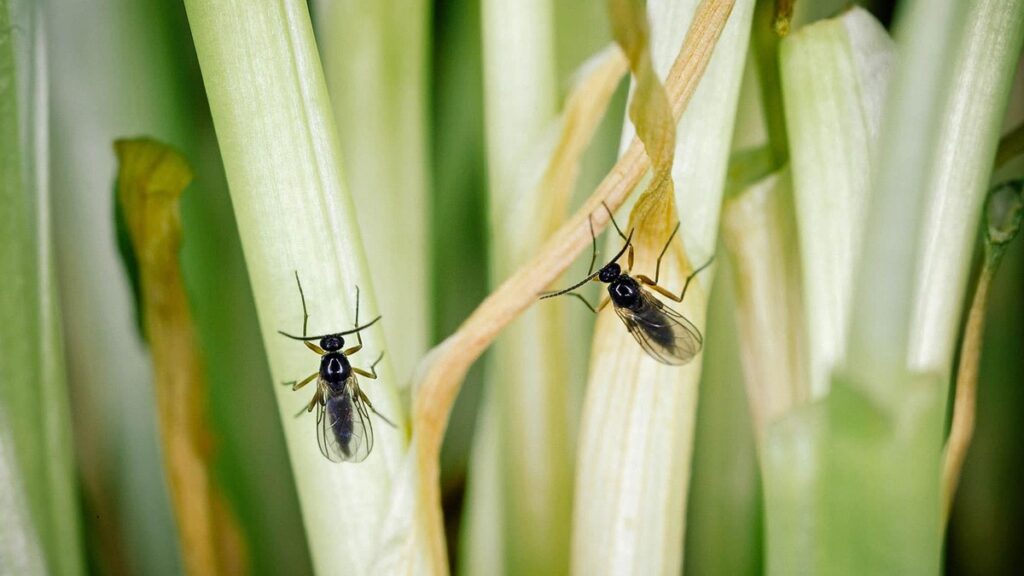
When small flies keep on surrounding your house plants each time you water them, then chances are you are dealing with fungus gnats. These are among the most prevalent soil pests that indoor gardeners face, and they can become very frustrating in a relatively short time. If you’re noticing flying insects around your pots, you may also want to learn how to get rid of indoor plant flies to fully protect your collection.
The problem for many plant owners is that they treat only the visible infestations without addressing the main cause. As soon as you know how to rid yourself of the fungus gnats, you can get rid of them once and for all and maintain your plants in a healthy condition.
This guide will provide the precise reasons why fungus gnats are there, how to get rid of fungus gnats, and how to prevent their recurrence.
What Are Fungus Gnats?
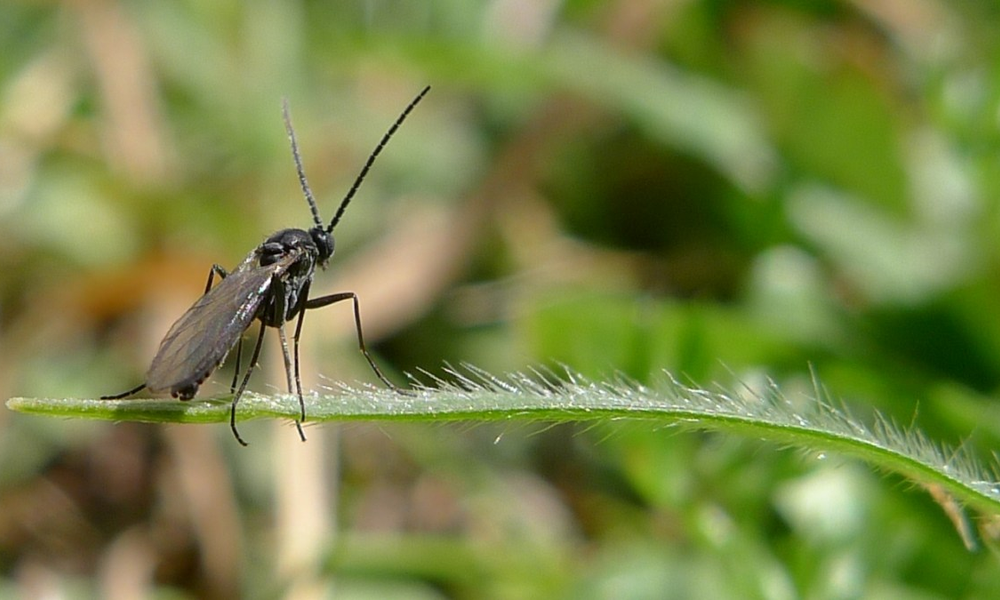
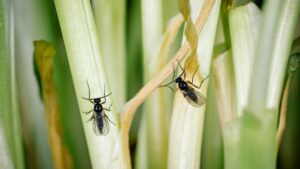
Fungus gnats are tiny black flies that survive and multiply in wet potting soil. Adult gnats are flying around plants and windows; however, the real damage is caused by the fungus gnat larvae that live in the soil.
These larvae are small white worms that are fungivores and saprotrophs. They may, in large numbers, damage plant roots and retard growth.
Fungal gnats are among the most intractable soil pests due to their rapid reproduction in indoor settings.
Why Fungus Gnats Appear
To eliminate fungus gnats forever, understanding what brings them in in the first place is the sole requirement.
Overwatered Plants
Overwatered plants are the most common cause of fungus gnat infestations.
The eggs of fungus gnats are laid in damp soil. Larvae develop readily when the soil remains wet for extended periods.
Plants with excess moisture are good breeding grounds. Overwatering is also one of the main reasons why indoor plants die, making proper watering habits essential.
It is often the case that many plant owners build up infestations without knowing it because they water plants at a set time without monitoring soil moisture levels.
Poor Soil Drainage
Excessively wet soil promotes gnats that live in the soil.
Pots containing heavy potting mixes and without drainage holes keep the soil wetter than it needs to be.
Improved drainage eliminates the risk that fungus gnat larvae will survive.
Organic Debris in Soil
The gnat larvae fungus feeds on organic matter.
Old roots and dead leaves provide the best conditions for soil pests.
Maintaining soil cleanliness helps minimize infestations.
New Plants Can Introduce Gnats
New plants occasionally introduce fungus gnats into the house. Gnats usually proliferate in moist soils in nursery plants. They must not neglect to examine and observe new plants.
Signs of Fungus Gnats
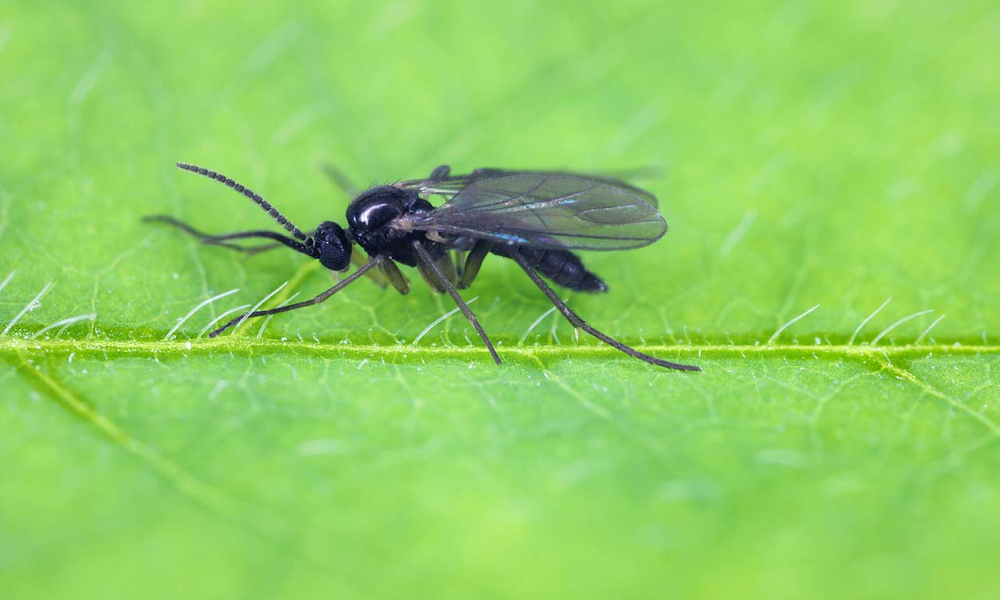
Before learning how to eliminate fungus gnats, it is always good to verify the issue.
Visible Signs
Common signs include:
- Small flies around plants
- Gnats flying near the soil
- Wet soil that stays moist
- The gnats were observed after watering.
Gnats are adults and are normally the first indicator of an indoor garden. Sometimes gardeners confuse gnats with small white bugs in houseplant soil, so proper identification is important before treatment.
Soil and Root Signs
The signs below the surface consist of:
- Fungus gnat larva presence.
- Weak roots
- Slow plant growth
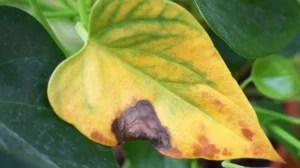
- Yellowing leaves
Extreme cases can cause root damage to plants.
How to Get Rid of Fungus Gnats
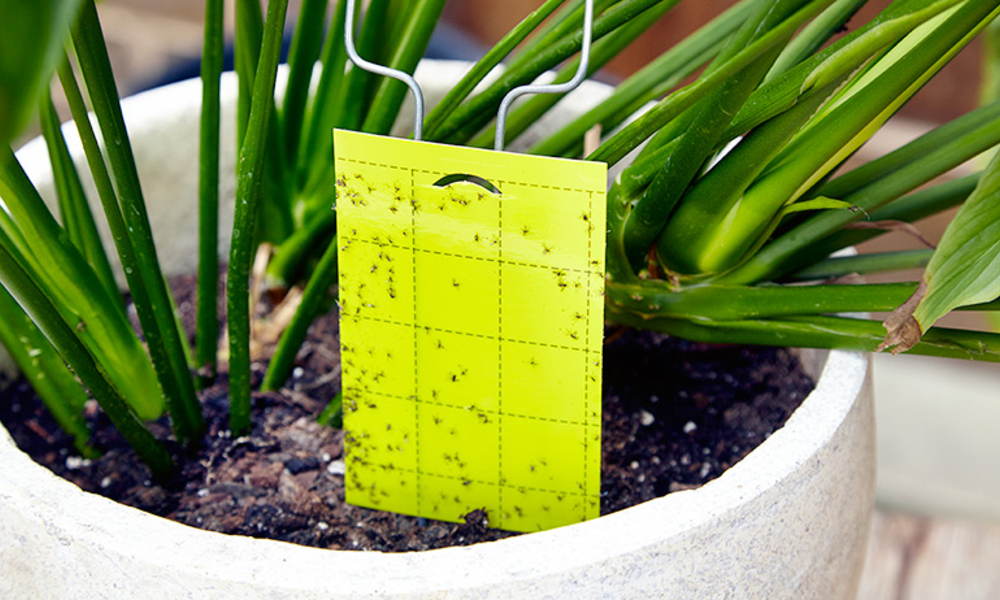
A combination of treatments is the most effective for eliminating fungus gnats. An attack on a single phase of the life cycle usually results in recurrent attacks.
Step 1: Reduce Watering
The most critical activity in eliminating fungus gnats is reducing moisture.
Wetting should only be repeated after the surface layer of soil has dried.
The larvae cannot survive in dry soil. This move is sufficient to reduce soil pests radically.
Step 2: Kill Fungus Gnat Larvae
The infestation can be prevented by eliminating the fungus gnat larvae.
Hydrogen Peroxide Solution
Larvae in the soil are killed by a solution of hydrogen peroxide in water.
This method:
- Kills larvae on contact
- Helps oxygenate soil
- Works quickly
Proceed until the disappearance of larvae.
Beneficial Nematodes
Nematodes are microscopic organisms that have a beneficial effect, preying on larvae. They are long-term and suitable for large infestations. They remove the gnat larvae that are fungal in nature.
Step 3: Catch Adult Gnats
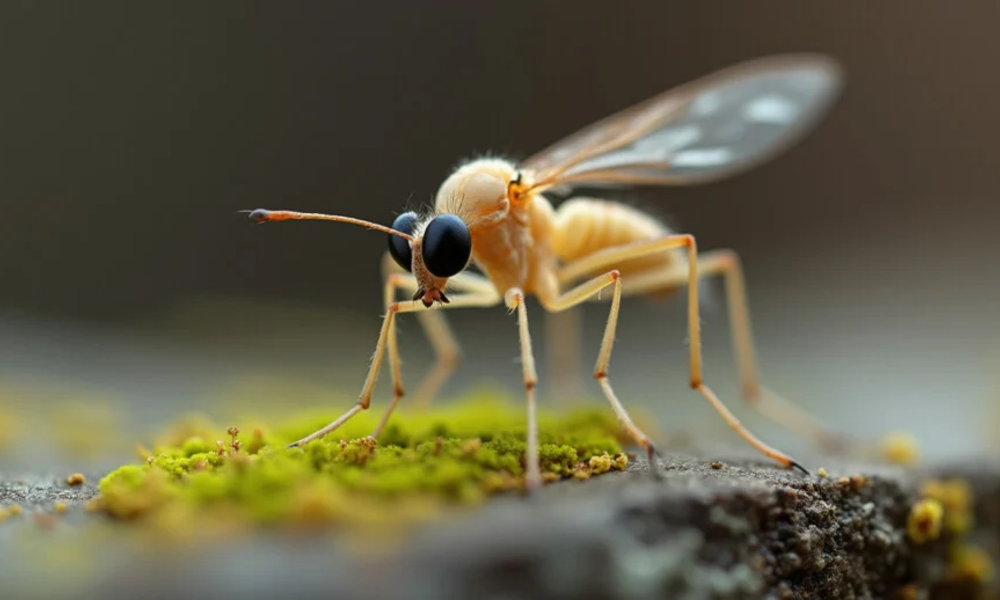
The adult gnats further breed. The prevention of new larvae is achieved by reducing the number of adults.
Sticky Traps
The gnats of adults are trapped in yellow sticky traps.
They help:
- Reduce egg laying
- Monitor infestations
- Confirm treatment progress
One of the simplest methods of controlling soil pests is the use of sticky traps.
Aim: to improve soil conditions.
Infectious soil reduces the chances of infestations.
Step 4: Improve Drainage
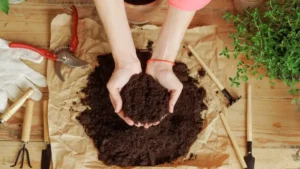
Excess water on the plants is prevented by improved drainage. Potting mix must be well-draining. Using the right indoor plant soil mixture can dramatically reduce moisture retention and prevent fungus gnat infestations. Add perlite to enhance air flow. Fungus gnats are attracted to dry soil.
Repot When Necessary
Acute cases can be treated by repotting.
- New soil fails the larvae and eggs.
- Wash pots before reuse.
One of the quickest ways to get rid of soil pests is to repot. If you’re unsure about the process, here’s a complete guide on how to repot a plant properly without stressing your plant.
Step 5: Natural Remedies
Fungus gnats can be treated with natural means and discouraged by preventing the development of future infestations.
Cinnamon Treatment
Cinnamon inhibits the growth of fungi. Reduced fungus means reduced food for fungus gnat larvae. Sprinkle lightly on the soil.
Sand or Gravel Barrier
The application of sand or gravel over soil prevents eggs from laying. This barrier aims to reduce soil pests. It also helps the soil dry faster.
How Long Does It Take to Eliminate Fungus Gnats
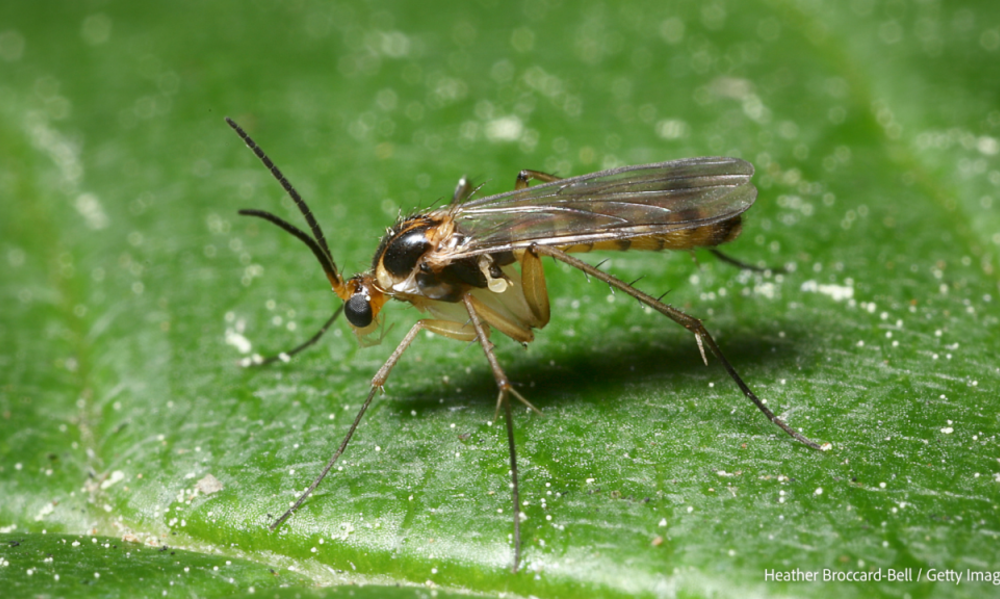
Fungus gnat removal is a long process, whereas many indoor gardeners are in a hurry to get a quick result. The gnat lifecycle of fungus takes several weeks.
Remedies should be administered until all the fungus gnat larvae are eliminated. The majority of infestations respond in two or four weeks. There must always be consistency in learning how to eliminate fungus gnats.
Preventing Fungus Gnats
It is simpler to prevent than to cure.
Avoid Overwatered Plants
To avoid overwatering plants, one should examine the soil before watering.
Always do not just turn on a water schedule.
Plant roots should not be placed in wet soil.
Use Well-Draining Soil
There is no moisture accumulation because of the good soil.
The soil is not easily drained, allowing soil pests that are discouraged by well-draining mixes to thrive.
Good soil is a healthy support to the roots.
Keep Plants Clean
Debris of fallen leaves should be cleared. Clean soil does not encourage the larvae. Healthy plants are less attractive to pests. If you’re also dealing with other common pests, here’s how to get rid of spider mites effectively.
Inspect Plants Weekly
Problems are detected early through frequent checks. Treatment at an early stage prevents severe infestation. Surveillance assists in maintaining healthy plants.
Quarantine New Plants
Isolate new plants for some weeks. This will help to avoid the introduction of fungus gnat larvae. Isolation safeguards already existing plants.
Conclusion
Fungus gnats are irritating, but they can be managed with the right methods.
Once you know how to get rid of fungus gnats, it becomes very easy. Concentrate on the drying of the soil, getting rid of the gnat larva of fungus, and not watering excessive amounts of plants.
These soil pests can be completely removed with consistent attention and proper treatment. If your plant has already suffered root damage, you may need to learn how to save a dying plant before it declines further.
FAQs
How do you get rid of fungus gnats as fast as possible?
The quickest technique uses dry soil, hydrogen peroxide, and sticky traps.
Do fungus gnats harm plants?
Minimal populations have little effect on plants, and when the number of fungus gnat larvae is high, they can damage roots.
Fungus gnat: Are they able to survive in dry soil?
No. Fungus gnats require water. Dry soil does not allow the survival of larvae.
How many days does it take to eliminate fungus gnats?
Most infestations can be successfully treated in two to four weeks.
Why do fungus gnats keep recurring?
Recurring cases are mostly due to watered-down plants or untreated larvae in the ground.
Are sticky traps effective in the elimination of fungus gnats?
Adults are controlled with sticky traps, but fungus gnat larvae are not.
Can body-snatching gnats be transmitted through plants?.
Yes. Gnats can also travel freely among plants.
Should plants with fungus gnats be repotted?
In serious infestations, repotting helps remove the larvae and eggs.
Are fungus gnats able to survive in new potting soil?
Yes, particularly when soil remains wet.
Are fungus gnats harmful to human beings?
No. Fungus gnats do not harm individuals and pets.
Does cinnamon eliminate fungus gnats?
Cinnamon slows the growth of fungi and makes soil less habitable for larvae.
Are fungus gnats selective or indiscriminate?
Fungus gnats are not plant-selective because they prefer moist soil.
Is it possible to avoid fungus gnats indefinitely?
Yes. Plants should not be overwatered, and the soil conditions should also be healthy.
Am I sure that the fungus gnat larvae died?
Larvae are normally killed when adult gnats cease appearing, and the soil remains dry.
What is their favorite fungus gnat attraction?
Sticky soil and organic matter attract fungus gnats and other pests.