If you’re curious about how to care for Tillandsia air plants, you’ve come to the right place. These fascinating, soil-free plants are loved for their unique appearance and low-maintenance needs, making them a favorite for plant enthusiasts and beginners alike.
Despite their hardy nature, Tillandsia require specific care to thrive. By understanding their light, water, and temperature requirements, you can ensure your air plants remain vibrant and healthy for years to come. In this complete guide, we’ll walk you through everything you need to know about air plant care, along with creative display ideas and troubleshooting tips.
What Makes Tillandsia Air Plants Unique?
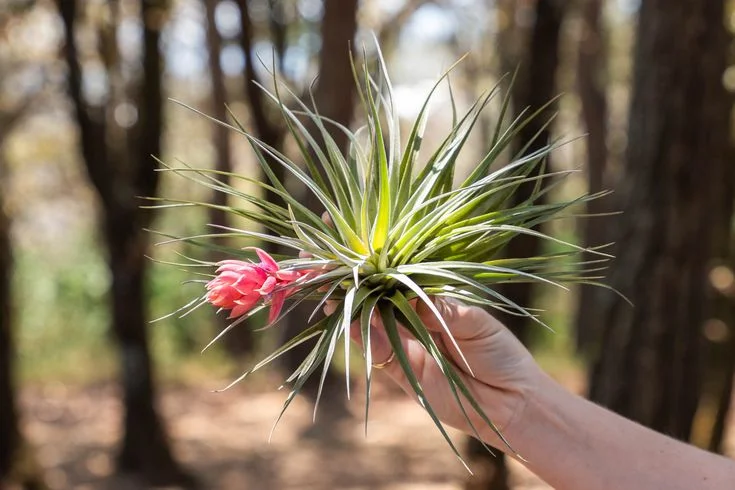
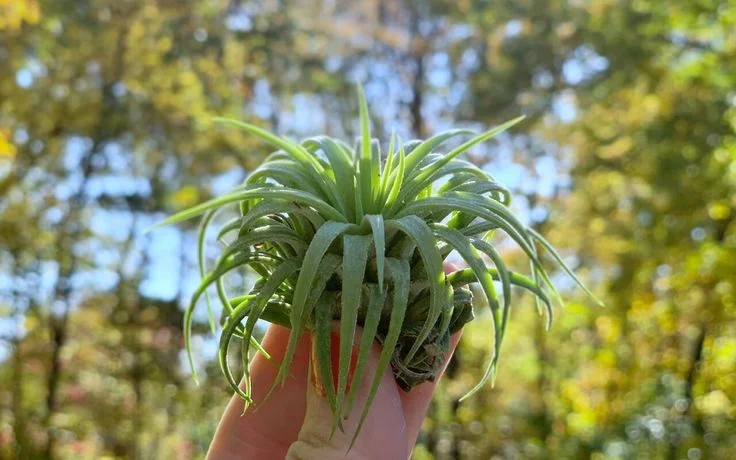
Tillandsia, often called “air plants,” belong to the Bromeliad family. Unlike most houseplants, they do not grow in soil. Instead, they absorb water and nutrients directly through their leaves using tiny scales called trichomes.
Because of this, they’re incredibly versatile and can be placed in glass terrariums, driftwood arrangements, or even hanging displays. However, their soil-free lifestyle also means they rely entirely on the environment and your care routine.
Light Requirements for Tillandsia Air Plants
The light requirements for Tillandsia air plants are crucial for keeping them healthy and vibrant. These unique plants thrive in bright, indirect light, making an east- or south-facing window the perfect location. While they can handle a few hours of gentle morning sun, avoid prolonged exposure to harsh afternoon rays, as it can scorch their leaves.
If natural sunlight is limited, Tillandsia also grow well under fluorescent or LED grow lights placed about 6–12 inches above them for 10–12 hours a day. Providing the right balance of light not only maintains their green, silvery appearance but also encourages strong growth and blooming.
Best Lighting Conditions
Air plants thrive in bright, indirect light, making a spot near an east- or south-facing window ideal. While they can tolerate some direct sunlight, especially in the morning, prolonged exposure to harsh afternoon rays can scorch their delicate leaves. For more tips on providing optimal light conditions for indoor plants, check out our guide on caring for a Peperomia plant, which offers practical advice on positioning and light requirements.
Artificial Light Options
If natural light is limited, air plants can also grow under fluorescent or LED grow lights. Position them about 6–12 inches below the light source, and provide around 12 hours of light daily.
Watering Tillandsia Air Plants Properly
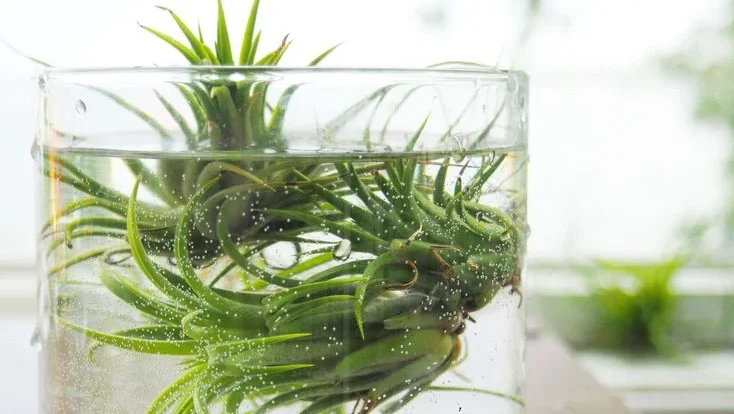
Learning the right method of watering Tillandsia air plants properly is key to their survival, since these plants absorb moisture through their leaves instead of roots.
The most effective approach is to soak them in room-temperature water for about 20–30 minutes once a week, ensuring they get fully hydrated. After soaking, gently shake off excess water and place the plants upside down on a towel to dry completely, preventing rot.
In dry climates or during hot months, you may need to water 2–3 times per week, while in more humid environments, once every 7–10 days is enough. A light misting between soakings can also help maintain healthy leaves. By following a consistent watering routine, you’ll keep your air plants lush, vibrant, and thriving year-round.
How to Water Tillandsia
The best method is soaking. Submerge your air plants in room-temperature water for 20–30 minutes once a week. After soaking, shake off excess water and let them dry upside down on a towel to prevent rot.
Adjusting Based on Environment
- In humid climates, watering every 7–10 days is sufficient.
- In dry climates or heated indoor spaces, increase to 2–3 times per week.
- Mist occasionally between soakings to keep leaves hydrated.
Transitioning between seasons, always monitor leaf color and texture. Curling or crispy leaves indicate dehydration, while soft, mushy leaves suggest overwatering.
Temperature and Humidity Needs
Tillandsia are native to warm, tropical regions, so they prefer conditions that mimic their natural habitat.
- Temperature: 50–90°F (10–32°C) is optimal. Avoid frost exposure, as it can kill the plant.
- Humidity: These plants love humidity levels between 50–70%. In dry homes, a small humidifier or frequent misting can help maintain proper moisture levels.
By maintaining these conditions, your Tillandsia will flourish year-round.
Fertilizing Air Plants for Healthy Growth
While Tillandsia can survive without fertilizer, feeding them promotes stronger growth and encourages blooms.
Use a bromeliad or air plant fertilizer diluted to one-quarter strength. Apply once a month during watering sessions. Regular fertilization also supports reproduction by producing pups, which are baby air plants.
For more insights, you can check out the American Tillandsia Society for expert resources.
Seasonal Care for Tillandsia Air Plants
Like all plants, Tillandsia have seasonal needs.
- Spring and Summer: Growth is most active, requiring more frequent watering and feeding.
- Fall and Winter: Growth slows down, so reduce watering and stop fertilizing until spring.
Transitioning your care routine with the seasons ensures long-lasting plant health.
Common Problems and Solutions
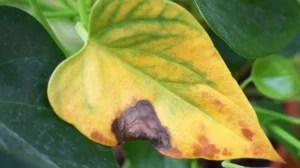
When learning how to care for Tillandsia air plants, it’s important to recognize common problems and their solutions to keep your plants healthy. One frequent issue is dry, brown leaf tips, often caused by underwatering or low humidity soaking your plant longer and misting more regularly usually solves this.
On the other hand, soft or mushy leaves signal overwatering or poor air circulation; always let your air plants dry completely after watering to prevent rot. If your Tillandsia shows slow or stunted growth, the cause is usually insufficient light or lack of nutrients, which can be corrected by moving the plant to brighter indirect light and applying a diluted air plant fertilizer monthly.
By spotting these signs early and adjusting your care routine, you can quickly restore your Tillandsia to full health.
Dry, Brown Tips
This usually signals underwatering or low humidity. Soak the plant longer and mist more frequently.
Soft or Mushy Leaves
Overwatering or poor drying conditions can cause rot. Always dry plants thoroughly after soaking.
Lack of Growth
Insufficient light or nutrients may be the culprit. Relocate to a brighter spot and use fertilizer monthly.
How to Display Tillandsia Air Plants Creatively
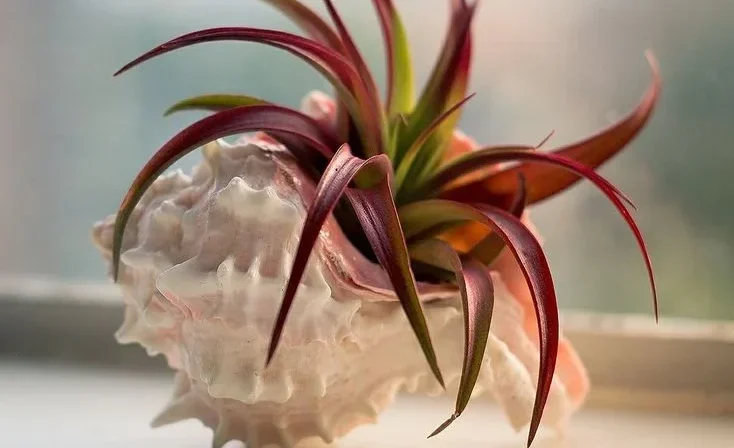
One of the best parts of caring for Tillandsia air plants is styling them.
- Place them inside glass terrariums with decorative stones.
- Mount them on driftwood or shells for a natural look.
- Hang them in macrame holders or wire frames to create living art.
Because they don’t need soil, the possibilities are endless, allowing you to personalize your space beautifully.
FAQs About Caring for Tillandsia Air Plants
1. Do Tillandsia air plants need soil?
No, they absorb nutrients through their leaves and don’t require soil to survive.
2. How often should I water air plants?
Generally, once a week by soaking. However, adjust based on humidity and climate.
3. Can air plants grow without sunlight?
They need bright, indirect light, but artificial grow lights can also keep them healthy.
4. How long do Tillandsia air plants live?
With proper care, air plants can live for several years and produce pups that continue the life cycle.
5. Why are my air plant’s leaves curling?
This usually indicates dehydration. Increase watering frequency and misting.
Conclusion
Learning how to care for Tillandsia air plants is simple, especially because once you understand their unique needs, the process becomes straightforward. By consistently providing the right balance of light, water, temperature, and nutrients, you can ensure these fascinating plants thrive for years to come.
Moreover, Tillandsia not only add refreshing greenery to your space but also bring versatility, making them one of the most creative plants to display indoors. With regular attention and seasonal adjustments, your air plants will reward you with vibrant growth and even beautiful blooms. If you want tips on keeping indoor plants healthy, you may also find our guide on Peace Lily yellow leaves helpful, as it covers essential care practices that apply to many indoor plants.
Therefore, if you’re ready to add low-maintenance beauty to your home, then start with just a few Tillandsia and follow this guide. Over time, you’ll discover how simple and, above all, enjoyable it is to master the art of air plant care.