
How do you apply neem oil so it works fast, stays safe for your plants, and doesn’t leave you frustrated? The secret is simple: mix it correctly, spray at the right time, coat the right areas, and repeat on a smart schedule.
Neem oil can be a game-changer for common plant problems. However, it’s also easy to misuse if you rush. So, in this guide you’ll learn a clear, step-by-step method you can use on houseplants, patio pots, and garden beds without confusing rules or fancy terms.
What neem oil actually does (and why it’s popular)
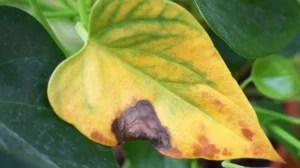
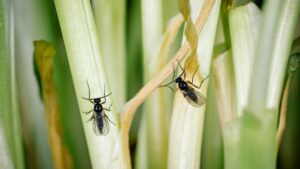
Neem oil is commonly used to manage soft-bodied pests like aphids, whiteflies, spider mites, and mealybugs. In addition, many gardeners use it as part of an early-response routine for issues like powdery mildew.
That said, neem is not a “one-and-done” spray. Instead, it works best when you apply it consistently and catch problems early. Therefore, think of it like brushing your teeth—regular care beats emergency fixes.
Choose the right neem oil product
Before you spray anything, check what you bought. Because not all neem products are identical, the directions can vary.
Most neem options fall into these types:
-
Ready-to-use neem spray: convenient and simple, great for beginners.
-
Neem oil concentrate: you mix it with water, so it’s more affordable long-term.
-
Neem products with clarified hydrophobic extract or azadirachtin: often used for targeted pest control, usually with specific label instructions.
Even if two bottles look similar, the mixing rates can differ. So, always read your label first and follow it.
What you’ll need before you start
Gather a few basics and you’ll be ready in minutes:
-
Neem oil (ready-to-use or concentrate)
-
Spray bottle or pump sprayer
-
Lukewarm water (if mixing)
-
Mild liquid soap (only if your product needs help emulsifying)
-
Gloves (recommended) and a cloth for cleanup
Also, keep paper towels nearby. That way, if you drip, you can wipe it up quickly.
How to mix neem oil (simple and reliable)
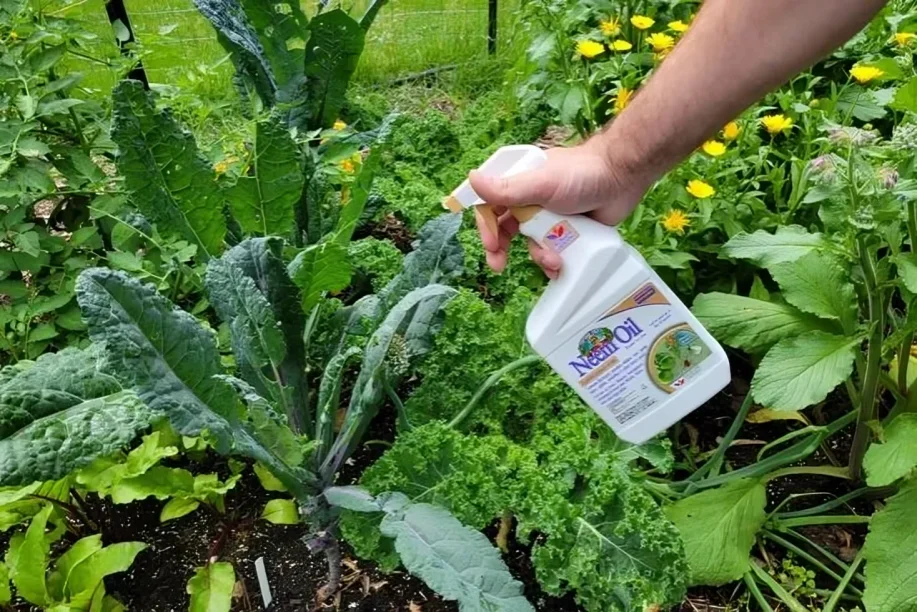
If you’re using a concentrate, a common at-home mix many people use is:
-
1 teaspoon (5 ml) neem oil per 1 liter of water
-
Plus a few drops of mild liquid soap if your neem doesn’t blend well
Why the soap? Oil and water separate. Therefore, a tiny amount of soap helps the mixture stay evenly blended so you’re not spraying plain water at the end.
Quick mixing steps
-
Add lukewarm water to your sprayer.
-
Add the neem oil.
-
Add a few drops of mild soap if needed.
-
Close, then shake gently for 20–30 seconds.
-
Keep shaking occasionally while you spray.
One more tip: mix only what you’ll use that day. Because diluted neem loses power over time, fresh batches usually work better.
The best time to apply neem oil (don’t skip this)
Timing matters more than most people think. So, aim for:
-
Early morning, or
-
Late evening
Why? Because strong sun and heat can increase the chance of leaf stress when oil-based sprays are used. Therefore, cooler hours are safer and often more effective.
If you’re treating indoor plants, it still helps to spray when the plant won’t sit in harsh direct sunlight right afterward.
Step-by-step: how do you apply neem oil to plants?
This is the part that gets results. Instead of a quick mist and hope, use this simple method.
Step 1: Do a patch test first
Even gentle products can bother sensitive plants. So, spray one or two leaves lightly and wait 24 hours.
If you see spotting, curling, or extra droop, stop and dilute more or switch approaches. However, if it looks normal, continue.
Step 2: Spray the right places (not just the top)
This is where many people miss the target. Most pests hide where you don’t look. Therefore, spray:
-
Undersides of leaves (super important)
-
Leaf joints and stems
-
New growth tips
-
Lower stems near the soil line (light mist, not a soak)
Aim for an even coating. In other words, get it damp and glossy, but not dripping like a waterfall.
Step 3: Keep the spray gentle and steady
Hold the sprayer a short distance away and move in smooth passes. Also, avoid blasting tender new leaves with a harsh stream.
If you’re using a hand sprayer, shake it every few minutes. Otherwise, the mixture separates and your coverage becomes uneven.
Step 4: Let the plant dry with airflow
After spraying, let the plant dry in a well-ventilated spot. For indoor plants, a bit of airflow helps reduce that “oily” feel. In addition, it lowers the chance of leaving residue on surfaces.
How often should you apply neem oil?
Frequency depends on your goal. However, consistency is key either way.
If you’re treating an active pest problem
-
Spray every 7 days for 2–4 cycles.
This schedule works because many pests hatch in waves. Therefore, repeating breaks the cycle.
If you’re using neem for prevention
-
Spray every 10–14 days during high-risk seasons.
Also, if it rains hard outdoors, you may need to reapply, because coverage can wash away.
Most importantly, don’t increase the concentration to “speed things up.” Instead, stick to the correct rate and repeat on schedule.
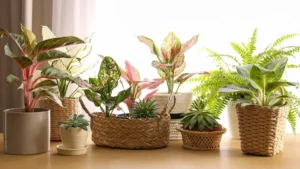
Neem oil for houseplants: extra tips that save headaches
Indoor plant care is a little different, so these tips help a lot:
- Spray in a tub, shower, balcony, or near a protected surface.
- Wipe dusty leaves first so neem can contact the pest directly.
- Avoid spraying right before turning grow lights up high.
- Keep pets away until the plant is dry, just to be safe.
Also, if your plant is already stressed (recent repotting, heat stress, underwatering), wait until it rebounds. Because stressed plants react more strongly to any spray.
If you’re dealing with recurring infestations or managing pests at scale, using a structured system can make treatments more consistent. You can also explore pest control software for small business to track schedules, monitor outbreaks, and improve pest management workflows.
Common mistakes (and easy fixes)
You can avoid 90% of neem problems by dodging these:
Spraying in hot sun
Fix: spray early morning or evening, then keep the plant out of harsh sun until dry.
Spraying only the top of leaves
Fix: always coat the undersides pests love that hidden zone.
Not shaking the bottle
Fix: shake frequently so the oil stays mixed.
Overusing neem
Fix: more isn’t better. Instead, keep the mix gentle and repeat weekly.
Expecting instant results
Fix: neem is a process. Therefore, track progress over 2–3 weeks.
Helpful external resource (reliable)
For safety basics, label language, and ingredient background, you can reference the National Pesticide Information Center’s guidance on neem-based products:
https://npic.orst.edu/
FAQs
Can I use neem oil on edible plants?
Often yes, but it depends on the product label and how close you are to harvest. Therefore, always follow label instructions for food plants and wash produce properly.
Should I spray neem oil on flowers?
It’s better to avoid flowers when possible. Instead, focus on leaves and stems, because pollinators visit blooms and you don’t want to spray where they feed.
How long does neem oil take to work?
You may notice fewer pests within a few days. However, full control usually takes repeated applications over 2–3 weeks.
Can neem oil help with fungus like powdery mildew?
It may help when used early and consistently. Still, improve airflow and remove badly infected leaves, because spray alone won’t fix heavy infections.
Conclusion
So, how do you apply neem oil correctly? Mix it gently, spray during cooler hours, cover the undersides of leaves, and repeat on a steady schedule. Additionally, patch test first and keep your plant comfortable while it dries.
If you’re dealing with a serious infestation or the problem keeps coming back even after a few treatments, it may be time to compare professional options too. You can check this guide on how much pest control service costs per month to understand typical pricing and what services usually include.