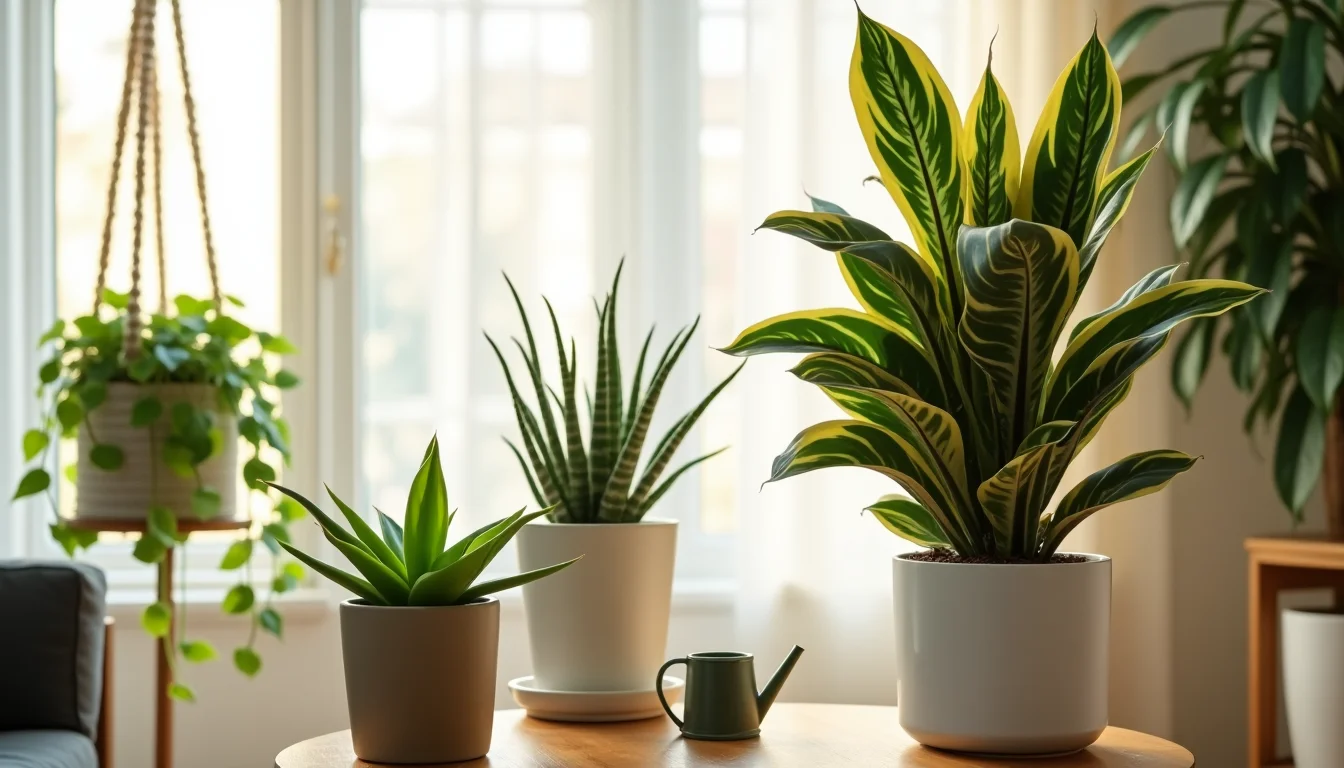
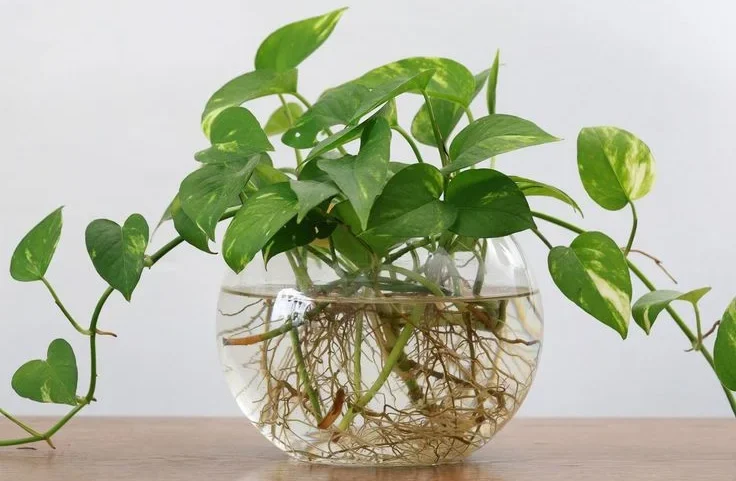
If you have ever asked yourself how often should you water a money tree, you are not alone. The money tree (Pachira aquatica) is a popular indoor plant known for its braided trunk and lush green leaves. While it is believed to bring good luck and prosperity, its success largely depends on proper care especially watering.
Watering a money tree incorrectly can quickly lead to problems such as root rot, yellowing leaves, or stunted growth. That’s why understanding the right watering frequency is essential for keeping this beautiful plant healthy and vibrant.
In this guide, you’ll discover how often to water your money tree, the signs of overwatering and underwatering, and professional care tips that ensure long-lasting growth.
Why Watering Matters for Money Trees
Water is the lifeline of every plant, and the money tree is no exception. Unlike drought-tolerant succulents, the money tree thrives in slightly moist soil but not waterlogged conditions.
Therefore, watering it correctly strikes a balance: enough hydration to support healthy growth but not so much that roots suffocate. This balance is what makes the plant thrive indoors.
How Often Should You Water a Money Tree Indoors?
For most indoor environments, you should water a money tree every 1 to 2 weeks, depending on the season, room temperature, and humidity.
- Spring and Summer: Water once a week when the soil starts to dry out.
- Fall and Winter: Reduce watering to every two weeks or when the top 2 inches of soil feel dry.
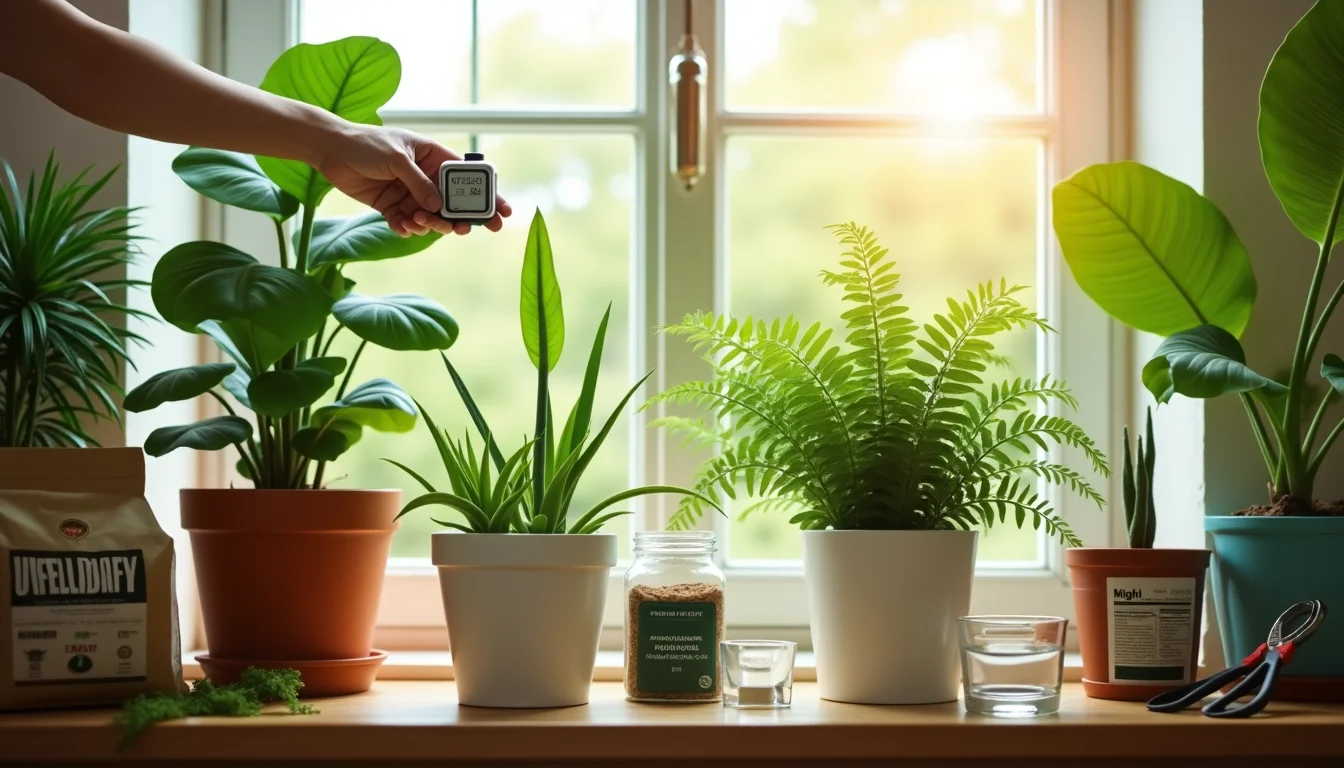
A simple way to check if your money tree needs water is by performing the finger test: stick your finger about 2 inches into the soil. If it feels dry, it’s time to water.
Seasonal Watering Guidelines
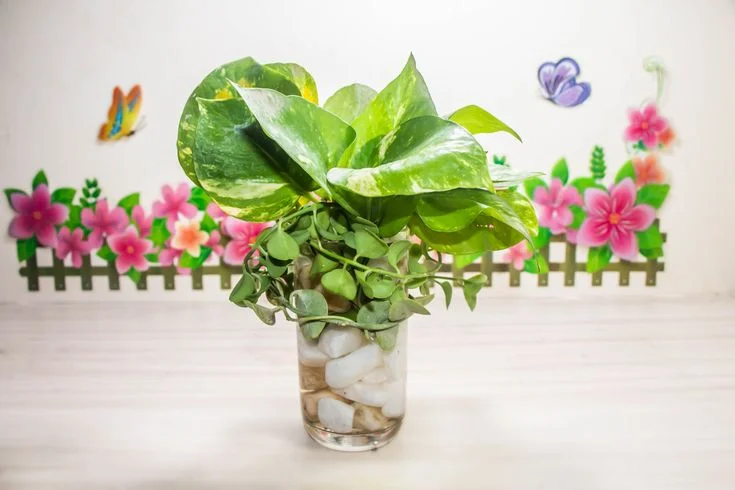
Money tree watering needs change throughout the year, so adjusting your routine by season is essential. In spring and summer, the plant grows actively and requires more frequent watering, usually once a week.
However, as fall approaches, growth slows, meaning the soil takes longer to dry out. Therefore, you should reduce watering to every 10–14 days during autumn and winter. By adapting your care to the seasons, you prevent overwatering while keeping the plant consistently healthy.
Spring and Summer Care
During warmer months, money trees experience their fastest growth. The plant uses more water, so consistent moisture is necessary. Always water deeply until excess drains from the bottom of the pot.
Fall and Winter Care
As temperatures drop, money trees enter a semi-dormant state. Growth slows down, meaning less water is needed. Overwatering in winter is one of the most common mistakes plant owners make.
Signs of Overwatering
Overwatering is the leading cause of money tree decline. Watch for these warning signs:
- Yellow or wilting leaves
- Mushy stems
- Foul-smelling soil
- Mold or fungus on the surface
If you notice these symptoms, let the soil dry out completely and reduce watering frequency. Repotting may also be necessary if root rot has set in.
Signs of Underwatering
Underwatering is less common but still possible. Look out for:
- Crispy or curling leaves
- Drooping stems
- Soil pulling away from the sides of the pot
If this happens, gradually rehydrate the plant by watering deeply and allowing the soil to soak in moisture.
Best Watering Practices for Money Trees

To ensure your money tree thrives, it is important to follow a few proven watering techniques. Always begin by checking the soil moisture before adding water, as this prevents both overwatering and underwatering.
Use room-temperature water to avoid shocking the roots, and make sure your pot has proper drainage so excess moisture can escape easily. In addition, water slowly and evenly until the soil is fully saturated, then allow it to dry slightly before the next watering.
By applying these simple yet effective methods, your money tree will remain strong, vibrant, and long-lasting. For more plant care tips, such as solving issues like peace lily brown leaves, exploring related guides can help you keep all your houseplants thriving.
Use Room Temperature Water
Cold water can shock the roots of your money tree, slowing down its growth. Always use water that is at room temperature to maintain stable root health.
Drain Excess Water
Never allow your money tree to sit in standing water, as this can quickly lead to root rot. After watering, make sure any excess drains completely.
Choose the Right Pot
A container with drainage holes is essential. Without proper drainage, the soil remains soggy, creating unhealthy conditions for the plant.
Adjust for Climate
If your home has dry air, your money tree may need slightly more frequent watering. Monitor humidity levels and adjust accordingly.
Soil and Drainage Matter
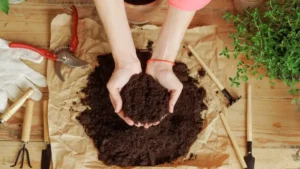
Money trees prefer well-draining soil with a mix of peat moss, sand, and perlite. Poor soil traps water, which increases the risk of root rot.
Always choose a potting mix designed for indoor tropical plants. For reference, you can check The Spruce’s guide on money tree soil care.
Should You Mist a Money Tree?
Yes, occasional misting helps, especially in dry indoor environments. While watering hydrates the roots, misting increases humidity around the leaves, preventing dryness and browning.
How Often Should You Water a Money Tree Outdoors?
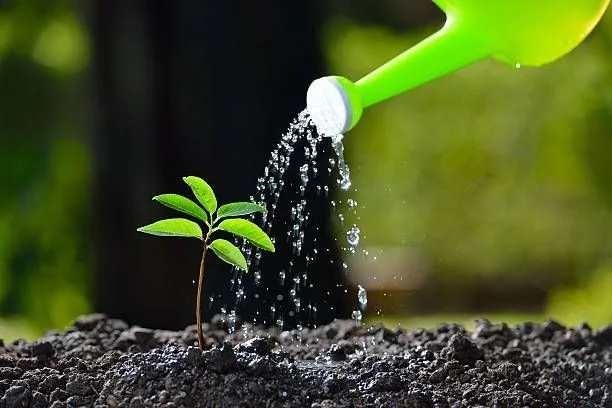
If grown outdoors in warm climates, money trees usually need watering 2–3 times per week, especially in full sun. However, always let the topsoil dry slightly before watering again.
Common Mistakes to Avoid
- Watering on a strict schedule without checking soil moisture.
- Ignoring pot drainage, leading to waterlogged roots.
- Using hard tap water, which may leave mineral deposits on leaves.
- Overcompensating after missed watering, which can shock the plant.
By avoiding these mistakes, you set your money tree up for consistent health and growth.
FAQs About Money Tree Watering
1. How often should you water a money tree in winter?
In winter, water about once every two weeks, allowing the soil to dry slightly between waterings.
2. Can you water a money tree with tap water?
Yes, but it’s best to let tap water sit out overnight to allow chlorine to evaporate.
3. What happens if I overwater my money tree?
Overwatering can cause root rot, yellow leaves, and eventually kill the plant.
4. Do money trees need misting?
Misting helps increase humidity, especially in dry homes. However, it should not replace proper watering.
5. Should I use fertilizer when watering my money tree?
Yes, during the growing season (spring and summer), you can add diluted liquid fertilizer once a month.
Conclusion
So, how often should you water a money tree? The answer depends on your environment, but generally, once every 1–2 weeks indoors works best. Always check the soil first rather than following a rigid schedule.
By maintaining balanced watering habits, ensuring proper drainage, and adjusting to seasonal needs, your money tree will reward you with vibrant growth and beauty for years to come. If you’ve noticed similar issues in other houseplants like yellowing leaves it’s often a sign of improper care. You can learn more in this helpful guide on why peace lily leaves turn yellow.
With the right care, this symbolic plant not only enhances your home décor but may also bring good fortune making it well worth the effort.