Plants that are found indoors make our lives alive. However, even the healthiest house plants may not beat houseplant diseases. You are not alone in having ever noticed leaves turning yellow, or a spot in the middle of them, or a plant just wilting. These are the issues that many indoor gardeners encounter. If you’re new to plant care, learning the basics of growing houseplants can make disease prevention much easier. You can start with this helpful guide on how to grow plants indoors.
Most of the diseases that attack house plants are treatable if they are identified early. Treating a problem before it escalates into a problem will be possible by learning how to identify such symptoms, such as indoor plant fungus, leaf spot disease, and houseplant root problems.
We will also take a step-by-step tour of the most prevalent houseplant diseases, their symptoms, and some of the remedies that indoor gardeners can apply to prevent root rot as one of the solutions to help revive the health of their plants.
Why Houseplant Diseases Happen
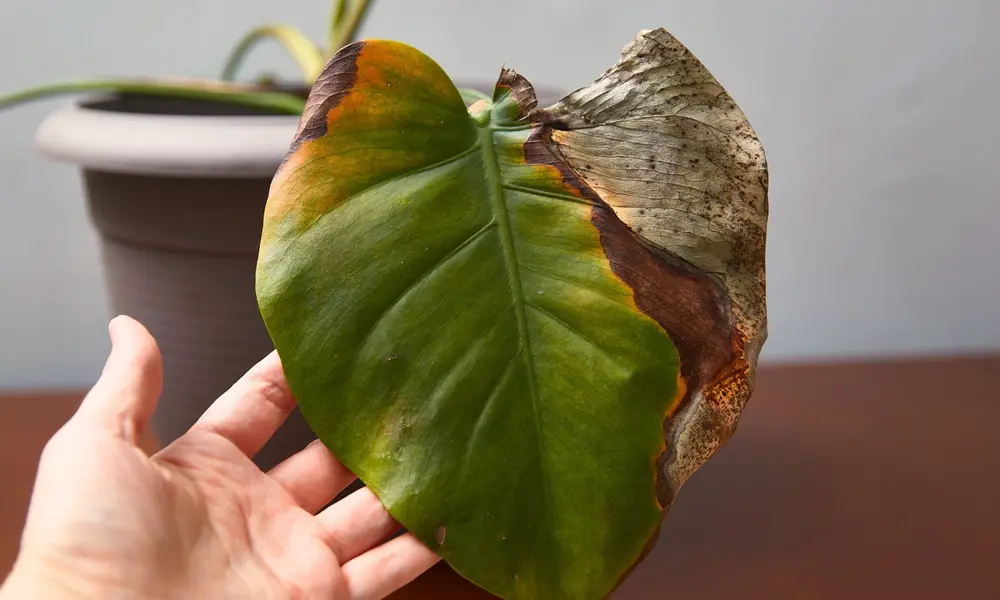
The majority of the diseases of indoor plants arise due to environmental stress. Plants in the house are fully reliant on the conditions we offer them: light, water, air, and the quality of the soil.
Under the off-balance conditions, the plants would be exposed to the disease.
Common causes include:
- Overwatering
- Poor drainage
- Lack of air circulation
- Excess humidity
- Contaminated soil or pots
- Weak or stressed plants
Fungi and bacteria multiply in a humid environment, and that is why indoor plant fungus is one of the most frequent issues that plant owners face.
The primary goal of prevention is to know these triggers. Understanding proper plant care techniques can also reduce the chances of diseases developing. This guide on how to care for potted plants explains essential care practices for indoor plants.
Signs Your Houseplant Might Be Sick
Symptoms of plants are normally visible before a disease is dire. These early symptoms may be detected and allow you to do something fast.
Look for these common signs:
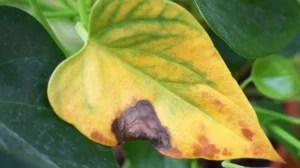
- Yellow or browning leaves
- Foliage: Black or brown spots.
- Wilting despite watering
- Mold or fuzzy growth on the soil
- Mushy stems or roots
- Leaves dropping suddenly
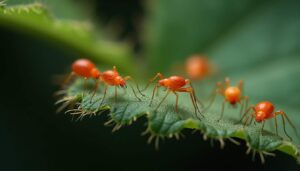
Insects can sometimes cause similar symptoms in plants, so it helps to know the common pests that attack houseplants, such as spider mites on houseplants. When you observe any of the above problems, then it is worth researching whether a disease of a houseplant is attacking your plant.
Root Rot: One of the Most Common Indoor Plant Diseases
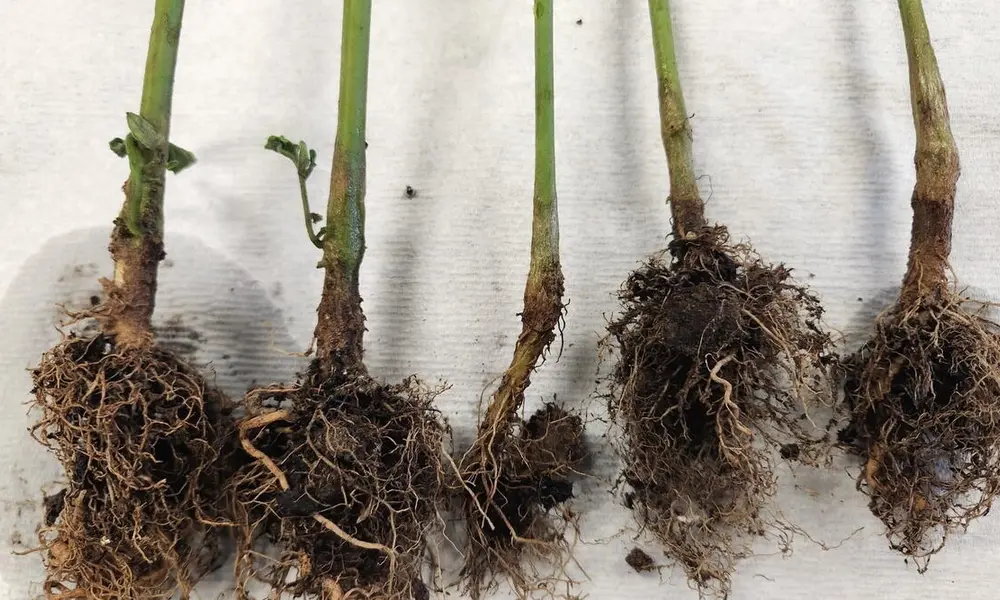
Root rot is among the most common and dreadful diseases of the houseplant. It arises due to excessive exposure of roots in excessively wet soil.
The presence of moisture in excess amounts forms an ideal condition where fungi infect the roots.
Symptoms of Root Rot
- Yellowing leaves
- Drooping or wilting
- Slow growth
- Mushy, dark roots
- Foul smell from the soil
- Root rot may also destroy the plant when it is not treated.
If you suspect severe root damage, you can also read a detailed guide about peace lily root rot to understand how root diseases develop and how to treat them.
Root Rot Treatment Indoor
However, it is not too late because the plant can be rescued through early intervention.
Indoor gardeners suggest the following treatment steps for root rot:
- Remove the plant from its pot.
- Very carefully remove soil from the roots.
- Clean the root with black or mushy roots using clean scissors.
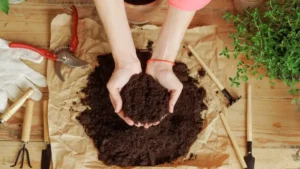
- Renew the soil with fresh, well-draining soil.
- Cut down on the amount of water that is used until the plant heals.
The best deterrents to root rot are good drainage and proper watering.
Leaf Spot Disease in Houseplants
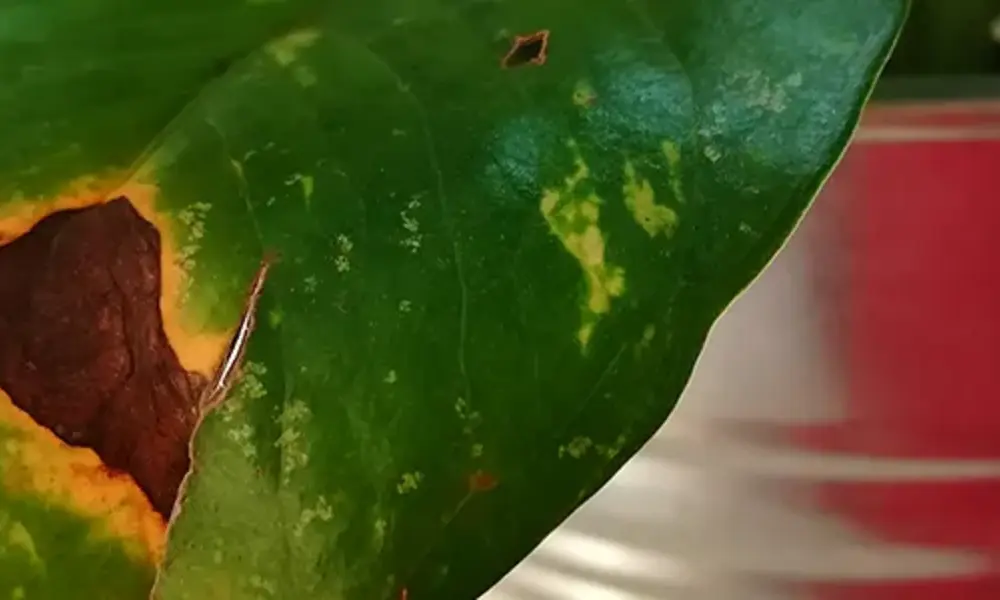
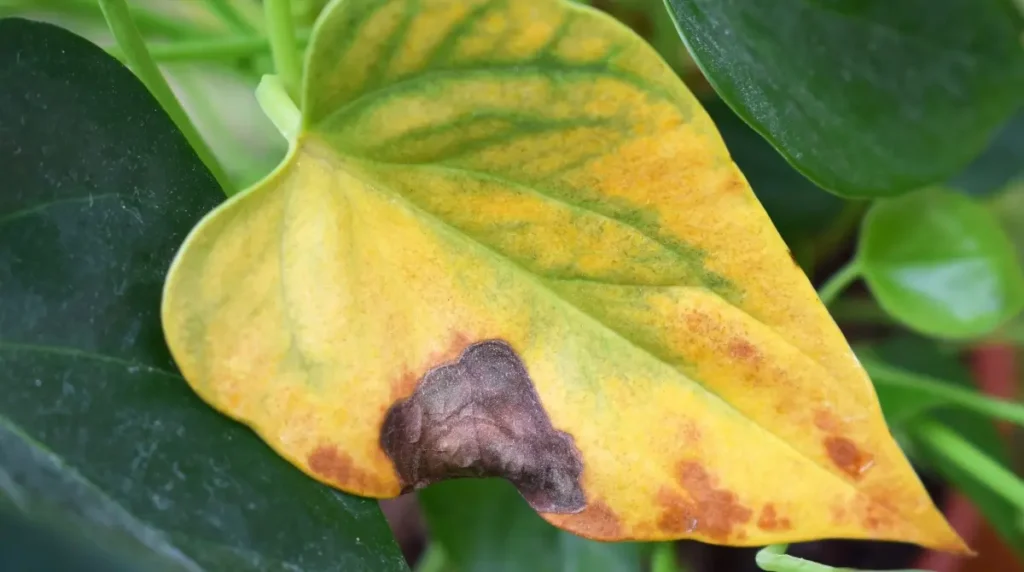
The other frequent problem is that of leaf spot disease that houseplants usually develop when they are infected by fungal or bacterial pathogens.
In the event that conditions are damp, leaf spot may be acquired rapidly.
Symptoms of Leaf Spot Disease
Dark spots on leaves that are brown or black.
- Yellow halos around spots
- The falling of the leaves that are turning yellow.
- Spots that sprinkled over the plant.
The spots can be of any size, but usually they are sudden.
How to Treat Leaf Spot Disease
In order to manage the occurrence of leaf spot disease, houseplants can be affected:
- Take away infected leaves.
- Foliage should not be sprayed with water.
- Enhance the ventilation of plants.
- Dehumidify in case of excessive humidity.
- Use weak fungi in case of need.
Timely treatment prevents the spread of the disease. Many indoor plants show leaf damage when they are stressed, and understanding the reasons behind issues like peace lily yellow leaves can help identify plant health problems early.
Powdery Mildew (Indoor Plant Fungus)
Powdery mildew is a widespread fungus of indoor plants, which is manifested as white powder on leaves.
Powdery mildew can be used in relatively dry conditions, unlike many other fungal diseases.
Symptoms of Powdery Mildew
- Dusty coating on the leaves, white.
- Distorted leaf growth
- Reduced plant vigor
Treatment Options
The treatment of fungus in this indoor plant is:
- Remove affected leaves.
- Enhance the ventilation of the plant.
- Reduce humidity.
Apply a low-grade fungicide/neem oil solution.
Future outbreaks are normally prevented by good ventilation. Good airflow and proper watering habits also help prevent pests that damage plant leaves, including spider mites on houseplants.
Gray Mold (Botrytis)
Another type of fungal disease that may affect houseplants is grey mould, and it is prone to attack the plants in high humidity.
It usually manifests itself in the form of grey fuzz on stems, leaves, or flowers.
Symptoms
- Soft brown patches
- Fuzzy gray mold
- Rotting plant tissue
Treatment
To control grey mould:
- Remove infected plant parts.
- Improve air circulation.
- Less watering and humidity.
- Water leaves dry.
The best line has been the prevention of moisture accumulation.
Bacterial Leaf Blight
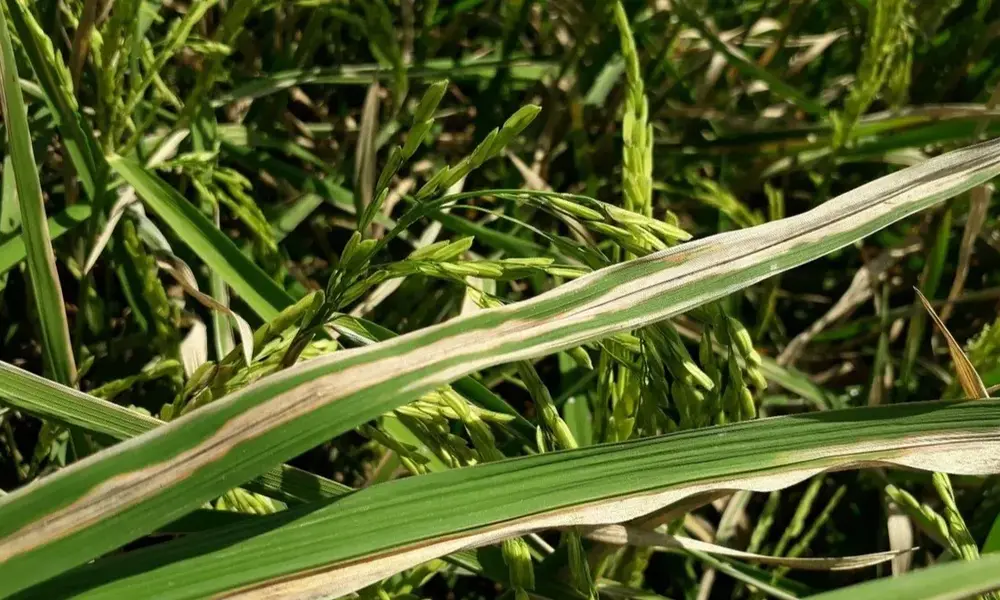
Houseplant diseases may be brought about by bacterial infection, particularly in hot and moist climates.
They are diseases that propagate rapidly in the case of leaves infected with the plant.
Symptoms
- Water-soaked spots on leaves
- Dark streaks or patches
- Brown and falling leaves and leaves.
Treatment
To the dismay, bacterial diseases are less easy to treat.
- To manage the problem:
- Take away infected leaves.
- Avoid overhead watering.
- Separate the infected plant.
Prevention is usually the measure of all.
Disease of Houseplants Prevention.
Treatment of plant ailments can be done, but prevention is relatively easier.
The risk of houseplant diseases can be lowered significantly by a number of rather trivial habits.
Helpful Prevention Tips
- Use pots with drainage holes.
- Avoid overwatering plants.
- HAVE proper ventilation of plants.
- Wash the tools that are used in pruning.
- Fresh, clean potting soil is to be used.
- Remove dead leaves quickly.
Plants that are healthy are much more disease-resistant.
When to Repot a Sick Plant
In other cases, repotting the plant in new soil is the best remedy for the diseases of houseplants.
You may need to repot if:
- The soil smells sour.
- Roots appear damaged.
- Months have passed without the plant growing.
- Water drains poorly.
New soil removes pathogens and also provides a healthier environment for the plant. If you are unsure how to safely change soil or containers, this step-by-step guide on how to repot a plant can help you repot your houseplants correctly.
Quick Diagnosis Guide
The following is a brief summary of typical symptoms and causes of plant diseases in the house.
| Symptom | Possible Problem |
| Yellow leaves | Overwatering or root rot |
| Brown spots | Leaf spot disease |
| White powder on leaves | Indoor plant fungus (powdery mildew) |
| Mushy roots | Root rot |
| Fuzzy gray mold | Botrytis fungus |
Identifying symptoms early makes treatment easier.
Conclusion
When it comes to houseplant diseases, it can be frustrating when you see that all the months you spent taking care of the plants have paid off. Most of the issues with indoor plants can be addressed, though, with the knowledge of what to watch.
The point is that it is not so hard: you should watch your plants and to make sure the proper conditions are provided, and you should solve problems immediately when they occur.
They can come back to life with a small amount of concern and attention, and can be made to stay in your house. If your plant is already struggling, you may also want to read this helpful guide on how to save a dying plant for additional recovery tips.
FAQs
What are the most common houseplant diseases?
Common houseplant diseases include root rot, powdery mildew, leaf spot disease, and gray mold caused by fungal or bacterial infections.
What causes houseplant diseases indoors?
Most houseplant diseases develop due to overwatering, poor drainage, high humidity, or lack of airflow around plants.
How do I know if my plant has root rot?
Signs of root rot include yellow leaves, wilting, mushy roots, and a foul smell from the soil.
What is the best root rot treatment indoor gardeners can use?
The best root rot treatment indoor method is removing damaged roots and repotting the plant in fresh, well-draining soil.
What is leaf spot disease in houseplants?
Leaf spot disease in houseplants appears as brown or black spots on leaves caused by fungal or bacterial infections.
How can I treat leaf spot disease in houseplants?
Remove infected leaves, improve airflow, reduce moisture on leaves, and use a mild fungicide if needed.
What does indoor plant fungus look like?
An indoor plant fungus often appears as white powder, gray mold, or dark spots on leaves and stems.
Can overwatering cause houseplant diseases?
Yes, overwatering is one of the most common causes of houseplant diseases, especially root rot and fungal infections.
How can I prevent indoor plant fungus?
Good air circulation, proper watering, and well-draining soil help prevent indoor plant fungus from developing.
Should I isolate a plant with a disease?
Yes, isolating infected plants helps prevent houseplant diseases from spreading to healthy plants.
Can houseplant diseases spread to other plants?
Yes, fungal and bacterial diseases can spread through water, soil, or plant contact.
Do I need to replace the soil when a plant gets diseased?
Sometimes replacing soil is helpful, especially when dealing with root rot or severe indoor plant fungus.
How often should I check my plants for disease?
Checking your plants weekly helps catch houseplant diseases early before they become serious.
Can a plant recover from houseplant diseases?
Yes, many plants recover if diseases are treated early and growing conditions are improved.