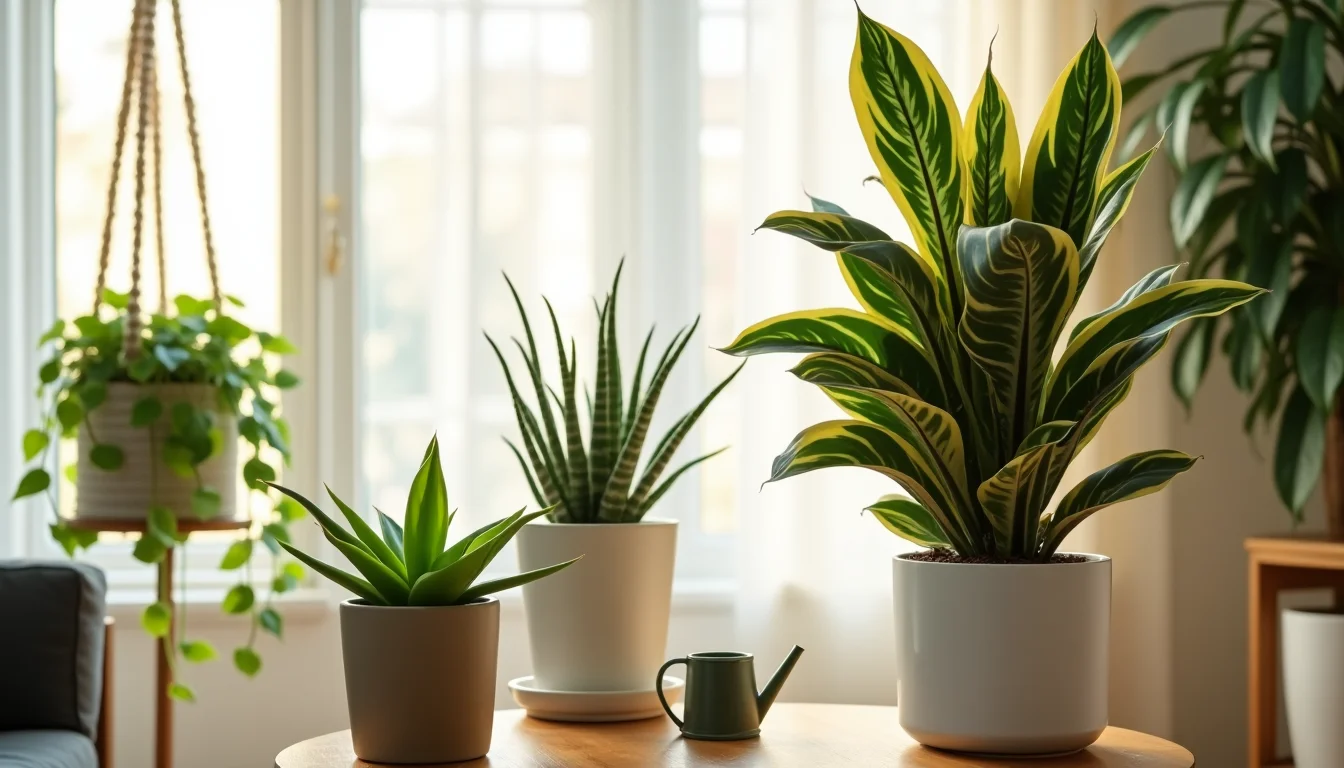
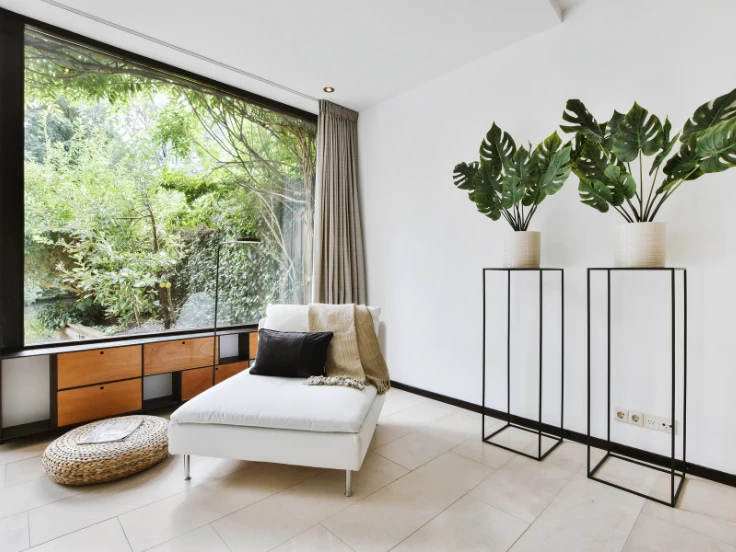
House plants with white flowers are not only visually stunning but also bring a sense of tranquility and freshness to indoor spaces. Unlike brightly colored blooms, white flowers can complement any interior style, from minimalistic modern apartments to cozy traditional homes. Their subtle beauty and calming presence make them a popular choice among plant enthusiasts, whether for living rooms, bedrooms, or offices.
The appeal of white-flowered house plants goes beyond aesthetics. Many species are low-maintenance, purify the air, and even improve mental well-being. Studies show that greenery indoors can reduce stress and enhance focus, while the gentle contrast of white blooms adds elegance without overwhelming the senses.
Benefits of Growing House Plants with White Flowers
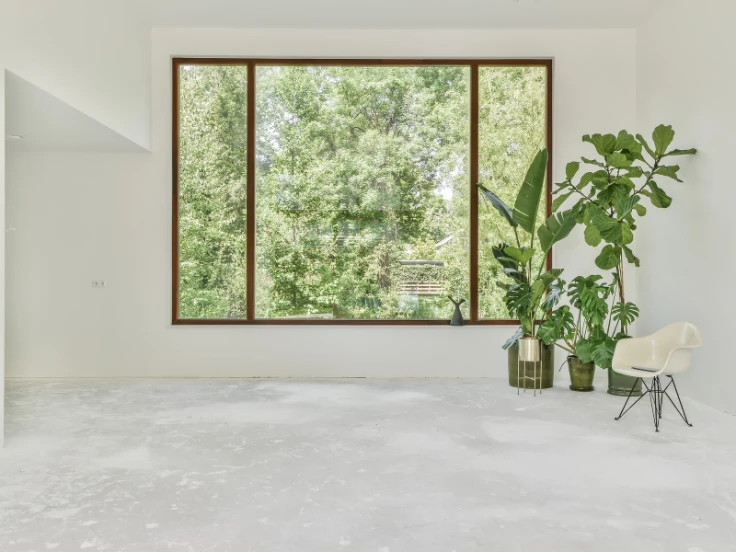
Growing house plants with white flowers offers multiple advantages beyond decoration. These plants often have a calming effect, promote better air quality, and can even improve sleep when placed in bedrooms. Their neutral color allows them to blend seamlessly with other indoor plants or decorative elements.
Additionally, white-flowered house plants can brighten dim corners and make small rooms appear more spacious. For urban dwellers who may not have access to outdoor gardens, these plants bring a touch of nature indoors, offering both aesthetic and psychological benefits.
Popular White-Flowered House Plants for Every Home
Many house plants with white flowers are easy to grow and maintain, making them suitable for both beginners and experienced plant owners. Here are some popular choices:
-
Peace Lily (Spathiphyllum): Known for its elegant white blooms and air-purifying properties.
-
Jasmine (Jasminum polyanthum): Fragrant flowers that enhance relaxation.
-
Orchid (Phalaenopsis): Long-lasting flowers with a delicate appearance.
-
Gardenia: Beautifully scented blooms that thrive in bright, indirect light.
-
Anthurium: Glossy leaves paired with striking white spathes.
These plants vary in care requirements but are generally forgiving and can adapt to indoor conditions, making them ideal additions to homes, apartments, and offices alike.
Choosing the Right Location for White-Flowered House Plants
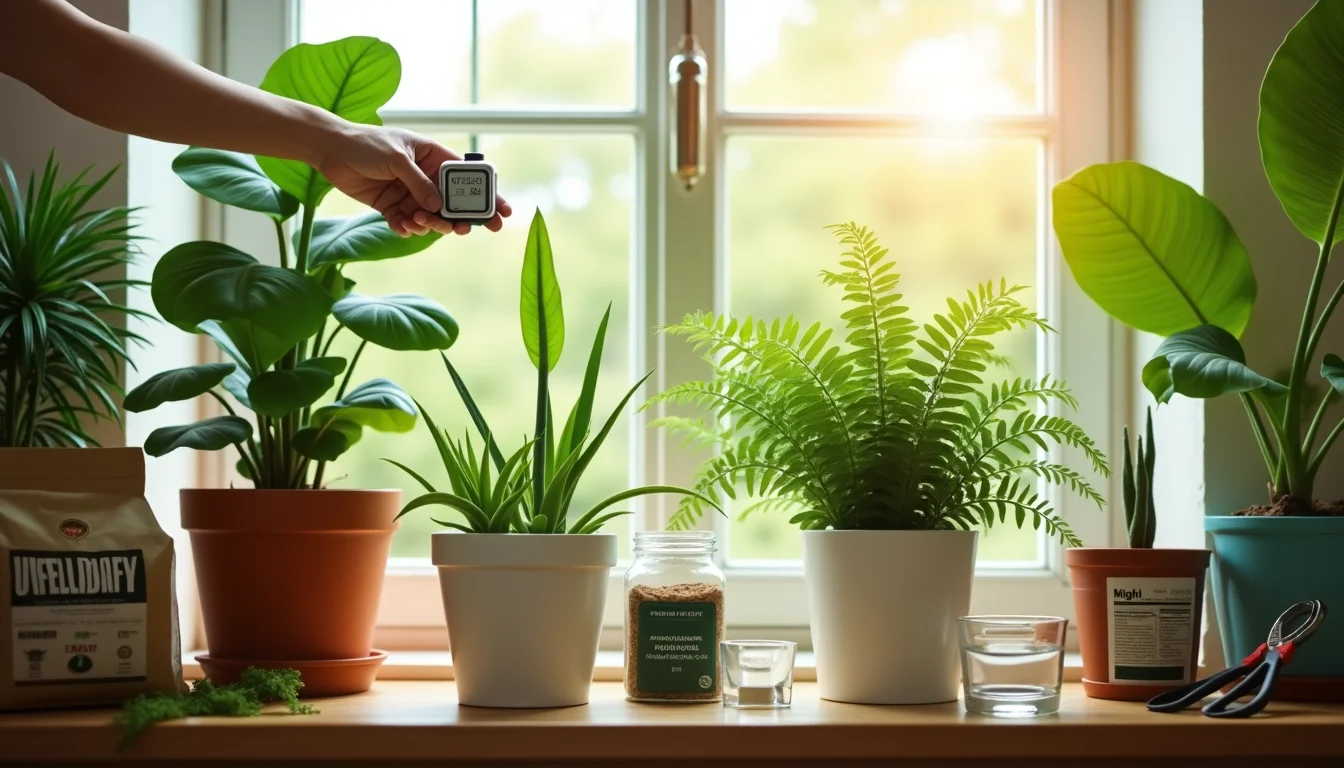
The success of white-flowered house plants largely depends on where they are placed. Proper light, humidity, and temperature ensure healthy growth and abundant blooms.
-
Bright, Indirect Light: Most white-flowered plants prefer filtered sunlight to prevent leaf burn.
-
Temperature Control: Avoid placing them near drafts or heating vents.
-
Humidity: Tropical plants like Gardenias or Jasmine thrive in higher humidity, so consider a humidifier or pebble tray.
-
Accessibility: Position plants where you can easily water and prune them to maintain their appearance.
A well-chosen location not only enhances the plant’s growth but also integrates seamlessly with your interior design.
Air-Purifying White-Flowered House Plants

Having these plants indoors reduces airborne pollutants, helping alleviate allergies and respiratory discomfort. Furthermore, the presence of greenery has been shown to boost mood and concentration, making these plants practical as well as decorative.
White Flowers That Thrive in Low Light
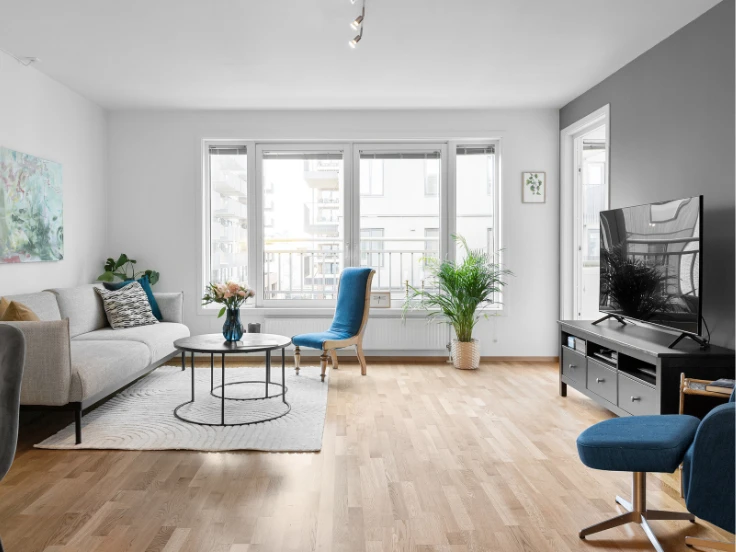
Not all spaces receive ample sunlight, yet many white-flowered plants can thrive in low-light environments. Peace Lilies, for instance, flourish in shaded areas and continue to produce elegant blooms even without direct sunlight. This makes them perfect for offices, bedrooms, or corners with minimal natural light.
Tips for Watering and Fertilizing White-Flowered House Plants
Proper care is essential to keep your white-flowered house plants vibrant and blooming. While each species has unique requirements, general guidelines can help maintain their health.
-
Watering: Most plants prefer evenly moist soil; avoid waterlogging.
-
Fertilizing: Use balanced houseplant fertilizers monthly during the growing season.
-
Pruning: Remove yellowing leaves and spent blooms to encourage new growth.
-
Soil: Well-draining soil ensures roots do not sit in stagnant water, preventing root rot.
-
Repotting: Refresh soil every 1–2 years for nutrient replenishment.
By following these tips, your white-flowered house plants can thrive year-round, offering beauty and freshness indoors.
Enhancing Interior Spaces with White-Flowered House Plants
White-flowered house plants are not just natural ornaments; they elevate the aesthetics and ambiance of a room. Their neutral color harmonizes with various décor styles and provides a refreshing focal point without overpowering the space.
-
Living Room: Peace Lilies or Orchids add sophistication and serenity.
-
Bedroom: Jasmine or Gardenias offer calming fragrances conducive to rest.
-
Office: Anthuriums or small Orchids bring elegance and improve focus.
-
Entryway: Statement plants like a blooming Gardenia create an inviting atmosphere.
These plants enhance interior spaces, making them visually appealing while also improving air quality and overall well-being.
Common Challenges in Growing White-Flowered House Plants
Despite their beauty, some white-flowered house plants can be challenging to grow due to sensitivity to light, humidity, or pests. Overwatering or poor soil conditions can quickly lead to yellowing leaves or stunted growth.
-
Pest Management: Watch for aphids, spider mites, and scale insects.
-
Light Adjustments: Rotate plants for even growth and to prevent leaning.
-
Temperature Fluctuations: Keep tropical plants away from sudden cold drafts.
-
Humidity Levels: Mist or provide a humid environment for delicate species.
Addressing these challenges proactively ensures your plants remain healthy and maintain their beautiful white blooms.
FAQs
Q1: Which white-flowered house plant is easiest to care for?
A: Peace Lily is among the easiest, thriving in low light and requiring minimal maintenance.
Q2: Can white-flowered plants bloom year-round?
A: Some species, like Orchids, bloom periodically, while others, such as Peace Lilies, may flower multiple times a year with proper care.
Q3: Do white-flowered plants purify the air?
A: Yes, plants like Peace Lilies and Anthuriums help remove common indoor toxins.
Conclusion
House plants with white flowers offer elegance, tranquility, and functional benefits for indoor spaces. From air purification to boosting mental well-being, these plants serve both decorative and practical purposes. To explore a curated list of indoor house plants with white flowers and learn how to care for them, visit this detailed guide.
Interestingly, while exploring “Hamburg places to visit,” travelers often discover botanical gardens and indoor plant exhibitions that highlight similar species, inspiring their indoor gardening choices. Whether for urban apartments or spacious homes, white-flowered house plants remain a timeless addition to interior décor.