
Gardening projects for toddlers are most successful when they feel like real gardening, not just play. That is why this guide focuses on simple projects that toddlers can actually do, with fast results and minimal setup.
Because toddlers learn through repetition and sensory experiences, the projects below are designed to stay short, safe, and engaging. You will also find practical tips for success, quick fixes for common problems, and easy indoor options.
Quick setup for Gardening Projects for Toddlers
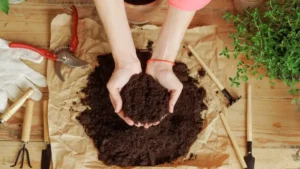
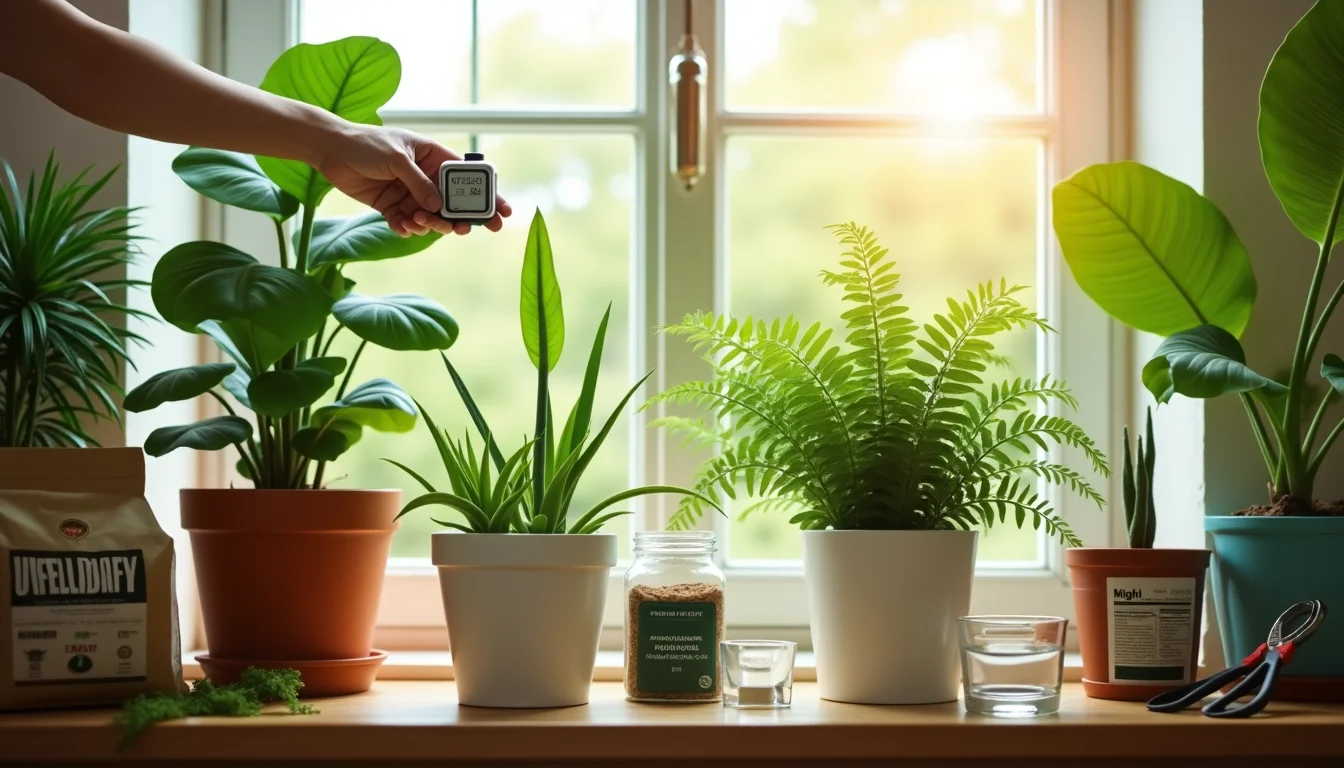
A toddler garden setup should prevent mess and reduce failures. That is why a tray-based station works best, especially indoors. Once your station is ready, each project becomes easier and faster.
Use this checklist before you begin:
-
Shallow tray to contain soil and water
-
Wide containers with drainage (less tipping and fewer root problems)
-
Potting mix (lighter and cleaner than garden soil)
-
Spray bottle for gentle watering
-
Plastic toddler tools (no sharp edges)
-
Washable mat and a clear handwashing routine
Because toddlers repeat what you model, keep the setup consistent every time. That way, starting and cleaning up become part of the routine.
Safety and hygiene that parents should not skip
Safety is not complicated, but it must be intentional. Since toddlers touch everything and sometimes put things in their mouths, your job is to remove obvious risks and set clear rules. First, skip toxic plants and avoid tiny stones that can become choking hazards. Second, use only child-safe tools and always supervise soil play. Finally, wash hands after gardening every time, even for indoor projects.

If you are growing edible plants, use clean potting mix, rinse harvests well, and avoid chemical fertilizers. Instead, keep it simple with compost or no fertilizer at all for short projects. As a result, your garden stays safer and easier to manage.
Gardening Projects for Toddlers that Keep Them Interested
Toddlers stay motivated when they can see progress quickly. Therefore, fast-growing plants should be your first choice, especially in the beginning. The most reliable options are microgreens, radishes, basil, marigolds, and green onions.
While some flowers take longer, they still work well because toddlers enjoy the color changes and leaf growth. However, if your child loses interest easily, always return to microgreens because they deliver the quickest results.
Microgreen snack tray garden: gardening projects for toddlers
This project is ideal when you want visible progress in a few days. First, fill a tray with one to two inches of potting mix. Then, let your toddler sprinkle microgreen seeds evenly on top. After that, mist lightly and cover the tray for two days.

Once sprouts appear, uncover the tray and place it near bright light. Mist daily, and harvest within a week. Because toddlers can check growth every day, this project keeps attention high without requiring long routines.
Egg carton seed starters: gardening projects for toddlers
Egg carton planting works best when you choose hardy seeds like basil or marigold. Start by filling each carton cup with potting mix. Then, let your toddler drop one or two seeds into each section and cover lightly.
After that, place the carton near a sunny window and mist daily. When seedlings are strong, move them into a real pot. Since toddlers like ownership, writing their name on the carton often increases participation.
Regrow green onions in water: gardening projects for toddlers
This project is almost impossible to fail, which makes it perfect for toddlers. Cut green onions and keep the white base with roots. Then, place the base in a small jar with shallow water. Change the water daily and watch new green shoots grow.
After a few days, your toddler can snip the tops with help and see immediate results. Because the cycle repeats, this project also builds routine without frustration.
Watering practice pot
Overwatering is one of the biggest reasons toddler projects fail. Therefore, teaching watering control early saves you time and keeps plants healthier. Choose one hardy plant, such as mint or marigold, in a wide pot with drainage.
Then, mark a line on a small watering cup and teach your toddler to pour only up to that line. Since the task stays predictable, toddlers learn control while still feeling independent.
Sensory herb pot: smell + touch + responsibility
Herbs are excellent toddler plants because they are sturdy and sensory-rich. Plant basil or mint in a wide pot and teach “gentle touch” by lightly stroking the leaves. After that, smell the leaves together and name what you notice.
If your toddler pulls leaves, do not panic. Instead, use larger plants and focus on simple routines: touch gently, smell, mist, and place the pot back. Over time, toddlers learn how to handle plants more carefully.
Bean cup garden
To make plant growth more exciting, use a clear cup with drainage holes. First, fill the cup halfway with potting mix. Then, place one or two bean seeds near the cup’s side so roots become visible later.
Cover lightly and use a spray bottle to water. Within days, toddlers can see changes, and that visibility keeps curiosity high. Although it is simple, it feels like a discovery project, which helps toddlers stay invested.
Flower color choice garden
Toddlers respond well to choice, so offer two flower options such as yellow marigolds and pink zinnias. Let your toddler choose which one to plant. Then, guide them through filling the pot, placing the seed, and misting.
After that, give them one job: check and mist every second day. Because they chose the plant, they are more likely to stay involved even as the timeline becomes longer.
Garden helper routine chart
Consistency is what keeps toddler gardening alive. Instead of adding more projects, build a simple daily rhythm. Use a visual chart and repeat the same short routine.
A practical routine looks like this:
-
Look at the plant
-
Touch gently
-
Mist lightly
-
Put tools back
Because toddlers thrive on repetition, this routine turns gardening into a habit rather than a one-time activity.
Quick troubleshooting when things go wrong
Even with the best setup, toddlers will dig, overwater, or pull leaves. However, problems are easy to fix when you expect them. If seeds do not sprout, try fresher seeds and a warmer spot. And if soil turns moldy, reduce watering and increase airflow.
If your toddler keeps digging, use a wider container and a tray system so they can scoop without harming roots. Meanwhile, if you want another fun and simple container idea, try this tin can herb garden setup—it’s budget-friendly and perfect for small spaces.
Finally, if interest drops, switch back to microgreens because they offer quick rewards.
Conclusion
Gardening projects for toddlers work best when the setup is contained, the steps are short, and the results appear quickly. When you choose fast-growing plants, teach watering control, and repeat a simple routine, toddlers stay engaged and parents feel confident.
Start with microgreens or green onions first, because they deliver visible progress in days. Then, expand to herbs and flowers as your toddler’s attention span grows, and you will build a lasting love for gardening through small, consistent wins. For a fun, low-cost herb setup that kids love, try this easy tin can herb garden idea next.
FAQs
What age is best to start toddler gardening?
Most children can start around 18 months with close supervision, especially for simple projects like regrowing green onions. However, by age two to four, toddlers can do more hands-on steps such as sprinkling seeds, misting water, and checking growth daily.
What is the easiest gardening project for toddlers?
Microgreens are usually the easiest because they sprout quickly and rarely fail. Plus, toddlers love seeing visible results in just a few days, which keeps them interested longer.
How do I stop my toddler from digging up the seeds?
Digging is normal, so instead of fighting it, give them a “digging spot” like a small sensory soil bin. Meanwhile, cover planted pots lightly and use wider containers, because they are harder to disturb.
How often should toddlers water plants?
In most cases, toddlers should mist lightly once a day or every other day, depending on the plant and indoor temperature. Therefore, using a spray bottle is the safest option because it prevents overwatering.
Can toddlers grow edible plants safely?
Yes, they can, as long as you use clean potting mix, wash hands afterward, and rinse anything you harvest. Also, avoid chemical fertilizers, since simple short-term projects usually do not need them.