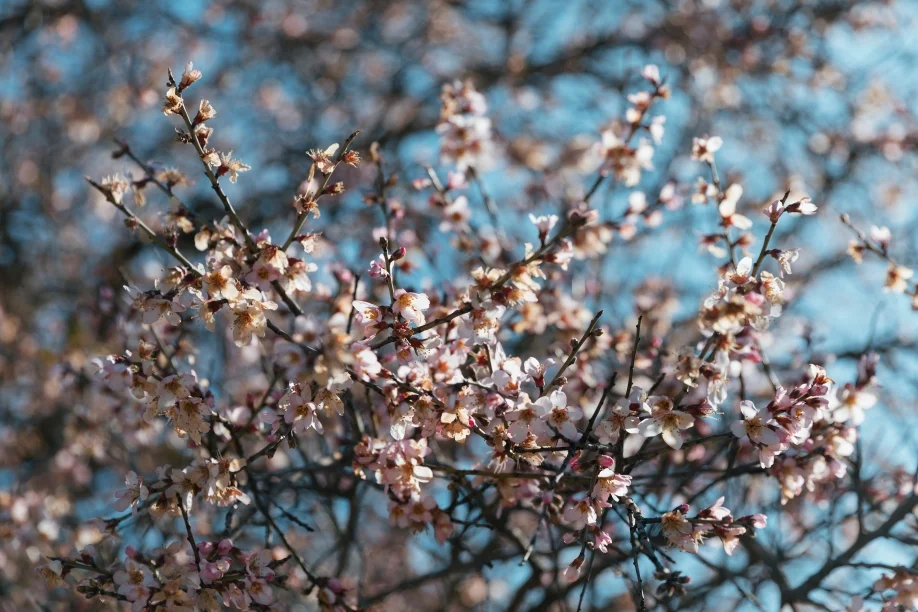
Late winter often feels dull and quiet, yet flowers that bloom in late winter can completely transform your garden when everything else is still asleep. These resilient blooms push through cold soil, frost, and short days, offering color at a time when we crave it most.
In this guide, you’ll discover the top flowers that thrive during the last weeks of winter, along with simple care tips, planting ideas, and expert recommendations. Additionally, you’ll find helpful insights to pick the right varieties for long-lasting beauty.
Why Choose Flowers That Bloom in Late Winter?
Planting late-winter flowers is a rewarding choice for gardeners who want color earlier than spring. Not only do these blooms lift the mood, but they also support pollinators like bees, which begin searching for food earlier than many people realize.
Moreover, late-winter flowers create a smooth transition into spring. As days slowly get warmer, these plants continue to spread brightness while new buds form around them.
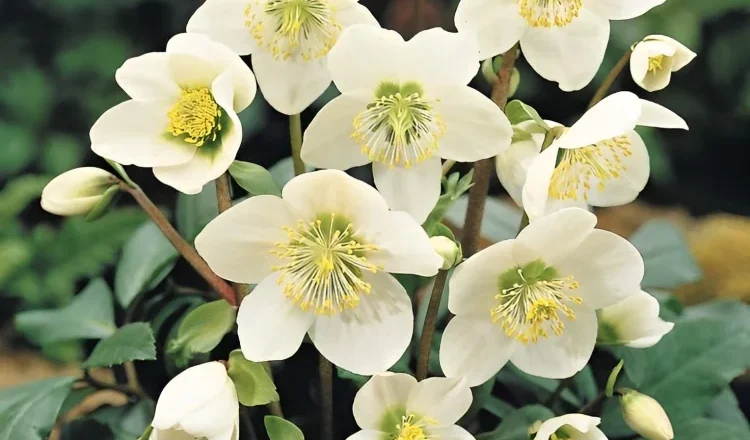
Hellebores (Lenten Rose)
Hellebores are among the most beloved late-winter flowers because they bloom when snow is still on the ground. Their downward-facing blossoms come in shades of pink, purple, white, and even speckled patterns.
They thrive in partial shade, making them perfect under trees that have not yet regained their leaves.
Why They’re Perfect for Late Winter
Their ability to withstand freezing temperatures makes them ideal for cold-climate gardeners. Additionally, they are low maintenance and return year after year.
Snowdrops (Galanthus)
Snowdrops are small, bell-shaped flowers that often break through frozen soil as one of the earliest signs of spring. Their delicate white blooms symbolize hope and renewal.
Best Growing Conditions
Plant snowdrops in well-draining soil and partial shade. With time, they multiply naturally, forming beautiful carpets of white blossoms.
Winter Jasmine
Winter jasmine is a cheerful climbing shrub known for its bright yellow flowers. It blooms from late winter into early spring, adding warmth to otherwise cold months.
Why Gardeners Love It
Though unscented, winter jasmine is valued for its hardiness and its ability to bloom even before the frost melts completely. Its arching stems also look lovely draped along fences or trellises.
Crocuses
Crocuses bring vibrant purples, yellows, and whites to winter landscapes. They pop up early, sometimes flowering through patches of snow.
How to Grow Crocuses Successfully
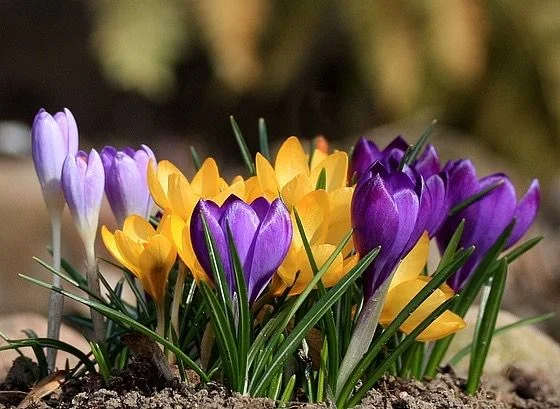
Plant the bulbs in fall, choose sunny areas, and allow the foliage to remain until it dies back naturally. This helps the bulbs store energy for the next season.
Witch Hazel
Witch hazel is a late-winter superstar with ribbon-like petals in red, orange, or yellow. Its bold fragrance makes it even more appealing during the colder months.
Ideal Planting Tips
This shrub likes full sun to partial shade and slightly acidic soil. Because it blooms on bare branches, witch hazel adds stunning contrast to winter gardens.
Winter Aconite
Winter aconite produces cheerful yellow blooms that brighten up even the gloomiest days. They are small, but their impact is big when planted in clusters.
Perfect Conditions
Grow them in partial shade, especially under deciduous trees. Their blooms often appear before the leaves of other plants emerge.
Camellias
Camellias are winter showstoppers. Their glossy leaves and rose-like flowers offer elegance during the cold season.
How to Help Camellias Thrive
Plant them in slightly acidic, well-drained soil. Although camellias prefer mild winters, hardy varieties can still bloom beautifully in late winter.
Pansies and Violas
While often associated with fall, pansies and violas handle winter weather surprisingly well. Many varieties bloom through late winter, adding soft colors to borders and containers.
Care Tips
Choose winter-hardy varieties and provide regular watering during dry spells. Their resilience makes them excellent choices for beginners.
Cyclamen
Cyclamen offers uniquely patterned leaves and elegant blooms that resemble butterfly wings. Many hardy varieties bloom from late winter into early spring.
Where to Plant Cyclamen
Cyclamen prefers shady, cool locations such as beneath shrubs or trees, and well-draining soil is key to keeping them healthy. For more garden care insights, you can also explore whether spider plants can live outside to improve your overall plant care knowledge.
Best Practices for Growing Late-Winter Flowers

Growing flowers during colder months may seem challenging, yet with the right steps, your garden can flourish long before spring arrives.
1. Choose Cold-Hardy Varieties
Look for plant varieties specifically labeled for late-winter blooming. Local nurseries often list plants by hardiness zones.
2. Prepare Soil in Advance
Good soil is essential. Enrich it with compost during fall so plants have nutrients through winter.
3. Add Mulch for Warmth
Mulching helps roots stay insulated. As a result, plants survive frost more easily.
4. Provide Proper Drainage
Frozen water around roots can damage plants. Therefore, choose areas with good drainage, especially for bulbs.
5. Water Wisely
During winter, plants need less water, yet they shouldn’t dry out completely. Water only when the soil is dry and temperatures are above freezing.
Companion Planting Ideas for a Vibrant Winter Garden
Mixing different late-winter blooms creates depth and texture. For example, pair snowdrops with crocuses for layered color. Additionally, combine hellebores with winter jasmine for contrasting shapes and shades.
You may also explore professional gardening resources such as the Royal Horticultural Society for more late-winter plant inspiration:
FAQs
1. What flowers bloom naturally in late winter?
Popular choices include hellebores, snowdrops, crocuses, witch hazel, winter aconite, camellias, pansies, and cyclamen.
2. Are late-winter flowers easy to grow?
Yes. Many are low-maintenance and hardy, making them suitable even for beginner gardeners.
3. Can I plant late-winter flowers in containers?
Absolutely. Many varieties, such as pansies, hellebores, and crocuses, grow beautifully in pots.
4. When should I plant bulbs for late-winter blooms?
Most bulbs should be planted during fall to allow enough time for root development.
Conclusion
Flowers that bloom in late winter bring hope and beauty during the coldest months of the year. By choosing hardy varieties like hellebores, snowdrops, crocuses, and witch hazel, you can create a colorful garden long before spring arrives. With proper care, enriched soil, and thoughtful planting, these resilient flowers will reward you with vibrant colors and renewed energy each winter. For more creative ways to style your outdoor space, explore these garden party plant décor ideas to elevate your seasonal displays even further.