
Do spider plants bloom? This is a common question for plant lovers who admire the lush green foliage of this popular houseplant. Known for their air-purifying qualities and easy maintenance, spider plants are often grown for their striped leaves and baby plantlets, also called “spiderettes.” Yet, many people are surprised to learn that spider plants can actually produce small, delicate flowers under the right conditions.
In this article, we will explore everything about spider plant blooms: when they appear, what they look like, why they happen, and how you can encourage your spider plant to flower. By the end, you’ll know exactly how to unlock this hidden feature of your favorite indoor plant.
Do Spider Plants Bloom Naturally?
Yes, spider plants do bloom naturally, though not as often as some might expect. The flowers are usually small, white, and star-shaped, adding a subtle charm to the arching stems. Unlike many flowering plants, spider plant blooms are not the main attraction, but they do signal that the plant is healthy and thriving.
Typically, spider plants bloom when they reach maturity. This often happens after one to two years of growth. Once the plant produces flowers, it may also begin developing spiderettes, which hang down like little offshoots. These spiderettes make spider plants popular for propagation and indoor decoration.
What Do Spider Plant Flowers Look Like?
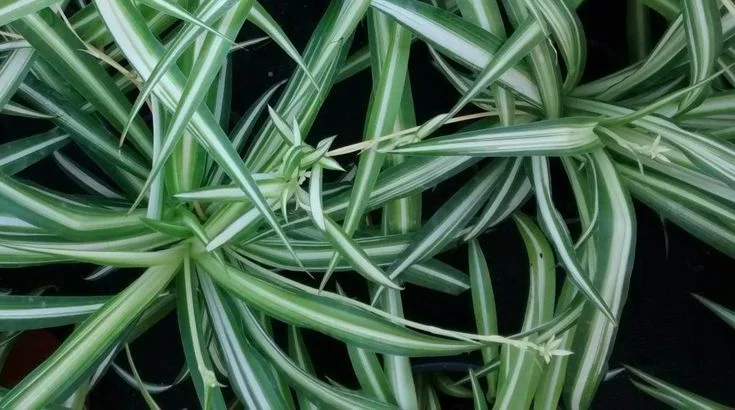
Spider plant flowers are not large or showy like orchids or hibiscus. Instead, they are:
- Small, usually less than an inch in diameter
- White with six thin petals
- Star-shaped and delicate in appearance
Because of their subtlety, some plant owners may not even notice them at first. However, when grouped together along the arching flower stalks, they create a gentle and graceful display.
When Do Spider Plants Bloom?
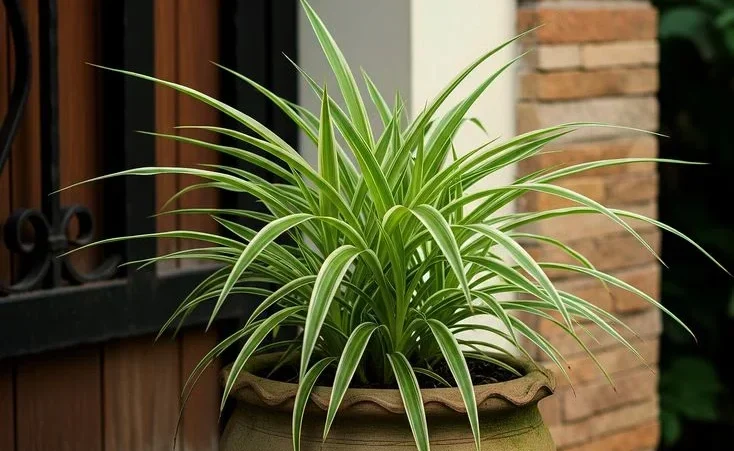
Spider plants usually bloom during the warmer months, typically in late spring through summer, when they receive the right balance of light, water, and care. Although their delicate white flowers are small, they appear on long arching stems and can add a graceful touch to the plant’s overall look.
Indoors, spider plants may bloom less frequently because they rely on consistent bright, indirect sunlight to trigger flowering. However, outdoors in mild climates, they tend to produce blooms more often due to natural light cycles. With proper care, patience, and slightly root-bound conditions, spider plants can surprise you with seasonal flowers that signal maturity and good health.
Indoor Blooming
Indoors, spider plants usually bloom in late spring or summer if they receive proper care. Long hours of indirect light and slight stress—such as being root-bound—often encourage flowering.
Outdoor Blooming
When grown outdoors in warm climates, spider plants are more likely to bloom due to the natural seasonal light cycles. They may even produce more flowers compared to indoor conditions.
Factors That Encourage Spider Plant Blooms
Several factors encourage spider plant blooms, including adequate light, maturity, proper watering, and slightly root-bound conditions. Spider plants thrive best in bright, indirect sunlight, which helps trigger the flowering process, while younger plants usually need one to two years before they can produce blooms.
In addition, allowing your spider plant to become slightly root-bound often stimulates flower stalks and spiderettes. Consistent temperatures between 65–75°F (18–24°C), along with balanced fertilization and moderate watering, further support blooming. By maintaining these conditions, you can create the perfect environment for spider plants to reward you with their delicate, star-shaped flowers.
1. Light Exposure
Spider plants need bright, indirect sunlight. Without sufficient light, they will focus on leaf growth instead of flowers.
2. Maturity
Young spider plants rarely bloom. Patience is essential, as most plants flower after one to two years.
3. Stress Conditions
Interestingly, spider plants sometimes bloom when slightly stressed. Being root-bound in their pot can stimulate flowering and spiderette production.
4. Temperature
A temperature range of 65–75°F (18–24°C) is ideal. Consistent warmth encourages both growth and flowering.
5. Proper Watering and Fertilization
Balanced care, with regular watering and light feeding, ensures the plant has enough energy to produce blooms. Avoid overfertilization, as it may lead to excessive leaf growth instead of flowers.
Why Do Spider Plants Bloom?
Spider plant blooming is part of its natural reproduction process. The flowers serve two key purposes:
-
Pollination and Seed Production: Although not common indoors, spider plant flowers can sometimes produce seeds if pollinated.
-
Spiderette Formation: After flowering, many spider plants develop plantlets that can be used for propagation.
This process is similar to other indoor plants, such as growing Aloe Vera indoors, where proper care and propagation techniques ensure healthy growth and new plant generations.
This makes blooming both a sign of plant maturity and a step toward spreading new generations of spider plants.
How to Encourage Spider Plants to Bloom Indoors
Encouraging spider plant blooms indoors takes patience and the right conditions. Here are some tips:
- Provide sufficient light: Place your plant near a bright window with filtered sunlight.
- Allow slight root binding: Avoid repotting too often; plants bloom more when a bit cramped.
- Maintain proper temperature: Keep the environment warm but not excessively hot.
- Use balanced fertilizer: A diluted liquid fertilizer once a month is enough.
- Give seasonal cues: Mimic natural cycles by slightly reducing water in winter, then increasing in spring.
By following these steps, you create an environment that nudges your spider plant into blooming.
Common Misconceptions About Spider Plant Flowers
Many plant owners misunderstand spider plant blooms. Let’s clear up a few myths:
- Myth 1: Spider plants bloom all year.
Reality: They bloom seasonally, usually in spring or summer. - Myth 2: Blooms mean the plant is unhealthy.
Reality: Blooms are actually a sign of maturity and good health. - Myth 3: Blooms harm the plant.
Reality: Flowering does not damage spider plants; it’s a natural stage of growth.
The Connection Between Spider Plant Blooms and Spiderettes
One of the most exciting outcomes of spider plant blooms is the growth of spiderettes. After flowers fade, baby plants may begin forming on the same stems. These spiderettes can be rooted in soil or water to create new plants.
This is why spider plants are often gifted or shared among gardening enthusiasts. The cycle of blooming, producing spiderettes, and propagating ensures that this houseplant remains a favorite worldwide.
FAQs
Do all spider plants bloom?
Not all spider plants bloom indoors. Factors like light, maturity, and environment play a role.
How long do spider plant flowers last?
Blooms typically last a few days to a week, depending on growing conditions.
Can spider plant flowers turn into seeds?
Yes, but only if pollination occurs, which is rare indoors.
Will spider plants bloom without sunlight?
No, spider plants require bright, indirect light to produce flowers.
Should I cut off spider plant flowers?
You can leave them for spiderette production, or trim them if you prefer a tidier look.
External Resource for Further Reading
For more in-depth care tips about spider plants, you can visit University of Florida IFAS Extension – Spider Plant Guide.
Do Spider Plants Bloom: Conclusion
So, do spider plants bloom? Absolutely! While not the main reason people grow them, their delicate white flowers are a delightful bonus. With the right conditions—adequate light, maturity, and balanced care—your spider plant may surprise you with seasonal blooms. Even more exciting, these flowers often lead to spiderettes, giving you the joy of propagating and expanding your plant collection.
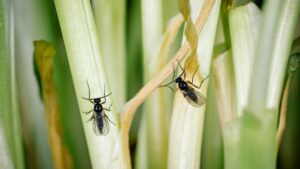
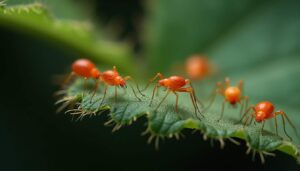
At the same time, keeping an eye out for pests is important, as infestations like spider mites can affect flowering and overall health. Learn how to spot early issues in our guide on signs of spider mites to ensure your plant thrives.
Whether indoors or outdoors, a blooming spider plant is a sign of health, vitality, and natural beauty. With patience and proper care, you can enjoy both the elegant foliage and the hidden charm of spider plant flowers.