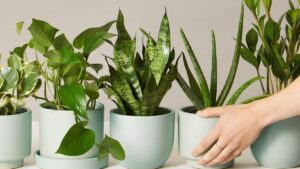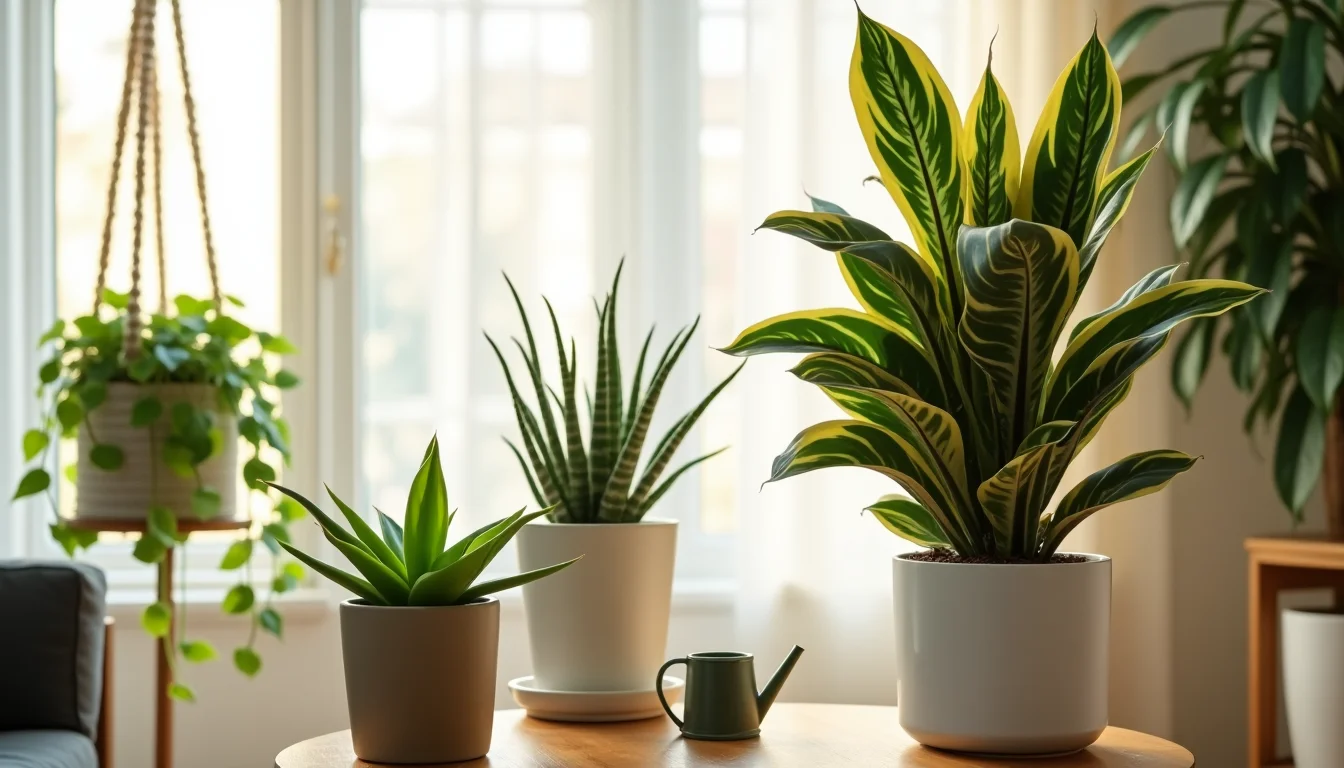
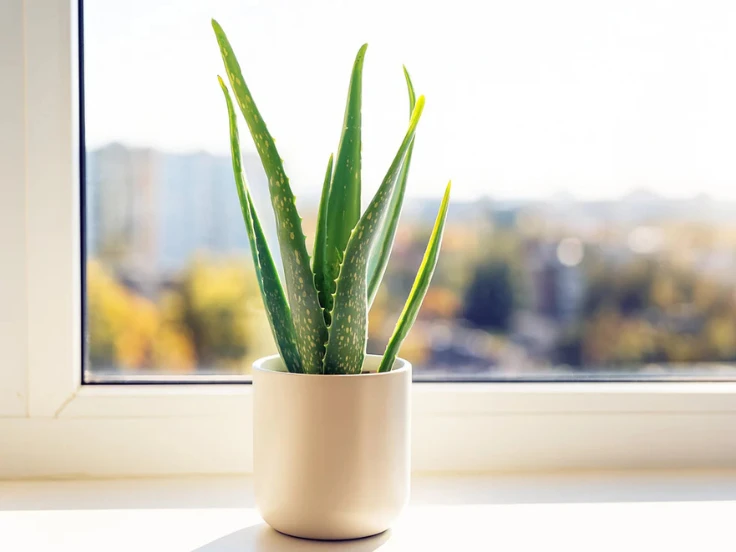
Do aloe plants need sun? Yes aloe vera plants are desert succulents that thrive in sunny environments. However, while they require plenty of light to grow strong and healthy, exposing them to excessive, harsh sunlight can damage their leaves. Understanding the balance between sunlight and shade is essential for proper aloe care. In this detailed guide, we’ll explore exactly how much sun your aloe vera needs, where to place it indoors or outdoors, and how to protect it from sunburn or low-light stress.
Do Aloe Plants Need Sun Indoors or Outdoors?
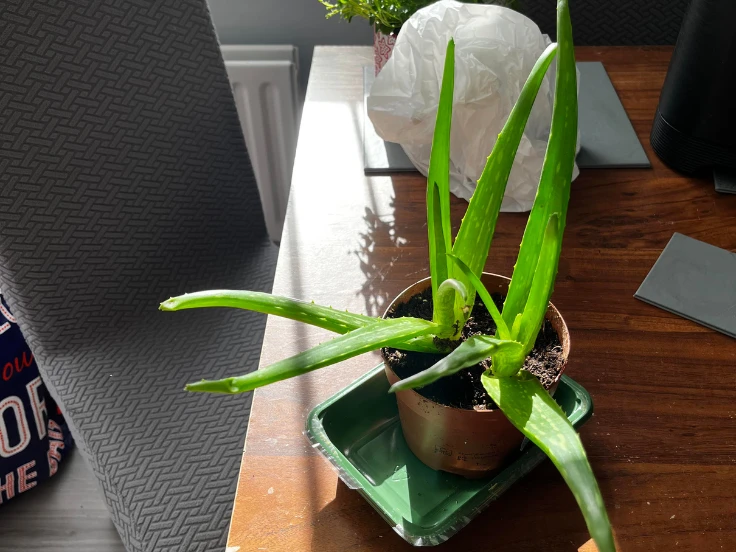
Aloe vera’s native habitat consists of bright, dry deserts, so sunlight is critical for its health. Outdoors, aloe plants flourish under partial to full sun in warm climates. Indoors, they still need bright light, which makes choosing the right spot important.
When growing aloe indoors, a south- or west-facing window is ideal. These directions receive the most consistent sunlight throughout the day. Outdoors, ensure your aloe is shielded from scorching midday rays if your region experiences very hot summers.
Best Indoor Locations for Aloe Vera Sunlight
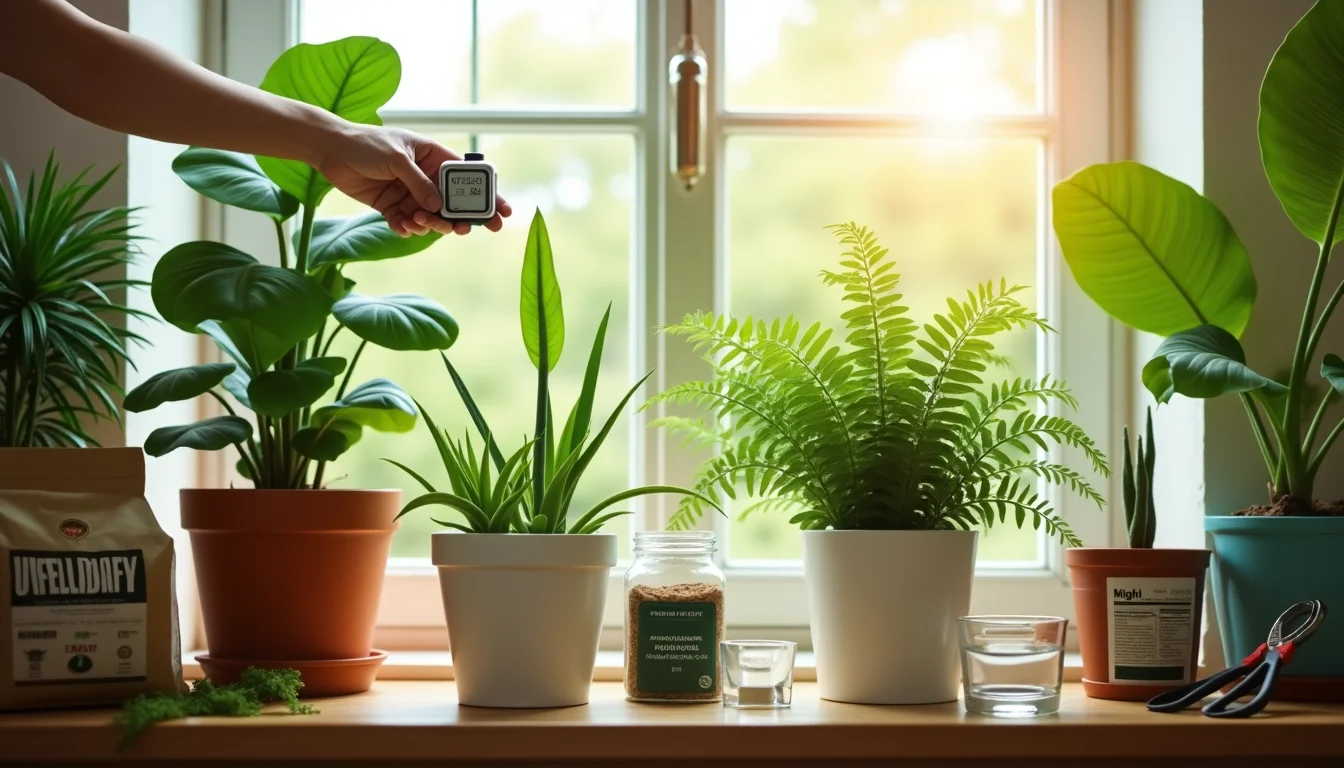
The best place for an indoor aloe vera plant is a sunny windowsill or a sunroom with strong, indirect light. However, if your home lacks natural light, using a grow light for 10–12 hours per day can supplement sunlight. Moreover, placing sheer curtains can diffuse intense rays to prevent sunburn.
Alternatively, if you have a balcony or patio, moving your aloe outside during the day can help it soak up natural light, provided you monitor temperature and sunlight intensity.
Do Aloe Plants Need Direct Sunlight All Day?
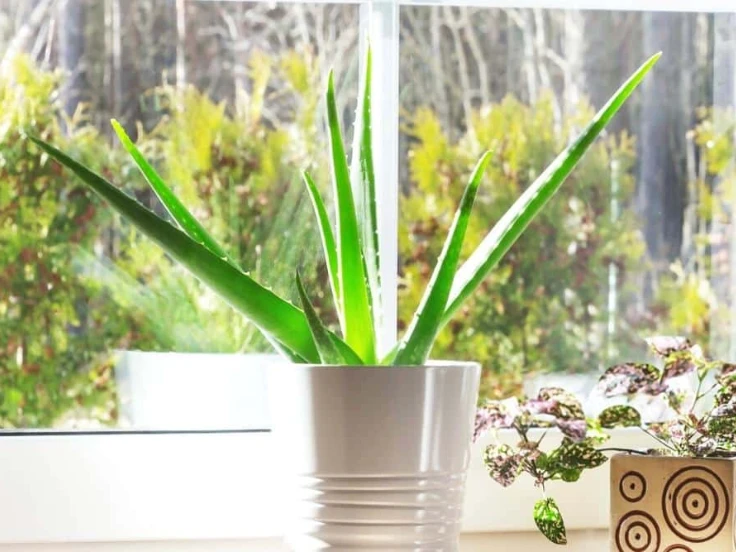
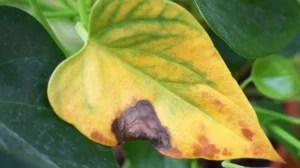
While aloe vera thrives on sunlight, too much direct sun especially during the hottest hours can harm your plant. Leaves may turn brown, red, or even become crispy when exposed to strong sunlight for prolonged periods.
Instead, aim for 6–8 hours of bright light daily, with morning sunlight being gentler. If you must place your aloe in direct sun, acclimate it gradually to avoid shocking the plant.
Signs Your Aloe Vera Isn’t Getting Enough Sun
-
Pale or Yellow Leaves: Insufficient light reduces chlorophyll, causing discoloration.
-
Leggy Growth: Aloe leaves may stretch and become thin as they reach for light.
-
Slow Growth: Without enough light, aloe plants slow their growth significantly.
If you see these signs, reposition your aloe to a sunnier spot or add a grow light.
Aloe Vera Sunlight and Soil Requirements
Sunlight and soil work together to keep aloe healthy. While bright light fuels photosynthesis, well-draining soil prevents root rot. Use a cactus or succulent mix, or create your own by mixing potting soil with sand or perlite.
Terracotta pots work best for aloe because they let extra moisture evaporate quickly. Always choose pots with drainage holes without them, even perfect sunlight won’t protect your plant from root rot. For detailed tips and watering advice, see this full guide on how to care for an aloe vera plant.
Temperature, Humidity, and Aloe Vera Sun Care
Aloe vera thrives in warm, dry conditions similar to its desert origins. The optimal temperature range is 55°F–80°F (13°C–27°C). Although aloe tolerates brief heat waves, frost or temperatures below 50°F (10°C) can kill the plant.
Humidity should remain low. High humidity combined with low light creates the perfect environment for fungal diseases. Therefore, keep your aloe in a warm, dry, and bright area, even in winter.
Watering Aloe Vera While Considering Sunlight
Watering aloe vera properly is just as important as its sunlight needs. Because aloe stores water in its thick leaves, it is drought tolerant. Let the soil dry out completely between waterings to mimic its desert environment.
In bright, sunny conditions, you may water every 7–10 days during active growth seasons (spring and summer). During winter, when sunlight decreases and aloe growth slows, reduce watering to once a month. Overwatering especially in low light can quickly lead to root rot.
How to Acclimate Aloe Vera to Stronger Sunlight
If your aloe plant has been in a low-light area, never place it directly in full sun immediately. Gradually introduce it to brighter conditions by:
-
Moving it to indirect light for a few hours each day.
-
Increasing exposure over 7–14 days until it tolerates direct morning or late-afternoon sun.
-
Using a shaded outdoor area before transitioning to full sun.
This gradual process prevents shock and sunburn.
Do Aloe Plants Need Sun During Winter?
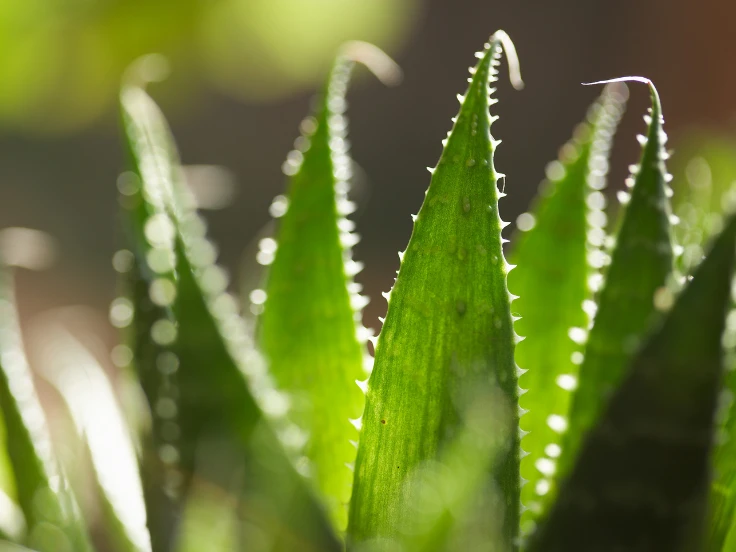
Even in winter, aloe vera plants still need bright light to survive. Place them near the brightest window, preferably south facing. If natural sunlight is scarce, use full spectrum grow lights to supplement.Avoid cold drafts near windows or heating vents. Aloe is dormant in winter, so while it needs light, it requires much less water and fertilizer.
Fertilizing Aloe Vera for Sunlight-Boosted Growth
Aloe plants don’t need frequent fertilization. However, when given proper sunlight, a once-a-year feeding in spring with a diluted, balanced fertilizer can encourage healthy growth. Over-fertilizing, especially in low-light conditions, weakens the plant and can attract pests.
Summary: Do Aloe Plants Need Sun to Stay Healthy?
Yes, aloe plants need sun to thrive, but balance is key. Bright, indirect sunlight or gentle morning sun is ideal, while harsh midday rays can cause sunburn. Combine proper lighting with well-draining soil, careful watering, and warm temperatures to keep your aloe thriving indoors or outdoors.
FAQs About Aloe Vera Sunlight Needs
Q1: Can aloe vera survive in low light?
While aloe vera can survive in low light for short periods, it won’t thrive. Its leaves may stretch and weaken over time, so bright light is recommended.
Q2: Can I place my aloe vera outdoors in full sun?
Yes, but acclimate it slowly and provide some shade during the hottest hours. Direct full sun without adjustment can damage your plant.
Q3: What should I do if my aloe plant gets sunburned?
Move it to indirect light and trim severely damaged leaves. With proper care, new growth will emerge.
Q4: Is artificial light enough for aloe vera?
Yes, high-quality grow lights can supplement natural sunlight. Place your aloe under the light for 10–12 hours daily.
Conclusion: Thriving Aloe Plants Need the Right Sunlight
Understanding do aloe plants need sun is vital for any aloe vera grower. While these hardy succulents love light, moderation ensures their leaves stay healthy and vibrant. Bright, indirect light indoors or gradual exposure outdoors will help them flourish. For a complete guide on watering, soil, and temperature tips, check out this aloe vera plant care guide to keep your plant thriving all year. Pair proper sunlight with appropriate watering, warm temperatures, and well draining soil, and your aloe vera will reward you with lush growth year round.
For more expert aloe care tips, visit Epic Gardening: Aloe Sunlight Requirements.