Seeking a plant that is attracting and really making your home cheerful?
Crotons may be the thing you want!
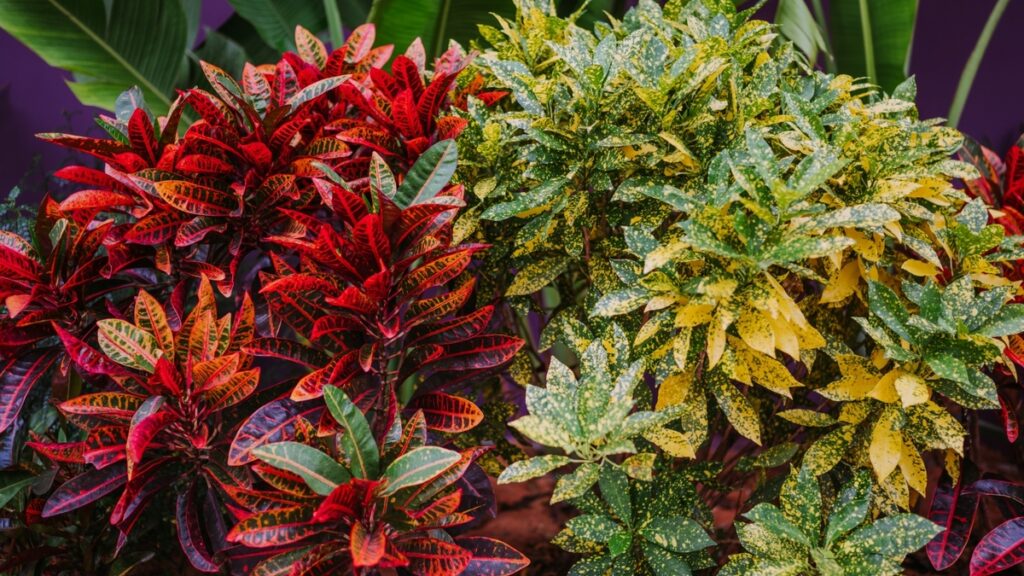
They have bold reds, yellows, oranges, and deep greens on their leaves and are among the most eye-catching houseplants.
Crotons do not just blend in the environment, as plants do, but rather stand out and form an instant conversation piece. Whether in your living room, office, or at the front door, crotons can bring a burst of warmth, character, and a fun tropical feel to any area. If you enjoy bold tropical houseplants, you may also love our detailed guide on Majesty Palm Care.
Another bonus?
The crotons are gorgeous throughout the year. Most flowering plants may just flash in and out, but the crotons retain bright colours in their leaves. It only requires some care and proper location to ensure they remain happy and colourful. In this guide,
I will take you through planting, caring for, and watering crotons in your home to help you have a plant that adds permanent colour and elegance to your place.
Why Crotons Are Perfect Colourful Houseplants
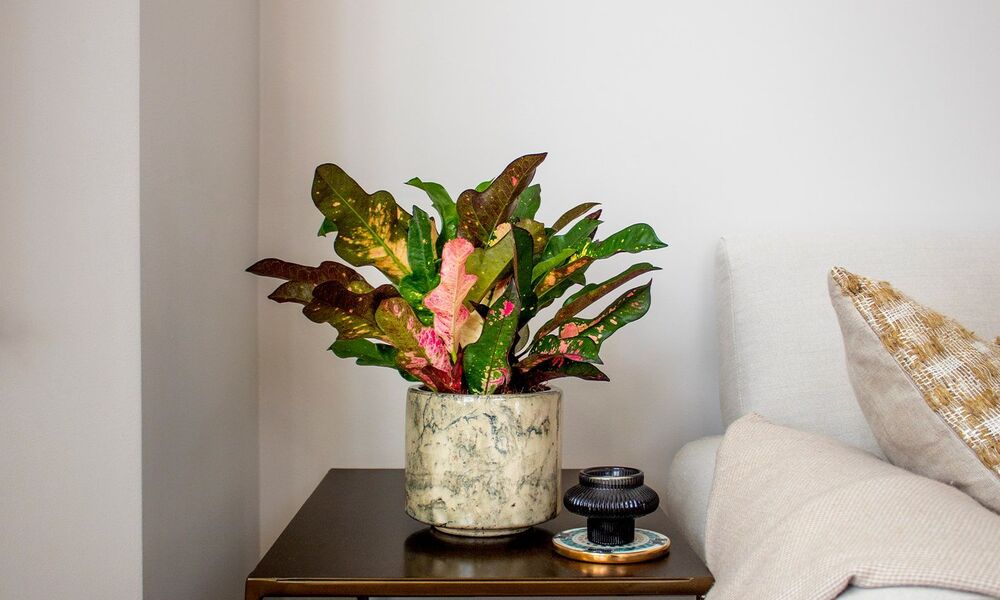
The crotons (Codiaeum variegatum) are extremely popular for their bold, decorative leaves. All crotons are a unique combination of patterns and colours, and thus you will not find two crotons that are exactly alike!
And the best part?
The crotons continue to flaunt their colourful foliage throughout the year, unlike other plants that bloom briefly.
Bring a croton in the house, you see:
- Introduction of bold colour to neutral spaces.
- Provide a modern and tropical interior appearance.
- Increase the aesthetics of living rooms, offices, or entrances.
- Available as a natural ornamental centre.
That’s why crotons make an excellent choice if you need to give your house a colourful touch. If you’re exploring other vibrant houseplants, check out our complete guide on Snake Plant Care.
Croton Planting: How to Start Your Croton Successfully
And open your croton without the sun taking away the leaves. Begin with a healthy plant. Find hard, colourful leaves and avoid those with brown spots or that are battered.
The selection of the Right Pot and Soil
Crotons prefer well-draining soils, so their roots do not get wet. Get a nice indoor potting soil with good drainage, and always choose one with drainage holes at the bottom so water does not accumulate.
Take a pot that is slightly larger than the croton’s roots. In so doing, the plant will have space to grow and remain stable. Choosing the right planter also makes a big difference — see our farmhouse-style ideas in Farmhouse Planters.
Optimal place to plant an indoor Croton
Crotons are very sensitive to light. They prefer soft, scattered sunshine to maintain those colours in good condition. They will not get enough light, hence you will see their leaves begin to turn pale. Try putting your croton near:
- Bright windows
- Natural light in the corners of the living room.
- Constant brightness in the indoor areas.
Understanding how light affects growth can help — read more in Why Do Plants Need Sunlight.
Crotons can be placed in dark corners, but the light will only make them appear boring and less colourful.
Croton Care Indoors: How to Make Your Plant Healthy and Vibrant.
Want Your Croton to Thrive Indoors?
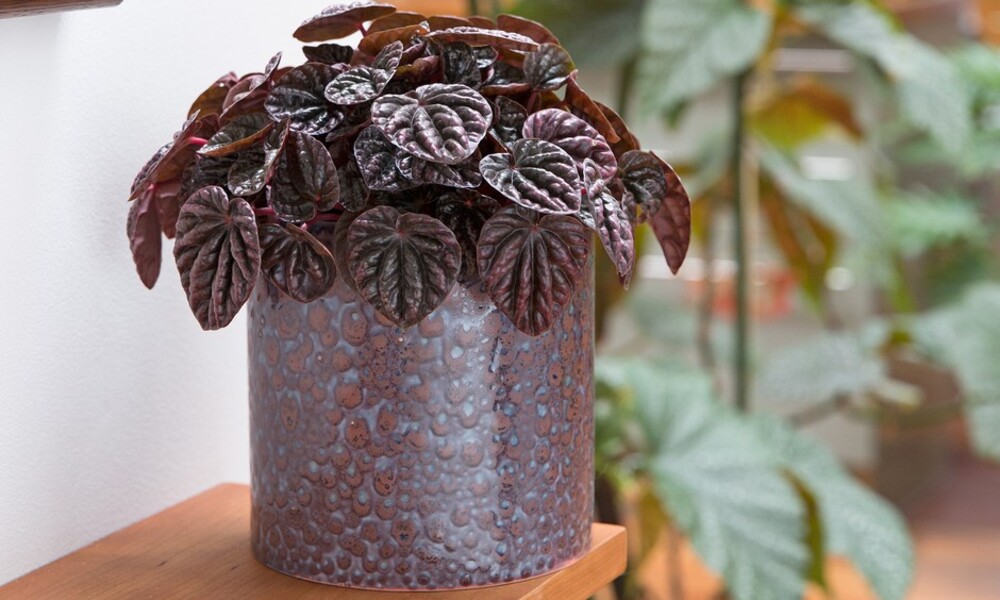
With a few TLCs, the weather should be fine, and those colours will shine through, especially on a growing plant. Crotons do not like big, abrupt changes, and so, it is best to keep things the same with them.
Light Requirements
Crotons prefer indirect and bright light. Should you have time, get them some soft morning sun to make a proper show of their colours, but mind, meanwhile, the hot afternoon rays, which burn their leaves.
The more light they receive (but not too much), the more colour those leaves have! If you’re unsure about indoor lighting, our guide on Grow Lights for Seedlings explains artificial lighting options.
Patient Environment and Temperature
Crotons prefer an indoor climate of 18 °C to 27 °C. Make sure that they do not experience cold drafts, AC blasts or temperature fluctuations.
Things will be all right, and after some time, your croton will pay you off with a good growth and bright colours.
Croton Watering: Achieving the Most Appropriate Balance
Crotons prefer having their soil damp, but not wet, after watering. Excessive amounts of water are not their friends!
Here lies the way to make your croton happy and hydrated:
- When the surface inch of soil seems dry.
- Do not allow the soil to dry out.
- Do not leave water in the pot.
- Water less in cooler seasons.
Overwatering is a common issue with houseplants — learn the signs in Why Indoor Plants Die.
Watering correctly will ensure your croton’s leaves stay green and help prevent root issues.
Humidity is also enjoyed by Crotons. Spray them occasionally, and they will look even more tropical if your house is dry.
Maintaining Croton’s Decorative Appearance
Crotons are spectacular with their colourful leaves, which is why everyone enjoys having them around. They will continue to look beautiful and healthy with a little bit of common care.
The following are some of the easy measures that could make your croton happy:
- Occasionally, wipe off dust from the leaves. This maintains them at their finest.
- Whenever you want to make your plant grow straight, turn it over.
- Take off all the yellow or damaged leaves that you find.
- When your croton grows too big, transfer it to a larger pot.
Follow these simple measures and your croton will continue to win over heads with its decorative, flashy appearance.
Common Problems and How to Prevent Them
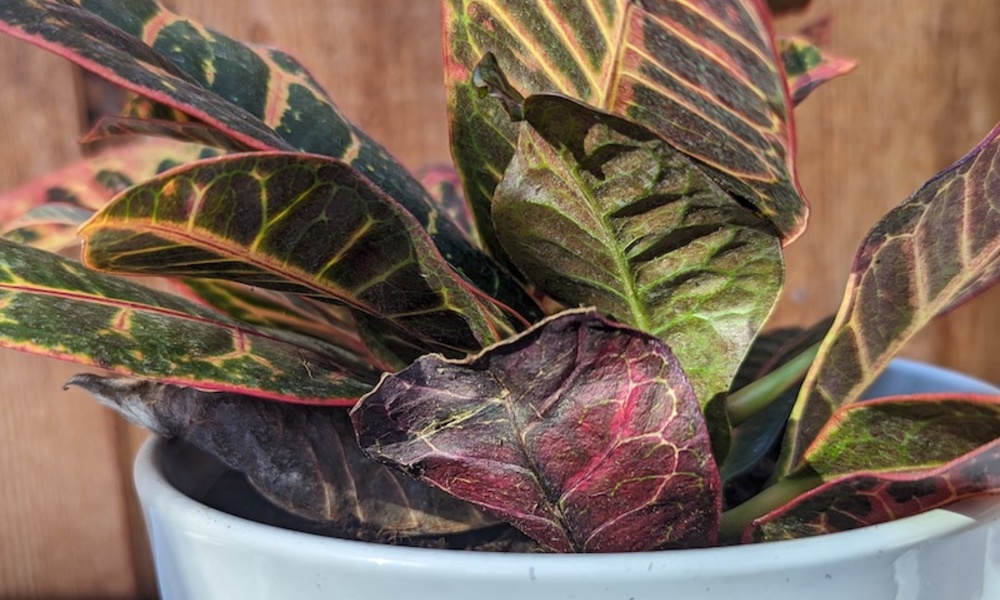
Despite the best treatment, crotons occasionally develop some bumps. The good news? Most problems are easy to fix.
Some common problems are
- When the environment surrounding the leaves changes too rapidly, the leaves may fall off.
- If your croton is not receiving enough light, the leaves may begin to lose their colour.
- Crotons also do not like too much water, as it can kill their roots.
Maintain the light, temperature, and watering consistently,t and most of these problems will be prevented. If you notice pest issues, read our prevention tips in How to Get Rid of Thrips.
Why Crotons Are Ideal Decorative Indoor Plants
Crotons are also among the finest house plants for adding a burst of colour. Their daring leaves can make a room feel much brighter immediately.
Crotons can be used to spice up such places as:
- Living room decoration
- Office interiors
- Entryway styling
- Contemporary and traditional home designs.
The brightness of their leaves makes a statement. Other indoor plants do not have an opportunity to compete!
Conclusion
Crotons are a great choice of houseplant if you want something unique. Provide them with the proper care, light, and water, and you will have coloured leaves that will brighten your room all year long. Their audacious appearance makes them a leading choice for adding colour to the house.
If you want to make your house lively and have a plant that really shouts, try crotons. You will also bring permanent colour, style and a touch of the tropics to your place.
FAQs
What do you do to make croton leaves colourful?
Crotons require light to bring out bold colour. Do not place your Petra Croton container garden near cold drafts or below 60 degrees. It does well in 40-80% humidity and may lose some leaves when levels are very low. Attempt to have a humidifier or place a humidity tray below the humidifier.
What can be done to make croton more colourful?
The more the sun is exposed to a cotton plant, the more colour the leaves have. The light is lower inside, and the leaves tend to turn green again. In order to restore color to your plant, take it out back to the summertime, and expose it to the sun.
Why will my croton leaves not be coloured?
The most common reason is that most of the time, croton plants that have withered leaves are merely being under-exposed to light. On the other hand, excessive direct light can cause some colours to fade when crotons are exposed to it. Each kind of variety has its preferences in light, and it is therefore important to know whether the kind of variety that you possess thrives well in full sunlight or part sunlight.
What are the demerits of croton?
Croton is a toxic plant and should not be used for long-term use in acute diseases. The herb should not be in contact with the skin and mucous membranes will be irritated, pruritus, dermatitis, urticaria, and other allergic reactions will develop.