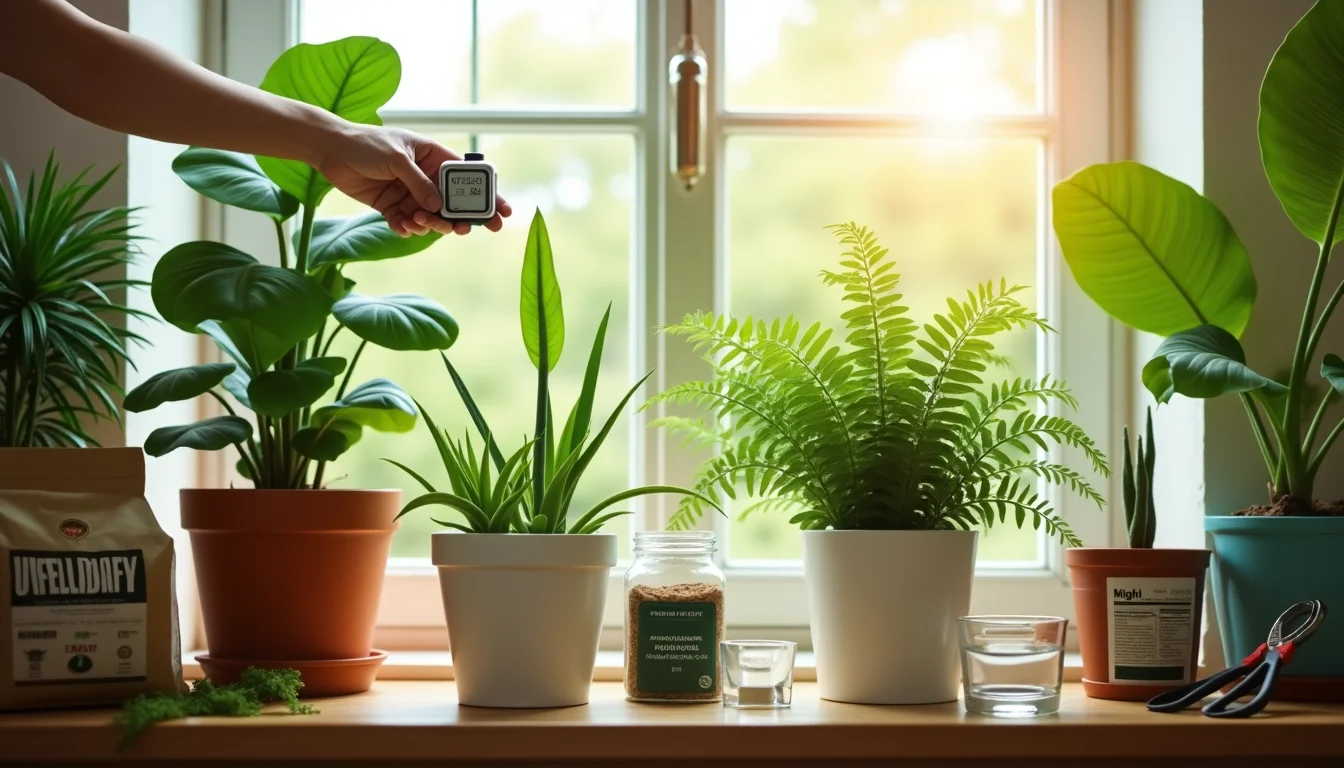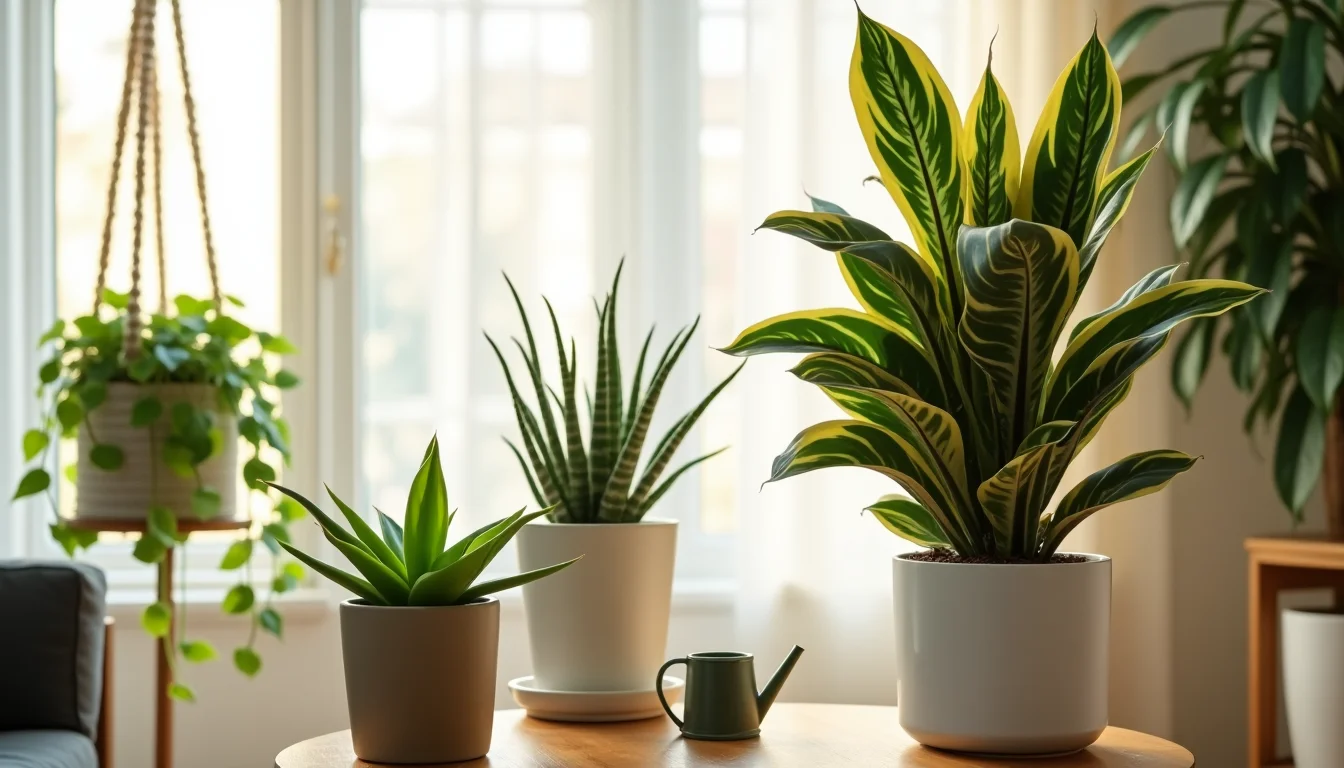

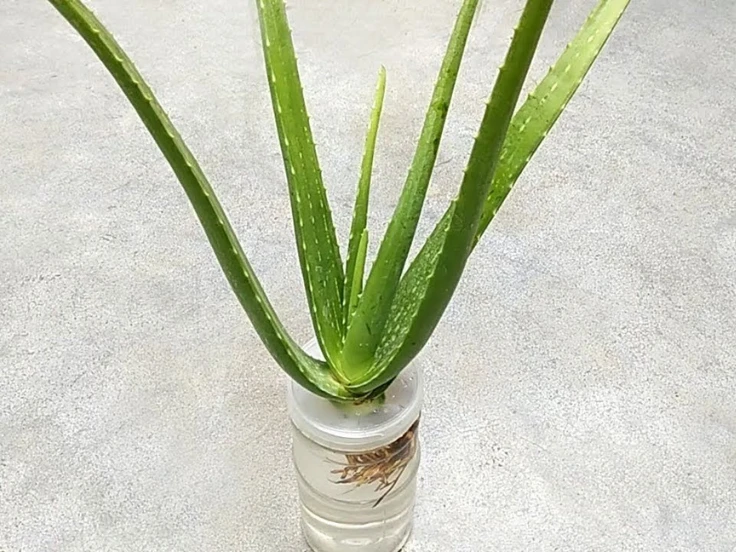
Aloe vera is widely recognized for its medicinal properties and succulent leaves, which are rich in nutrients. Many plant enthusiasts wonder, can aloe vera grow in water and survive without soil. While this is not the most conventional method, aloe vera can thrive in water if provided with proper care, light, and nutrients.
Water propagation is an effective way to grow new aloe plants from cuttings before transferring them to soil. This technique allows the plant to develop roots in a controlled environment. Understanding the plant’s natural water requirements and behavior is crucial to achieve success in water-based cultivation.
Hydroponic or water-based cultivation is gaining popularity for home gardeners. It offers a low-maintenance way to grow aloe vera indoors while avoiding issues such as soil pests and overwatering. With careful attention to detail, aloe vera can adapt to growing in water long-term.
Understanding Aloe Vera’s Water Needs
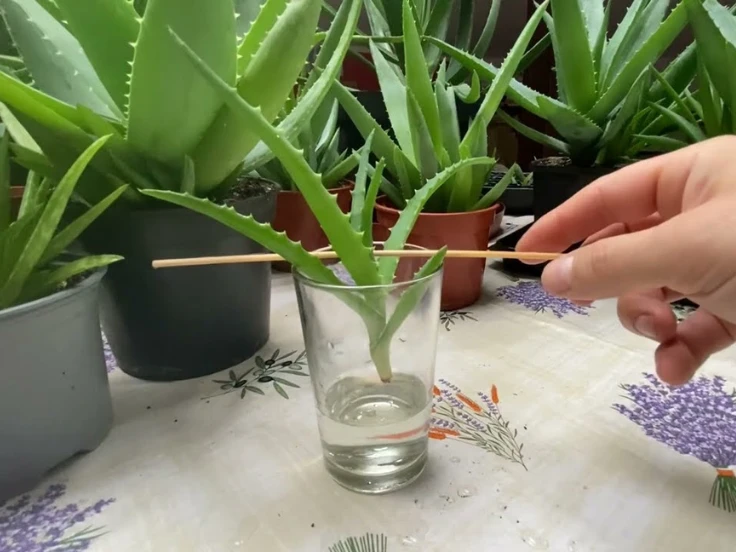
Aloe vera is adapted to arid environments with minimal rainfall. Consequently, its thick leaves store water, making it drought-resistant but sensitive to overwatering. In addition, it naturally grows in sandy or rocky soils that drain quickly.
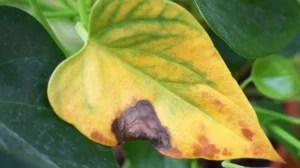
As a result, excess water can cause root rot and leaf damage, so these factors must be considered when growing aloe vera in water. However, careful management is essential, including clean water, proper light, and occasional nutrients. Otherwise, leaves may yellow, droop, or weaken.
How Aloe Vera Naturally Adapts to Water-Limited Environments
Aloe vera evolved in dry climates where water availability is inconsistent. Its thick leaves act as reservoirs, storing moisture for long periods. This natural adaptation allows the plant to survive without frequent watering.Its shallow root system is designed to quickly absorb water during rare rainfall.
However, prolonged exposure to stagnant water can harm the plant. Hydroponic or water-based growth mimics some conditions but requires careful monitoring.Understanding these adaptations is crucial for water propagation. Aloe vera can grow in water, but replicating a balance between hydration and aeration is essential. Proper conditions reduce stress and promote healthy root formation.
Water Propagation vs. Soil Growth
Growing aloe vera in soil is more common and provides natural nutrients and stability. Soil allows roots to anchor and absorb minerals, supporting leaf development. Overwatering is the main challenge when using soil-based cultivation.Water propagation allows observation of root growth but lacks natural nutrients.
This method requires adding liquid fertilizers to prevent deficiencies. Hydroponic growth is feasible but demands careful attention to water quality and nutrient balance.While aloe vera can grow in water, long-term success is more challenging than soil cultivation. Many gardeners use water propagation for rooting before transferring to soil. This method combines the benefits of both approaches.
Hydroponic Aloe Vera: Is It Possible?
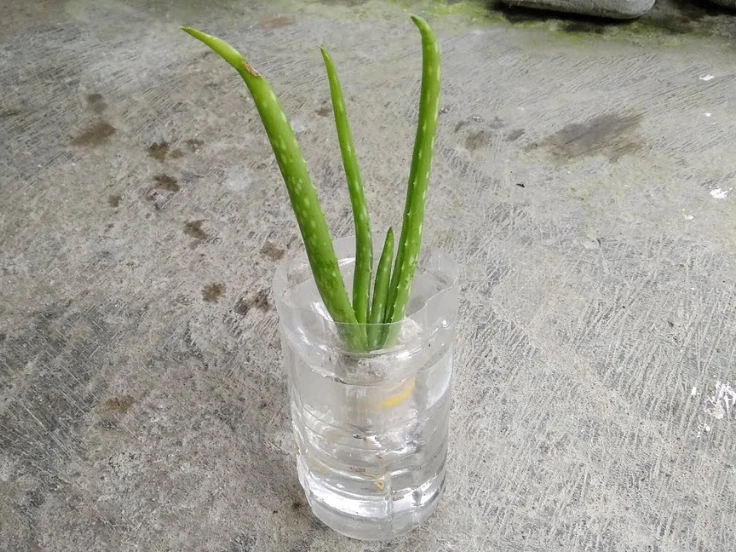
Hydroponics is the process of growing plants in nutrient-rich water solutions without soil. Aloe vera can adapt to hydroponic systems if proper conditions are maintained. This method provides controlled water and nutrient access.Key factors include water quality, pH balance, and oxygen availability for roots. Aloe vera in hydroponics must receive dissolved minerals like nitrogen, potassium, and calcium.
Monitoring these factors ensures healthy leaves and strong root development. Hydroponic aloe vera can thrive with consistent care, nutrients, and light. For best results, learn how to root an aloe vera plant before starting hydroponics. With proper attention, your aloe vera can grow lush and strong indoors.
Step-by-Step Guide to Growing Aloe Vera in Water
Selecting a Healthy Aloe Vera Leaf
Choose a mature, healthy aloe vera leaf from a strong parent plant. Avoid leaves that show damage, yellowing, or disease. Healthy leaves improve the chances of successful rooting and growth.Select a leaf that is thick and plump, indicating good water storage. Leaves that are too small may not survive the propagation process.
Proper selection ensures a higher success rate in water propagation.Always handle the leaf carefully to avoid bruising. Cut the leaf with a clean, sharp knife near its base. Clean cuts reduce the risk of bacterial infection and accelerate root development.
Preparing Aloe Vera Cuttings for Water Growth
After cutting, allow the leaf to callous over for 1-2 days before placing in water. Callousing prevents bacterial growth and root rot. This step is essential for successful propagation.Place the leaf in a clean container of distilled or filtered water. Only the bottom end should be submerged to avoid decay.
Changing the water every 2-3 days ensures it stays fresh and free from bacteria.Avoid overcrowding multiple leaves in the same container. Each cutting should have sufficient space for roots to grow. Proper preparation increases the chances of healthy, water-grown aloe vera.
Rooting Aloe Vera Cuttings in Water Successfully
Roots typically begin to develop within 2-4 weeks of placing the leaf in water. Growth depends on temperature, light, and leaf health. Patience is essential during this stage of propagation.Ensure the container is placed in bright, indirect sunlight. Direct sunlight can scorch the leaf, while insufficient light slows root formation.
Adjust location if necessary to provide optimal lighting conditions.Regularly check the water for clarity and cleanliness. Replace it with fresh distilled water as needed. Clean water prevents bacterial buildup and promotes strong, healthy roots.
Transplanting Aloe Vera from Water to Soil
Once roots are well-formed, transfer the aloe vera cutting to a well-draining potting mix. Cactus or succulent soil is ideal to prevent water accumulation. Soil transplant ensures long-term stability and nutrition.Plant the cutting carefully to avoid damaging delicate roots. Place the plant in a bright location with indirect sunlight.
Gradually acclimate it to soil conditions to reduce transplant shock.Monitor watering closely for the first few weeks. Allow the soil to dry completely between waterings. This prevents root rot and supports a smooth transition from water to soil.
Essential Care Tips for Aloe Vera Grown in Water
Ensuring Proper Water Quality for Aloe Vera Growth
Always use distilled or filtered water for propagation. Otherwise, tap water may contain minerals or chlorine that harm young roots. Therefore, clean water is essential for healthy growth in water-based systems.In addition, avoid letting water become stagnant. Consequently, replace water every 2-3 days to prevent bacterial buildup.
As a result, roots develop strong and healthy without decay.Furthermore, monitor the water level carefully. Only submerge the cut end of the leaf. Thus, proper water level prevents rot and supports nutrient absorption.
Nutrient Requirements When Aloe Vera Grows in Water
Aloe vera grown in water requires additional nutrients to thrive. Use a balanced liquid fertilizer diluted to half-strength every few weeks. Nutrients support leaf growth and root development.Without supplementation, aloe may develop yellowing leaves or weak roots. Water alone does not provide essential minerals.
Regular feeding ensures healthy, vibrant plants.Hydroponic systems benefit from consistent nutrient monitoring. Adjust pH and nutrient levels as needed. Maintaining balance prevents deficiencies and promotes strong growth.
Light and Temperature Conditions for Water-Grown Aloe Vera
Aloe vera requires bright, indirect sunlight to photosynthesize properly. Therefore, place plants near a south-facing window or under grow lights. As a result, proper light encourages leaf expansion and strong root growth.However, avoid direct sunlight that may scorch the leaves. Otherwise, insufficient light results in weak, leggy plants. Thus, adjust light exposure according to your indoor environment.
In addition, maintain temperatures between 59°F and 77°F (15°C to 25°C). Aloe vera is sensitive to cold and may stop growing below 50°F (10°C). Consequently, proper temperature control ensures consistent growth.
Common Mistakes When Growing Aloe Vera in Water
Overwatering is a frequent mistake that leads to root rot. Therefore, only the cut end should touch the water. Additionally, stagnant water accelerates decay and bacterial infection.Moreover, failing to provide nutrients is another common problem. Aloe vera requires minerals to grow in water successfully, and as a result, regular feeding prevents weak leaves and underdeveloped roots.
Furthermore, using poor-quality water and insufficient light are also detrimental. Tap water or low-light conditions hinder growth, so proper care and monitoring are essential for successful water-based propagation.
Frequently Asked Questions About Aloe Vera in Water
Can Aloe Vera Grow in Water Indefinitely?
Aloe vera can survive in water for long periods, but soil transplantation is recommended. Nutrients in water alone are insufficient for long-term growth.
How Often Should I Change the Water?
Change the water every 2-3 days to prevent bacteria and stagnation. Fresh water supports healthy root development and prevents leaf decay.
Can I Use Tap Water for Propagation?
Distilled or filtered water is best. Tap water may contain chemicals or minerals harmful to young roots.
Can Aloe Vera Leaves Rot in Water?
Yes, if the leaf is fully submerged or water becomes stagnant. Proper positioning and water replacement prevent decay.
How Long Does It Take for Roots to Appear?
Roots typically develop within 2-4 weeks. Leaf health, light, and water quality influence the rate of root growth.
Conclusion
Aloe vera can grow in water with proper care, nutrients, and environmental control. Moreover, water propagation allows gardeners to start new plants safely and observe root growth. In addition, it is a simple and effective method for indoor gardening.Therefore, understanding the plant’s natural adaptations and water requirements prevents common mistakes.
For example, overwatering, nutrient deficiency, and insufficient light are major risks to avoid. Consequently, careful attention ensures healthy growth. If you want a detailed guide on looking after an aloe vera plant, check out this comprehensive article. Furthermore, hydroponic aloe vera is feasible for gardeners willing to monitor nutrients and water. With patience, consistency, and proper conditions, it can thrive.
Additionally, it provides both decorative and medicinal benefits. Finally, for more guidance on hydroponic gardening, visit Hydroponic Gardening 101. In addition, you can learn more about plant care at Royal Horticultural Society and explore succulent growth tips at Succulent Guide.