If Calathea is your favorite indoor plant, and you are concerned about its health. Then this guide is for you!
You should know that all tropical plants are easy to maintain. They grow in humid, shady places. So, Calathea is one of the tropical plants that require specific conditions to grow and live long and healthy. As an indoor plant lover, you need to learn how to grow them better.
Calathea care is simple but important. If you’re new to houseplants, you may also enjoy our guide on grow plants for beginners. You should know the tricks to handle it. Let’s go grab the tips to keep your prayer plant happy indoors.
Some Crispy Tips on Calathea Care
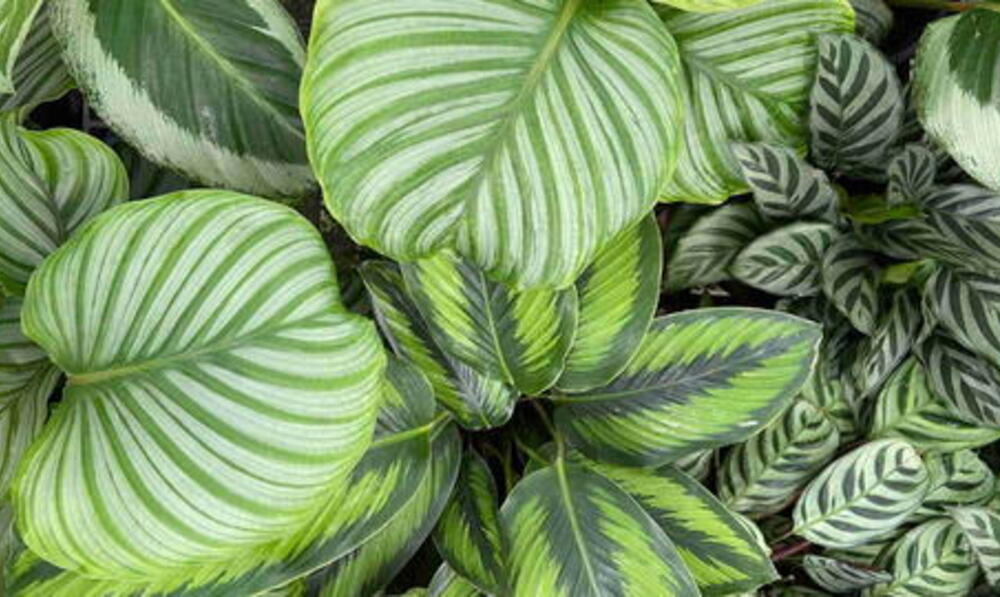
There are some general yet important tips on Calathea Care that can help you make your plants happy and colourful. Those tips that need your attention are:
- Light
- Water
- Food
- Soil
- Other necessary things to know
Light
As you know, this plant belongs to the Marantaceae family, so it requires the shared legacy requirements of all members of its family for growth. Like all Marantaceae, Calathea thrives in indirect light and shady places. They don’t need direct light that can actually affect their growth.
As a caretaker, you are advised to keep them out of direct sunlight and place them beside the north window, which receives indirect light. Understanding how light affects plant growth can help you position your Calathea better, especially when learning about how to grow plants indoors.
Sufficient Amount of Water
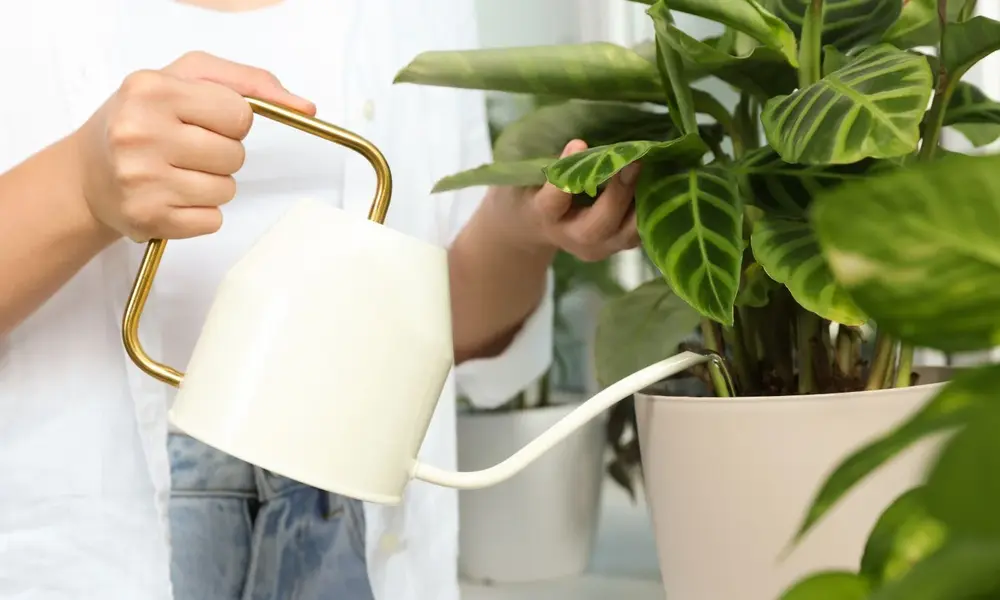
If you are following a prayer plant care, all you need to know is that they don’t like to be dry. You have to water them when you see one or two inches of dry soil in the pot. You can repeat the action after 3 to 5 days. But by doing so, you have to monitor the temperature and other factors that can affect it. If the temperature is hot, water them after one to two days.
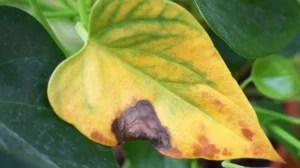
Calathea does not ike having its roots sit in water for too long. Ensure the pot has a drainage hole to let excess water drain. If your drainage is not working well, your plants’ leaves will turn yellow, and you will not like it. Improper watering is one of the main reasons indoor plants suffer, which is also discussed in detail in why indoor plants die.
Tip: You can add a bit of charcoal and some small stones at the bottom to help with drainage.
Food – Healthy Diet
For indoor plants, fertilizers are their food. You need to feed your plant regularly. You can feed them with a gap of one or two months. But here you have to be tricky with fertilizer. What you need to do is take one-third of the diluted fertilizer and mix it with twice as much natural fertilizer; this will keep your plants healthy.
You can’t go with synthetic fertilizers only because they can kill your plant, as an excess of everything is bad. To better understand feeding schedules and nutrients, you can explore more about why do plants need fertilizer.
A Good Soil – What They Actually Need
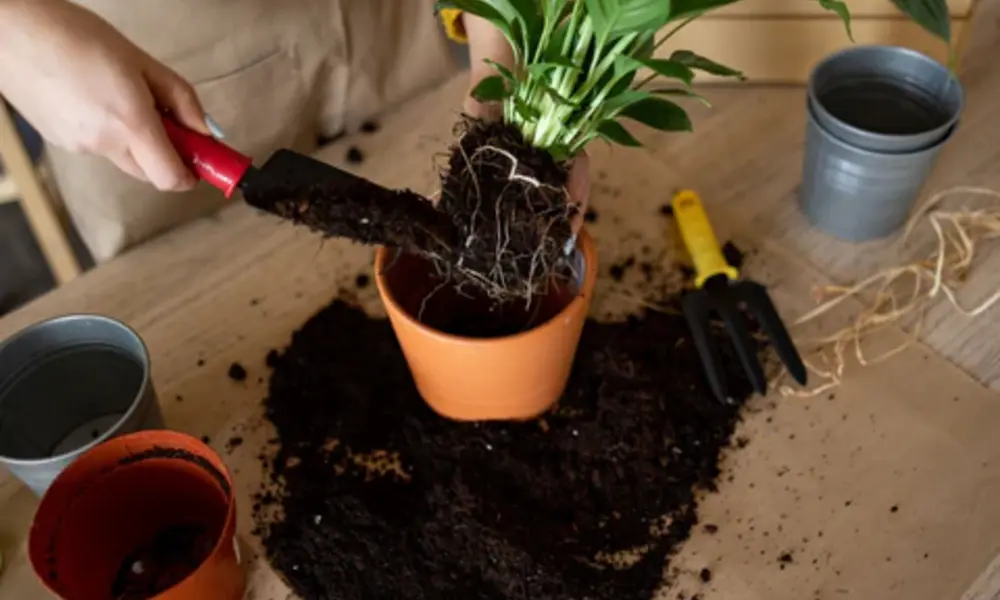
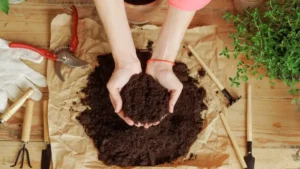
If you truly want your plant to grow well, choose a good soil mix. A good soil mixture will help your calathea grow better. You can get a good mix of soil from the market, but you can also make it at home.
Homemade soil mixture might be more affected because, in that case, you would be aware of all the substances and quantities it contains.
Tip: If you prepare the soil at home, you can mix it with worm castings, pumice, peat moss, and orchid bark. This will help your plants live a happy life. Choosing the right growing medium plays a huge role in plant health, just like we explain in our guide on indoor plant soil mixture.
Other Necessary Things to Know
Look at some other important things and ensure them:
- Locate your plants near the window.
- Satinize your leave if you find some danger.
- Ensure calathea humidity. Provide a humidifier.
- Repot your plant when needed.
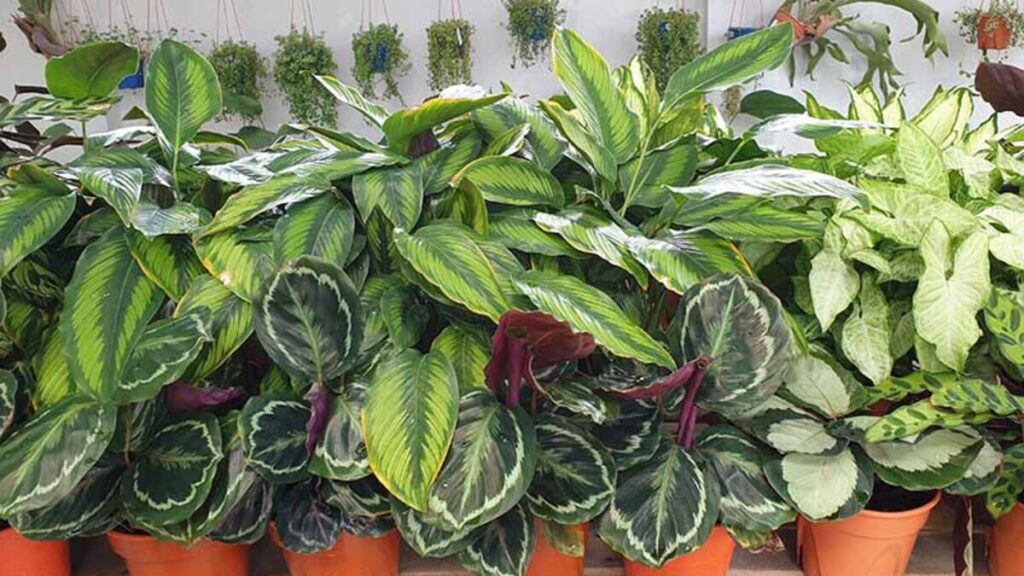
Do You Want to Meet Other Prayer Plants in the Calathea Family?
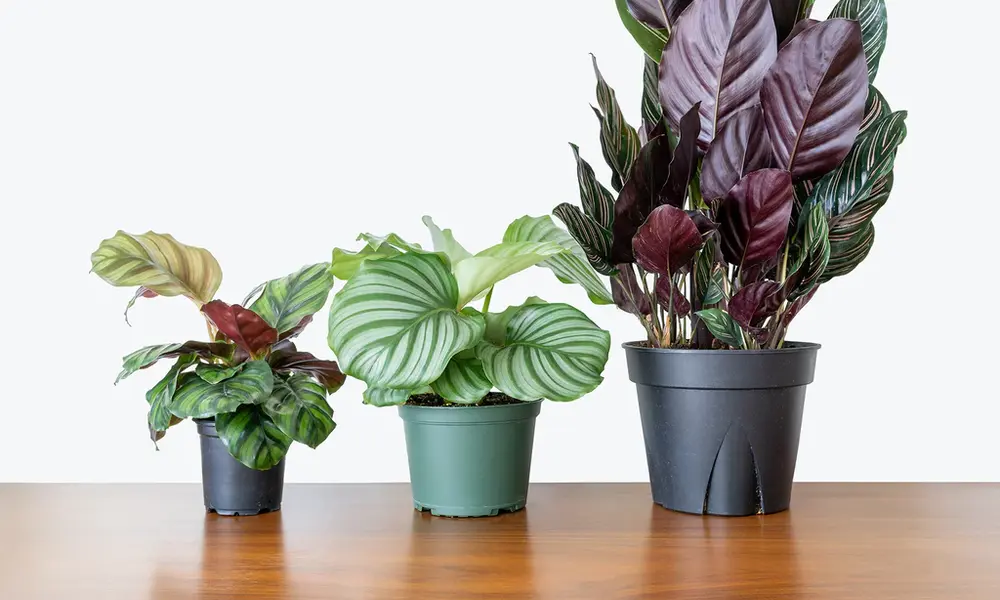
Have a look, read, and know about its family members:
- Calathea ‘Makoyana’
- Maranta leuconeura ‘Lemon Lime’
- Ctenanthe ‘Burle Marx’
- Maranta leuconeura kerchoveana (and variegated form)
- Stromanthe ‘Magic Star’
- Calathea ‘Compact Star’
- Calathea ‘Beauty Star’
- Calathea ‘Freddie’
- Calathea ‘Medallion’
- Calathea ‘Dottie’
- Calathea ‘Warscewiczii’
- Calathea ‘Ornata’
- Calathea ‘White Fusion’
- Stromanthe ‘Trio Star’
Conclusion
You will find that Calathea Care is easy to follow, which will comfort you as well. You would see your plants growing in the way you want. Calathea leaves curling is the only threat you will face, but you can protect the plant from it by following the instructions above. Maintaining humidity and balanced care is essential, similar to what we discuss in foliage plant care.
There is nothing difficult about keeping a prayer plant; you just need to focus on its care. If you have any queries about it, feel free to ask us!
FAQs
Write some signs of overwatering in your indoor plant.
There are some obvious signs of overwatering in your prayer plants:
- Yellow leaves
- Brown limp
- Droopy Leaves
- Crispy leaves
What fundamentals should you monitor when caring for Calathea?
Those tips that need your attention are:
- Light
- Water
- Food
- Soil
How do I make my Calathea happy?
Good Calathea watering care can make your plant, but you also have to ensure the other requirement to be fulfilled, such as light requirements, potting, soil, and other necessary things.