Little insects present in the soil of your indoor plants, especially fungus gnats, can easily kill your plants unless you take action against them. These pests are only found in wet soil and are therefore easily removed through simple methods. This guide will help you solve the problem step-by-step and ensure it does not recur.
Introduction
Have you seen little flies coming out of your planters?
Yes, then you probably have bugs in the indoor plants soil, which is one of the most frequent issues plant owners have to deal with. Initially, these bugs might seem innocent.
You may turn a blind eye to them and wish that they would go away. However, at one point, they grow tremendously quickly and begin to affect the well-being of your plant. The good news is that you do not need expensive products or complicated processes to correct this. These pests can be killed by taking a few steps and rescuing your plants. You will learn about bugs in indoor plants soil, and their removal in this case.
What Are These Small Bugs in Soil in Indoor Plants?
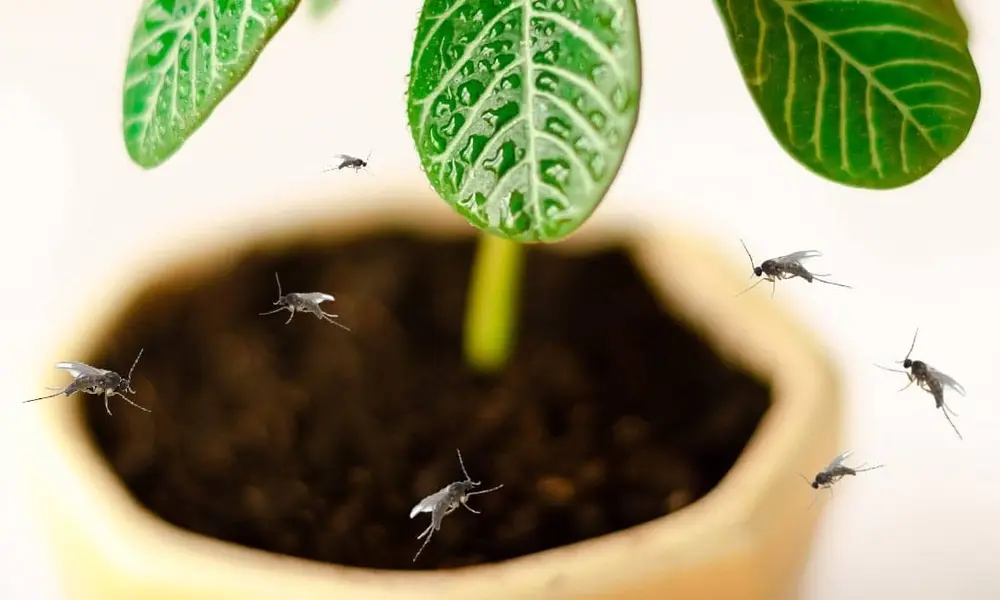
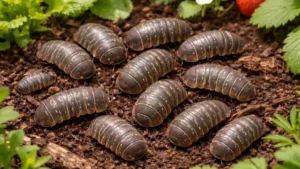
The most common bugs you see are fungus gnats. They are tiny black flies which resemble mosquitoes but are far smaller.
You will be generally aware of them:
- In circles around your plant.
- Seated on the surface of the soil.
- Coming out when you water the plant
They are commonly called small flies in plant soil and are one of the indicators that your soil is too wet. The adult flies are not very bad, but the worst are the larvae. These larvae live in the soil and are feeders of organic matter. They are able to kill plant roots in large amounts. That is why it is essential to take some action as soon as possible when the problem is not so serious.
Reasons why Bugs in Indoor Plants Grow
The first step to solving the problem is to identify the cause. Moisture is the prime cause of indoor plant bugs. Prolonged soil moisture provides the best conditions for pests to thrive. Fungus gnats are fond of wet soil, as this assists their eggs to survive and hatch easily.
The causes are as follows:
Overwatering
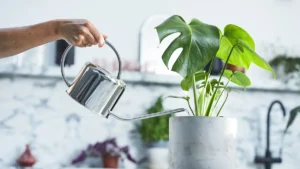
This is the most significant reason. Excessive watering keeps the soil wet at all times.
Poor drainage
Without the right holes in your pot, water will be trapped in.
Organic-rich soil
Pests are attracted to soil that contains a lot of organic matter since it contains food.
Warm indoor environment
Indoor conditions are ideal for bugs to grow and reproduce quickly. That is why good indoor plant pest control is not only about eliminating bugs, but also remediating the underlying cause.
Signs Your Plant Is Affected
At times, the issue is not detected at an early stage. These are some of the obvious indicators to look at:
- Flies are going about the plant.
- Soil remaining wet over many days.
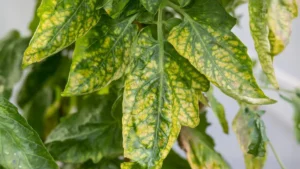
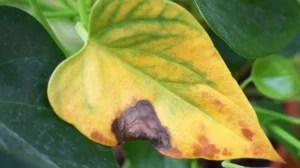
- Weak or yellow leaves.
- Slow plant growth
- Small larvae in the soil.
When you notice these signs, you have to take fast action.
Fungus Gnats Solution (Step-by-Step Fix)
But now we come to the best thing of all, how to remedy the situation.
For fungus gnats solution, do the following:
Step 1: Dry out the Soil
Fungus gnats are unable to survive dry conditions. Don’t water your plant for several days and leave the top layer of soil to dry up. This will kill a large number of larvae and prevent the hatching of eggs.
This is the easiest and best step.
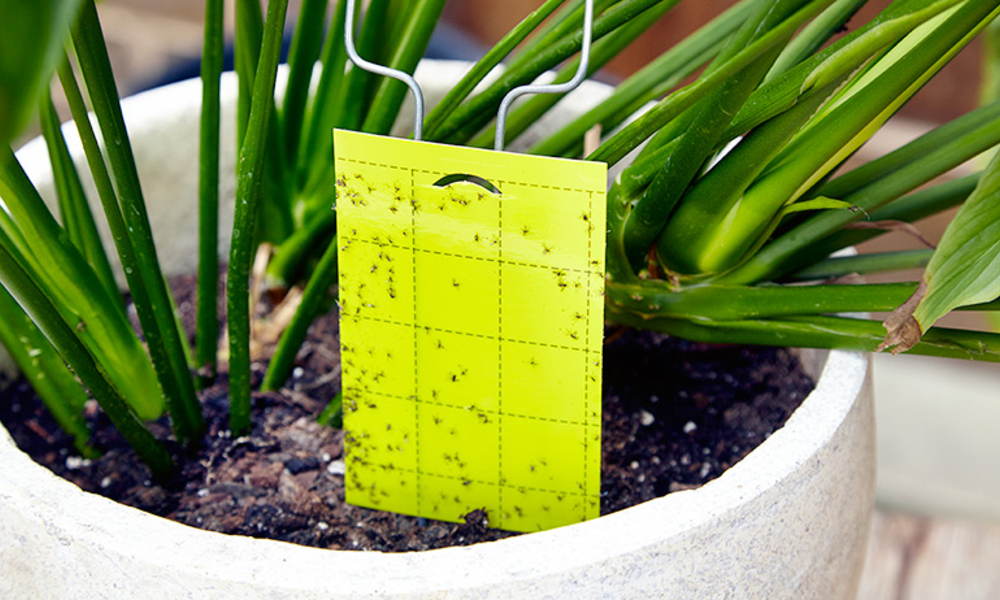
Step 2: Sticky Taps
Sticky traps that are yellow are helpful. Make them close to your plant. The adult flies will attach to them and this helps in reducing their population. This is a measure that interrupts the breeding cycle.
Step 3: Neem Oil Pest Control Plants
Neem oil pest control plants is one of the most effective natural remedies for plant pests. Combine neem oil and water and spray on the soil and plant.
Neem oil works by:
- Killing larvae
- Stopping eggs from growing
- Repelling adult bugs
When properly used, it is safe to use indoors.
Step 4: Change the top layer of soil
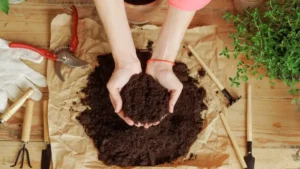
Eggs and larvae are normally found at the surface of soil. Take away approximately 1-2 inches of the top soil and put in fresh and dry soil. This kills the majority of the pests quickly.
Step 5: Improve Drainage
Ensure that you have good drainage holes in your pot.
You can also:
- Add small stones on the bottom.
- Use a soil mix that is well-drained.
This will not allow water to remain trapped.
Best Indoor Plant Pest Control Methods
Along with the steps above, you can also use these methods:
Neem oil spray
Prevention: Use once a week.
Hydrogen peroxide solution
Add water and pour into soil to kill larvae.
Cinnamon powder
Known as a natural antifungal that helps lower pest growth.
Bottom watering
Use bottom water rather than overhead to maintain dryness of the surface.
Such techniques help control plant pests in the long run and keep your plants healthy.
How to Prevent Bugs in Indoor Plants Soil
It is always best to prevent rather than cure.
These are easy things to do:
- Water upon soil feels dry.
- Use well-drained pots.
- Avoid overuse of organic fertilizers
- Plants should be kept in a well-ventilated place.
- Rake up dead leaves in the soil.
- Check plants regularly
By doing this, bugs will not easily come back.
Common Mistakes to Avoid
There are so many individuals who commit minor errors that re-introduce the problem.
Avoid these:
- Watering immediately after treatment.
- Ignoring initial indications of bugs.
- Excessive usage of chemicals.
- Only one plant (bugs are contagious) is treated.
- Failure to repair drainage problems.
Correcting such errors will save you time and energy.
Real-Life Example
Let’s understand this with a simple example.
An owner of a plant observed that there were tiny flies surrounding their plant. Initially they did not pay attention to it. The plant began to appear weak and the amount of flies grew after a few weeks.
Then they took easy measures:
- Reduced watering
- Used sticky traps
- Applied neem oil
In a couple of days, flies dwindled. The problem had disappeared altogether after two weeks. This indicates that the problem can be solved by mere acts.
Quick Routine to Deal With Bugs in Indoor Plants Soil
There is no need to do much. You only need to follow up on this basic routine:
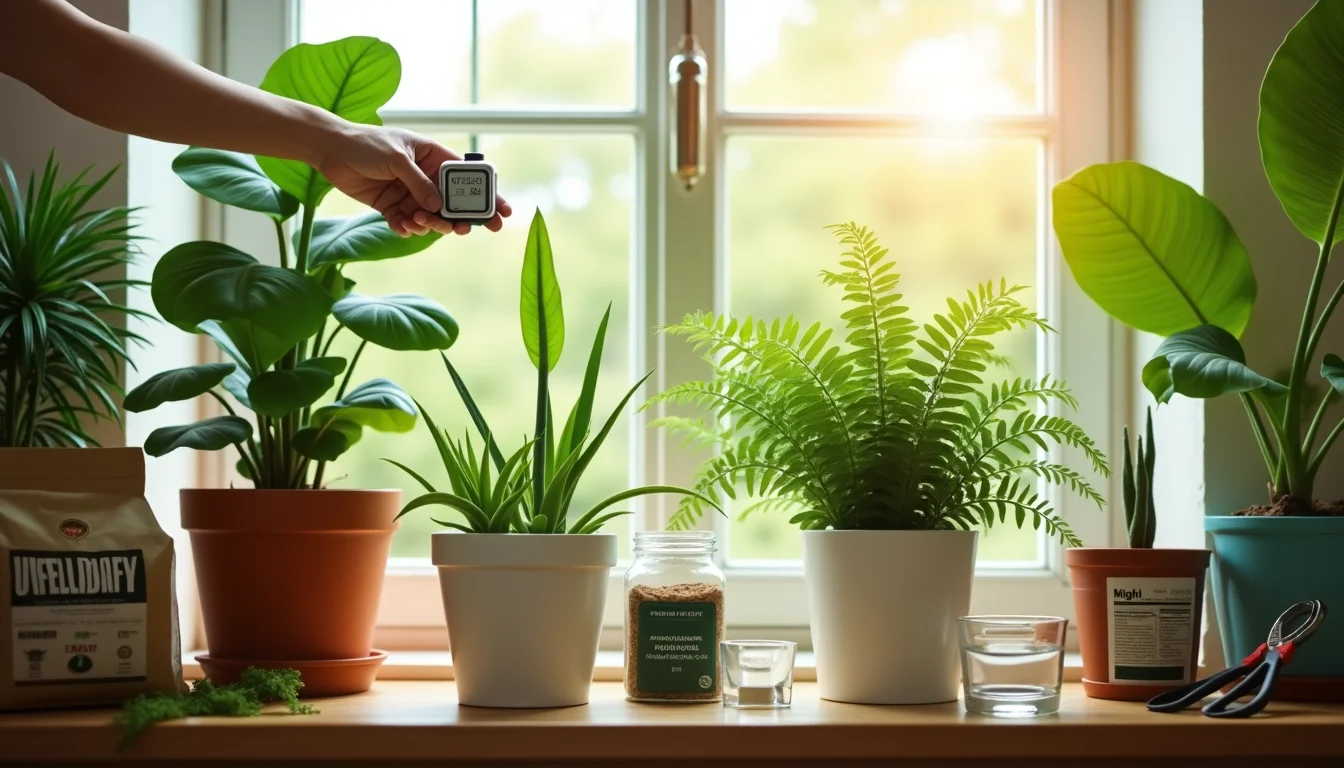
- Measure soil moisture once a week.
- Water when necessary.
- Use neem oil occasionally
- Keep plants clean
This little practice protects your plants.
Conclusion
Dealing with bugs in indoor plants soil can be frustrating, but the problem is not difficult to overcome.
These insects mostly thrive due to excessive moisture and unhealthy cultivation practices. The issue is eliminated immediately you master how to water and stick to a few simple rules, like dry the soil, apply neem oil and enhance the drainage.
Healthy soils translate to healthy plants. In Peeacelily.com, we simplify caring for your plants so that you can grow healthy and pest-free plants with confidence. Get used to doing the right things, be consistent and watch your plants grow in the simplest way.
FAQs
What to do to the soil of indoor plants to get rid of bugs?
Shake the soil, and dry the plant pot. In case of fungus gnats (see below) dry the soil as much as you can without damaging your plant. Investing in a waterer to water your plants at the bottom is another investment you can make since fungus gnats will live in the top inch or two of the soil of your plant.
How can I rid my houseplant soil of gnats?
I’ve put together this gnat-killing regime, which is effective and cheap.
- Until the first inch or so of soil.
- Sprinkle the surface of the soil with cinnamon.
- Find vinegar traps and place them at the plant and change them on a daily basis.
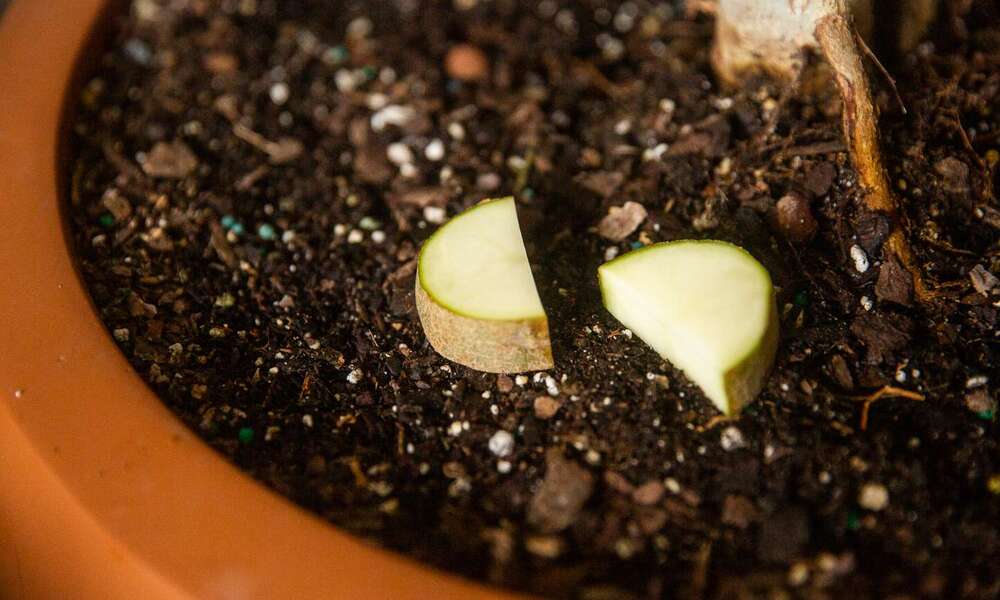
- Add potato slices each day.
One should not water the plant until the top-most layer of the soil is completely dry.
Are soil mites good or bad?
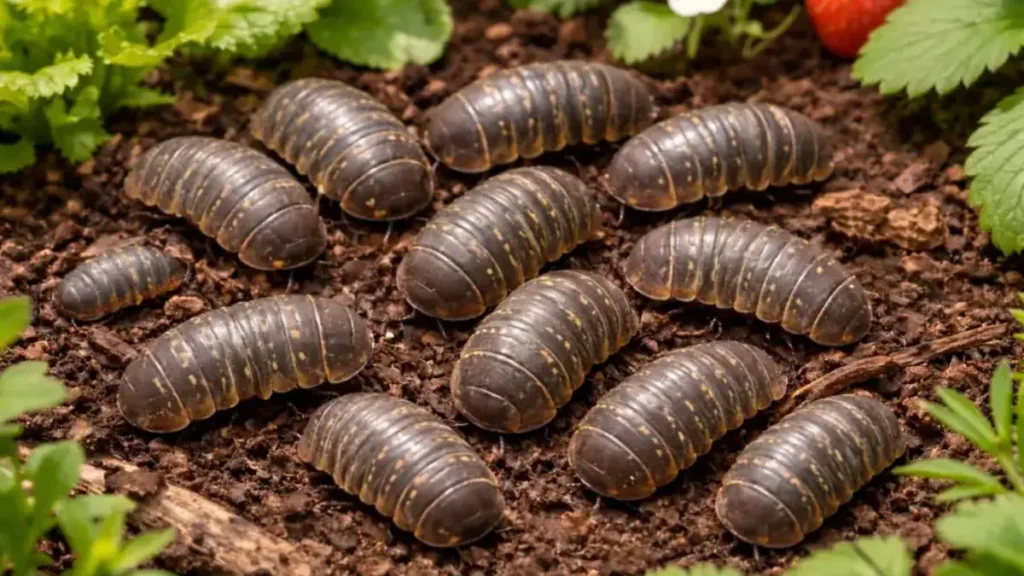
The Mesostigmata are mesostigmatid mites which generally prey on other small animals. The Prostigmata is a suborder of some of the mites, which all have different feeding habits. In most cases, soil mites do not pose a threat to humans or plants. They are of great assistance to the decomposition process which is utilized by plants and humans.
Which is the deadliest killer plant?
Watering appears to be such a simple process that the vast majority of people are surprised to know that the most frequent cause of death of the house plants is improper watering. The water is absorbed by the plants. Plants photosynthesis and transpire using water and evaporate it away