
Biodegradable planters are transforming the way gardeners grow plants, offering sustainable alternatives to traditional plastic pots. Not only do they support healthy root development, but they also naturally decompose, reducing environmental impact. Moreover, options like seed-starting biodegradable pots, coconut coir pots, and recycled paper seedling pots make eco-friendly gardening simple and effective.
In the United States, gardeners increasingly prioritize sustainability, seeking solutions that benefit both plants and the planet. By using recycled paper seedling pots or other compostable plant containers, you enhance soil health while minimizing landfill waste. Consequently, choosing biodegradable planters is both a practical and environmentally responsible decision for any garden.
Materials and Types of Biodegradable Planters
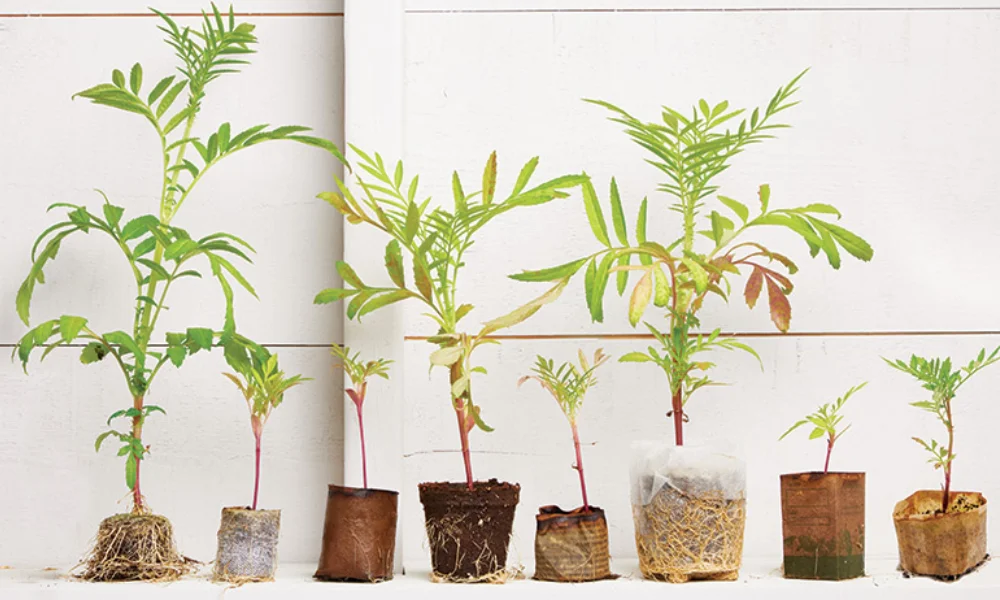
Selecting the right planters can make a huge difference for plant growth and environmental impact. Additionally, understanding the different materials helps gardeners choose containers that support healthy root growth while reducing waste. Therefore, exploring the common types ensures you make an informed and sustainable choice for your garden.
-
Peat or fiber nursery pots gradually break down in soil while providing insulation.
-
Coconut coir pots retain moisture efficiently, helping roots grow strong and healthy.
-
Recycled paper seedling pots are lightweight, easy to handle, and fully compostable.
-
Rice-husk pots enrich soil naturally as they slowly decompose over time.
-
Cow-manure pots release nutrients directly into the soil while safely biodegrading.
-
Biodegradable plastic planters mimic traditional plastic durability but reduce waste.
-
DIY paper pots allow gardeners to create personalized, eco-friendly containers at home.
Benefits of Biodegradable Planters
Using biodegradable planters offers numerous advantages for gardeners who want both healthy plants and a sustainable environment. Moreover, they help reduce plastic waste while naturally decomposing and enriching the soil. Consequently, choosing these planters is not only practical but also environmentally responsible for any garden.
Promotes Healthy Root Growth
One of the main benefits of biodegradable planters is that they support strong and healthy root development. Additionally, materials like peat or fiber nursery pots and coconut coir pots allow roots to breathe and expand naturally. Therefore, seedlings experience less transplant shock and grow more vigorously.
Reduces Environmental Impact
Biodegradable planters significantly decrease the amount of plastic waste that ends up in landfills. Furthermore, using compostable plant containers or recycled paper seedling pots ensures that your gardening practices remain eco-friendly. As a result, gardeners can enjoy thriving plants while protecting the planet.
Enhances Soil Fertility
As these planters decompose, they release nutrients directly into the soil, enriching it naturally. For instance, cow-manure pots and rice-husk pots improve soil structure while gradually breaking down. Consequently, your garden benefits from healthier soil and stronger plant growth over time.
Cost-Effective and Practical
Although some biodegradable planters may have a slightly higher upfront cost, they often reduce long-term gardening expenses. Additionally, DIY paper pots provide a budget-friendly option that gardeners can make at home using simple materials. Therefore, investing in these planters proves both practical and sustainable.
DIY Biodegradable Planters: Step-by-Step Guide
Creating your own biodegradable planters allows you to save money while reducing environmental impact. Moreover, DIY pots give gardeners control over size, shape, and materials, making them ideal for any project. Therefore, making your own planters is both fun and sustainable.
DIY Paper Pots
DIY paper pots are simple to make using old newspapers or scrap paper, and they are fully compostable. Additionally, these pots provide a lightweight and flexible option for starting seeds. Consequently, gardeners can reuse materials while supporting eco-friendly gardening practices.
Coconut Coir Pots
Coconut coir pots can be crafted using coir fiber and natural binding agents, providing excellent water retention. Furthermore, they decompose naturally in soil, enriching it with organic matter. As a result, plants experience healthier root growth and stronger overall development.
Rice-Husk Pots
Rice-husk pots can be made by mixing rice husks with natural adhesives or compostable binders. Additionally, they slowly release nutrients into the soil as they biodegrade, improving fertility. Therefore, rice-husk pots are an eco-conscious option that benefits both plants and soil.
Cow-Manure Pots
Cow-manure pots combine organic waste with binding materials to form nutrient-rich containers. Moreover, they naturally fertilize the soil while gradually breaking down. Consequently, these planters support sustainable gardening and enhance plant growth simultaneously.
Recycled Paper Seedling Pots
Using recycled paper to create seedling pots is a practical way to reduce waste at home. Additionally, these pots can be planted directly into the soil, minimizing transplant shock. Therefore, they are an ideal option for gardeners focused on convenience and sustainability.
Tips for Using Biodegradable Planters Effectively
To get the best results from these planters, gardeners need to consider planting techniques, soil conditions, and watering practices. Moreover, following simple tips can enhance plant growth and maximize the environmental benefits. Therefore, understanding proper use ensures healthier plants and more sustainable gardening.
Choose the Right Size
Selecting the correct size for your seed-starting biodegradable pots is essential for root development. Additionally, using appropriately sized pots prevents overcrowding and reduces transplant stress. Consequently, plants grow stronger and adapt more easily when moved outdoors.
Monitor Moisture Levels
Maintaining proper moisture is crucial when using coconut coir pots or peat or fiber nursery pots. Furthermore, biodegradable materials tend to dry out faster than plastic, so regular monitoring is necessary. Therefore, consistent watering helps seedlings thrive without harming the planter’s integrity.
If you’re exploring more eco-friendly ways to grow indoor greenery, you may also enjoy learning about hanging ivy plants for indoors, which pair beautifully with natural biodegradable pots.
Gradual Transplanting
When moving plants to larger containers or garden beds, gradual transplanting reduces shock. Additionally, planting directly in recycled paper seedling pots or other compostable containers ensures minimal disturbance to roots. As a result, plants establish quickly and continue growing vigorously.
Use Nutrient-Rich Soil
Filling cow-manure pots or rice-husk pots with nutrient-rich soil enhances both growth and decomposition. Moreover, enriching soil with compost supports microbial activity that accelerates biodegradation. Therefore, plants benefit while the planter naturally improves the surrounding soil.
Store Properly Before Use
Storing biodegradable planters in a dry, cool place prevents premature breakdown. Additionally, keeping them away from moisture ensures they remain intact until planting. Consequently, gardeners can rely on their planters when needed without risk of deterioration.
Conclusion
Biodegradable planters are transforming modern gardening by combining sustainability with plant health. Moreover, they offer practical benefits such as improved root growth, soil enrichment, and reduced plastic waste. Therefore, incorporating these eco-friendly containers into your garden is both environmentally responsible and highly effective.
By choosing options like coconut coir pots, recycled paper seedling pots, or cow-manure pots, gardeners can support healthy plant development while minimizing their ecological footprint. Additionally, DIY solutions like DIY paper pots provide customizable and budget-friendly alternatives.
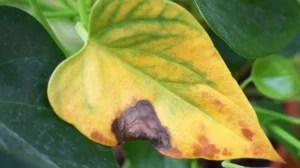
For gardeners seeking to maintain healthier plants, understanding common problems such as yellow leaves on indoor plants can further improve overall plant care and ensure stronger growth alongside using biodegradable pots.
Consequently, embracing biodegradable planters ensures your garden thrives sustainably while contributing positively to the planet.
FAQs
What are biodegradable planters?
These planters are containers made from natural or compostable materials that break down over time. Additionally, they provide healthy root environments while reducing environmental impact. Therefore, they are an eco-friendly alternative to traditional plastic pots.
How long do biodegradable planters last?
The lifespan of biodegradable planters depends on the material and conditions, such as moisture and soil type. For instance, coconut coir pots may last several months, while recycled paper seedling pots decompose faster. Consequently, gardeners should monitor their planters and transplant accordingly.
Can I plant biodegradable planters directly into soil?
Yes, many biodegradable containers, like DIY paper pots or cow-manure pots, can be planted directly into the soil. Moreover, this reduces transplant shock and allows the pot to naturally decompose. As a result, plants experience smoother growth and healthier roots.
Are these planters better than plastic pots?
Biodegradable planters are environmentally friendly and often enrich soil as they decompose, unlike plastic pots that can create long-term waste. Additionally, they support natural root development and reduce landfill impact. Therefore, they are a superior choice for sustainable gardening.
Which materials are best for beginners?
For beginners, recycled paper seedling pots or peat or fiber nursery pots are easy to use and affordable. Furthermore, these materials provide good moisture retention and simple handling. Consequently, they offer an ideal starting point for eco-conscious gardeners.