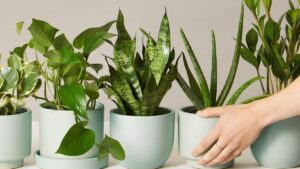
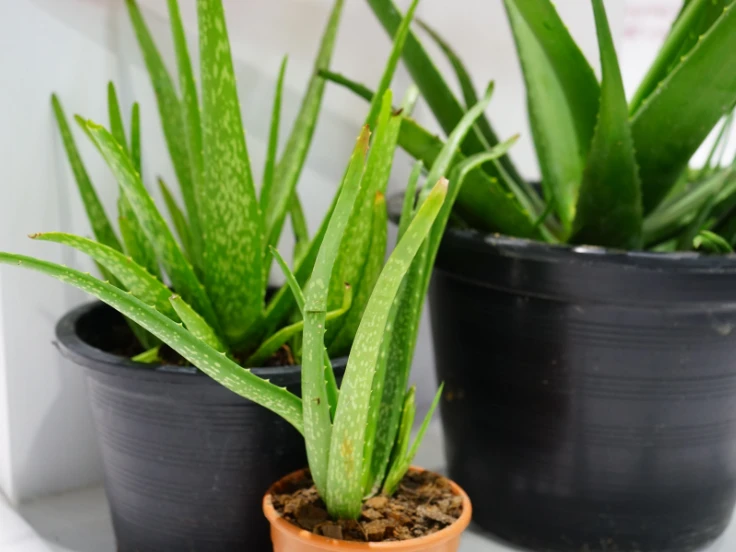
The big aloe vera plant is one of the most versatile and visually striking succulents for any home or garden. Not only does it enhance the aesthetic appeal of your space, but it also provides numerous health benefits. Moreover, it is remarkably low-maintenance, making it perfect for beginners. From soothing skin irritations to purifying indoor air, this plant is truly remarkable.
Therefore, understanding the care requirements of a large aloe vera plant is essential. In this guide, we will explore the ideal growing conditions, maintenance practices, propagation methods, and more, helping you ensure a healthy and thriving plant.
Optimal Growing Conditions for a Big Aloe Vera Plant
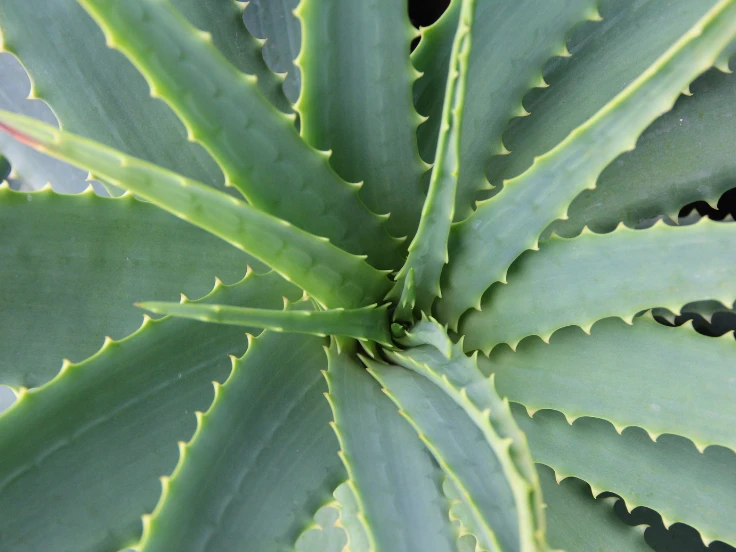
1. Lighting Requirements
Aloe vera thrives in bright, indirect sunlight. However, it can tolerate direct sunlight for a few hours, but excessive exposure may cause leaf burn. Therefore, gradually acclimate the plant to stronger light. Placing it near a south- or west-facing window indoors usually provides ideal conditions. Similarly, outdoors, partial shade can prevent sun stress during hot summer months.
2. Temperature Preferences
The big aloe vera plant flourishes in temperatures between 55°F and 85°F (13°C–29°C). In contrast, frost can damage the leaves and stunt growth. Consequently, bringing the plant indoors during winter in colder regions is crucial. Maintaining stable temperatures ensures healthy leaf development and optimal gel production.
3. Soil Requirements
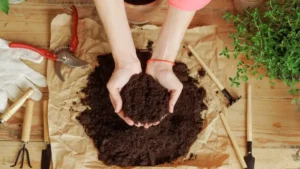
Well-draining soil is essential to prevent root rot. For example, using a cactus or succulent mix is ideal, or you can amend regular potting soil with sand or perlite for better drainage. Additionally, regular monitoring of soil moisture prevents overwatering and keeps the roots healthy.
Watering the Big Aloe Vera Plant
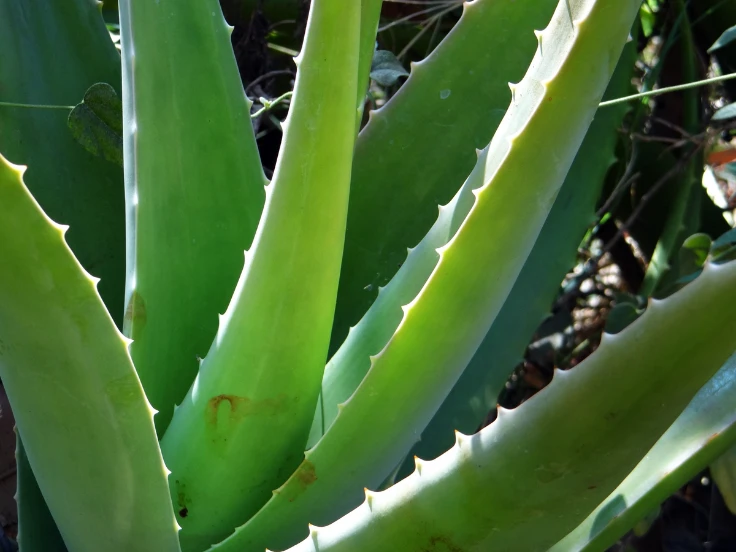
One common mistake is overwatering. Aloe stores water in its thick leaves, so it prefers infrequent watering. Water deeply every 7–10 days in spring and summer, and only once a month in fall and winter. For full guidance on caring for your plant, see aloe vera plant care. Careful monitoring ensures healthy growth.
Potting and Repotting Essentials
Choose a pot with proper drainage holes to prevent water accumulation, which can harm the roots. Similarly, aloe vera plants grow slowly but steadily, and repotting every 2–3 years ensures the roots have enough space to expand. When repotting, handle the plant carefully to avoid damaging the leaves and offsets. Additionally, using slightly larger pots each time encourages robust growth.
Propagation: Multiplying Your Aloe Vera
The big aloe vera plant naturally produces offsets, also called “pups,” which are smaller clones growing from the base. To propagate, wait until the pups have a few inches in height and visible roots. Then, carefully separate them from the mother plant and repot in well-draining soil. This method allows gardeners to create new plants without purchasing additional succulents. Moreover, it encourages sustainable growth for long-term care.
Fertilization Guidelines
Aloe vera does not require heavy feeding. During the growing season, fertilize once a month with a diluted, balanced fertilizer to encourage healthy growth. However, over-fertilizing can result in weak, leggy leaves and reduced gel quality. Alternatively, organic options like compost tea or diluted seaweed extract also nourish the plant effectively. Consequently, using these methods ensures robust and vibrant growth.
Indoor vs. Outdoor Cultivation
Indoor Cultivation
Growing aloe vera indoors is ideal for colder climates. Additionally, placing it near a sunny window ensures it receives adequate light. Similarly, maintaining proper air circulation prevents fungal infections. Indoor cultivation allows precise control of watering, light, and temperature, resulting in steady growth.
Outdoor Cultivation
In mild climates, aloe vera can thrive outdoors year-round. However, plant it in areas with partial sun to avoid scorching the leaves. Furthermore, outdoor aloe may grow larger and produce more offsets. Nevertheless, protection from frost and excessive rainfall is necessary to maintain plant health.
Safety Considerations for Pets and Kids
Although aloe vera gel is safe for topical use, the plant itself can be toxic if ingested by pets or small children. Therefore, keep it out of reach and educate family members about its potential risks. Small amounts of ingested aloe can cause vomiting, diarrhea, or other gastrointestinal issues in cats and dogs. Additionally, monitoring the plant’s placement prevents accidental ingestion.
Harvesting Aloe Vera Gel
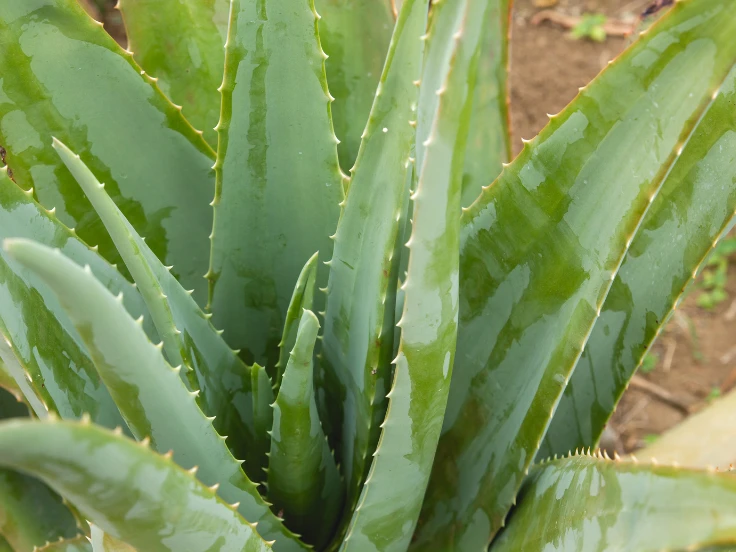
To extract aloe gel, select mature outer leaves, cut at the base, let the yellow latex drain, and scoop out the clear gel. This gel soothes burns, moisturizes skin, and is useful in homemade cosmetics (Medical News Today). Always use a clean knife to avoid contamination. Regular harvesting encourages new growth and keeps the plant healthy.
Common Problems and Solutions
-
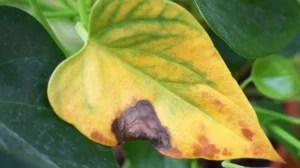
Brown leaf tips: Often due to low humidity or underwatering. Therefore, increase moisture levels slightly and maintain stable humidity.
-
Soft, mushy leaves: Sign of overwatering. Consequently, reduce watering and ensure proper soil drainage.
-
Slow growth: Insufficient light can slow growth. Similarly, supplementing with grow lights can enhance development.
FAQs About Big Aloe Vera Plants
Q1: How can I encourage my aloe vera to grow bigger?
Provide plenty of sunlight, well-draining soil, and proper watering. Additionally, repotting every few years allows the roots more space, promoting larger leaf growth.
Q2: Can I grow aloe vera from seeds?
Yes, but it is a slow process. In contrast, growing from pups or offsets is faster and more reliable for healthy plants.
Q3: How often should I prune my aloe vera?
Remove dead or damaged leaves as needed. This practice encourages new growth and prevents disease.
Q4: Is aloe vera beneficial for skin care?
Absolutely! Aloe gel soothes burns, moisturizes skin, and has anti-inflammatory properties. Nevertheless, always perform a patch test first.
Q5: Can aloe vera survive indoors with limited sunlight?
Aloe vera can survive in indirect light but may grow slower and produce smaller leaves. Therefore, supplemental grow lights are recommended.
Conclusion
The big aloe vera plant is a resilient, beautiful, and functional succulent that enriches any living space. By understanding its lighting, watering, soil, and propagation needs, gardeners can cultivate a thriving plant that offers both aesthetic and health benefits. For instance, if you notice your aloe turning brown, knowing the right care strategies can help, as discussed in our detailed guide on why aloe vera plants go brown.
Moreover, with consistent care and attention, your aloe vera will grow into a robust, vibrant plant, providing gel for skincare, air purification, and natural beauty for years to come. Consequently, adopting these expert tips ensures long-term success in growing the big aloe vera plant.