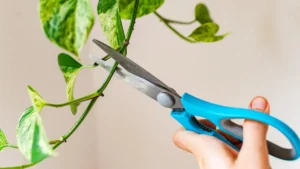
Indoor plants look easy to care for, but soil quality matters a lot. Using the best potting soil for indoor plants helps plants grow healthy roots and stay strong. If you enjoy giving new life to your plants, learning a few tricks about how to propagate plants can be really fun.
Many people think garden soil works indoors, but it usually doesn’t. Indoor plants need a balanced indoor plant soil mix that holds nutrients and drains excess water.
Good houseplant potting soils are light, airy, and well-draining. This prevents root rot and keeps plants healthy.
In this guide, we’ll look at how to best potting soil for indoor plants, the key ingredients to look for, and how to create the right soil mix for different houseplants.
Why Soil Quality Matters for Indoor Plants
In contrast to the outdoor plants, which enjoy the natural ecosystem, indoor plants solely rely on the kind of potting mix that you offer them. The appropriate soil forms a supportive system to the roots, whereby the roots take in water, oxygen, and nutrients.
The good houseplant potting soils have three main advantages:
- Drainage – stops the water stagnation around the roots.
- Aeration– enables oxygen to access the root system.
- Nutrient retention- stores nutrients that plants require to grow.
When the soil is too compact or heavy, it covers the airflow and encloses moisture. This may lead to root rot, which is one of the most prevalent issues of indoor plants.
What Makes the Best Potting Soil for Indoor Plants?
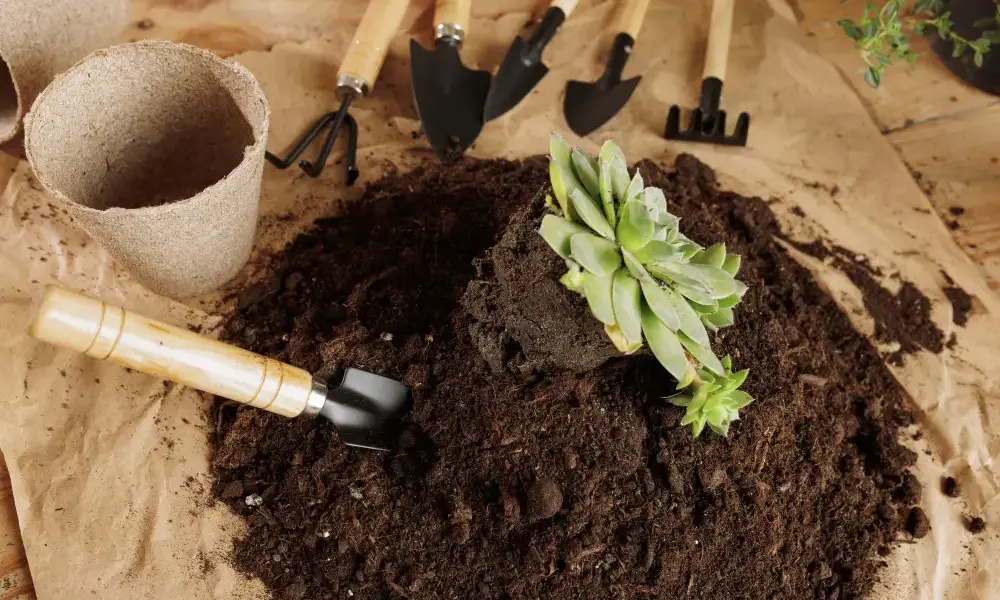
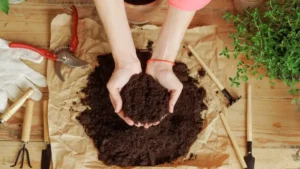
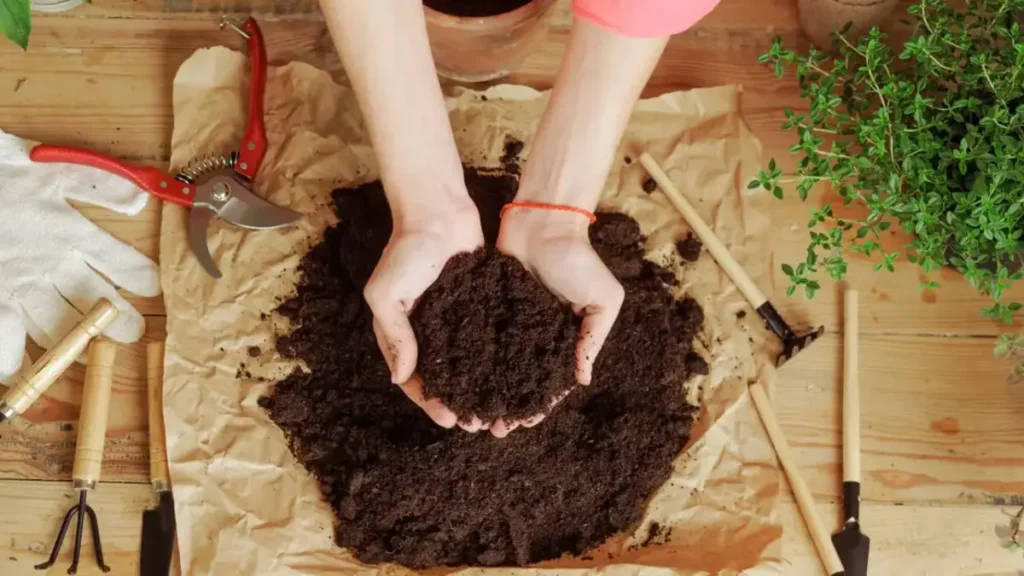
Dirt is not the best potting soil to have on indoor plants. Rather, it is a perfectly balanced combination of organic and inorganic components that are aimed at forming the optimal environment of the plant roots.
The good indoor plant mix soils are usually a combination of:
- Moisture retention: Peat moss or coco coir.
- Perlites or pumice to enhance drainage.
- Organic nutrients in the form of compost.
- Wood or bark chips to enhance air circulation.
The mixture produces sufficiently moist soil, and the rest of the water is drained. When it comes time to refresh your pots, knowing a bit about how to repot a plant can make the process much smoother.
Key Ingredients in Houseplant Potting Soils
Knowing the ingredients in soil will help you match the mix to the right food for your plants.
Peat Moss or Coco Coir
These materials assist in the retention of moisture without causing the soil to be excessively dense. They also make the soil porous, and roots can easily penetrate through it.
Perlite
Perlite is a light volcanic matter that enhances drainage and aeration. It does not allow soil to be compacted.
Vermiculite
Vermiculite holds moisture and nutrients, such that it assists plants to absorb what they require in the long run.
Pine Bark
Small pieces of bark form holes in the soil, which enhance the flow of oxygen to the roots.
All these elements provide a balanced soil mixture for an indoor plant. Some plants don’t get much sunlight, so pairing the right soil with low light indoor plants helps them stay happy and healthy.
How Drainage Affects Indoor Plant Health
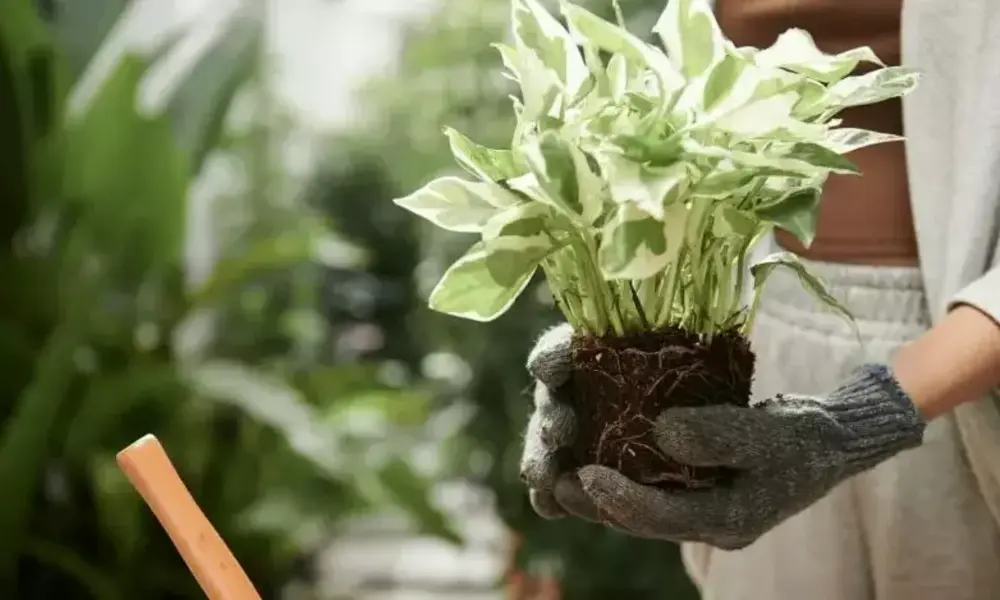
Among the most crucial considerations that should be made in determining the best potting soil to use with indoor plants is drainage.
In case the soil contains an excessive amount of water, roots may die and start to rot. This problem is avoided through good drainage that helps additional water to drain.
Indications that your soil drains well are:
- The drainage holes release water once the water is sprayed.
- Drying of the soil between watering durations.
- Whites roots are healthy rather than dark or mushy ones.
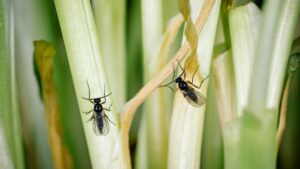
Increasing the drainage of thick houseplant potting soils can be achieved by adding perlite or rough sand to the soil. Sometimes drainage isn’t enough on its own, and tiny pests like fungus gnats can appear, but knowing how to get rid of fungus gnats makes it much easier to keep your plants healthy.
Different Plants Need Different Soil Mixes
The same soil does not suit all the indoor plants. There are plants that have higher drainage needs and others that like the soil to be moisture-retentive.
Here are a few examples.
Tropical Plants
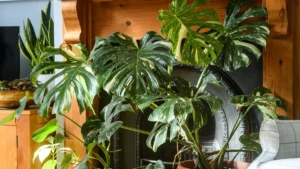
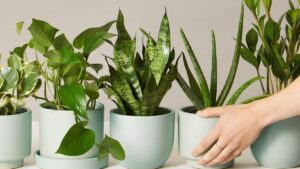
Indoor plants such as pothos, monstera, and philodendron like loose potting soil because it can keep water but drain effectively.
A common mix includes:
- Peat moss
- Perlite
- Pine bark
Succulents and Cacti
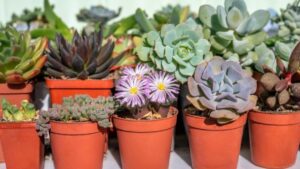
Succulents need extremely well-draining soil to avoid root rot.
A good mix includes:
- Cactus soil
- Coarse sand
- Perlite
Succulents are amazing because they’re low maintenance, and a few tips on how to take care of succulents will make them thrive even more.
Ferns and Humid-Loving Plants

The ferns like the soil that is kept moist.
A typical mix includes:
- Coco coir
- Compost
- Vermiculite
The selection of the appropriate houseplant potting soil per type of the plant type makes it stronger and healthier.
Signs Your Indoor Plant Soil Needs Improvement
In other instances, it is possible to see that the soil used by plants is not the best one.
Be on the lookout for the following danger signs:
Stagnant water on the surface of the soil.
- Soil stays wet for too long
- Slow plant growth
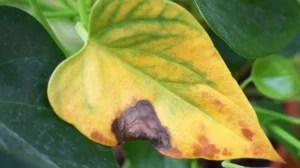
- Yellowing leaves
- Roots growing out of the pot.
Such symptoms usually indicate that the potting mix is not well-drained or does not contain the appropriate nutrients. Adding some indoor purifier plants around your space can improve the air quality and give your soil a little extra boost.
Plant health can also be enhanced very easily through repotting using the best potting soil for indoor plants.
Common Mistakes with Houseplant Potting Soils

The owners of the plants also make minor errors that influence the performance of the soil.
Avoid these common problems:
- Indoor soil applies to outdoor garden soil.
- Plants are planted in heavy soil and overwatered.
- Disregard of drainage holes in pots.
- Planting in damaged, compacted soil.
Most of the indoor plant care challenges are more than often solved by improving soil quality. Even large houseplants, which can seem intimidating, benefit a lot from the right soil mix.
Conclusion
Selecting the most suitable potting soil to grow indoor plants is among the critical processes for success when taking care of plants. The combination of soil mix in indoor plants gives an optimum environment to the plant to develop healthy roots, continuous growth, and adequate drainage.
Your house plants will bloom healthier, greener, and even brighter when in the proper soil- they will make your house a success- an indoor garden. Once you have the basics down, knowing how to grow plants indoors can turn any space into a cozy, green sanctuary.
FAQs
What is the best potting soil for indoor plants?
The best potting soil for indoor plants is light, well-draining, and rich in organic matter like peat moss, perlite, and compost.
Can I use garden soil for indoor plants?
Garden soil is usually too heavy for pots and may cause drainage issues. It’s better to use specially designed houseplant potting soils.
What should an indoor plant soil mix contain?
A good indoor plant soil mix usually contains peat moss or coco coir, perlite for drainage, and organic matter for nutrients.
How often should indoor plant soil be replaced?
Most houseplant potting soils should be refreshed or replaced every 1–2 years to maintain nutrients and proper structure.
Why is drainage important in potting soil?
Proper drainage prevents water from staying around the roots too long, reducing the risk of root rot.
Can I make my own potting soil for indoor plants?
Yes, you can mix peat moss or coco coir, perlite, and compost to create a balanced indoor plant soil mix.
Which plants need special potting soil?
Plants like succulents, orchids, and cacti often require specialized houseplant potting soils with extra drainage.
How do I know if my potting soil is bad?
If the soil stays wet too long, smells bad, or becomes very compact, it may be time to replace it.
Is potting soil the same as potting mix?
Potting mix is usually lighter and designed for containers, while potting soil may contain heavier garden soil.
Do indoor plants need fertilizer in potting soil?
Yes, nutrients in potting soil eventually run out, so adding fertilizer occasionally helps plants grow well.
Why does my indoor plant soil stay wet too long?
This usually happens when the soil mix lacks proper drainage materials like perlite or bark.
Can indoor plants grow without potting soil?
Some plants can grow in water or hydroponic systems, but most thrive best in a quality indoor plant soil mix.
How can I improve drainage in houseplant potting soils?
Adding perlite, pumice, or coarse sand to the mix can improve drainage and keep roots healthy.