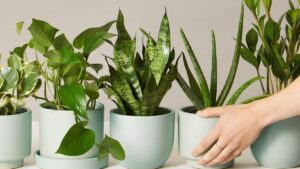
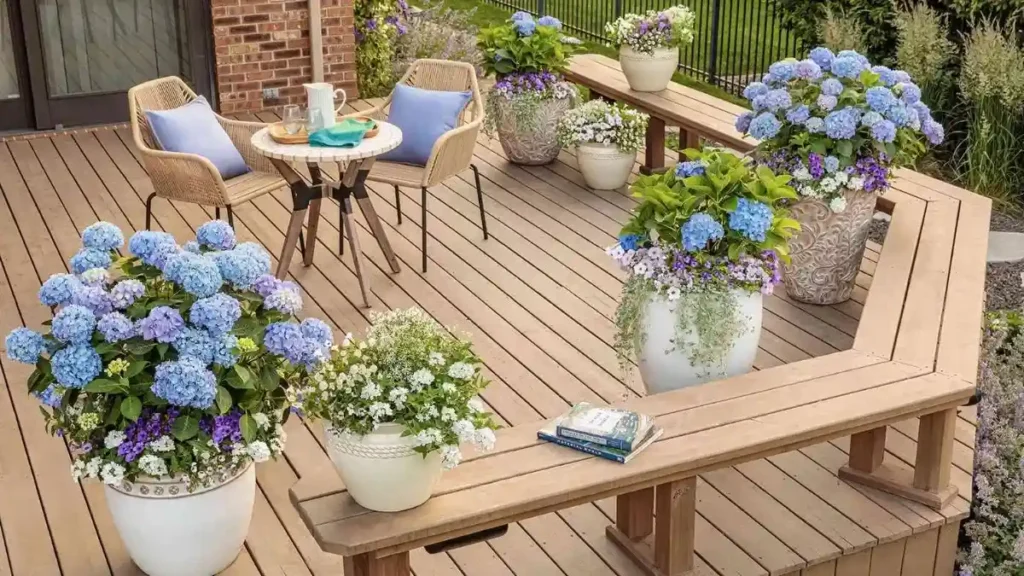
Outdoor plants in pots ideas are a fantastic way to breathe life into your outdoor spaces. Whether you have a small balcony or a large patio, containers allow you to create a beautiful garden that suits your style. The best part? You don’t need a sprawling yard to enjoy the benefits of potted plants just a few thoughtfully chosen plants in the right containers can completely transform your space.
In this guide, we’ll explore outdoor plants in pots ideas that cater to every need. From large outdoor plants for pots that make a statement to low-maintenance container plants, we’ve got you covered. We’ll also delve into design tips, plant selection, and seasonal care to ensure your outdoor garden thrives throughout the year.
Plant Selection: Outdoor Plants in Pots Ideas
Choosing the right plants for your outdoor pots is essential to creating a thriving garden. Consider your space’s unique needs, including the amount of sunlight it receives and how much care you’re able to provide. With the right selection, you can create a low-maintenance garden, a vibrant flower display, or even an edible container garden.
Low-Maintenance Outdoor Plants in Pots Ideas
For those who want an easygoing outdoor garden, low-maintenance plants are the perfect choice. These plants require minimal attention and are perfect for busy gardeners or beginners. Here are some great options:
-
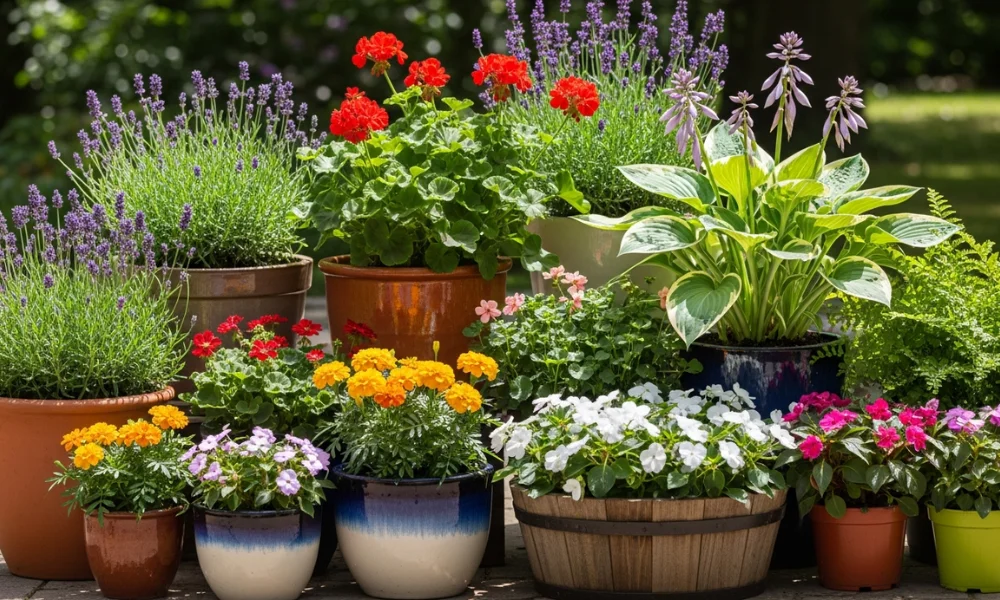
Lavender: It thrives in full sun and needs minimal care. It’s also drought-tolerant.
-
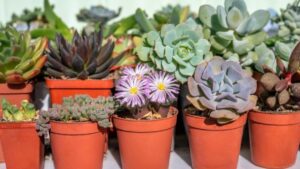
Succulents: These plants require little water. They come in many shapes and sizes.
-
Hostas: Perfect for shady spots, they’re low-maintenance and have lush, green foliage.
-
Geraniums: Hardy and vibrant, geraniums can handle various outdoor conditions.
By choosing low-maintenance plants, you can enjoy a beautiful garden without spending too much time on upkeep.
Container and Layout Design Tips
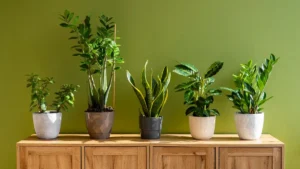
After selecting the right plants, it’s time to think about the design of your containers. Choosing the right pots and arranging them thoughtfully can elevate your garden’s appearance. Pay attention to size, material, and placement to ensure your plants thrive and your space looks cohesive.
Choosing the Right Container Size and Material
Start by selecting containers that match your plants’ needs. Larger pots work well for deep-rooted plants, while smaller pots are best for plants with shallow roots. This ensures that each plant has enough room to grow.
Material is also important. Terra cotta pots have a charming, rustic look, but they dry out quickly. Plastic pots, on the other hand, are lightweight and retain moisture, making them a great option for plants that need consistent hydration.
Importance of Drainage for Healthy Plants
Drainage is crucial for preventing root rot. Always opt for pots with drainage holes to allow excess water to escape. Without proper drainage, water can accumulate at the bottom of the pot, leading to root rot.
If your containers don’t have drainage holes, you can add a layer of pebbles at the bottom to improve drainage. This helps water flow freely, preventing the soil from becoming waterlogged.
Arranging Your Containers for Visual Appeal
When arranging your pots, think about height variation. Place taller plants in the back and smaller ones in the front for a balanced, layered effect. Grouping pots of different sizes adds visual interest and depth to your space.
Consider the sunlight needs of each plant. Sun-loving plants should be placed where they’ll get the most light, while shade-loving plants should be positioned in more sheltered areas. This ensures that all your plants get the right amount of sun.
Creating Focal Points for Added Drama
A focal point is an excellent way to add drama and interest to your garden. Choose a large plant with striking foliage or flowers to serve as the centerpiece. Position it where it can be seen from multiple angles to draw attention.
Around your focal point, use smaller plants to complement the display. Choose plants with different textures or colors to create a dynamic, well-balanced look. A strong focal point will tie the whole garden together and create a visually appealing outdoor space.
Seasonal Outdoor Plants in Pots Ideas
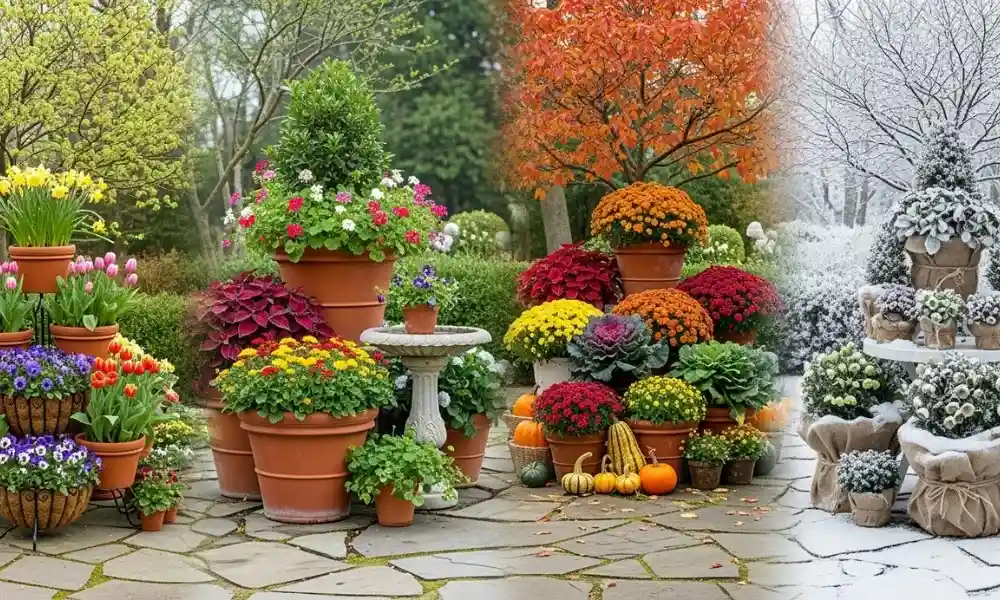
Proper seasonal care is essential for keeping your container plants healthy throughout the year. Understanding the needs of your plants in each season ensures they thrive, whether you’re dealing with summer heat or winter cold. Here’s how to care for your garden all year long.
Spring: Preparing for New Growth
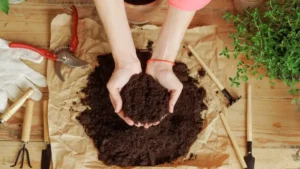
Spring is the perfect time to refresh your container garden. Start by cleaning out your pots and replacing the old soil. This will give your new plants a healthy foundation to grow. In spring, many plants begin their active growing phase, so choose varieties that thrive in mild temperatures, such as pansies, petunias, and pansies.
During spring, it’s also important to start fertilizing your container plants. Use a slow-release fertilizer to support new growth. As temperatures warm, check soil moisture frequently, as containers tend to dry out faster than ground gardens.
Summer: Managing Heat and Watering Needs
Summer can be tough on your container garden. The heat can cause plants to dry out quickly, so make sure to water them consistently. Try to water early in the morning or late in the evening to minimize evaporation and help the plants soak up the moisture.
During hot weather, consider adding a layer of mulch to the top of the soil to retain moisture and regulate temperature. Prune plants regularly to remove dead leaves or flowers and encourage new growth. This keeps your garden fresh and vibrant throughout the summer months.
Fall: Transitioning to Cooler Months
As the weather cools, fall is the perfect time to prepare your plants for the winter. Replace any spent plants with hardier varieties, such as chrysanthemums or ornamental kale, that can withstand lower temperatures. Reduce watering as the weather cools, but be sure to keep your plants hydrated as they adjust.
For plants that aren’t frost-tolerant, it’s time to move them indoors or provide them with extra protection, such as frost covers or by moving them to a sheltered area. Fall is also a great time to add organic compost to your container soil to boost nutrients for the upcoming winter.
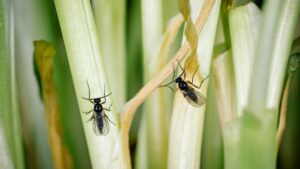
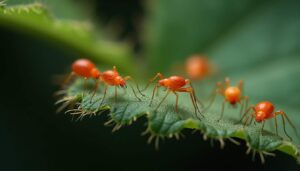
For extra pest protection before bringing containers indoors, consider using neem oil this guide on neem oil for scale insects explains how to treat common fall pests safely.
Winter: Protecting Your Garden from the Cold
Winter poses a challenge for container gardens, especially in colder climates. To protect your plants, consider bringing them indoors or to a more sheltered spot. If you must leave them outside, insulate your pots with burlap or foam to protect the roots from freezing temperatures.
Water your plants sparingly during winter. Most plants are dormant and need less water during the cold months. Ensure your containers don’t become waterlogged, and only water when the soil feels dry. Be especially mindful of evergreen plants, which may still require occasional watering.
Conclusion: Outdoor Plants in Pots Ideas
Outdoor plants in pots are a wonderful way to enhance your garden, no matter the season. By choosing the right plants, arranging them thoughtfully, and providing seasonal care, you can create a stunning outdoor space that reflects your style. Whether you opt for large outdoor plants for pots that make a statement or low-maintenance container plants, your garden will thrive with the proper care.
Moreover, keeping your potted plants healthy also means staying ahead of common garden pests. If you’re noticing insects around your containers, this guide on neem oil for bed bugs can help you understand how neem oil works and what steps to take next.
With these outdoor plants in pots ideas, you can transform any outdoor space into a vibrant garden, year-round. Start with a plan, choose your plants carefully, and watch your garden flourish through every season.
FAQs
What are the best outdoor plants in pots ideas for full sun?
Sun-loving plants like lavender, geraniums, and succulents thrive in full sun and make great container plants.
Can I grow vegetables in pots outdoors?
Yes! Vegetables like tomatoes, peppers, and herbs grow well in pots. Just ensure you choose large enough containers for the roots.
How often should I water my outdoor plants in pots?
Water outdoor plants regularly, especially in hot weather. Check soil moisture daily, and water when the top feels dry.
Can I leave my potted plants outside during winter?
In mild climates, you can leave hardy plants outside. However, move frost-sensitive plants indoors or provide extra protection.
How do I prevent my outdoor container plants from getting root rot?
Ensure your pots have drainage holes, use well-draining soil, thus avoid overwatering to prevent root rot.