Performing an aloe vera plant harvest is a crucial process for gardeners and plant enthusiasts who want to enjoy the benefits of aloe gel. Proper harvesting ensures maximum gel yield while keeping the plant healthy and productive.
Whether you are using aloe vera for skincare, hair care, or medicinal purposes, understanding the right techniques for aloe vera plant harvest is essential. This guide will provide a complete overview of harvesting, gel extraction, post-harvest care, and tips for maintaining sustainable aloe vera plants.
Understanding Aloe Vera Growth
Aloe Vera Growth Cycle
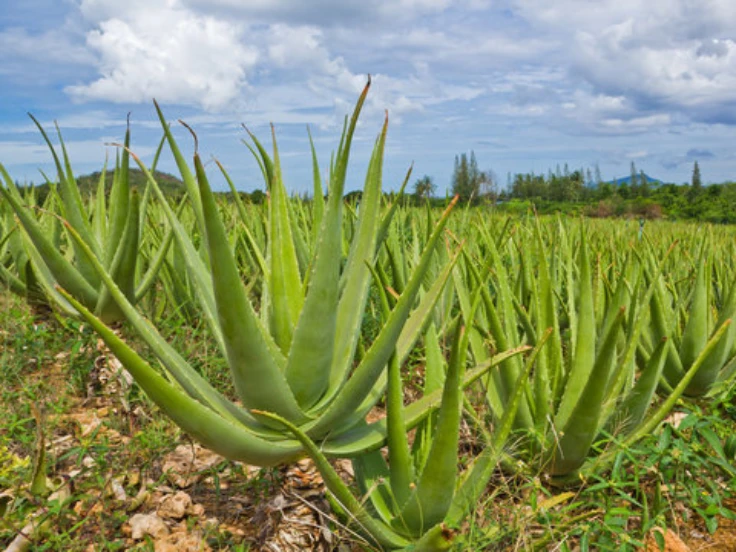
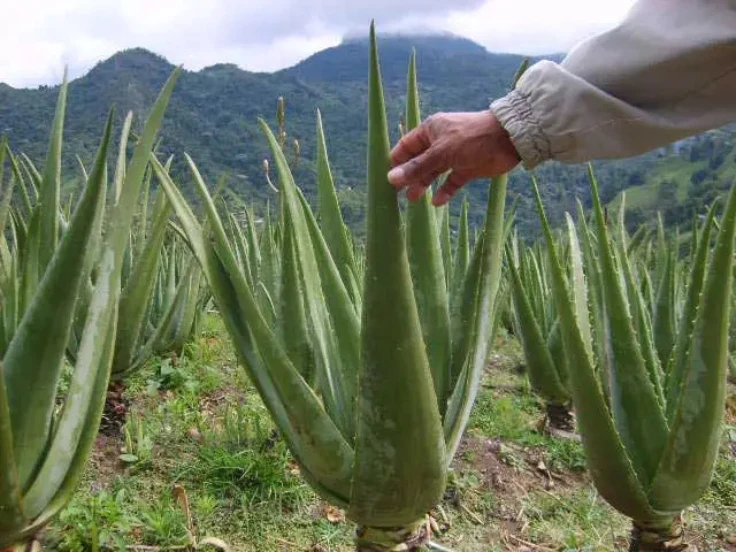
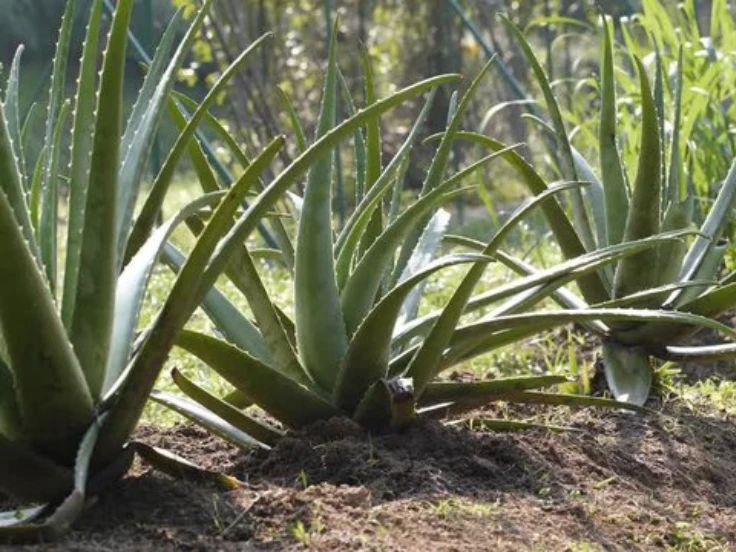
Aloe vera is a succulent plant that grows in a rosette formation. Additionally, it produces new leaves from the center while older leaves gradually die off. Therefore, to achieve a successful aloe vera plant harvest, it is important to understand this growth cycle.
Moreover, harvesting only mature, healthy leaves ensures that the plant continues to thrive. However, young leaves contain less gel and should not be harvested. For more detailed guidance on keeping your aloe vera plant healthy, check out our complete guide on how to care for a medicinal aloe plant.
Determining Plant Maturity Before Aloe Vera Plant Harvest
Before performing an aloe vera plant harvest, check that the plant is mature enough. Aloe vera plants that are at least 2 to 3 years old are ideal, as they produce thick, fleshy leaves with high gel content. Mature plants can recover more easily from leaf removal and provide a consistent supply of gel over time.
Best Time and Techniques for Aloe Vera Plant Harvest
Optimal Harvesting Season
The best period for an aloe vera plant harvest is during the warmer months when the plant is actively growing. Avoid harvesting in winter or during dormant periods, as this can stress the plant and reduce gel quality. Warmer temperatures ensure leaves are hydrated and nutrient-rich, which contributes to better gel extraction.
Ideal Time of Day
Harvesting in the morning is recommended because overnight, the plant replenishes water and nutrients. Consequently, morning harvesting ensures that the gel is concentrated, nutrient-dense, and ready for use. Furthermore, this timing helps reduce stress on the plant and supports healthy regrowth.
Preparing Tools and Leaves for Aloe Vera Plant Harvest
Essential Tools
To ensure a safe and effective aloe vera plant harvest, gather the following tools:
-
Sharp, clean knife or garden shears
-
Gloves (optional, for protection from the sap)
-
Cutting board or clean surface
Sterilized tools prevent infections and promote healthy plant regrowth.
Choosing the Right Leaves
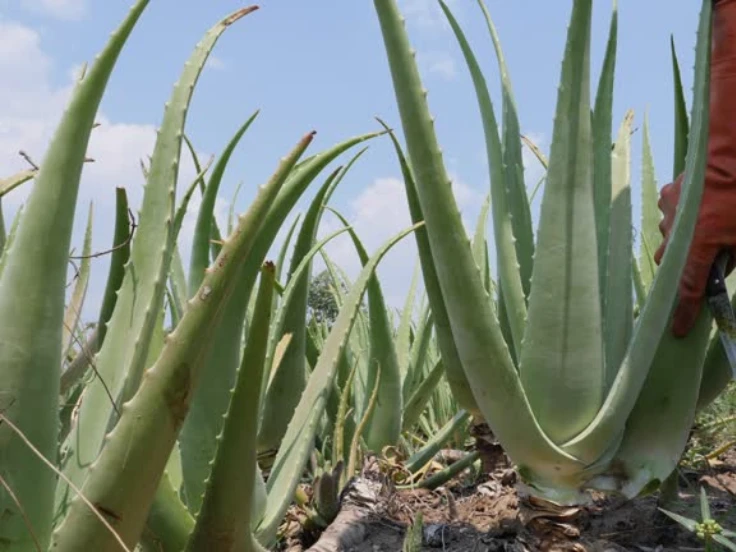
Select thick, mature outer leaves for harvesting. These leaves contain the most gel. Avoid harvesting too many leaves at once; leaving 6–8 leaves ensures the plant remains healthy and productive.
Step-by-Step Aloe Vera Plant Harvesting Process
-
Cutting the Leaf
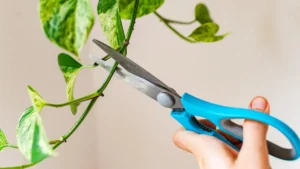
Use a sharp knife or shears to cut the leaf at its base, near the stem. Avoid jagged cuts, which can harm the plant and invite infections. -
Draining the Sap
Place the cut leaf upright in a container for 10–15 minutes to allow the yellow sap (aloin) to drain. Aloin can irritate the skin and should not be consumed. -
Cleaning the Leaf
Rinse the leaf under cool water to remove residual sap and dirt. Clean leaves ensure that the gel extracted during your aloe vera plant harvest is safe and pure. -
Harvest Frequency
Conduct harvesting every few months, depending on the plant’s growth rate. Avoid excessive harvesting to prevent plant stress.
Extracting and Storing Aloe Vera Gel from Your Harvest
How to Remove Gel Safely During Aloe Vera Plant Harvest
-
Trim the Edges
Cut off serrated leaf edges using a knife to make gel extraction easier. -
Peel the Skin
Slice along one side of the leaf to peel back the skin and expose the clear gel. -
Scoop the Gel
Use a spoon or knife to remove the translucent gel for use in skin care, hair care, or health applications.
Gel Storage
-
Refrigeration: Store the gel in an airtight container for up to one week.
-
Freezing: Freeze gel in ice cube trays for long-term storage. Frozen gel can be used conveniently for smoothies, topical treatments, or other purposes.
Tips for Preserving Gel Quality
Natural preservatives like vitamin C or E can extend shelf life, but ensure they are safe for your intended use.
Post-Harvest Care for Aloe Vera
Watering
After an aloe vera plant harvest, reduce watering for a short period to allow the plant to recover. Overwatering can cause root rot, especially after leaf removal. Ensure the soil is dry before resuming normal watering.
Sunlight
Place the plant in bright, indirect sunlight. Too much direct sunlight after harvesting can stress the plant, while insufficient light slows regrowth.
Fertilization
Apply a balanced, water-soluble fertilizer during the growing season. Fertilization encourages new leaf growth and supports future aloe vera plant harvests.
Benefits of Proper Aloe Vera Plant Harvesting
-
High-Quality Gel: Harvesting mature leaves ensures maximum nutrient concentration.
-
Healthy Plant: Proper harvesting prevents plant stress and promotes continuous growth.
-
Safe Use: Draining aloin and cleaning leaves makes the gel safe for topical or internal use.
-
Sustainable Practices: Correct harvesting ensures long-term productivity without damaging the plant.
Frequently Asked Questions
Q1: Can I harvest all leaves at once?
No. Leave at least 6–8 leaves to maintain plant health and encourage regrowth.
Q2: How do I know if a leaf is ready to harvest?
Mature leaves are thick, fleshy, and on the outer parts of the plant. Avoid smaller inner leaves that contain less gel.
Q3: Is aloe vera gel safe to consume?
Yes, once aloin is removed. It can be added to drinks or smoothies, but consult a healthcare professional for regular consumption.
Q4: How do I propagate aloe vera?
Separate pups from the parent plant and replant in well-draining soil. See Better Homes & Gardens guide for detailed instructions.
Q5: How often should I harvest aloe vera?
Harvest every few months based on growth, avoiding over-harvesting to prevent stress.
Tips for Maximizing Gel Yield
-
Monitor Growth: Check leaves regularly for maturity.
-
Maintain Soil Health: Well-draining soil prevents root rot and supports robust leaf development.
-
Avoid Stress: Keep light, temperature, and watering consistent. Stress reduces gel production.
-
Rotate Leaves: Harvest from different sections for balanced growth.
Conclusion: Mastering Aloe Vera Plant Harvest
A successful aloe vera plant harvest requires, first of all, understanding the plant’s growth; moreover, selecting mature leaves; and in addition, using proper harvesting and gel extraction techniques. Afterward, post-harvest care, including watering, sunlight management, and fertilization, ensures long-term plant health and sustainable gel production.
Following these best practices ensures maximum gel yield and a healthy aloe vera plant. Regular watering and proper sunlight also boost plant vitality. Monitor leaf maturity and overall condition, and avoid over-harvesting to prevent stress. For more tips, see our guide on how to care for an aloe vera plant.
As a result, careful attention leads to a sustainable harvest. Finally, for guidance, visit MasterClass’s Aloe Vera Guide or Better Homes & Gardens Aloe Vera Propagation Guide for tips on growing and harvesting aloe vera successfully.