The aloe vera plant blooming is a fascinating process that excites gardeners and succulent enthusiasts alike. While most people grow aloe vera for its medicinal benefits, watching it bloom adds an extraordinary visual and emotional appeal. In this comprehensive guide, we will explore every aspect of aloe vera plant blooming—from environmental conditions to care techniques and troubleshooting common problems.
Blooming is a natural sign of maturity, health, and proper care. By understanding the factors influencing aloe vera flowering, you can ensure your plant thrives and produces stunning flower spikes.
Understanding Aloe Vera and Its Blooming Cycle
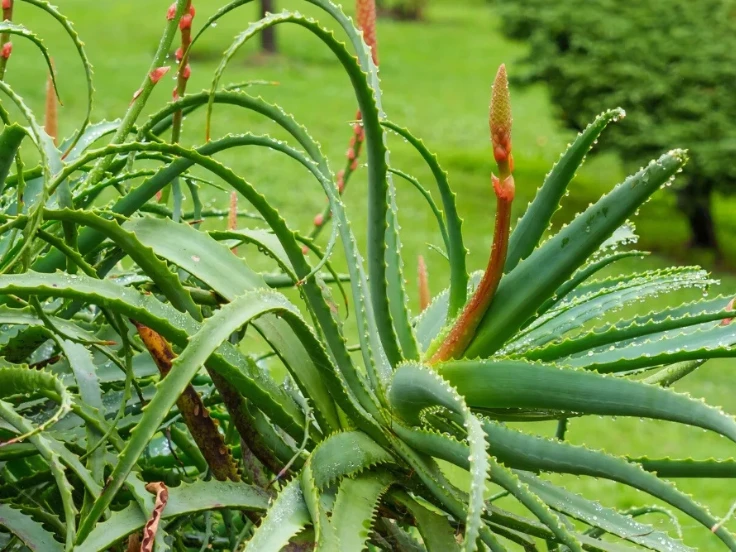
Aloe vera, scientifically known as Aloe barbadensis miller, is a succulent plant that stores water in its thick, fleshy leaves; therefore, it can survive in arid climates. Unlike typical houseplants, aloe vera doesn’t bloom immediately. However, flowering usually occurs once the plant reaches 3–4 years of age, and additionally, factors such as sunlight, soil, and watering influence bloom timing.
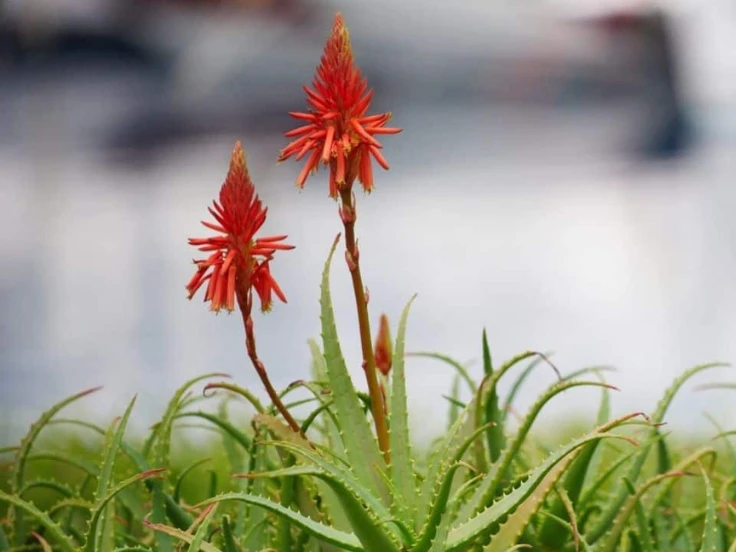
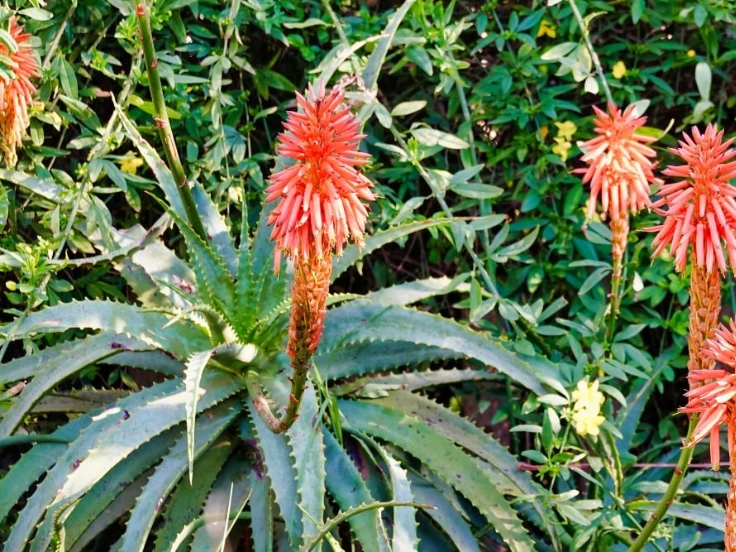
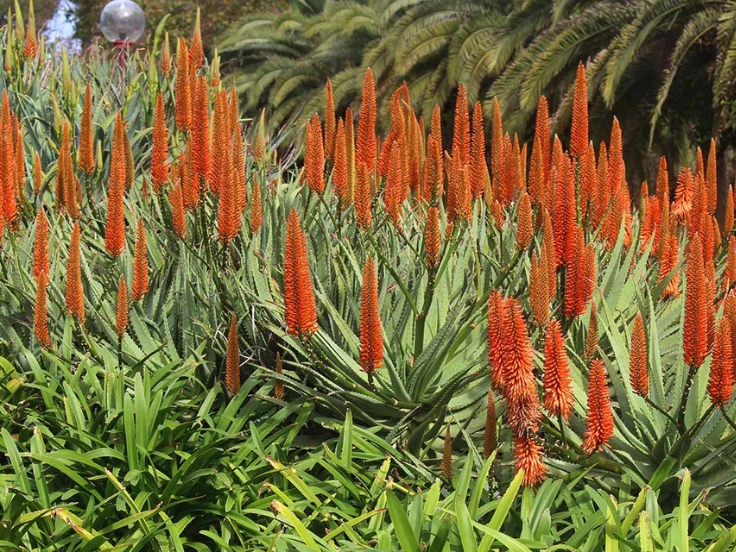
Aloe vera produces tall flower spikes with tubular flowers in shades of yellow, orange, or red. The bloom period generally falls between late winter and early spring, but proper care, including techniques like pruning your aloe vera plant, can encourage flowering at other times.
Additionally, mild stress techniques, repotting, and indoor care adjustments increase flowering. Blooms enhance the plant’s beauty and signal health. Proper sunlight and care are key to thriving plants. For optimal light, see does aloe vera need sunlight.
Ideal Conditions for Aloe Vera Plant Blooming
1. Sunlight Requirements
Sunlight is the most critical factor in promoting aloe vera plant blooming. These plants need bright, indirect sunlight, although they can tolerate some direct sunlight.
-
Outdoor Placement: Place aloe vera in a location that receives morning sunlight, avoiding harsh afternoon rays.
-
Indoor Placement: South or west-facing windows are ideal. Supplement with LED grow lights during winter months.
Moreover, lack of adequate sunlight is a primary reason why aloe vera may not bloom; however, with proper care and, consequently, sufficient light, flowering can be encouraged even in otherwise healthy plants.
2. Soil and Drainage
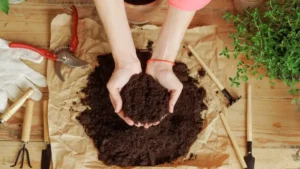
Proper soil composition ensures root health and encourages flowering. Aloe vera thrives in sandy, well-draining soil.
-
Soil Mix: A combination of cactus or succulent soil with sand or perlite improves aeration and drainage.
-
Avoid: Heavy, water-retentive soil can cause root rot, preventing the plant from flowering.
Additionally, using a slightly alkaline soil (pH 6–8) can further enhance bloom potential.
3. Watering Techniques
Watering plays a dual role in aloe vera care: promoting growth while encouraging flowers.
-
Spring & Summer: Water deeply but allow the top 2 inches of soil to dry before watering again.
-
Fall & Winter: Reduce watering to allow the plant to rest. This mild stress can trigger blooming.
Consistent yet moderate watering is essential. Overwatering leads to lush leaves but suppresses flower spikes, while under-watering can weaken the plant.
4. Fertilization Tips
Feeding aloe vera correctly promotes health and flowering.
-
Type: Use a low-nitrogen, balanced fertilizer suitable for succulents.
-
Frequency: Apply once every 4–6 weeks during active growth periods.
Excessive nitrogen encourages leaf growth at the expense of flowers. Controlled fertilization supports both foliage and blooms.
Encouraging Aloe Vera to Bloom Indoors
Indoor aloe vera may need additional care to achieve blooms. By creating optimal conditions, you can mimic the plant’s natural habitat.
1. Repotting & Pot Size
Choose a pot slightly larger than the root system. A cramped root system may stress the plant, delaying blooming.
2. Temperature Management
Ideal temperatures range from 55°F to 80°F (13°C to 27°C). Cooler nighttime temperatures can simulate desert conditions, encouraging flower production.
3. Controlled Stress Techniques
Interestingly, mild stress can trigger blooms. Reduce watering slightly or expose the plant to slightly cooler temperatures at night. This mimics natural desert stress, signaling the plant to reproduce.
4. Flowering Indicators
Before blooms appear, aloe vera may show elongated leaves and a slight stretch toward light sources. Once flower buds emerge, a tall spike grows from the center of the plant.
Recognizing Aloe Vera Flowers
Aloe vera flowers are tubular and grow in clusters along tall spikes, usually 2–3 feet high.
-
Colors: Yellow, orange, or red depending on the variety.
-
Pollination: Flowers attract bees, hummingbirds, and other pollinators.
-
Significance: Flowering is a sign of maturity and optimal plant health.
Additionally, observing blooms provides insight into the plant’s care success and environmental adaptation.
Common Problems Preventing Aloe Vera Plant Blooming
Even with proper care, aloe vera may resist flowering. Understanding common challenges can improve bloom chances:
-
Immaturity: Plants younger than 3 years rarely bloom.
-
Insufficient Light: Sunlight deficiency is the leading cause of non-blooming.
-
Overwatering: Excess water supports foliage but prevents flowering.
-
Nutrient Imbalance: High nitrogen levels promote leaves over flowers.
Moreover, diseases or pests such as mealybugs can weaken the plant and delay blooms. Regular monitoring ensures plant health and increases flowering likelihood.
Propagation Tips to Encourage Aloe Vera Blooming
Propagation not only produces new plants but may also encourage blooming in mature specimens.
-
Offsets (Pups): Remove and plant pups in well-draining soil. Mature mother plants may produce more flowers after pup removal.
-
Leaf Cuttings: While less effective for blooms, cuttings can ensure overall plant vigor.
Proper propagation balances root space and plant energy, contributing indirectly to flower production.
Benefits of Aloe Vera Plant Blooming
-
Aesthetic Appeal: Blooms add a vibrant splash of color to homes and gardens.
-
Pollinator Attraction: Flowers draw bees and hummingbirds, supporting the ecosystem.
-
Maturity Indicator: Blooming signals that the plant has reached optimal health.
Additionally, witnessing blooms provides a sense of achievement for plant enthusiasts.
FAQs
Q1: How long does it take for aloe vera to bloom?
A: Aloe vera typically blooms at 3–4 years of age. Proper sunlight, soil, and watering influence bloom timing.
Q2: Can aloe vera bloom indoors?
A: Yes, with bright light, well-draining soil, and controlled watering, indoor plants can produce flower spikes.
Q3: Do aloe vera flowers have medicinal benefits?
A: Mostly ornamental, aloe flowers are not widely used medicinally, but they can attract pollinators to your garden.
Q4: How often does aloe vera bloom?
A: Most aloe vera plants bloom once a year, generally during late winter or early spring.
Q5: How can I encourage my aloe vera to bloom faster?
A: Ensure sufficient sunlight, moderate watering, proper fertilizer, slight seasonal stress, and healthy soil to trigger flowering.
Conclusion: Achieving Aloe Vera Plant Blooming Success
The aloe vera plant blooming is a rewarding experience because it reflects patience, care, and understanding of the plant’s growth patterns. Firstly, providing adequate sunlight, well-draining soil, controlled watering, and proper nutrients helps gardeners encourage stunning flower spikes.
Additionally, mild stress techniques, repotting, and indoor care adjustments increase flowering. Blooms enhance the plant’s beauty and signal health. Proper sunlight and care are key to thriving plants. For optimal light, see does aloe vera need sunlight.
Therefore, regular monitoring and proper care are essential. Also, observing blooms provides a sense of accomplishment. Similarly, attracting pollinators benefits the ecosystem. Finally, for more expert tips, you can visit The Spruce for comprehensive succulent and aloe vera guides.