If you’re looking to add a touch of nature to your home without the hassle of traditional gardening, air plant terrarium ideas are an excellent choice. These plants require minimal maintenance but offer big rewards in terms of beauty and versatility.
Whether you’re a plant enthusiast or just starting out, creating your own air plant terrarium can be a fun, easy, and rewarding experience. In this guide, we’ll walk you through everything you need to know to create a stunning air plant display, from choosing the right containers to keeping your plants healthy and thriving.
Choosing the Best Air Plant Terrarium Containers
When it comes to air plant terrariums, the container is just as important as the plants themselves. Since air plants don’t require soil, they rely on good airflow to thrive.
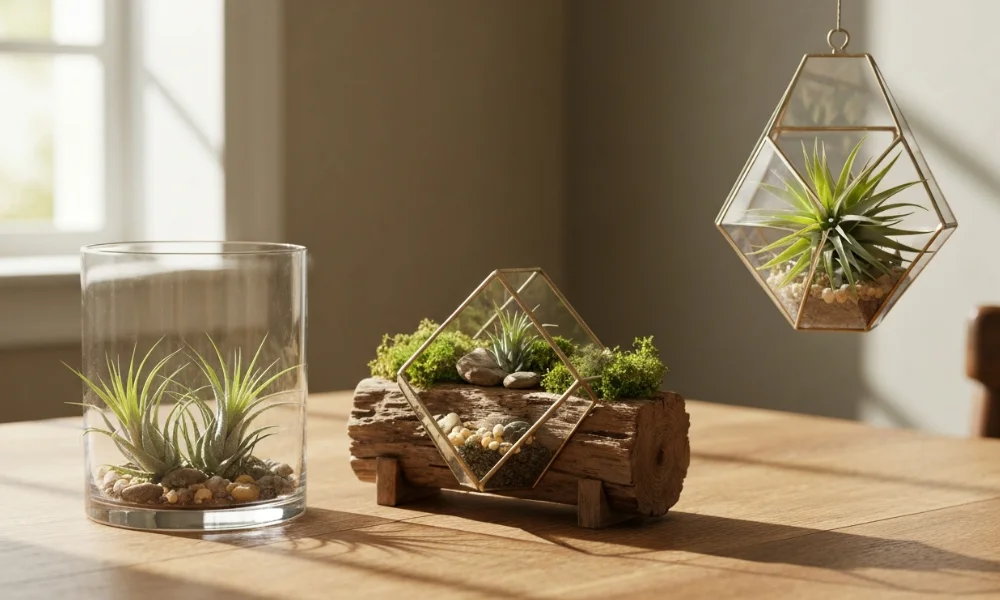
Glass Containers: Air Plant Terrarium Ideas
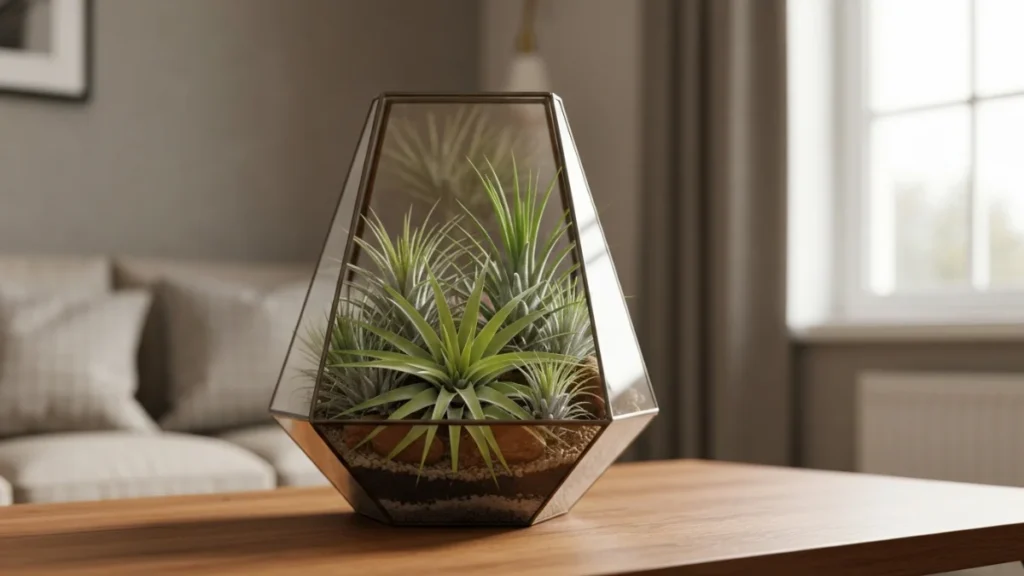
They allow for plenty of light and air circulation while showcasing the beauty of your plants. However, it’s important to avoid completely enclosed glass containers, as they can trap moisture, which can lead to rot. Instead, opt for open containers like glass globes or geometric shapes that provide adequate ventilation.
Hanging Containers
They are another fantastic option, especially if you’re short on space. Hanging glass or wire containers create a striking visual impact and help your plants get the airflow they need. Be sure to hang them in an area with plenty of indirect light to ensure your plants thrive.
Wooden or Natural containers
For a more rustic or organic look, try using wooden or natural containers. Driftwood, reclaimed wood, or even stone bowls make beautiful containers, but remember that wood can absorb moisture, so be sure to add a layer of sand or gravel at the bottom to prevent water from accumulating.
Air Plant Terrarium Ideas Care
Air plants are incredibly low-maintenance, but they do have a few specific care needs that will help them thrive. With the right light, water, and airflow, your air plant terrarium will be a vibrant and beautiful addition to your home.
Light Requirements for Air Plant Terrarium Ideas
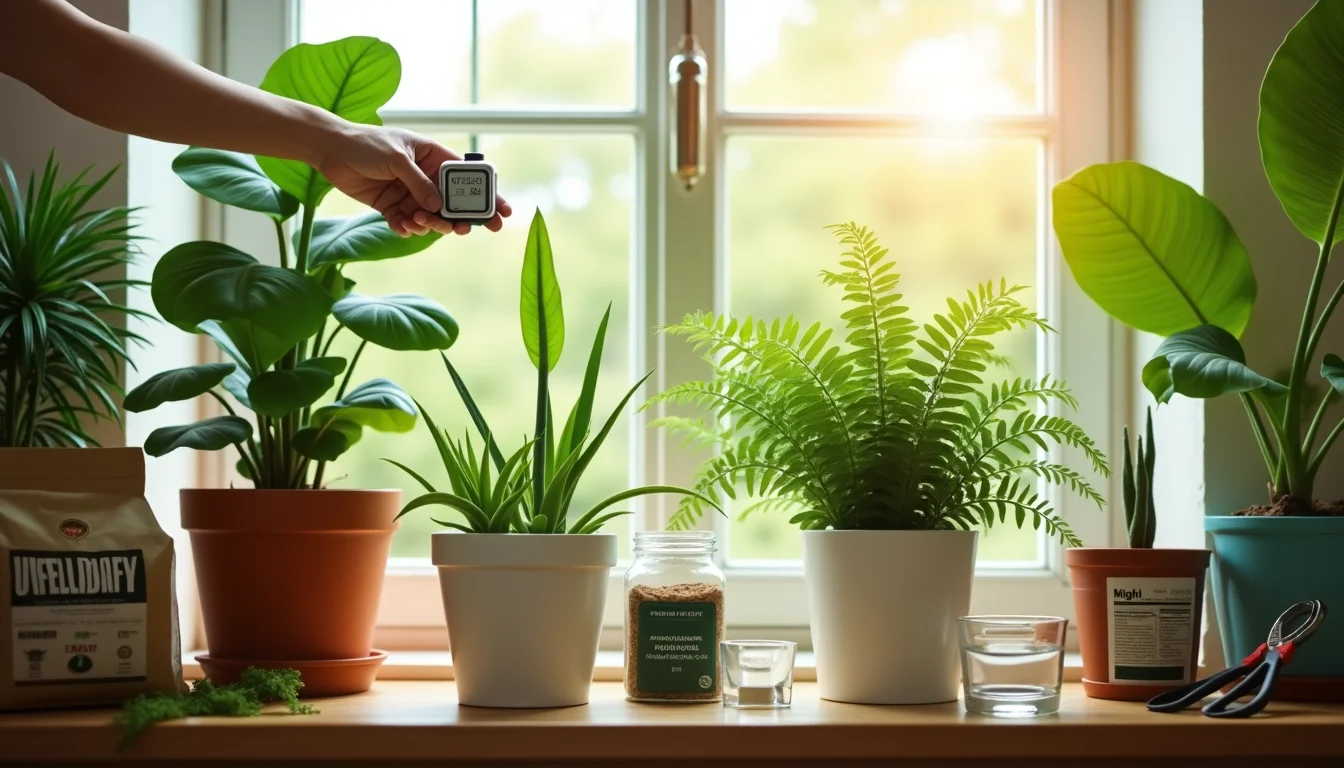
Air plants need bright, indirect light to flourish. Place them near a window where they can receive filtered sunlight, but avoid direct exposure to the sun, as it can damage the leaves. If natural light is limited, you can also use a grow light to provide the necessary light spectrum.
Watering and Humidity
Watering your air plants is simple but must be done carefully. Soak them in water for about 20–30 minutes once a week. After soaking, make sure to shake off any excess water and allow the plants to dry completely before returning them to their container.
Air Circulation
Since air plants need good airflow to survive, it’s essential that your terrarium isn’t too enclosed. Make sure your container allows for air to circulate freely around the plants. If you’re using a closed container, be sure to open it periodically to let in fresh air. Rotating your plants every so often can also help ensure even airflow.
Fertilizing
Air plants don’t require frequent feeding, but fertilizing can encourage growth and vibrant colors. Use a water-soluble fertilizer made for air plants or bromeliads, diluted to half strength, and apply it once a month during the growing season (spring and summer). Avoid over-fertilizing, as this can harm the plants.
Removing Dead Leaves
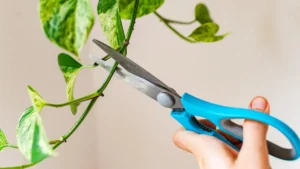
Keep your air plant terrarium looking fresh by trimming away any dead or damaged leaves. This not only helps maintain the appearance of your plants but also prevents decay from spreading to healthy parts. Use clean, sharp scissors to remove any dried-out leaves.
Designing Your Air Plant Terrarium Ideas
Designing your air plant terrarium is where the fun begins. The beauty of air plants is that they’re incredibly versatile, allowing you to experiment with different styles and designs that suit your home décor.
Theme and Style for Air Plant Terrarium Ideas
Start by deciding on the look you want. If you prefer a minimalist design, a simple glass globe with a few strategically placed air plants might be enough. For a more bohemian vibe, incorporate natural elements like driftwood, moss, or pebbles to create a rustic, earthy display.
Layering for Depth
Place taller air plants at the back and shorter ones in the front to create depth. Mixing different shapes and sizes of air plants also adds visual interest. If you’re using a container with more height, consider placing some plants on different levels to enhance the overall look.
Incorporating Natural Elements
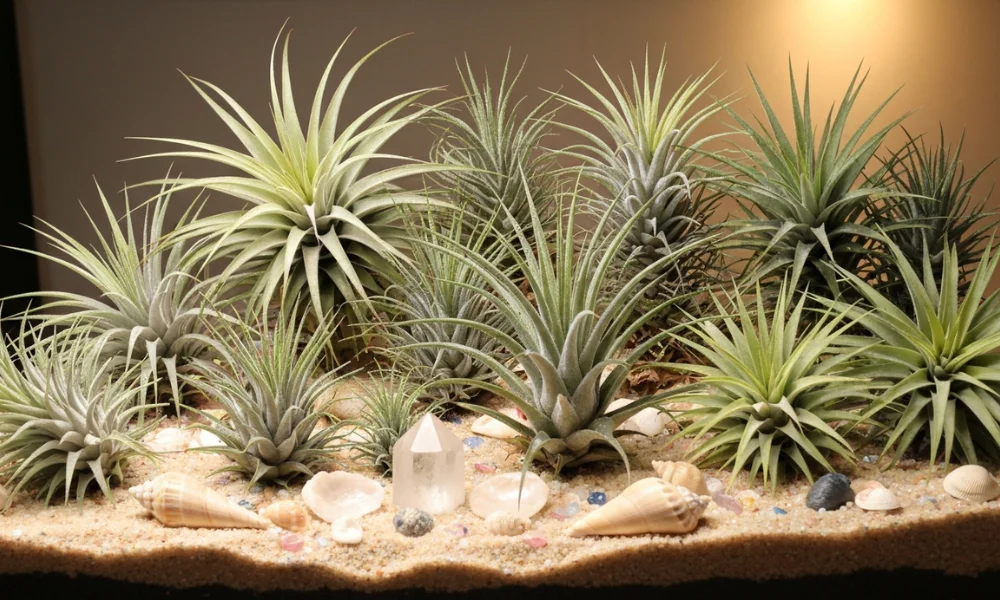
You can also use elements like crystals, shells, or sand to add texture and personality to your terrarium. These natural materials can complement the air plants and create a cohesive design. Just be careful not to overcrowd the container; your plants still need room to breathe and grow.
Hanging Displays
dimension to your display. Hanging containers, whether glass or geometric, can make your plants the focal point of a room.
Miniature Gardens
For those who want to go all out, creating a miniature garden with multiple air plant terrariums is an excellent option. Mixing and matching different containers, plants, and decorative elements can result in a whimsical, unique garden that feels like its own little ecosystem.
Maintaining Your Air Plant Terrarium Ideas
Maintaining your air plant terrarium is relatively simple, but regular care will keep your plants healthy and your display looking great.
Regular Care Checks
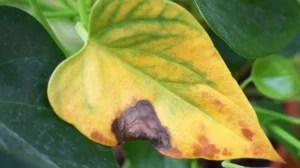
Check on your air plant terrarium regularly to ensure that your plants still have the light, water, and airflow they need. If you notice any signs of distress, like yellowing leaves or wilting, it might be time to reassess the environment.
Watering Consistency
It’s important to water your air plants consistently. If they start to look dry or shriveled, it’s a sign they need more water. However, be careful not to overwater them. Shake off excess water after soaking, and make sure they dry fully before being returned to the container.
Trimming and Pruning
To keep your terrarium looking neat, trim away any dead or damaged leaves. This will help prevent rot and keep the plant looking tidy. You should also remove any debris or dust that collects in the container to maintain a clean environment for your air plants. If you’re dealing with issues like browning leaves in other houseplants, check out this helpful guide on peace lily brown leaves for tips on how to revive and care for them.
Dealing with Pests
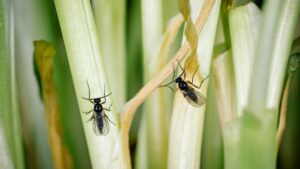
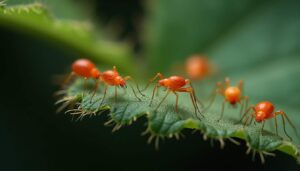
Although rare, pests like mealybugs can sometimes appear in air plant terrariums. If you notice any pests, gently rinse your plants with water or use an insect-safe solution. Regularly inspect your air plants before adding them to your terrarium to prevent infestations.
Conclusion
Creating your own air plant terrarium is a fun and creative way to bring some greenery into your home. With the right container, a little care, and a touch of creativity, you can build a stunning air plant display that adds life and charm to any room.
Whether you’re looking to design a minimalist piece or a more elaborate arrangement, air plant terrariums are a perfect way to express your style while keeping maintenance low. However, it’s important to be aware of potential issues like pests. For example, scale infestations can affect the health of your plants. To keep your air plants thriving, learn more about scale infestation on plants and how to prevent and treat it effectively. By following the care guidelines and design tips outlined above, you’ll enjoy a healthy, vibrant terrarium for months to come.
FAQs
How often should I water my air plant terrarium?
Water your air plants once a week by soaking them for 20–30 minutes. In drier climates, mist your plants every few days. Ensure they dry completely after watering to prevent rot.
Can I place my air plant terrarium in direct sunlight?
Air plants do best with bright, indirect light. Avoid direct sunlight, which can damage their leaves. If natural light is limited, use a grow light instead.
What should I do if my air plant leaves start turning yellow?
Yellowing leaves usually indicate overwatering or poor airflow. Check your container’s ventilation and reduce watering frequency if needed.
How can I remove pests from my air plant terrarium?
Rinse the affected plants with water or use a plant-safe insecticide. Regularly inspect new plants before adding them to your terrarium to prevent pests from spreading.
Can I use any container for my air plant terrarium?
Avoid sealed containers that trap moisture. Choose open glass containers, wooden displays, or hanging options that allow for proper ventilation and airflow.